




I needed 3 yards of top soil and that's what I got! Right on time and right where I asked it to be placed (Order# 2041).
About this soil
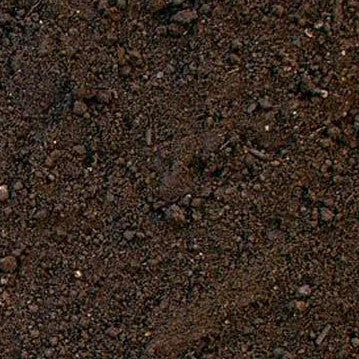
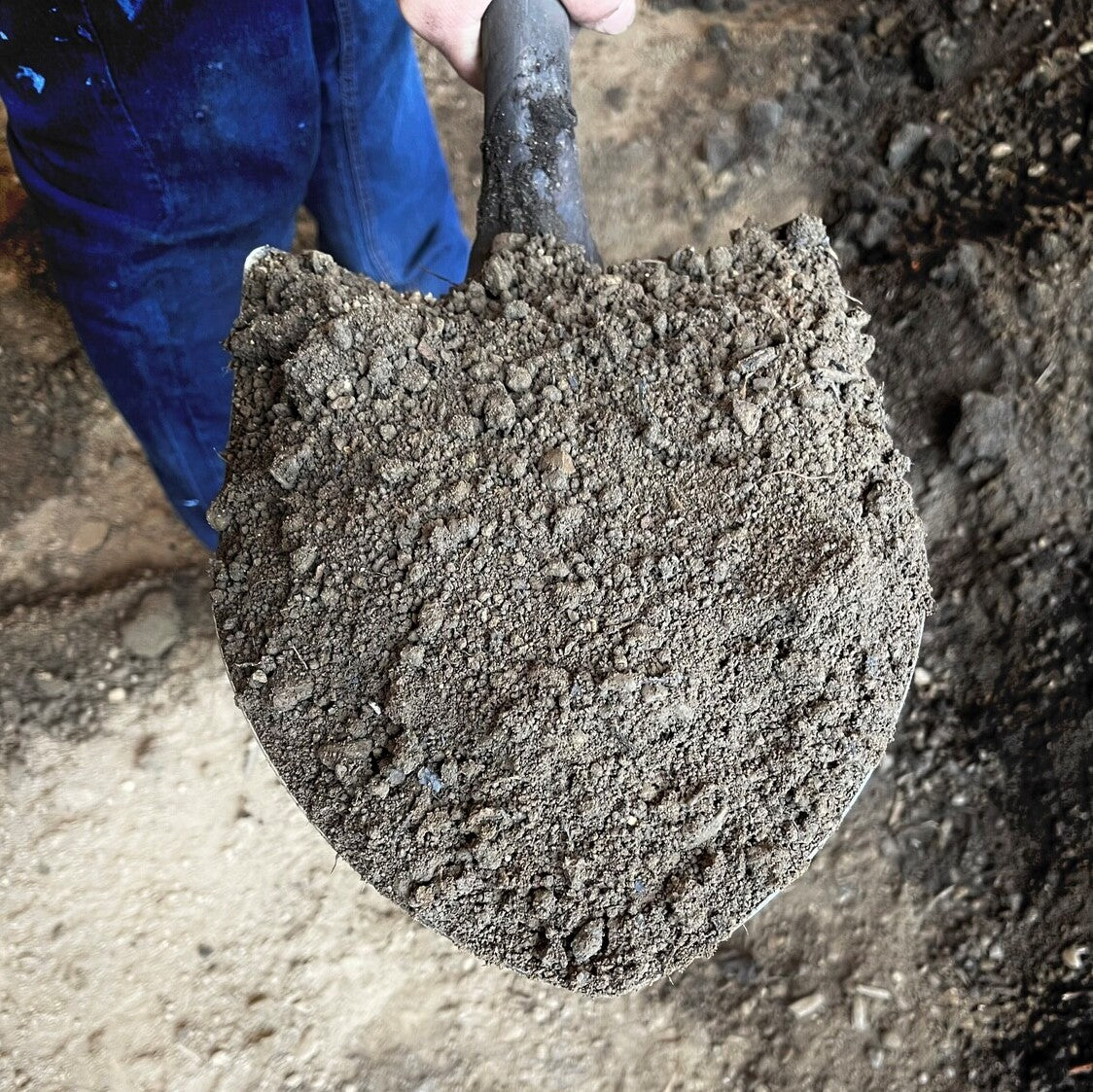
Quality topsoil for lawns, gardens, and landscape projects. Nutrient rich and ready to support strong root development and healthy plant establishment.
I needed 3 yards of top soil and that's what I got! Right on time and right where I asked it to be placed (Order# 2041).
Tell us what you're looking for
Thanks! We received your request.
Something went wrong. Please try again.
How Much Material Do I Need?
How Much Material Do I Need?
For new garden beds and lawn areas over Colonia's sandy soil, a minimum of 4 to 6 inches of imported topsoil gives roots a workable zone before they encounter the native sandy layer beneath. Raised vegetable beds filled to 10 to 12 inches deep perform best through Colonia's warm zone 7b growing season.
Use our free soil calculator
What is a yard?
What is a yard?
FAQs
FAQs
Colonia Soil Delivery
Colonia Soil Delivery
Regular price
$64.00
per
yard
Regular price
Sale price
$64.00
Unit price
per
Shipping calculated at checkout.
Minimum of 3 yard
Couldn't load pickup availability
Not currently available
We can't take orders for this right now. Tell us what you need and we'll get back to you.
Hand-picked local yards
4,000+ regional deliveries
Dedicated support
Why order through Mulch Mound
The best local soil, without the guesswork.
We hand-pick and partner with the best yards in your region, keep only the ones our buyers rate well, and back each load with our guarantee.
Mulch Mound Guarantee
If your soil isn't the quantity or quality you ordered, we'll make it right.
About this soil
Quality topsoil for lawns, gardens, and landscape projects. Nutrient rich and ready to support strong root development and healthy plant establishment.
I needed 3 yards of top soil and that's what I got! Right on time and right where I asked it to be placed (Order# 2041).
How Much Material Do I Need?
How Much Material Do I Need?
For new garden beds and lawn areas over Colonia's sandy soil, a minimum of 4 to 6 inches of imported topsoil gives roots a workable zone before they encounter the native sandy layer beneath. Raised vegetable beds filled to 10 to 12 inches deep perform best through Colonia's warm zone 7b growing season.
Use our free soil calculator
What is a yard?
What is a yard?
FAQs
FAQs
Tell us what you're looking for
Thanks! We received your request.
Something went wrong. Please try again.
How It Works
Getting started is easy — just follow these simple steps
1
Choose your soil
Make sure you adjust the quantity to your home's needs. You can use our calculator to estimate how much you'll need.
2
Select your delivery date
Select a delivery date you'd like for the product to be dropped off at your home
3
Sit back and wait
Sit back, wait, and let us work our magic to make sure the highest quality product is delivered to your driveway.

Highest compliments. Great driver.
Website is easy to navigate. Just a seamless process. 5 stars!!

Need Help Calculating How Much Soil You Need?
Use our NEW Trace from Satellite tool to get an estimate for your project based on an aerial view of your property
Try Our CalculatorTo calculate soil needs for your Colonia project, measure the length and width of the area in feet and multiply for square footage, then multiply by your target depth in feet and divide by 27 to get cubic yards. For a 6-inch layer, use 0.5 as your depth multiplier. Colonia's sandy base compacts less than clay soils, so measure carefully and account for settling by ordering 10 to 15 percent extra.
Soil Types We Deliver in Colonia
Mulch Mound offers bulk topsoil delivery in Colonia and carries a full range of soil materials sold by the cubic yard. Whether you are refreshing a lawn, building raised beds, or grading a new lot, we have the right product for the job. Our selection is matched to the growing conditions and project types common across central New Jersey.
Top Soil
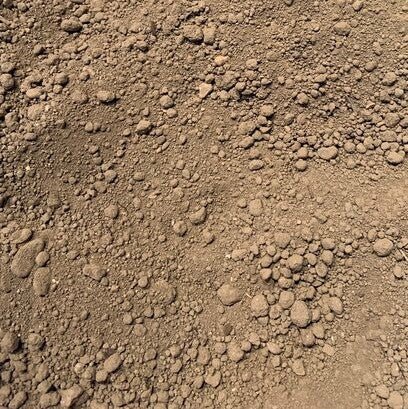
Dense, compacted ground is common across central New Jersey, and our topsoil gives lawns and gardens the rich organic layer they need to establish quickly. Choose screened for fine planting beds and lawns, or unscreened for rougher fill applications where a finer texture is not required.
Fill Dirt
Unscreened and affordably priced, Fill Dirt is built for grading, leveling, and rough site prep on the residential lots common in this part of New Jersey. It provides a stable base where surface texture is not a priority and volume is what matters most.
Garden Compost
Garden Compost is a rich, screened material packed with organic matter, ideal for homeowners looking to breathe new life into tired planting beds. The fine texture blends smoothly into existing soil and steadily feeds established perennials, shrubs, and annuals through the growing season.
Gardening Blend
Gardening Blend combines topsoil and compost into a single mix that is ready to plant, making it an easy choice for raised beds and new garden installations. The balanced, fertile texture works well in this region's variable growing season and gives plants a healthy head start.
Complete Your Outdoor Soil Project
Topping your new soil with a layer of mulch locks in the moisture that Colonia's sandy ground otherwise loses quickly, making the combination far more effective than soil alone. If you are defining bed edges or adding walkways around your new planting areas, a stone product pairs well with fresh soil to give the space a clean, finished look.


Service area
Areas we deliver soil in Colonia, New Jersey
- Avenel, Jersey
- Blackwells Mills, Jersey
- Bound Brook, Jersey
- Bradley Gardens, Jersey
- Carteret, Jersey
- Dayton, Jersey
- Dunellen, Jersey
- East Franklin, Jersey
- Elizabeth, Jersey
- Fanwood, Jersey
- Florham Park, Jersey
- Fords, Jersey
- Franklin Park, Jersey
- Heathcote, Jersey
- Highland Park, Jersey
- Hillsborough, Jersey
- Iselin, Jersey
- Kendall Park, Jersey
- Kenilworth, Jersey
- Keyport, Jersey
- Linden, Jersey
- Madison, Jersey
- Madison Park, Jersey
- Manville, Jersey
- Martinsville, Jersey
- Matawan, Jersey
- Metuchen, Jersey
- Middlesex, Jersey
- Monmouth Junction, Jersey
- New Brunswick, Jersey
- New Providence, Jersey
- North Plainfield, Jersey
- Perth Amboy, Jersey
- Plainfield, Jersey
- Rahway, Jersey
- Roselle, Jersey
- Roselle Park, Jersey
- Sayreville, Jersey
- Short Hills, Jersey
- Somerset, Jersey
- Somerville, Jersey
- South Amboy, Jersey
- South Plainfield, Jersey
- South River, Jersey
- Spotswood, Jersey
- Summit, Jersey
- Twin Rivers, Jersey
- Watsessing, Jersey
- Westfield, Jersey
Mulch Mound Pro Tip
When filling raised beds in Colonia, resist the urge to use straight topsoil without any amendment. Colonia's zone 7b summers are warm and long, and plain topsoil in a raised bed can dry and compact quickly without organic matter to hold moisture. Blending in compost at a ratio of roughly one part compost to three parts topsoil creates a loose, moisture-retentive mix that performs much better through the heat of July and August.
Mulch Mound Pro Tip
If you are grading low spots in your Colonia yard, pay attention to how water flows across your property during a heavy rain event before you begin moving material. Sandy soil drains well but still pools in compacted depressions, and simply filling with topsoil without addressing slope can recreate the same wet spots over time. Grade new soil so that water moves at least a few inches per foot away from any structures or lawn areas to prevent recurring drainage problems.
Mulch Mound Pro Tip
Colonia's 49 inches of annual rainfall means that soil in exposed garden beds without mulch or plant cover gets struck directly by rain, which causes the surface to seal and reduces water infiltration over time. This is especially true when using finer blended soils in open beds. Covering new soil quickly with transplants, mulch, or a light seeding after delivery helps prevent surface compaction and keeps the soil structure open and productive throughout the rainy season.
The Unique Landscape of Colonia
Colonia sits on sandy soil that, while easy to dig and work, drains so quickly that it struggles to support dense lawns, productive vegetable gardens, or healthy new plantings without amendment. Homeowners starting a new garden bed or leveling a lawn area often find the native soil too lean to sustain strong growth through the heat of summer. Zone 7b means Colonia's growing season stretches from mid-April through late October, placing real demands on soil quality across a long active period. Imported topsoil or blended garden soil gives you control over the nutrient content and drainage balance from the very start of a project. Whether you are filling a raised bed, grading a low spot in the yard, or establishing new lawn areas, a quality soil delivery sets up every project for better long-term results. Colonia's rainfall of 49 inches per year also means poorly structured soil can compact and erode, making a thoughtful soil choice even more valuable.