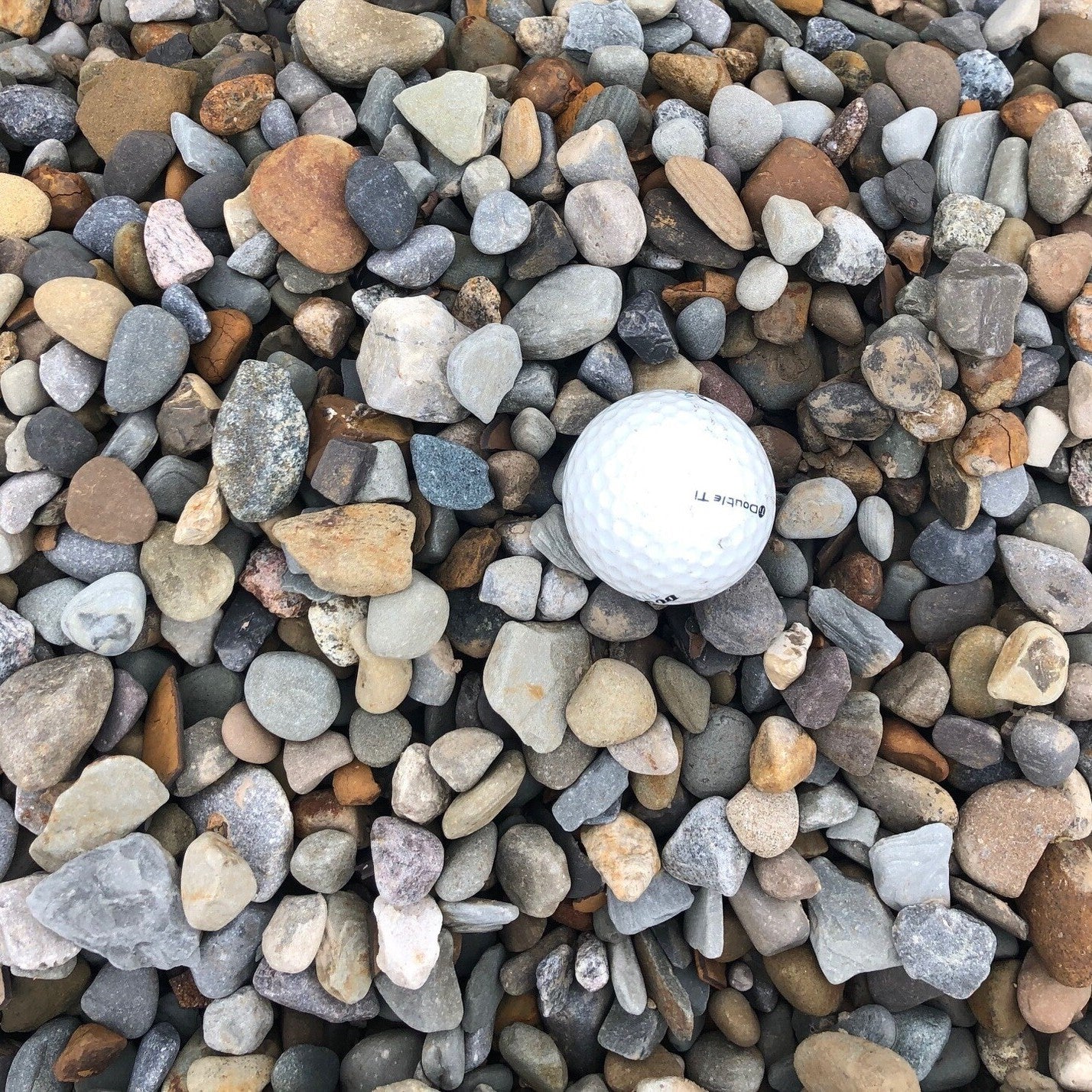
Number 57 crushed stone, angular limestone graded to about three quarters of an inch. The standard driveway, base and drainage gravel, it locks together under traffic and drains fast.
Mulch Mound delivered a yard of pea gravel to us. Delivery was on time, driver was friendly and hit a bullseye on the “tarp target”. We used the pea gravel (which was diameter as specified) to fill several muskrat holes around our pond. I would definitely recommend Mulch Mo...
Tell us what you're looking for
Thanks! We received your request.
Something went wrong. Please try again.
How Much Material Do I Need?
For decorative bed coverage and pathway surfaces in Colonia, 2 to 3 inches of stone depth is the practical standard that suppresses weeds and provides a clean finished surface. Drainage applications around foundations or in dry creek beds may benefit from 4 to 6 inches to ensure adequate flow capacity during Colonia's heavier rainfall events.
Use our free gravel calculator
What is a yard?
A yard is approximately 27 cubic feet. As a general guideline, one yard of material can cover an area of about 100-160 square feet at a 2-3 inch depth.
We can't take orders for this right now. Tell us what you need and we'll get back to you.
What do you need?
Thanks! We received your request.
Something went wrong. Please try again.
Hand-picked local yards
4,000+ regional deliveries
Dedicated support
Why order through Mulch Mound
The best local stone, without the guesswork.
We hand-pick and partner with the best yards in your region, keep only the ones our buyers rate well, and back each load with our guarantee.
Mulch Mound Guarantee
If your stone isn't the quantity or quality you ordered, we'll make it right.
About this stone
Number 57 crushed stone, angular limestone graded to about three quarters of an inch. The standard driveway, base and drainage gravel, it locks together under traffic and drains fast.
Mulch Mound delivered a yard of pea gravel to us. Delivery was on time, driver was friendly and hit a bullseye on the “tarp target”. We used the pea gravel (which was diameter as specified) to fill several muskrat holes around our pond. I would definitely recommend Mulch Mo...
How Much Material Do I Need?
For decorative bed coverage and pathway surfaces in Colonia, 2 to 3 inches of stone depth is the practical standard that suppresses weeds and provides a clean finished surface. Drainage applications around foundations or in dry creek beds may benefit from 4 to 6 inches to ensure adequate flow capacity during Colonia's heavier rainfall events.
Use our free gravel calculator
What is a yard?
A yard is approximately 27 cubic feet. As a general guideline, one yard of material can cover an area of about 100-160 square feet at a 2-3 inch depth.
Mulch Mound delivered a yard of pea gravel to us. Delivery was on time, driver was friendly and hit a bullseye on the “tarp target”. We used the ...
Read full review
Mulch Mound delivered a yard of pea gravel to us. Delivery was on time, driver was friendly and hit a bullseye on the “tarp target”. We used the pea gravel (which was diameter as specified) to fill several muskrat holes around our pond. I would definitely recommend Mulch Mound to a friend!
Placing an order online was so easy. Delivery was on time. When the driver realized we had a newly poured driveway they erred on the side of cautio...
Read full review
Placing an order online was so easy. Delivery was on time. When the driver realized we had a newly poured driveway they erred on the side of caution and opted not ti drive in it. The company even sent me a message explaining that call. Would recommend!
To estimate stone for your Colonia project, measure the length and width of the area in feet, multiply for square footage, then multiply by the depth in feet and divide by 27 for cubic yards. For most pathway and bed applications in Colonia, a 3-inch depth is standard. Because sandy soil already compacts well beneath stone, you typically do not need a thick sub-base, which keeps your overall material estimate lower than it would be for clay-based landscapes in nearby areas.
Stone Types We Deliver in Colonia
Mulch Mound delivers bulk stone by the cubic yard directly to homes and properties in the area. Homeowners searching for bulk gravel by the yard in Colonia will find our ordering process straightforward and our delivery reliable. Our stone arrives loose and ready to spread, cutting out the extra trips and heavy lifting.
Pea Gravel
Pea gravel is one of the most popular ground covers for central New Jersey yards, and it suits the region's clay-heavy soils well by improving drainage around garden beds and walkways. Its smooth, rounded edges and warm earth tones give residential properties a clean, finished look that complements both traditional and modern home styles.
1-2" River Stone
These larger smooth river stones bring a natural, decorative quality to properties dealing with heavier clay soils that tend to hold moisture through New Jersey's wet seasons. They perform well in dry creek beds and feature gardens, adding visual weight and texture while managing water flow in a low-maintenance, long-lasting way.
Complete Your Outdoor Stone Project
Adding a border of stone around freshly mulched beds gives your Colonia landscape a defined edge that holds mulch in place during heavy rain and requires no seasonal replacement. If you are also working on planting areas nearby, a quality topsoil or garden soil paired with stone edging creates a complete, polished look that performs well through Colonia's full weather cycle.
Before laying stone in any bed or pathway area in Colonia, take the time to install a quality woven landscape fabric underneath. Colonia's sandy soil has a tendency to migrate upward through stone layers over time, especially during rain events that agitate the ground surface. A woven fabric layer keeps the stone and soil separated, preserving the clean look of your stone surface for years and reducing the chore of raking sand back out of your gravel beds.
Mulch Mound Pro Tip
If you are creating a dry creek bed to manage runoff in your Colonia yard, trace the natural water flow path during an actual rain event before you dig. Colonia's sandy soil drains well overall but surface runoff still concentrates in low channels during heavy storms, and a dry creek that follows the natural flow line will perform far better than one placed by guesswork. Size the channel wide enough to handle peak storm flow and use river rock in the 1.5 to 3 inch range for good water movement and visual appeal.
Mulch Mound Pro Tip
In Colonia where annual rainfall averages 49 inches, placing stone around downspout discharge points is one of the smartest small investments you can make. Concentrated water from downspouts hitting bare sandy soil creates erosion and muddy splash zones very quickly. A simple 3 to 4 foot apron of river rock or crushed stone at each downspout outlet disperses the water across a wider surface, reducing erosion and preventing bare soil patches from forming near your home's foundation.
The Unique Landscape of Colonia
Stone is one of the most practical and low-maintenance landscape materials you can add to a Colonia property, particularly because of how the local environment behaves over time. Sandy soil shifts with freeze and thaw cycles, and Colonia's frost window between October 25 and April 15 creates enough ground movement to crack and heave softer pathway surfaces over the years. Stone stays stable through those seasonal cycles and requires no replacement the way organic materials do. Colonia's 49 inches of annual rainfall also means drainage is a real concern, and strategically placed stone can redirect water flow away from foundations and low spots in the yard. Decorative stone in plant beds reduces weed pressure in areas where you want a clean, permanent look without annual mulch reapplication. Whether you are building a pathway, creating a dry creek bed, or framing a foundation border, stone delivers lasting results in Colonia's climate.
Frequently Asked Questions
Click a question to see the answer
Answer
What type of stone works best for a backyard pathway in Colonia?
Crushed gravel or pea gravel are popular pathway choices in Colonia because they compact well over sandy soil and allow rain to drain through rather than pool on the surface. For a more stable walking surface, a compacted crusher run base topped with a finer gravel layer gives you a firmer path that holds its shape through Colonia's freeze and thaw cycles. River rock works better as a decorative border alongside a path than as the walking surface itself.
Answer
Will stone around my foundation help with drainage problems in Colonia?
Yes, a 12 to 18 inch border of crushed stone or river rock around your foundation is one of the most effective ways to manage the water that flows toward your house during Colonia's heavy rain events. Stone allows water to drain down and away from the foundation rather than pooling against the siding or basement wall. Sloping the stone bed slightly away from the house adds to its effectiveness and is a simple step to include during installation.
Answer
How deep should I lay stone for a decorative bed in Colonia?
For decorative stone in planting beds, a depth of 2 to 3 inches is typically enough to suppress weeds and give a finished look. Because Colonia's sandy soil already drains well, there is no need to go deeper for drainage purposes in most standard beds. Laying landscape fabric beneath the stone before you spread it helps prevent sand from migrating up through the stone layer over time, which is a common issue in Colonia's sandy conditions.
Answer
Does stone help prevent erosion in sloped areas of a Colonia yard?
Stone is one of the best erosion control materials for sloped areas in Colonia, where sandy soil has very little cohesion and washes quickly during heavy rain events. A dry creek bed filled with river rock or larger cobble can channel runoff through a defined path rather than letting it sheet across open sandy ground. For steep slopes, larger stones set into the grade provide physical anchoring that loose sand alone cannot achieve.
Answer
Is stone a good alternative to mulch in hot, sunny beds in Colonia?
Stone works well in full-sun beds where heat-tolerant plants like ornamental grasses, sedums, and drought-adapted perennials are growing, as these plants are already suited to the warm, dry conditions that stone can create at the soil surface. Keep in mind that stone absorbs and radiates heat, which can raise soil temperatures higher than mulch would in peak summer, so it is best used around plants that thrive in Colonia's zone 7b heat rather than moisture-loving species. Stone also does not feed the soil the way decomposing mulch does, so it is a lower-maintenance but less soil-improving option.
Answer
How much stone do I need for a 10 by 20 foot gravel area in Colonia?
At a 3-inch depth, a 10 by 20 foot area requires roughly 2 cubic yards of stone. Colonia's sandy base provides good natural drainage beneath gravel, so you do not need to over-excavate or lay a thick sub-base the way you might with clay-heavy soils in nearby towns. It is a good idea to round up to about 2.5 yards to account for settling and edge coverage.
Answer
What stone is best for a low-maintenance side yard in Colonia that gets a lot of runoff?
A river rock or medium crushed stone in the 1 to 2 inch size range is ideal for a side yard that channels runoff in Colonia. Smaller pea gravel tends to migrate under heavy water flow, while larger cobble can be harder to walk on and difficult to redistribute. A mid-size river rock stays in place well during Colonia's heavier rain events, handles foot traffic, and gives the space a natural appearance without requiring any seasonal upkeep.