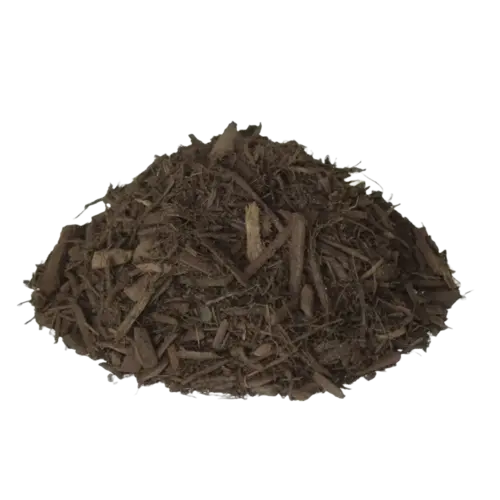
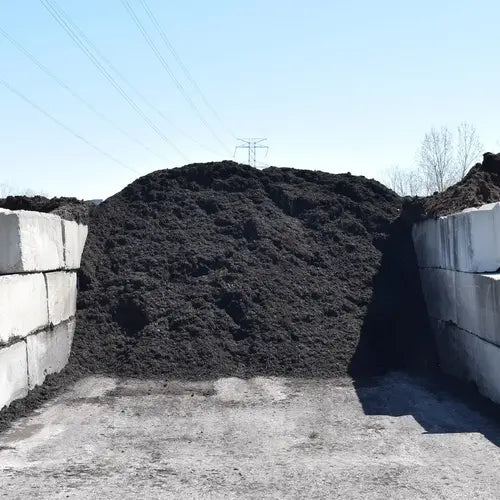
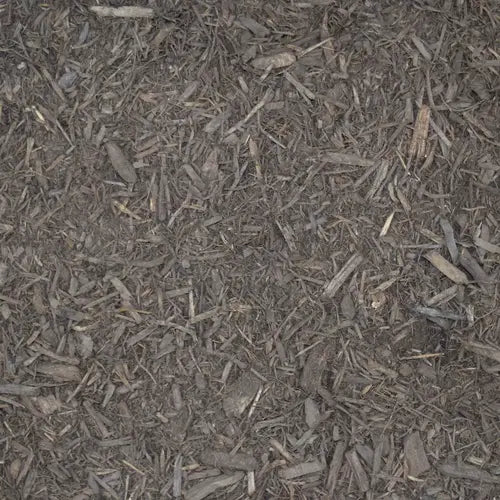
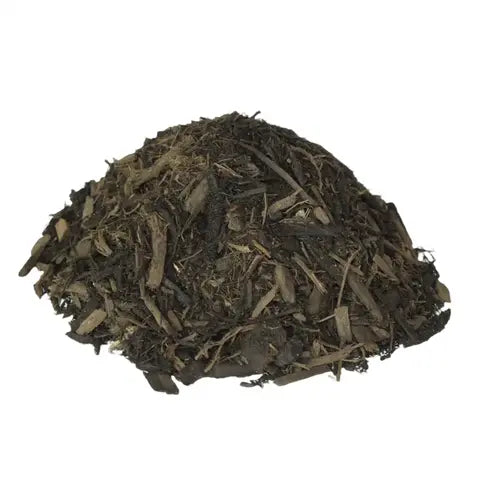
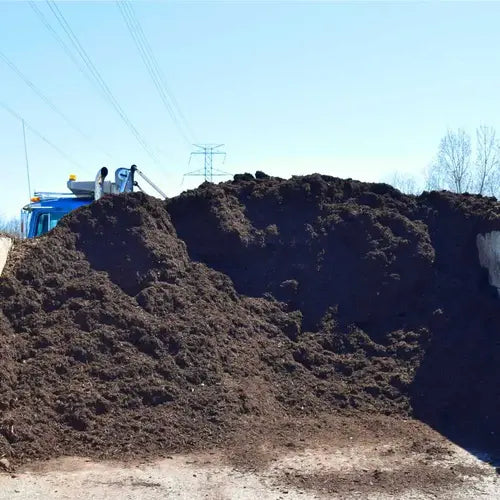
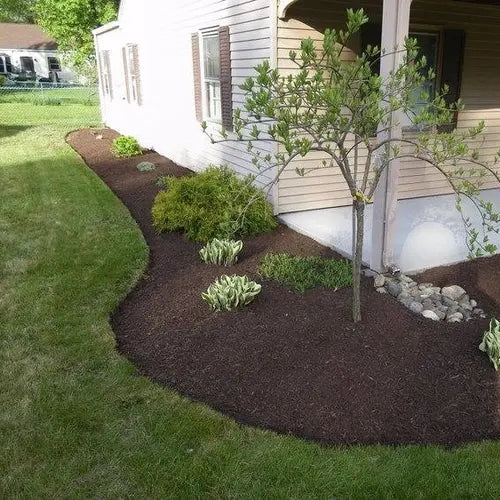
Warm brown double shredded mulch with lasting color that looks freshly applied for weeks. Spreads smooth, stays put, and gives beds a natural, polished appearance.
I highly recommend Mulch Mound. The quality of the mulch is very good. The ordering system on their website makes it very easy. The delivery driver did a great job placing the mulch on the driveway. To finish off, the pricing was very reasonable as well.
Tell us what you're looking for
Thanks! We received your request.
Something went wrong. Please try again.
How Much Material Do I Need?
For Columbia Falls's fast-draining sandy loam, a 3 to 4 inch mulch layer is the recommended depth for effective moisture retention and weed suppression through the growing season. Thinner applications of 1 to 2 inches tend to dry out quickly between rain events and provide limited weed control in our active growing months.
Use our free mulch calculator
What is a yard?
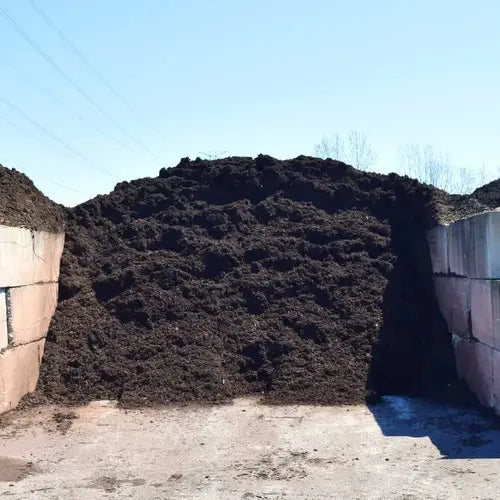
A yard is approximately 27 cubic feet. As a general guideline, one yard of material can cover an area of about 100-160 square feet at a 2-3 inch depth.
We can't take orders for this right now. Tell us what you need and we'll get back to you.
What do you need?
Thanks! We received your request.
Something went wrong. Please try again.
Hand-picked local yards
4,000+ regional deliveries
Dedicated support
Why order through Mulch Mound
The best local mulch, without the guesswork.
We hand-pick and partner with the best yards in your region, keep only the ones our buyers rate well, and back each load with our guarantee.
Mulch Mound Guarantee
If your mulch isn't the quantity or quality you ordered, we'll make it right.
About this mulch
Warm brown double shredded mulch with lasting color that looks freshly applied for weeks. Spreads smooth, stays put, and gives beds a natural, polished appearance.
I highly recommend Mulch Mound. The quality of the mulch is very good. The ordering system on their website makes it very easy. The delivery driver did a great job placing the mulch on the driveway. To finish off, the pricing was very reasonable as well.
How Much Material Do I Need?
For Columbia Falls's fast-draining sandy loam, a 3 to 4 inch mulch layer is the recommended depth for effective moisture retention and weed suppression through the growing season. Thinner applications of 1 to 2 inches tend to dry out quickly between rain events and provide limited weed control in our active growing months.
Use our free mulch calculator
What is a yard?
A yard is approximately 27 cubic feet. As a general guideline, one yard of material can cover an area of about 100-160 square feet at a 2-3 inch depth.
I highly recommend Mulch Mound. The quality of the mulch is very good. The ordering system on their website makes it very easy. The delivery driver...
Read full review
I highly recommend Mulch Mound. The quality of the mulch is very good. The ordering system on their website makes it very easy. The delivery driver did a great job placing the mulch on the driveway. To finish off, the pricing was very reasonable as well.
They offered a quick turnaround and delivered high quality mulch at a reasonable price. They also dropped it off exactly where I told them to put i...
Read full review
They offered a quick turnaround and delivered high quality mulch at a reasonable price. They also dropped it off exactly where I told them to put it. Good service!
To estimate your mulch needs, measure each planting bed in feet, multiply length by width to get square footage, then divide by 100 to find cubic yards at a 3-inch depth. Because Columbia Falls's sandy loam benefits most from a full 3 to 4 inch layer to compensate for our low annual rainfall of 18 inches, err on the side of ordering slightly extra rather than coming up short. A small surplus can always be used to top off thinner spots or extend a bed edge where coverage is light.
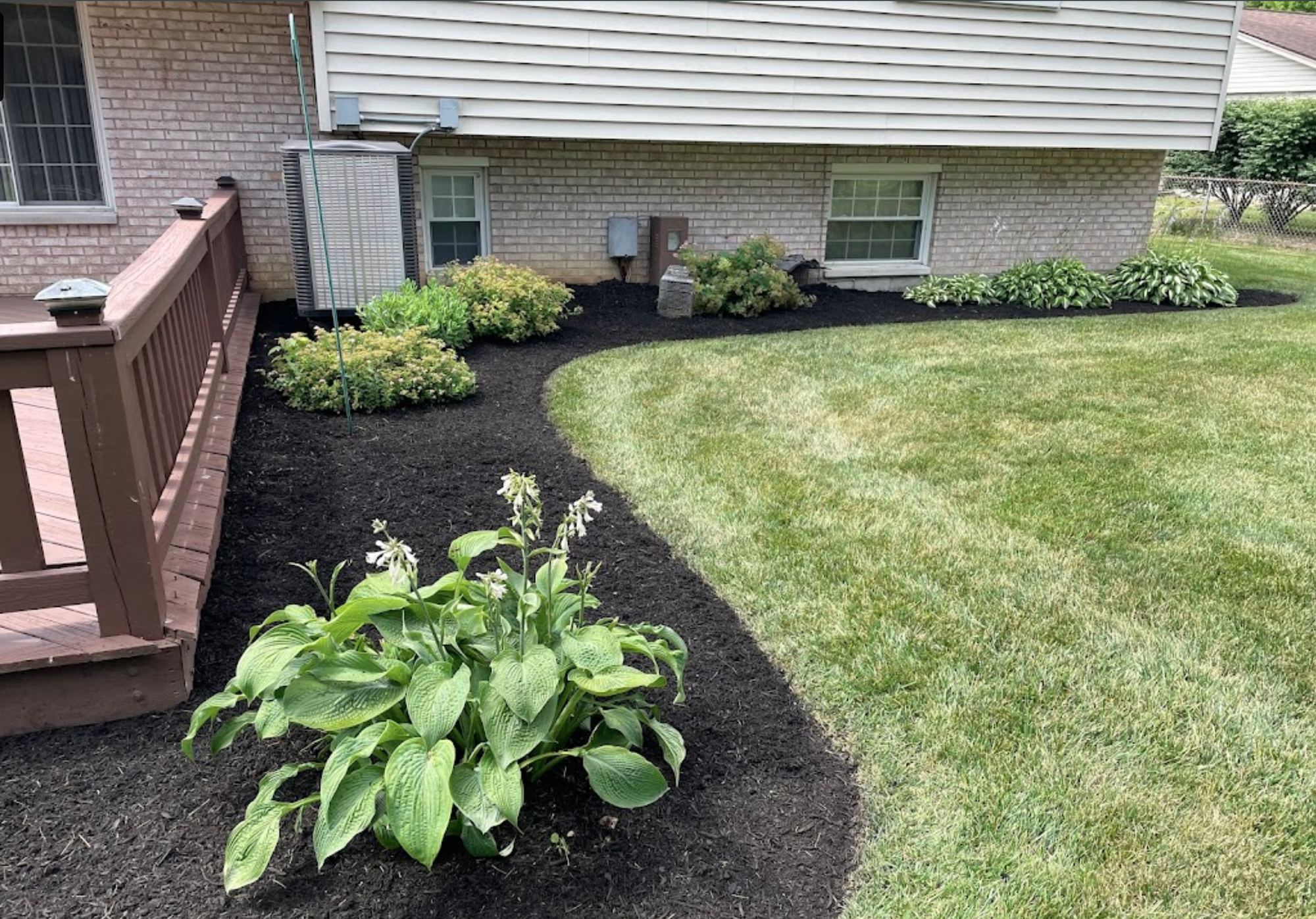
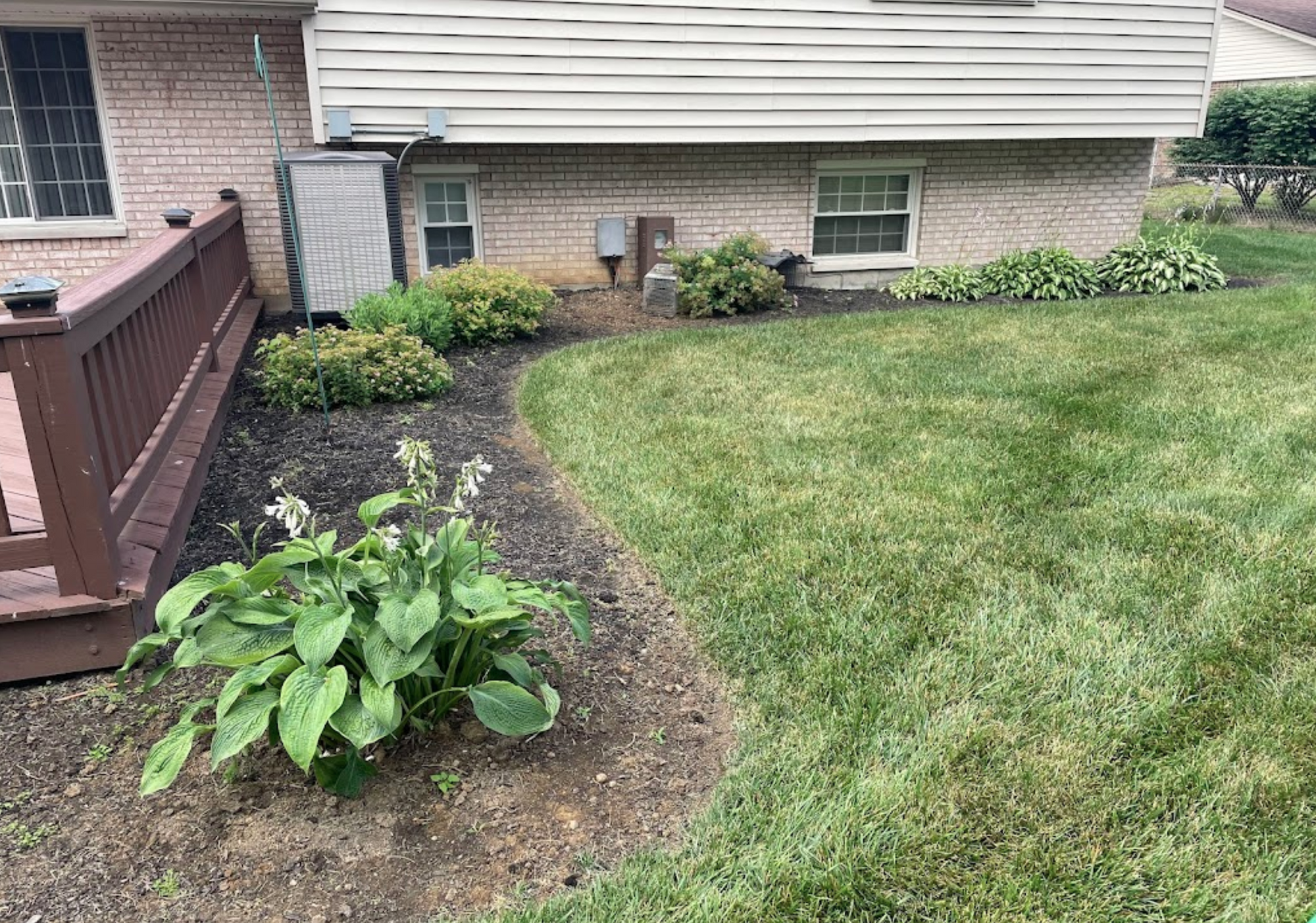
Mulch vs. No Mulch: The Difference
Columbia Falls's cool nights and modest annual rainfall create conditions where organic mulches decompose slowly, but the intense UV exposure at our elevation can bleach natural wood products faster than warmer climates might lead you to expect. Natural mulches gradually contribute organic matter to our sandy loam soil as they break down, improving moisture retention over multiple seasons in a way that benefits the soil long after the original layer has faded. Dyed mulches maintain a more polished appearance through our short growing season but do not provide the same incremental soil-building benefit that natural bark delivers over time.
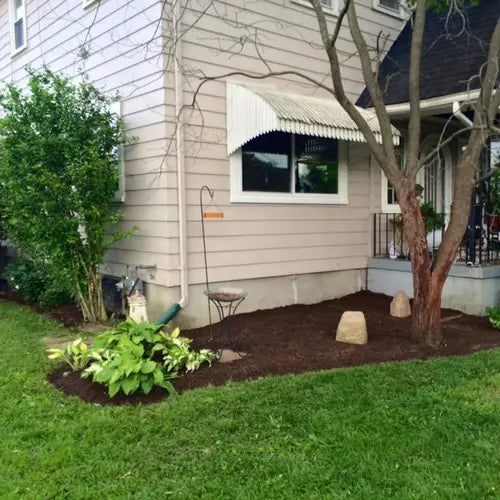
Before
After
Best Mulch Choice for Columbia Falls Lawns
Most yards in the Columbia Falls area sit on Sandy Loam type of soil. Sandy loam soil in Columbia Falls drains quickly enough that plant beds can shift from adequately moist to dry within a day or two of a rain event, putting ornamental plants under stress during our limited growing season. Without a protective mulch layer, that moisture loss is compounded by the sun and wind exposure that comes with living at 3,092 feet in the Flathead Valley.
Hardwood Mulch
Hardwood mulch is a particularly strong match for Columbia Falls's sandy loam because as it decomposes slowly each season it contributes organic matter that improves the soil's structure and water-holding capacity over time. Each year's gradual breakdown adds a small but cumulative improvement to a soil type that naturally lacks the organic content needed to retain moisture and nutrients through our dry summers.
Mulch Types We Deliver in Columbia Falls
Mulch Mound delivers bulk mulch by the cubic yard to homes and properties in Columbia Falls. If you are searching for bulk mulch delivery near me, we make it easy to get the right volume dropped directly at your property. Our mulch types are chosen to perform well in the cool, wet springs and natural landscape settings common across northwest Montana.
Dyed Black Mulch
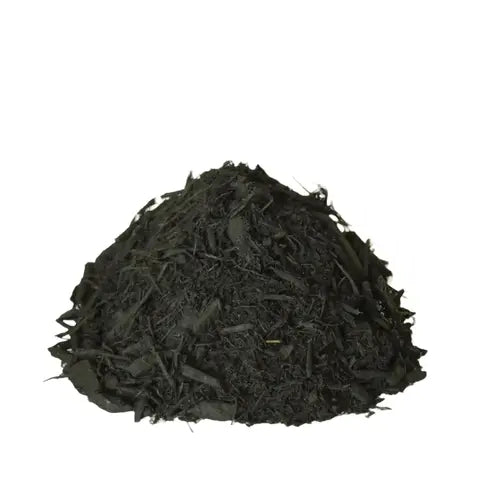
Double shredded for a smooth, consistent texture, Dyed Black Mulch is a popular choice for homeowners who want bold contrast against the green foliage and natural stone common across Montana. The rich black color holds up well through rainy spring conditions and resists fading even on properties with full afternoon sun exposure.
Dyed Brown Mulch
Available in double shredded style, Dyed Brown Mulch offers a warm tone that complements the wooded, mountainous surroundings of northwest Montana. The lasting color looks freshly applied for weeks at a time, making it a solid choice for front beds and larger landscape areas where appearance matters through the full growing season.
Natural Brown Mulch
Natural Brown Mulch is double shredded from undyed wood, giving beds an honest, earthy look that suits the rustic home and landscape styles common across this part of Montana. Its smooth texture spreads easily and helps retain soil moisture through the warmer, drier stretches of the summer growing season.
Complete Your Outdoor Mulch Project
If you are refreshing your landscape beds, pairing bulk mulch with a quality bulk amended soil worked into the top several inches of your sandy loam can dramatically improve moisture retention before you mulch over it. Adding decorative stone borders around mulched beds also creates a clean, low-maintenance edge that holds up well through Columbia Falls's freeze-thaw cycles and spring snowmelt.
Timing your mulch application just after the April 15 last frost date gives you the most benefit in Columbia Falls. Applying too early while the ground is still cold can trap cool temperatures and slow the soil warming that perennials and shrubs need to break dormancy. Wait until the soil has had a week or two to warm naturally after the final frost, then lay your mulch layer to lock that heat in and keep it stable through the cooler nights that persist well into May at our elevation.
Mulch Mound Pro Tip
At 3,092 feet, Columbia Falls receives stronger ultraviolet exposure than lower-elevation communities in the region, which accelerates color fading in dyed mulches noticeably faster than the product's label may suggest. If maintaining a consistent, rich color in your front-yard beds is a priority, choose a high-quality colorfast dyed mulch and plan on an annual refresh each spring. Natural bark mulches fade to a silver-gray over time but blend well with the mountain landscape aesthetic common throughout the Flathead Valley and require no color expectations to manage.
Mulch Mound Pro Tip
With only 18 inches of annual rainfall, Columbia Falls homeowners cannot rely on precipitation alone to keep planting beds adequately moist through the summer. A 3 to 4 inch mulch layer can reduce surface evaporation by up to 50 percent, effectively stretching every watering or rain event significantly further than bare soil would allow. In practical terms, this translates to fewer hours running irrigation and healthier root systems that are not repeatedly stressed by sharp dry-wet cycles during our warm July and August afternoons. Think of bulk mulch as a long-season investment in your water bill as much as your landscaping.
Frequently Asked Questions
Click a question to see the answer
Answer
How thick should I apply mulch given Columbia Falls's sandy loam soil?
A 3 to 4 inch layer is recommended for most planting beds in Columbia Falls because sandy loam drains so freely that thinner applications dry out quickly between our infrequent summer rain events. That depth is enough to slow evaporation meaningfully without smothering roots, which is especially important during the warm, dry stretches we see in July and August. Keep mulch a couple of inches away from plant stems, as our warm afternoon temperatures combined with trapped moisture near the crown can invite rot.
Answer
Will mulch help my plants survive the stretch between Columbia Falls's last and first frost dates?
Mulch is one of the most effective tools for extending plant health across Columbia Falls's short frost-free window, which runs from roughly April 15 to September 16. A consistent mulch layer insulates the soil and moderates the sharp overnight temperature drops that come with our 3,092-foot elevation, helping roots stay active longer into fall. In spring, mulch also helps the soil warm up more evenly after the final frost clears, giving perennials and shrubs a stronger start at the beginning of the season.
Answer
Does mulch break down faster here because of our mountain climate?
Columbia Falls's cool nights and modest annual rainfall actually slow organic mulch decomposition compared to warmer, wetter climates, so a quality hardwood or bark mulch can last a full season and often into the next before needing replacement. That said, the strong UV exposure at our elevation fades color faster than decomposition takes hold, so most homeowners plan on a fresh layer each spring primarily for appearance rather than because the material has fully broken down. Topping off annually also keeps weed suppression consistent through the growing season.
Answer
Is natural mulch or dyed mulch a better fit for Columbia Falls landscapes?
Both perform well here, but each has trade-offs worth understanding before you order. Natural bark mulch breaks down gradually and contributes organic matter to Columbia Falls's sandy loam soil over time, slowly improving its ability to hold moisture through our dry summers, which is a real long-term advantage. Dyed mulches maintain their color longer under the intense sun we receive at 3,092 feet, making them a popular choice for front-yard foundation beds where curb appeal matters through our short growing season. Neither product harms plants when applied at the correct depth.
Answer
How do I figure out how much mulch I need for my Columbia Falls yard?
Start by measuring the length and width of each planting bed in feet and multiplying those numbers together to get square footage. Divide that total by 100 to find the cubic yards needed for a 3-inch layer, which is a solid starting depth for Columbia Falls's fast-draining sandy loam. Most homeowners with moderate-sized foundation plantings find that 3 to 5 cubic yards covers their beds comfortably, while larger properties with multiple garden areas or side-yard beds often need 8 to 12 cubic yards or more.
Answer
Can I use bulk mulch around my vegetable garden in Columbia Falls?
Yes, and it is especially beneficial here given how quickly our sandy loam soil loses moisture during warm July and August afternoons. Mulching around vegetable plants keeps the root zone consistently moist between waterings, reducing stress during the hottest part of our growing season. Use a finer, untreated wood mulch or straw rather than dyed products near edible plants, and keep it a couple of inches back from stems. Pull the mulch slightly away from plant bases in early spring so the soil can warm up quickly after the April 15 frost date clears.
Answer
Does mulch really make a difference with the weed pressure we get in the Flathead Valley?
A properly applied mulch layer is one of the most reliable weed control strategies available to Columbia Falls homeowners. Three to four inches of dense bark or wood mulch blocks sunlight from reaching weed seeds in the sandy loam below, dramatically reducing germination rates through the growing season. For best results, apply fresh mulch right after your final spring weed-pulling session, ideally around the April 15 last frost date when beds are clean and ready for the season. Replenishing the layer each spring keeps weed pressure consistently low without requiring herbicides.
The Unique Landscape of Columbia Falls
Sandy loam soil in Columbia Falls drains quickly, which means plant beds can lose surface moisture within a day or two of a summer rain event without adequate protection. With only 18 inches of annual rainfall and a growing season compressed between an April 15 last frost and a September 16 first frost, retaining every drop of moisture is critical for healthy ornamental and garden beds. At 3,092 feet of elevation, soil temperatures swing sharply between cool nights and warm afternoons, and a proper mulch layer acts as a buffer that keeps root zones stable through those fluctuations. Weed pressure in the Flathead Valley is persistent, and a dense mulch layer is one of the most effective tools Columbia Falls homeowners have for keeping beds clean through the growing season. Mulch also slows the decomposition of organic matter in sandy loam, gradually improving soil structure over multiple seasons of use.