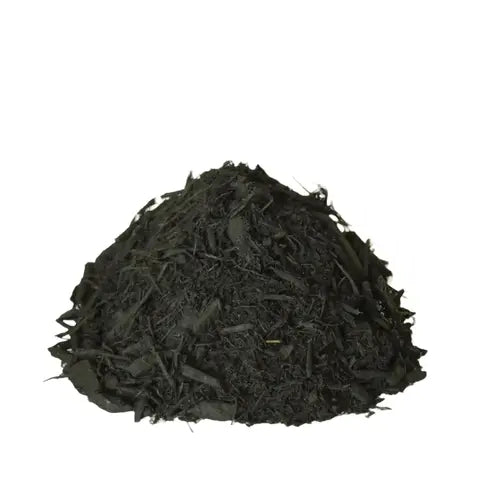
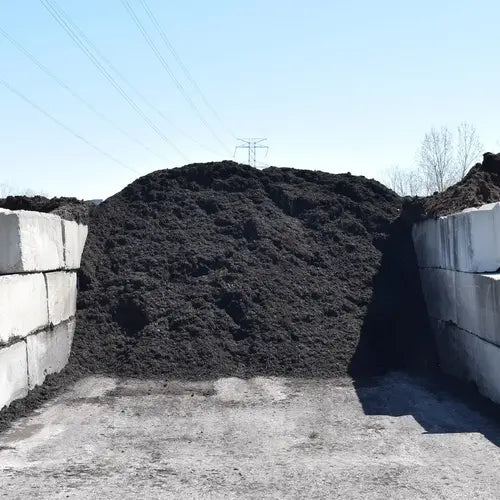
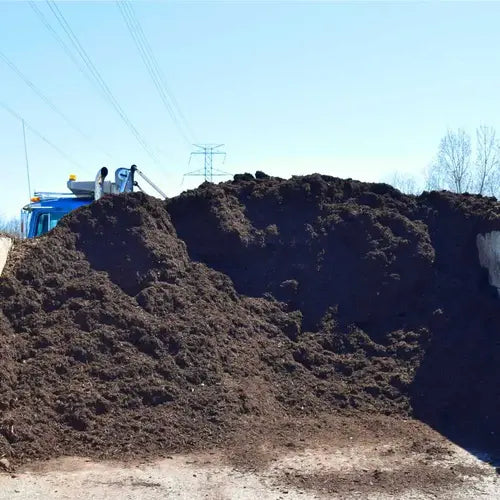
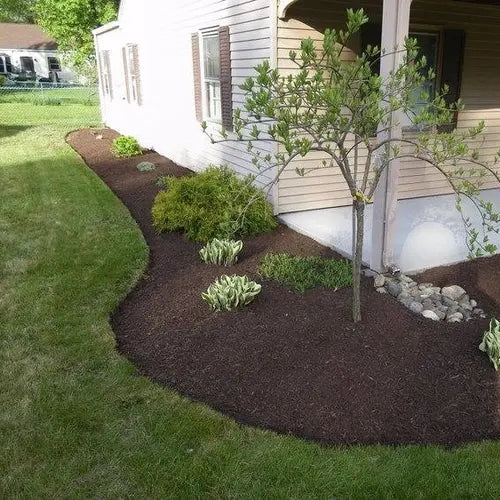
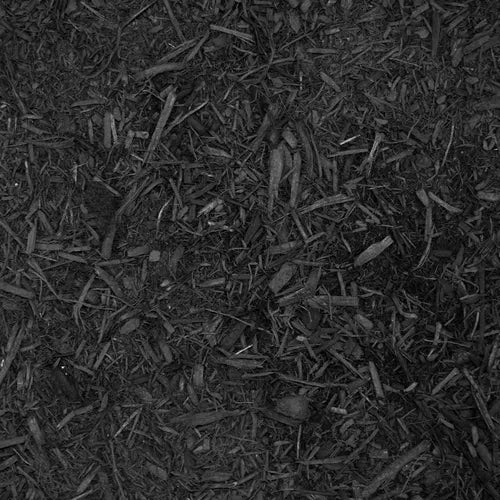
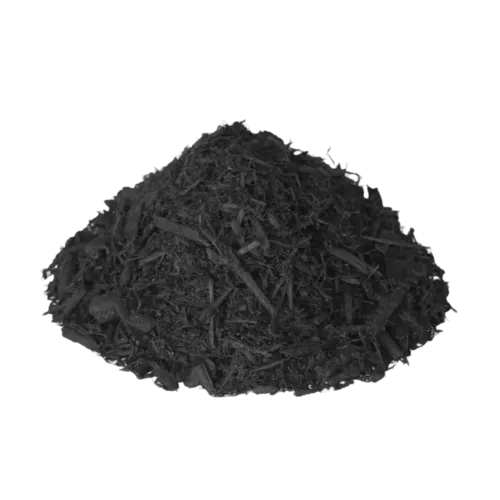
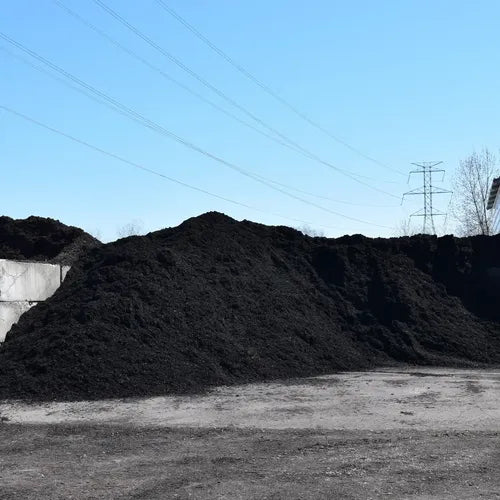
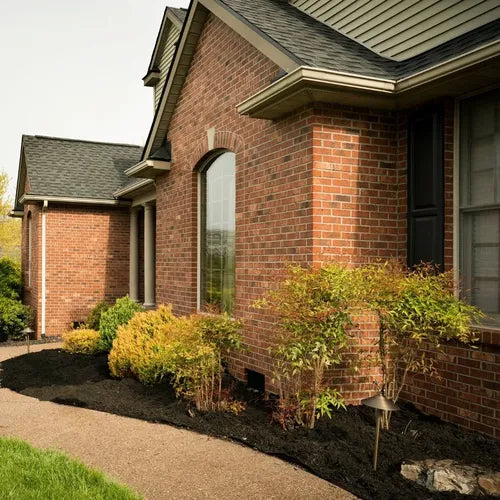
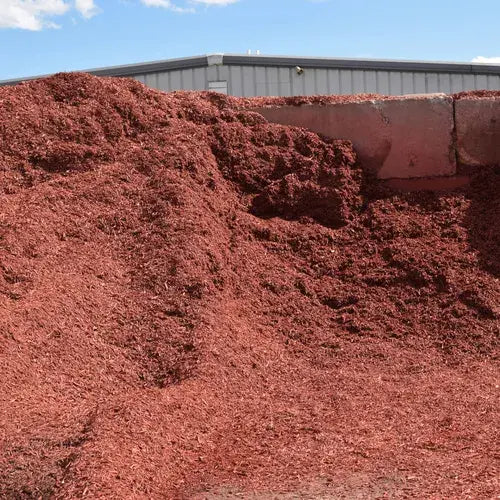
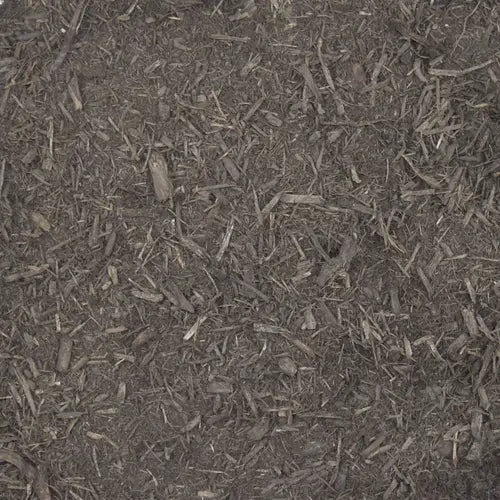
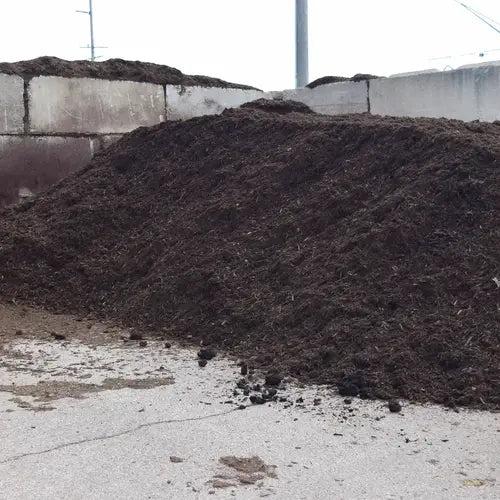
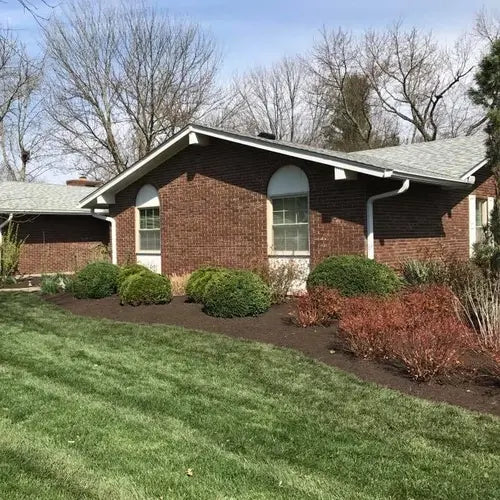
Bold black double shredded mulch that transforms beds instantly. The rich color holds strong through sun and rain, and the smooth texture spreads effortlessly.
We had a great experience today. This was our first time using Mulch Mound, and I found the price competitive and the online ordering very easy. We are impressed with the quality of the mulch, too! It is covering well - a great value!
Tell us what you're looking for
Thanks! We received your request.
Something went wrong. Please try again.
How Much Material Do I Need?
For Conroe's sandy clay soil, apply 3 inches of mulch in planting beds and 2 inches around established trees. These depths provide effective weed suppression and moisture retention without trapping excess humidity against stems during the area's wet spring months.
Use our free mulch calculator
What is a yard?
A yard is approximately 27 cubic feet. As a general guideline, one yard of material can cover an area of about 100-160 square feet at a 2-3 inch depth.
We can't take orders for this right now. Tell us what you need and we'll get back to you.
What do you need?
Thanks! We received your request.
Something went wrong. Please try again.
Hand-picked local yards
4,000+ regional deliveries
Dedicated support
Why order through Mulch Mound
The best local mulch, without the guesswork.
We hand-pick and partner with the best yards in your region, keep only the ones our buyers rate well, and back each load with our guarantee.
Mulch Mound Guarantee
If your mulch isn't the quantity or quality you ordered, we'll make it right.
About this mulch
Bold black double shredded mulch that transforms beds instantly. The rich color holds strong through sun and rain, and the smooth texture spreads effortlessly.
We had a great experience today. This was our first time using Mulch Mound, and I found the price competitive and the online ordering very easy. We are impressed with the quality of the mulch, too! It is covering well - a great value!
How Much Material Do I Need?
For Conroe's sandy clay soil, apply 3 inches of mulch in planting beds and 2 inches around established trees. These depths provide effective weed suppression and moisture retention without trapping excess humidity against stems during the area's wet spring months.
Use our free mulch calculator
What is a yard?
A yard is approximately 27 cubic feet. As a general guideline, one yard of material can cover an area of about 100-160 square feet at a 2-3 inch depth.
We had a great experience today. This was our first time using Mulch Mound, and I found the price competitive and the online ordering very easy. ...
Read full review
We had a great experience today. This was our first time using Mulch Mound, and I found the price competitive and the online ordering very easy. We are impressed with the quality of the mulch, too! It is covering well - a great value!
Great experience with mulch mound. Their online calculator made it easy to estimate how many yards of mulch I needed and delivery was quick. I woul...
Read full review
Great experience with mulch mound. Their online calculator made it easy to estimate how many yards of mulch I needed and delivery was quick. I would definitely recommend them for your future projects.
Measure the length and width of each bed in feet, then multiply those figures to get total square footage. For a 3-inch layer, divide square footage by 12 to get cubic feet, then divide by 27 to convert to cubic yards. Conroe beds with sandy clay soil benefit most from the full 3-inch depth, so order slightly more than your calculation suggests rather than falling short and leaving gaps in coverage.
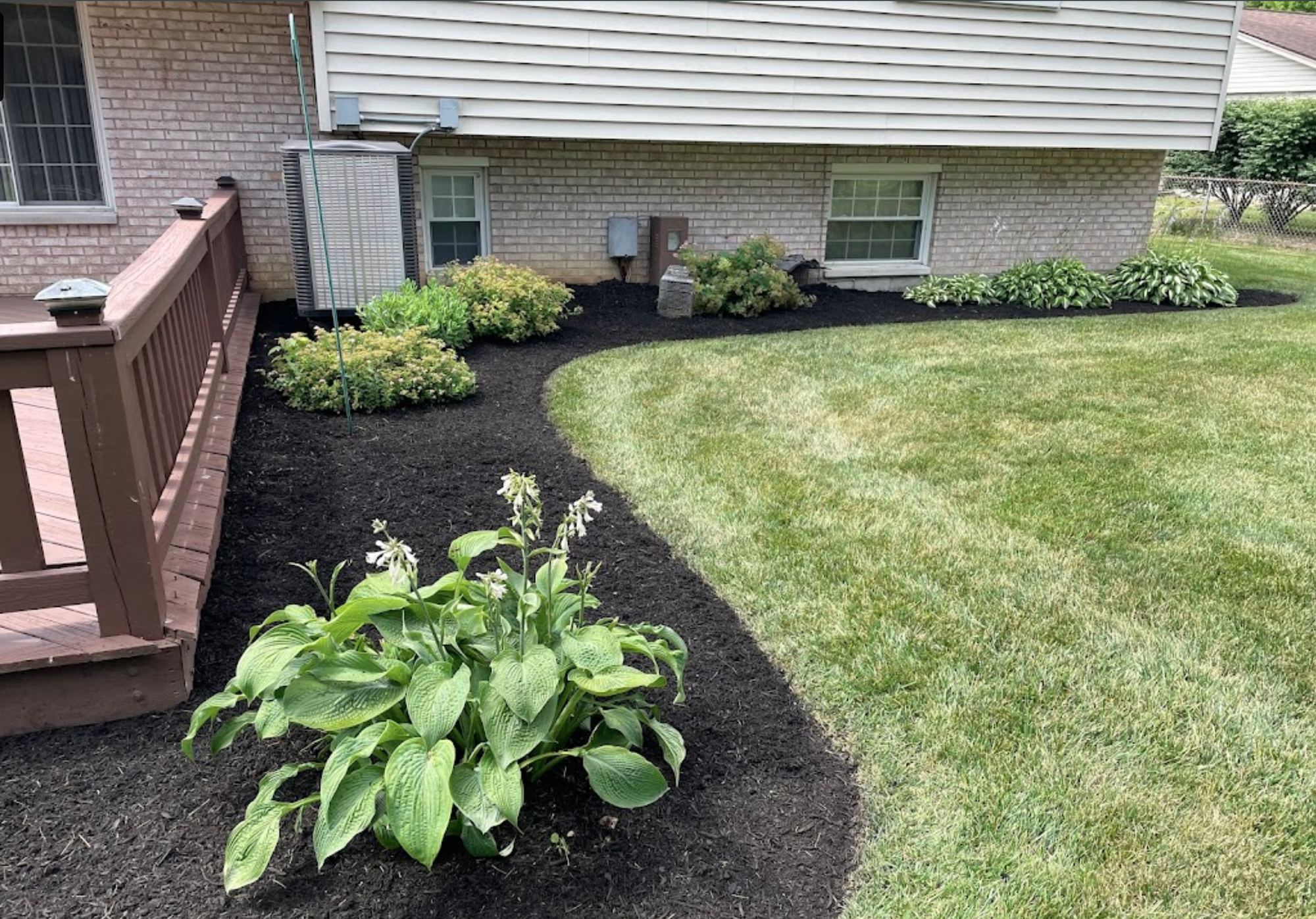
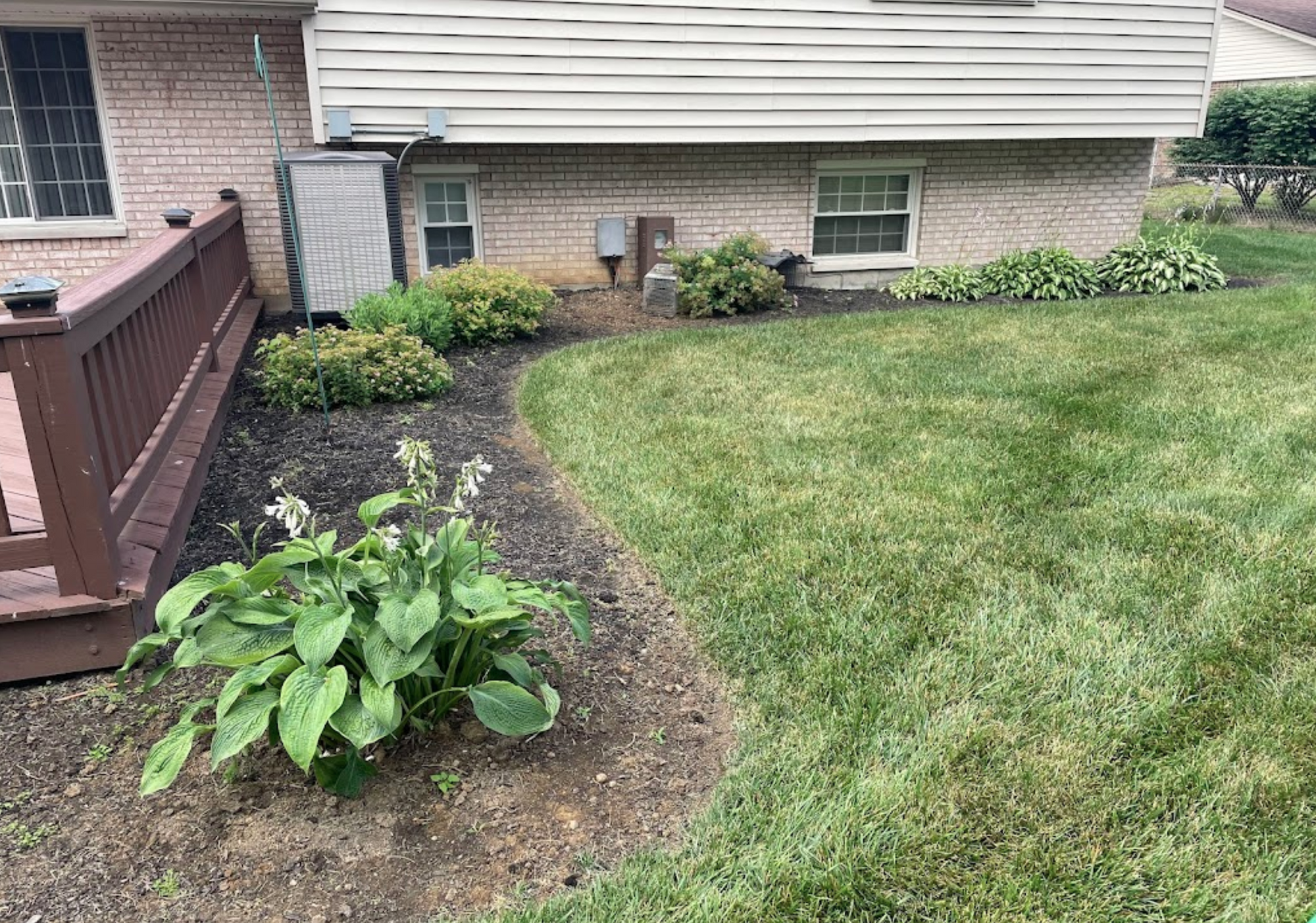
Mulch vs. No Mulch: The Difference
Conroe's combination of high heat and persistent humidity means all organic mulch breaks down faster than it would in cooler climates, but natural undyed mulch typically decomposes into the soil more readily because it has not been treated with colorant binders that slow that process. Dyed mulch offers longer-lasting visual color, which many homeowners value in Conroe's long growing season where beds are visible and in use nearly year-round. The choice comes down to whether soil improvement or sustained curb appeal is your primary goal, and many Conroe homeowners use natural hardwood in rear beds and dyed varieties in front-facing areas.
Before
After
Best Mulch Choice for Conroe Lawns
Most yards in the Conroe area sit on Sandy Clay type of soil. Conroe's sandy clay soil is prone to surface crusting during the dry stretches that occur between rain events, and that crust prevents water from soaking into plant root zones even when irrigation is applied. A consistent mulch layer over the bed surface keeps that crust from forming by protecting the soil from the direct impact of sun and hard rain.
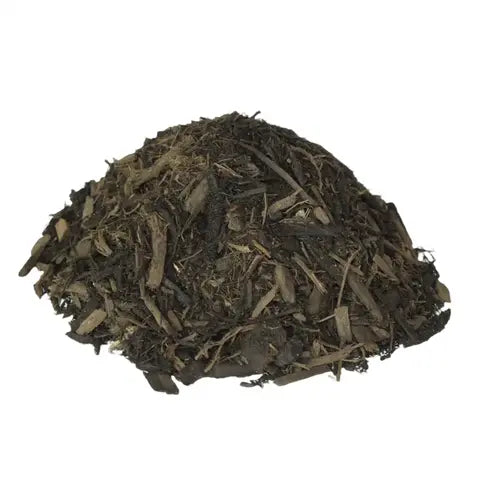
Hardwood Mulch
Hardwood mulch is especially valuable for Conroe's sandy clay because as it decomposes it introduces organic matter that binds with clay particles, improving soil structure and gradually increasing the drainage and aeration that compacted clay naturally lacks. Over two to three seasons of annual top-dressing, the texture of the top few inches of soil in your beds will noticeably improve and require less corrective watering.
Mulch Types We Deliver in Conroe
Mulch Mound offers bulk mulch delivery in Conroe by the cubic yard, making it easy to cover large landscape projects without hauling bags from the store. This part of Texas brings hot summers, heavy rains, and dense clay soils that make a proper mulch layer essential for keeping roots cool and moisture locked in.
Dyed Black Mulch
Available in double shredded and triple shredded styles, this mulch delivers a bold black finish that creates striking contrast against the lush green landscaping typical of east Texas yards. The color holds through heavy summer rain, and the fine texture spreads easily across large beds.
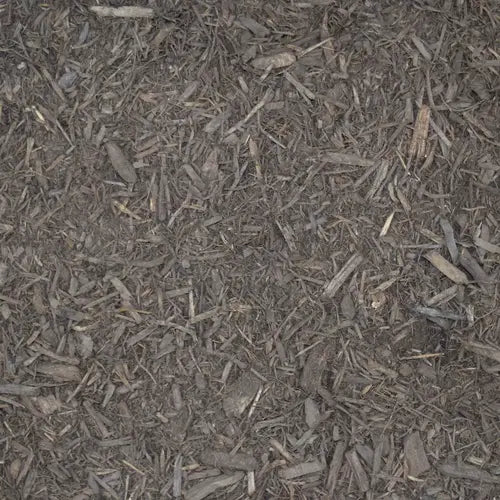
Natural Brown Mulch
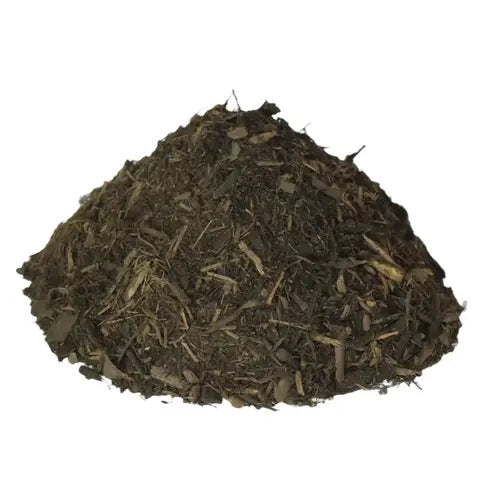
Natural Brown Mulch comes in double shredded and triple shredded options, making it simple to match the finish to your project. The warm, undyed tone pairs naturally with the heavy clay soils and mature shade trees common to this part of Texas, giving beds a clean, honest look without added colorants.
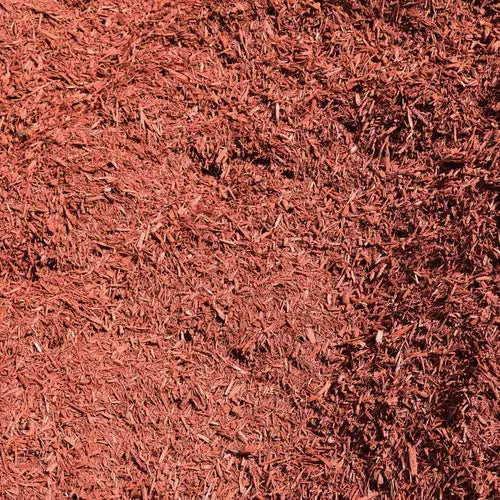
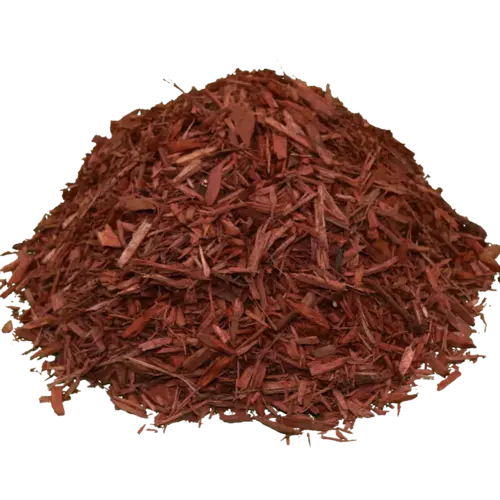
Dyed Red Mulch
Dyed Red Mulch is double shredded for a smooth, even texture that spreads quickly across large landscape beds. The vibrant red color stands out against the deep green foliage that thrives in the humid climate here, making it a favorite for homeowners who want curb appeal that commands attention from the street.
Cedar Mulch
Cedar Mulch is double shredded to release its natural oils more readily, helping to repel insects that are active year-round in the Texas heat. It resists decay longer than most wood mulches and carries a fresh, woody aroma that makes it a smart choice for ornamental beds and foundation plantings.
Complete Your Outdoor Mulch Project
If your beds need a structural boost before mulching, consider adding a layer of our bulk garden soil to improve the sandy clay profile first. For paths and borders around your mulched beds, our bulk stone options add a clean, low-maintenance edge that pairs naturally with wood tones and holds up through Conroe's wet seasons.
Keep mulch pulled back about 2 inches from the base of shrub stems and tree trunks. Conroe's humidity stays elevated through spring and fall, and mulch piled against bark traps moisture long enough to create ideal conditions for fungal crown rot. A small gap around the base of each plant costs nothing and protects the investment you have made in your landscape plants over the long growing season.
Mulch Mound Pro Tip
In Conroe's sandy clay soil, decomposing hardwood mulch functions as a slow-release soil amendment. As the bottom layer breaks down over 12 to 18 months, it introduces organic matter that loosens the clay fraction and gradually improves drainage and aeration. Every time you top-dress your beds you are simultaneously improving the soil beneath, which means your plants will perform measurably better each successive year without any additional effort on your part.
Mulch Mound Pro Tip
Conroe receives about 49 inches of rain annually, and a significant portion arrives in intense spring and summer storms. Fresh mulch can shift during heavy downpours if it is applied too loosely. When spreading a new delivery, lightly firm the surface by tamping with a rake held flat side down, especially along sloped bed edges. This simple step prevents mulch from washing into lawn areas or clogging nearby drainage channels after a hard rain.
Frequently Asked Questions
Click a question to see the answer
Answer
How thick should I apply mulch around my flower beds in Conroe?
For Conroe's sandy clay soil, a 3-inch layer is ideal for most flower beds. The clay fraction holds moisture reasonably well once you get below the surface crust, but that top inch can dry and crack quickly in July heat. Three inches of mulch keeps the surface moist, reduces cracking, and insulates roots without creating the waterlogged conditions that can develop if you pile on 4 or more inches over clay-heavy ground.
Answer
Will mulch help with the standing water I get after heavy rain?
Mulch itself will not fix standing water caused by Conroe's clay-influenced soil, but it does slow the pace at which surface compaction gets worse. When heavy rains hit bare sandy clay, the impact packs the surface and reduces infiltration over time. A good mulch layer absorbs the initial force of rainfall, letting water seep in more gradually rather than sheeting across the surface. For persistent standing water, pairing mulch with a drainage amendment in the soil beneath is a better long-term approach.
Answer
How often do I need to refresh mulch in Conroe's climate?
Plan on refreshing your mulch once a year, typically in late February or early March before the last frost date of March 16. Conroe's heat and humidity accelerate the breakdown of organic mulch faster than cooler climates would, so what looks like a healthy 3-inch layer in October may be down to an inch or less by the following spring. Refreshing annually keeps weed suppression effective through the long growing season and keeps beds looking tidy.
Answer
Does the color in dyed mulch hold up through Conroe summers?
Dyed mulch colors generally hold well for 8 to 12 months, but intense summer sun in Zone 9a will cause noticeable fading by late August even with quality colorants. If curb appeal is a priority, applying dyed mulch in early March, right after the last frost risk passes, gives you the best color through spring and into summer. A thin top-dress in fall can refresh the look heading into the holiday season without adding too much depth to the bed.
Answer
Is hardwood or pine mulch better for my Conroe landscape?
Both work well, but for most Conroe beds hardwood mulch is the stronger choice because it breaks down more slowly and adds beneficial organic matter to the sandy clay soil as it decomposes. Pine mulch is excellent around acid-loving plants like gardenias, azaleas, and camellias, which thrive in Conroe's climate and prefer a lower soil pH. For general beds of mixed shrubs and perennials on the typical Conroe lot, hardwood is more versatile and cost-effective.
Answer
When is the best time of year to mulch in Conroe?
The best window is late February through mid-March, just before the last frost date of March 16. Applying mulch at this time insulates soil that is still warming from winter, gives beds a clean look for the spring growing push, and puts weed suppression in place before warm-season weed seeds begin germinating in earnest. A secondary application in late October, after the first frost around November 25, helps protect perennial roots through the mild but occasionally sharp Conroe winters.
Answer
Can mulch help my plants survive Conroe's brutal summer heat?
Yes, it makes a meaningful difference. Soil temperatures in bare Conroe beds can exceed 100 degrees Fahrenheit at the surface during July and August, which stresses feeder roots and causes moisture to evaporate rapidly. A 3-inch mulch layer can reduce soil surface temperatures by 10 to 15 degrees, keeping root zones in a range where most landscape plants continue to function normally. Combined with Conroe's natural rainfall of nearly 49 inches per year, proper mulching can dramatically reduce the irrigation you need to keep beds healthy through the hottest months.
The Unique Landscape of Conroe
Conroe's sandy clay soil creates a frustrating cycle for homeowners: during dry stretches between rain events the ground hardens into a dense crust that repels water, and during heavy downpours that same surface sheds runoff rather than absorbing it. A consistent mulch layer breaks that cycle by shielding the soil from direct rainfall impact and moderating the extreme surface temperature swings that accompany Zone 9a summers. Without mulch, soil temperatures in July and August can stress feeder roots and accelerate moisture loss, undoing the benefit of Conroe's generous 49 inches of annual rainfall. Weed pressure here is relentless from the last frost around March 16 all the way through the long warm season, and a proper mulch depth significantly reduces germination of opportunistic seeds that thrive in bare ground. Because Conroe sits at 220 feet of elevation in the Piney Woods transition zone, organic mulches also gradually improve the native sandy clay as they break down, adding organic matter that loosens soil structure over time.