


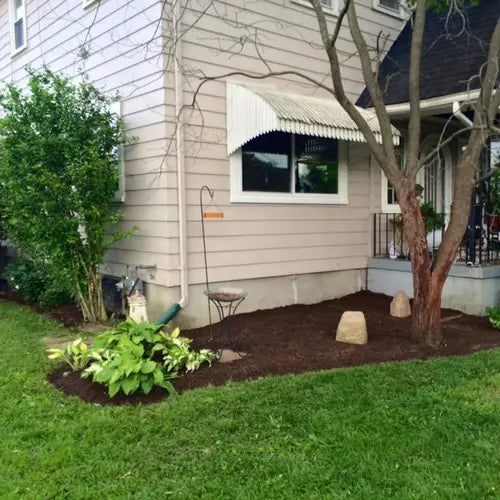
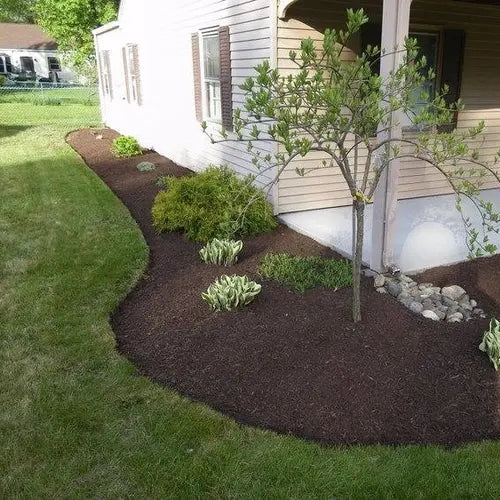

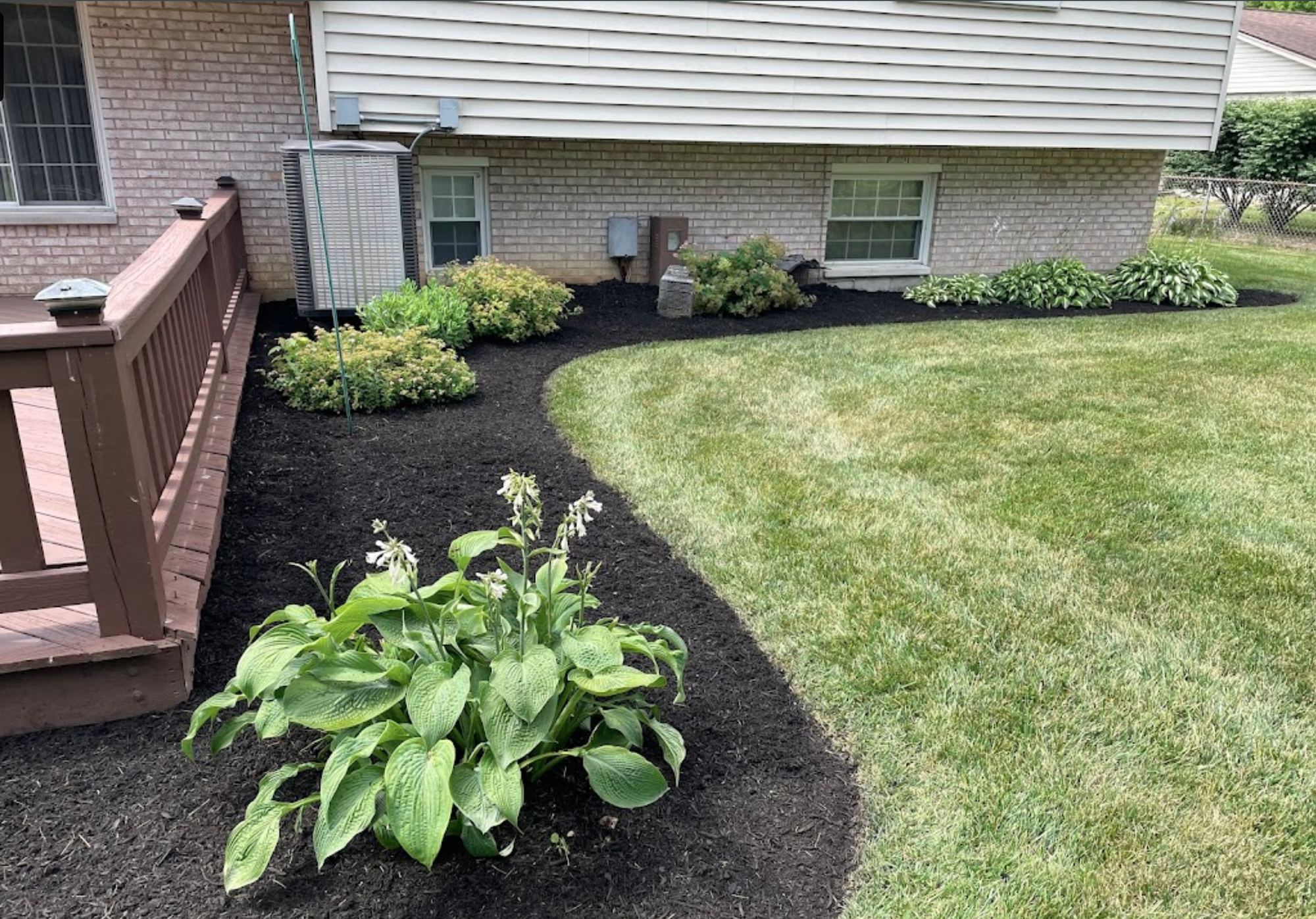
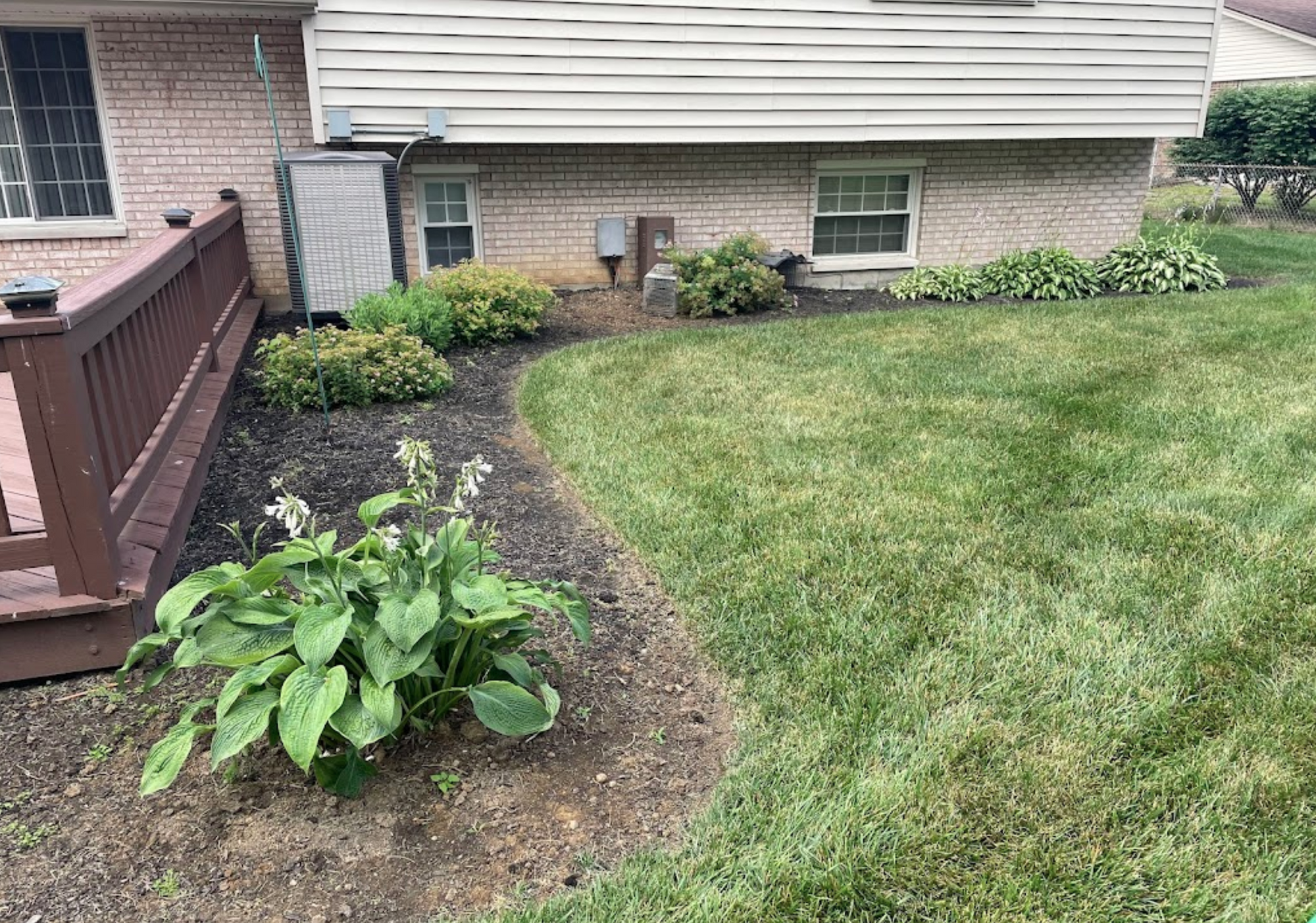
Our delivery was delayed but the new brown color mulch is a nice upgrade to our landscaping.
About this mulch
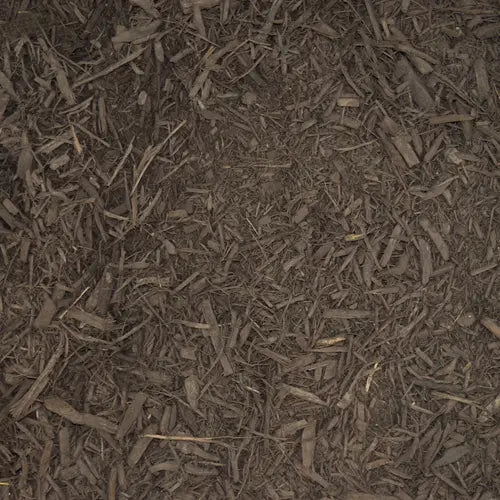
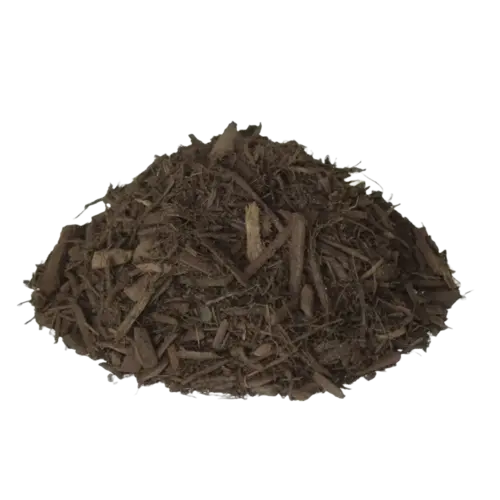
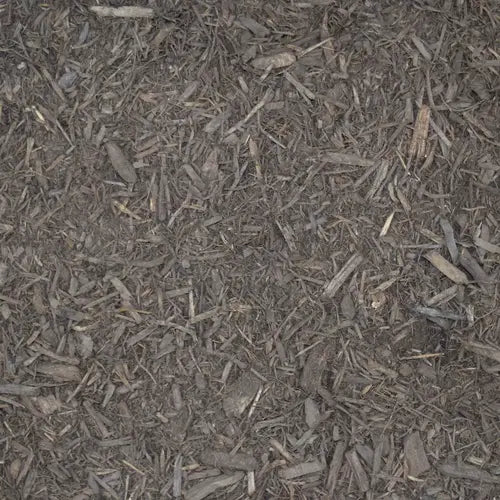
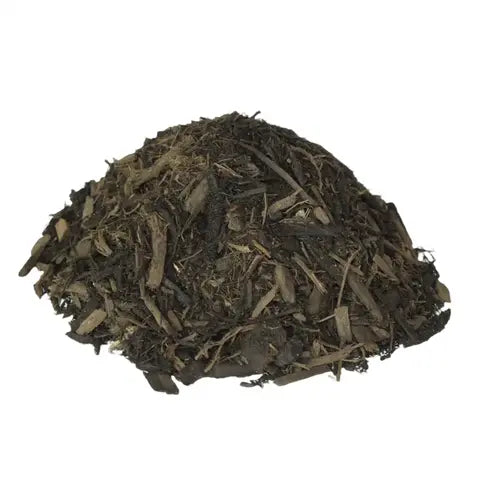
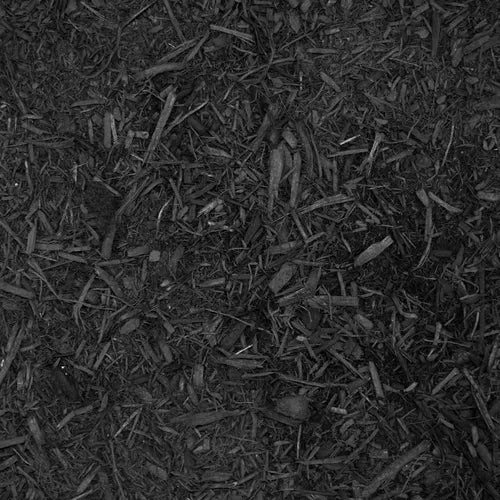
Warm brown double shredded mulch with lasting color that looks freshly applied for weeks. Spreads smooth, stays put, and gives beds a natural, polished appearance.
Our delivery was delayed but the new brown color mulch is a nice upgrade to our landscaping.
Tell us what you're looking for
Thanks! We received your request.
Something went wrong. Please try again.
How Much Material Do I Need?
How Much Material Do I Need?
For most Council Bluffs garden beds, a 3 to 4 inch layer of mulch is the right starting depth to adequately insulate the silt loam soil and suppress weed germination through the full growing season. Beds in high-traffic areas or spots exposed to heavy runoff during spring rains may benefit from a full 4 inch depth to maintain consistent coverage longer.
Use our free mulch calculator
What is a yard?
What is a yard?
FAQs
FAQs
Council Bluffs Mulch Delivery
Council Bluffs Mulch Delivery
Regular price
$65.00
per
yard
Regular price
Sale price
$65.00
Unit price
per
Shipping calculated at checkout.
Minimum of 3 yard
Couldn't load pickup availability
Not currently available
We can't take orders for this right now. Tell us what you need and we'll get back to you.
Hand-picked local yards
4,000+ regional deliveries
Dedicated support
Why order through Mulch Mound
The best local mulch, without the guesswork.
We hand-pick and partner with the best yards in your region, keep only the ones our buyers rate well, and back each load with our guarantee.
Mulch Mound Guarantee
If your mulch isn't the quantity or quality you ordered, we'll make it right.
About this mulch
Warm brown double shredded mulch with lasting color that looks freshly applied for weeks. Spreads smooth, stays put, and gives beds a natural, polished appearance.
Our delivery was delayed but the new brown color mulch is a nice upgrade to our landscaping.
How Much Material Do I Need?
How Much Material Do I Need?
For most Council Bluffs garden beds, a 3 to 4 inch layer of mulch is the right starting depth to adequately insulate the silt loam soil and suppress weed germination through the full growing season. Beds in high-traffic areas or spots exposed to heavy runoff during spring rains may benefit from a full 4 inch depth to maintain consistent coverage longer.
Use our free mulch calculator
What is a yard?
What is a yard?
FAQs
FAQs
Tell us what you're looking for
Thanks! We received your request.
Something went wrong. Please try again.
How It Works
Getting started is easy — just follow these simple steps
1
Choose your Mulch
Make sure you adjust the quantity to your home's needs. You can use our calculator to estimate how much you'll need.
2
Select your delivery date
Select a delivery date you'd like for the product to be dropped off at your home
3
Sit back and wait
Sit back, wait, and let us work our magic to make sure the highest quality product is delivered to your driveway.

Mulch Mound made it so easy! So happy with the pricing, turn around time, delivery and product. I submitted my online order on a Thursday. The mu...
Read full review
Mulch Mound made it so easy! So happy with the pricing, turn around time, delivery and product. I submitted my online order on a Thursday. The mulch was delivered to the designated location by a local landscape company at 8:30 a.m. the following Saturday morning. We had the job completed by that afternoon. We chose the natural brown mulch, and the plant beds are beautiful.

Good quality, great price, fast delivery. All online - no submitting forms and waiting for days for quotes.
Getting mulch should be this easy fr...
Read full review
Good quality, great price, fast delivery. All online - no submitting forms and waiting for days for quotes.
Getting mulch should be this easy from everyone. Only Mulch Mound is ACTUALLY this simple.
Calculate mulch for your Council Bluffs project
For Council Bluffs's Silt Loam type of soil, we recommend 2-3 inches for best weed suppression and moisture retention
Try Our CalculatorWhen estimating mulch for your Council Bluffs beds, measure the length and width of each bed in feet and multiply them together to get square footage, then factor in a depth of at least 3 inches to account for the silt loam's tendency to pull the surface layer down as it compacts over time. Keep in mind that mulch settles noticeably after the first few spring rain events, so ordering slightly more than your calculated minimum ensures you maintain effective coverage all season. Our calculator handles the math so you can order with confidence and avoid a second delivery trip.

Best Mulch Choice for Council Bluffs Lawns
Most yards in the Council Bluffs area sit on Silt Loam type of soil. Council Bluffs silt loam tends to form a tight crust on the surface after repeated wet and dry cycles, making it harder for water and oxygen to reach plant roots when beds are left bare between waterings.
Hardwood Mulch
As hardwood mulch breaks down into the silt loam beneath it, it gradually adds organic matter that loosens the soil structure, improves drainage between rain events, and increases the bed's ability to hold nutrients close to the root zone.
Mulch Types We Deliver in Council Bluffs
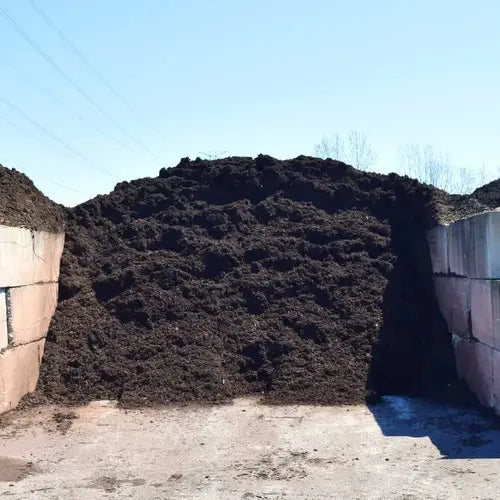
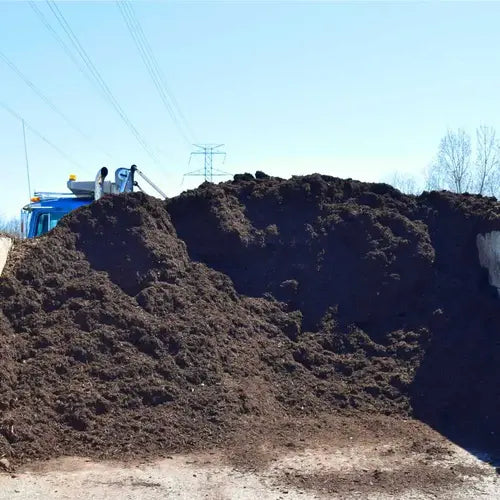
Mulch Mound offers bulk mulch delivery in Council Bluffs, bringing quality landscape material by the cubic yard straight to your address. Whether you are freshening up garden beds around a newer suburban home or protecting tree roots from Iowa's wide seasonal temperature swings, our double shredded varieties spread cleanly and stay in place all season.
Dyed Brown Mulch
Dyed Brown Mulch arrives in a warm, rich tone that holds its color through Iowa's hot summers and heavy spring rains. Available in double shredded form, it spreads smoothly with a fine, even texture that gives beds and borders a tidy, freshly maintained look that lasts well into fall.
Natural Brown Mulch
Natural Brown Mulch suits homeowners who prefer an undyed, organic look that blends with the region's clay-heavy soils and mature shade trees common across this part of Iowa. The double shredded cut produces a smooth, even surface that locks in moisture and breaks down gradually to enrich the soil below.
Complete Your Outdoor Mulch Project
If your beds need a foundation refresh before mulching, our bulk garden soil is a natural companion for building up planting depth in Council Bluffs's silt loam landscape, and our decorative stone works beautifully for edging, borders, and low-maintenance transition zones that frame your mulched beds.


Service area
Areas we deliver mulch in Council Bluffs, Iowa
Mulch Mound Pro Tip
Pull mulch back about 2 inches from the base of trees and shrubs before the first frost around October 15. Mulch packed against bark traps moisture through the winter and creates conditions for rot and pest damage. Council Bluffs winters bring repeated freeze-thaw cycles that keep trapped moisture moving in and out of the bark, which compounds the problem over multiple seasons. A small gap around every trunk lets air circulate and keeps woody plants healthier heading into spring.
Mulch Mound Pro Tip
Wait until after April 21, the average last frost date in Council Bluffs, before applying fresh mulch around new perennial transplants or freshly seeded areas. Mulching too early in spring insulates the soil and delays the warming that emerging plants depend on for early root development. Refreshing existing beds with a light layer in early April is generally fine, but hold off on deep applications around new plantings until daytime soil temperatures are consistently climbing.
Mulch Mound Pro Tip
Council Bluffs receives about 33 inches of rainfall per year, but that moisture is unevenly distributed, with dry stretches in late summer that put real stress on shallow-rooted plants. A consistent 3 to 4 inch mulch layer acts as a moisture buffer between those dry spells, slowing evaporation significantly on hot afternoons when bare silt loam can lose surface moisture within a matter of hours. Keeping beds covered from May through September is one of the most cost-effective ways to carry plants through an August dry stretch without daily supplemental watering.
The Unique Landscape of Council Bluffs
Council Bluffs sits in Zone 5b with a last frost around April 21 and a first frost arriving as early as October 15, leaving plant beds exposed to significant temperature swings on both ends of the growing season. The native silt loam soil in this area is especially vulnerable to surface crusting during dry periods, which reduces water absorption and leaves roots competing for moisture during the hot July and August stretches common here. With annual rainfall hovering around 33 inches, the right mulch layer becomes a critical tool for holding moisture in the root zone between rain events. Mulch also moderates soil temperature during the dramatic spring warm-up that follows a Council Bluffs winter, helping perennials break dormancy gradually rather than surging too early. Heavy spring rains common in the Missouri River valley can strip bare silt loam beds of nutrients through surface runoff, and a solid mulch layer significantly reduces that loss. Keeping beds properly mulched is one of the highest-return maintenance habits available to homeowners in this area.