




Ordered Dirt. Received Dirt. Would Buy Again.
About this soil
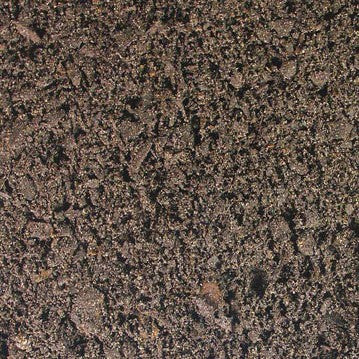
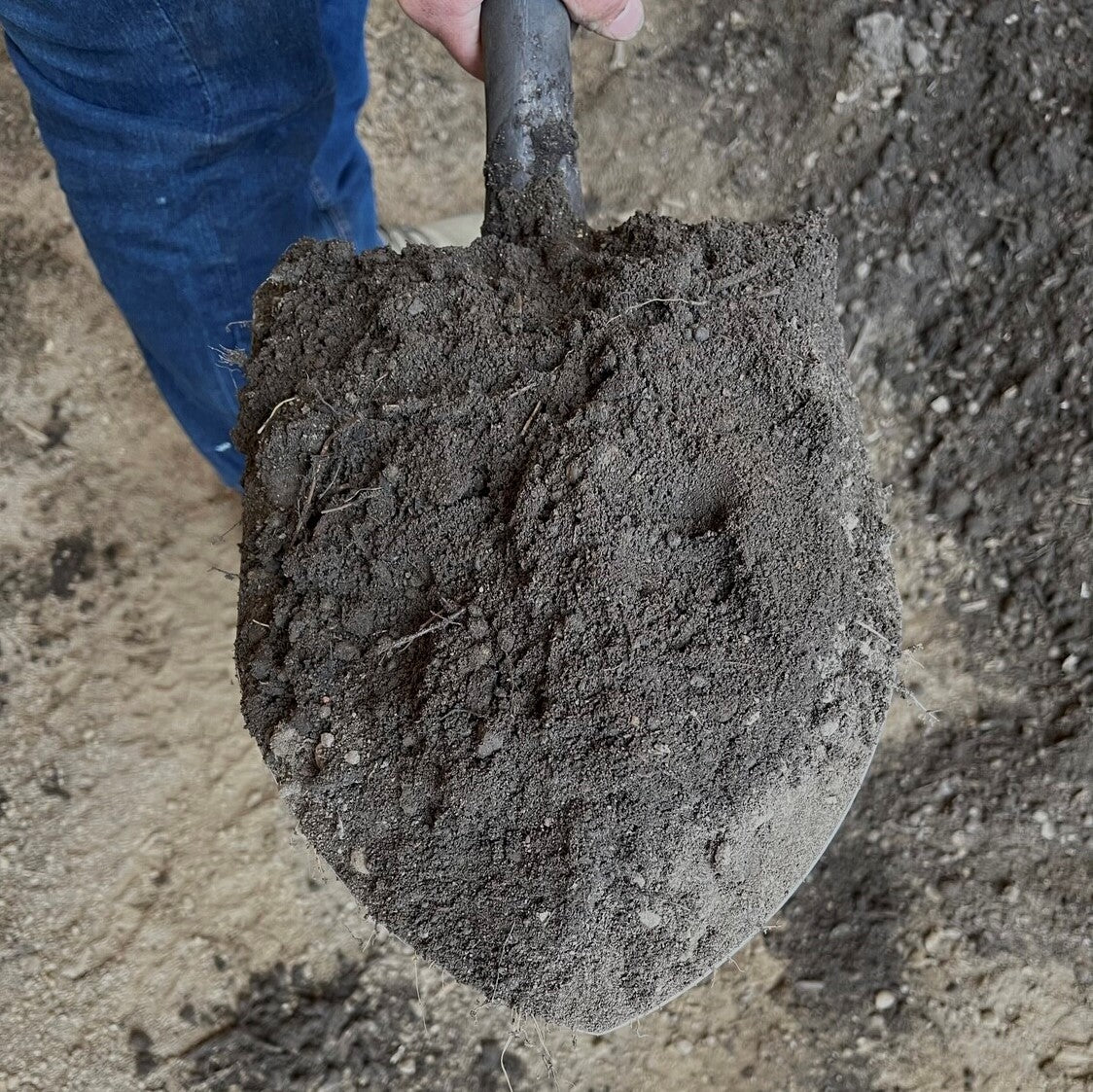
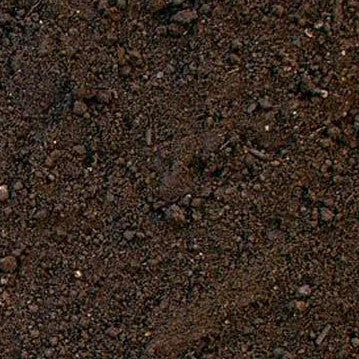
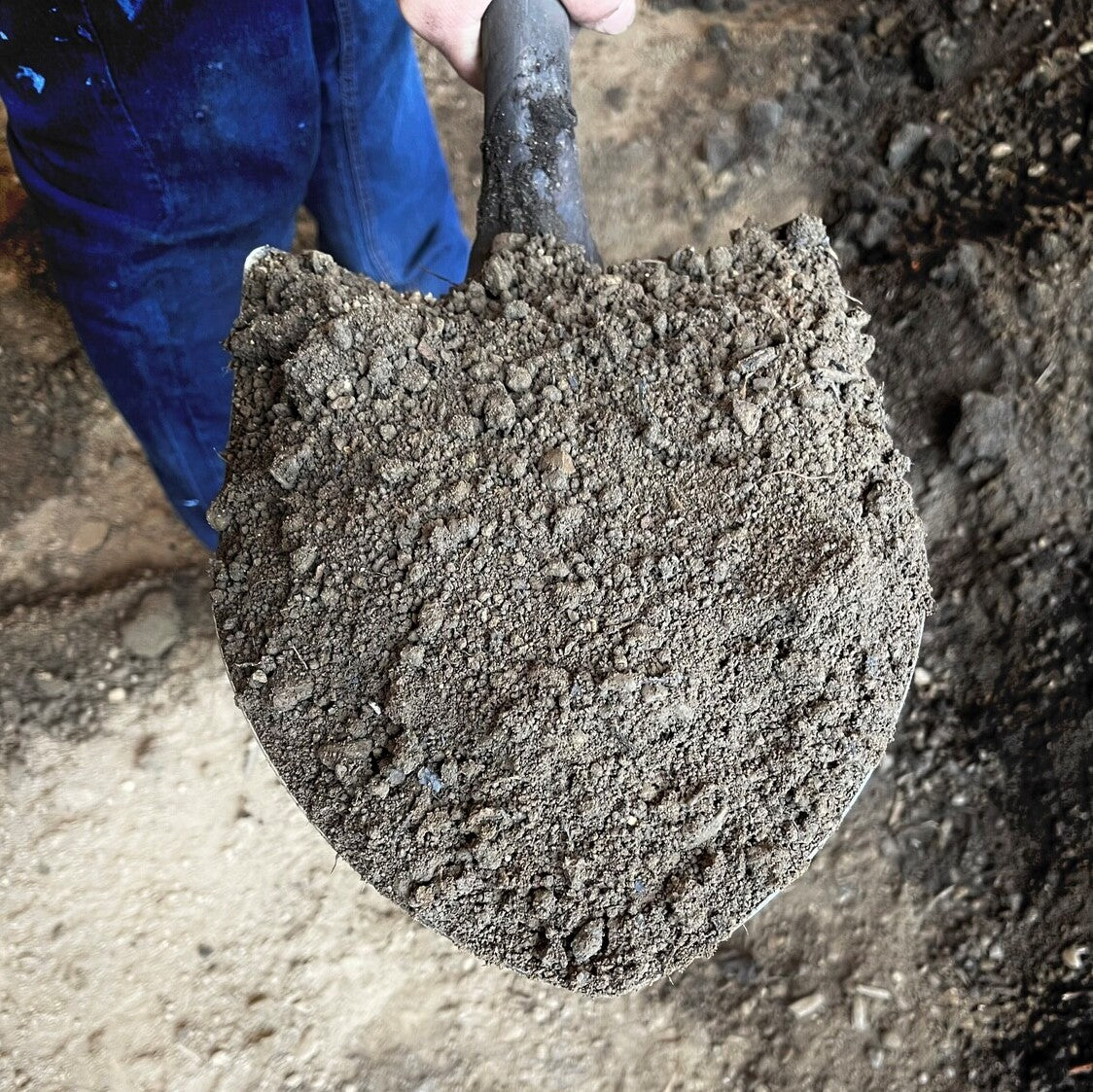
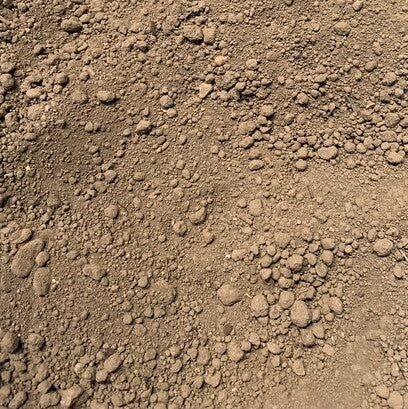
A balanced mix of topsoil and organic amendments ready for raised beds, flower gardens, and new planting areas. Good drainage, solid nutrients, easy to work with.
Ordered Dirt. Received Dirt. Would Buy Again.
Tell us what you're looking for
Thanks! We received your request.
Something went wrong. Please try again.
How Much Material Do I Need?
How Much Material Do I Need?
For raised garden beds in Council Bluffs, plan on at least 12 inches of quality bulk soil to give roots room to develop freely above the compaction-prone native silt loam. Lawn leveling projects typically call for a 1 to 2 inch topdress layer spread and raked evenly across low areas before overseeding for best turf establishment results.
Use our free soil calculator
What is a yard?
What is a yard?
What is a yards?
What is a yards?
FAQs
FAQs
Council Bluffs Soil Delivery
Council Bluffs Soil Delivery
Regular price
$105.00
per
yard
Regular price
Sale price
$105.00
Unit price
per
Shipping calculated at checkout.
Minimum of 3 yard
Couldn't load pickup availability
Not currently available
We can't take orders for this right now. Tell us what you need and we'll get back to you.
Hand-picked local yards
4,000+ regional deliveries
Dedicated support
Why order through Mulch Mound
The best local soil, without the guesswork.
We hand-pick and partner with the best yards in your region, keep only the ones our buyers rate well, and back each load with our guarantee.
Mulch Mound Guarantee
If your soil isn't the quantity or quality you ordered, we'll make it right.
About this soil
A balanced mix of topsoil and organic amendments ready for raised beds, flower gardens, and new planting areas. Good drainage, solid nutrients, easy to work with.
Ordered Dirt. Received Dirt. Would Buy Again.
How Much Material Do I Need?
How Much Material Do I Need?
For raised garden beds in Council Bluffs, plan on at least 12 inches of quality bulk soil to give roots room to develop freely above the compaction-prone native silt loam. Lawn leveling projects typically call for a 1 to 2 inch topdress layer spread and raked evenly across low areas before overseeding for best turf establishment results.
Use our free soil calculator
What is a yard?
What is a yard?
What is a yards?
What is a yards?
FAQs
FAQs
Tell us what you're looking for
Thanks! We received your request.
Something went wrong. Please try again.
How It Works
Getting started is easy — just follow these simple steps
1
Choose your soil
Make sure you adjust the quantity to your home's needs. You can use our calculator to estimate how much you'll need.
2
Select your delivery date
Select a delivery date you'd like for the product to be dropped off at your home
3
Sit back and wait
Sit back, wait, and let us work our magic to make sure the highest quality product is delivered to your driveway.


Placing an order online was so easy. Delivery was on time. When the driver realized we had a newly poured driveway they erred on the side of cautio...
Read full review
Placing an order online was so easy. Delivery was on time. When the driver realized we had a newly poured driveway they erred on the side of caution and opted not ti drive in it. The company even sent me a message explaining that call. Would recommend!
Need Help Calculating How Much Soil You Need?
Use our NEW Trace from Satellite tool to get an estimate for your project based on an aerial view of your property
Try Our CalculatorTo estimate soil for a Council Bluffs project, calculate the square footage of the area you are filling and multiply by the depth in feet to get cubic feet, then divide by 27 to convert to cubic yards. Raised vegetable beds typically need 12 to 18 inches of quality soil to support productive root growth above the native silt loam. For lawn leveling, plan for roughly 1 to 2 inches of topdress material spread evenly across the affected area and add a buffer for settling.
Soil Types We Deliver in Council Bluffs
Mulch Mound delivers bulk topsoil by the yard in Council Bluffs, making it easy to source the right soil for any project from new lawn prep to raised garden beds. Each order is measured by the cubic yard and hauled directly to your driveway or job site.
Screened Top Soil
Our screened topsoil is sifted to a fine, even texture that spreads and grades easily. It works well for new lawn installations, sod preparation, and raised garden beds. Council Bluffs lawns often benefit from added quality topsoil over the region's clay-heavy native ground, and this screened variety blends in cleanly.
Fill Dirt
Standard fill dirt is unscreened topsoil suited for grading, rough leveling, and filling low spots around yards, driveways, and building pads. It is a cost-effective base material for larger earthwork jobs where fine texture is not needed. Many Council Bluffs properties use fill dirt to address uneven terrain left by seasonal freeze and thaw cycles.
Gardening Blend
Our standard gardening blend mixes topsoil and organic amendments into a balanced growing medium for raised beds, flower gardens, and new planting areas. It drains well and works easily into garden rows, making it a practical choice for Iowa's growing season from spring planting through fall harvest.
Half Soil Half Compost
This premium blend combines equal parts topsoil and compost, creating a nutrient-rich mix that performs well in raised beds and vegetable gardens. The added compost improves the texture and fertility of Iowa's naturally dense soils, giving plants a healthy start through the full growing season.
Complete Your Outdoor Soil Project
Pair your bulk soil order with mulch to protect newly filled and planted beds through Council Bluffs's variable spring and fall temperature swings, and consider decorative stone for pathways or borders that keep foot traffic off freshly graded and seeded areas while they establish.


Service area
Areas we deliver soil in Council Bluffs, Iowa
Mulch Mound Pro Tip
If you are grading a sloped yard in Council Bluffs, work in layers and allow each pass to settle before adding more material rather than dumping the full load at once. The silt loam already present on your property shifts on inclines during heavy spring rains, and fresh loose soil placed on top without time to integrate can migrate before it stabilizes. Grade in stages, give each layer a few rain events to settle, and then move forward with seeding or sod.
Mulch Mound Pro Tip
Build your raised beds in early April so the soil has time to warm before the April 21 average last frost date in Council Bluffs. Bulk soil in a raised frame warms significantly faster than in-ground silt loam because air circulates around all sides, giving you a meaningful head start on planting warm-season crops like tomatoes, peppers, and squash. This temperature advantage is one of the most practical reasons to invest in raised bed construction in Zone 5b.
Mulch Mound Pro Tip
After filling new beds or leveling areas with bulk soil, water the surface thoroughly and allow several days to settle before doing your final grade or planting. Council Bluffs spring rain patterns often handle this naturally, but a dry April can leave loose soil deceptively uneven beneath a smooth surface. Taking time to let the material consolidate before planting prevents low spots from forming around root zones and ensures more consistent drainage across the entire bed.
The Unique Landscape of Council Bluffs
Council Bluffs homeowners working in Zone 5b often find that the native silt loam in their yards, while reasonably fertile in natural conditions, lacks the structure and drainage needed to support productive raised beds, stable sloped lawns, and new planting areas after construction disturbance. Silt loam compacts readily under foot traffic and equipment, making grading and lawn leveling more difficult if the right fill material is not used. The Missouri River valley terrain around Council Bluffs creates sloped lots in many neighborhoods where topsoil loss from runoff is an ongoing concern. With a growing season running from late April through mid-October, getting beds properly built and graded before planting makes a measurable difference in how well plants establish their root systems. Quality bulk soil also provides the organic-rich foundation that Council Bluffs silt loam often lacks in the top few inches after years of lawn use, erosion, or site preparation work. Building with the right soil sets up every other investment in your landscape, from grass seed to garden transplants to established shrubs.