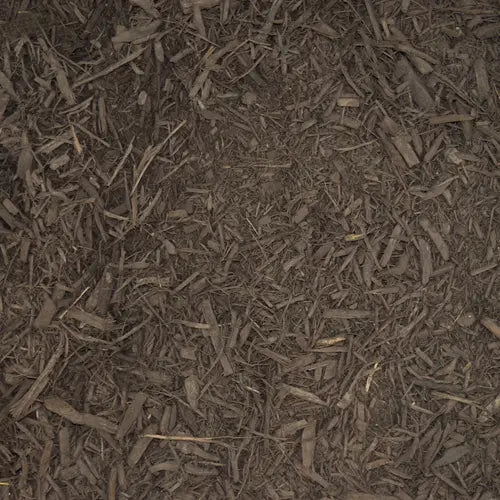
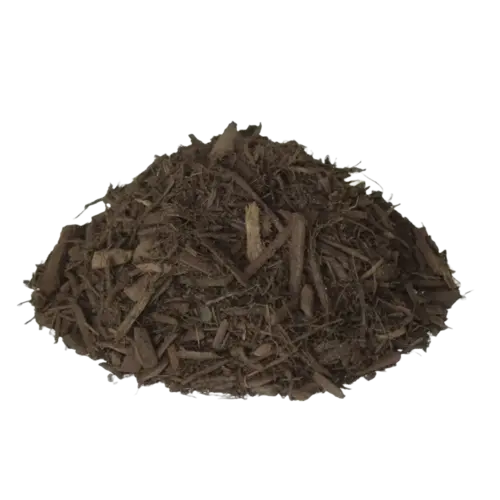
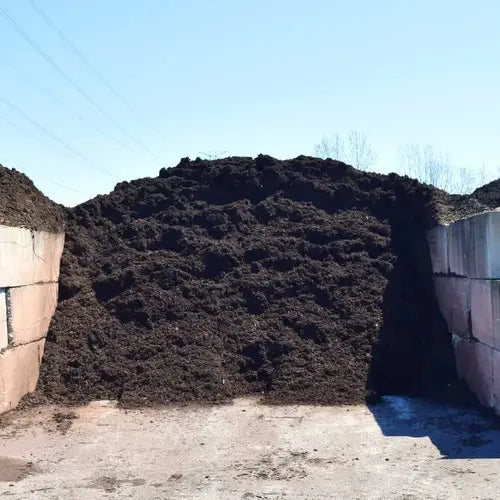
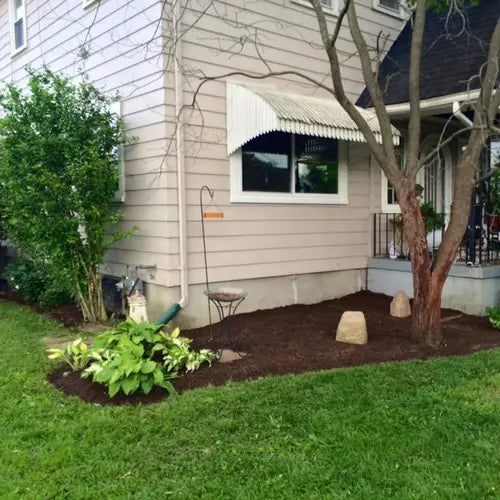
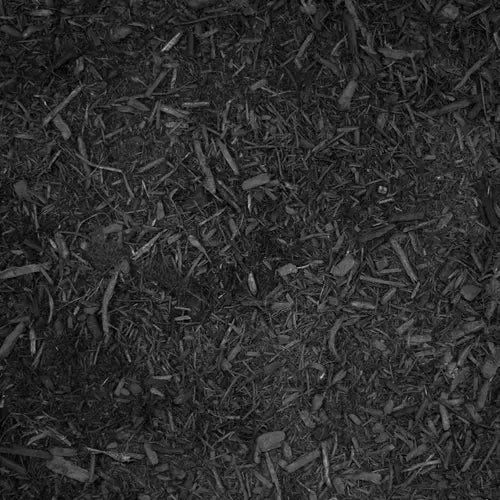
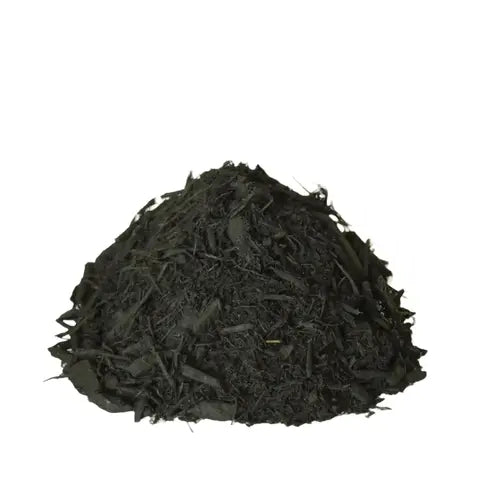
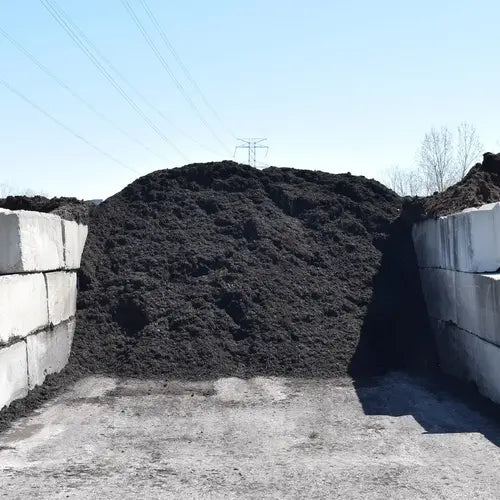
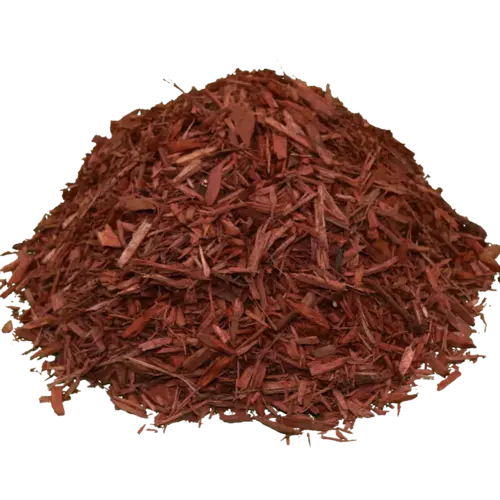
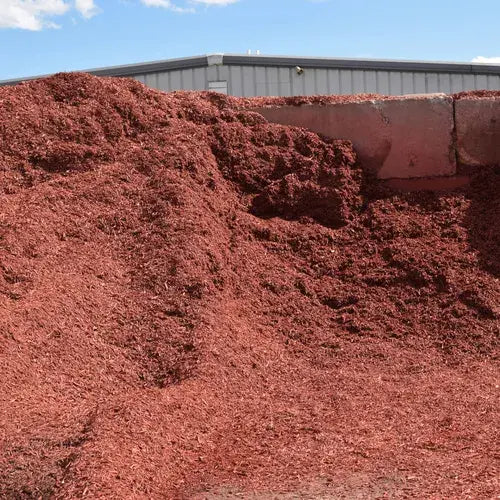
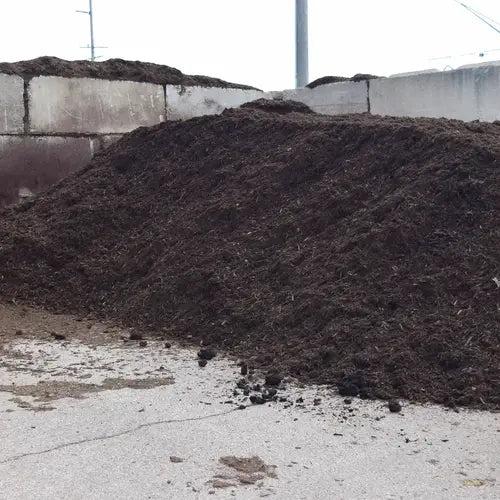
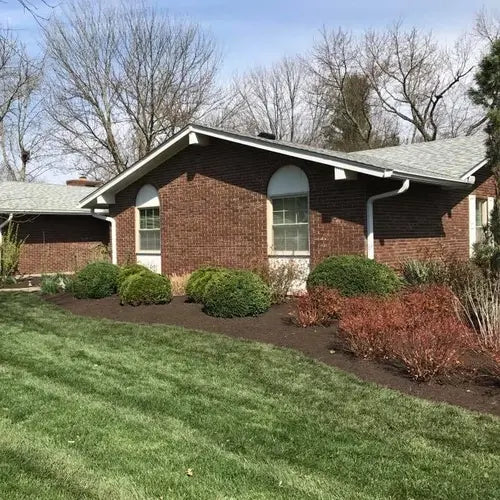
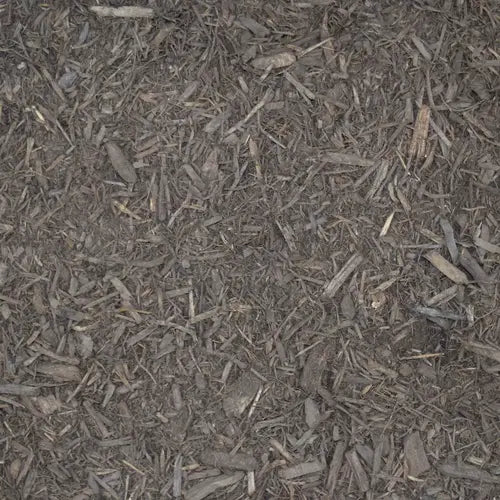
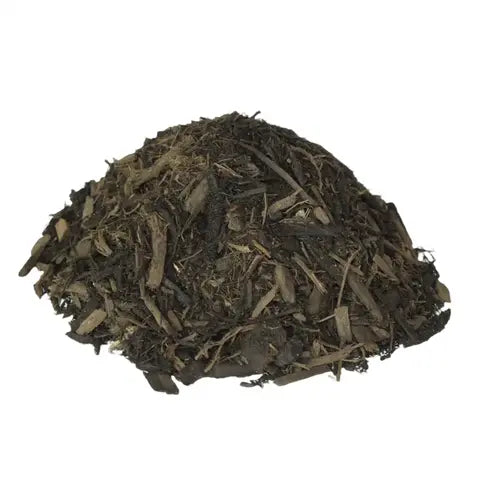
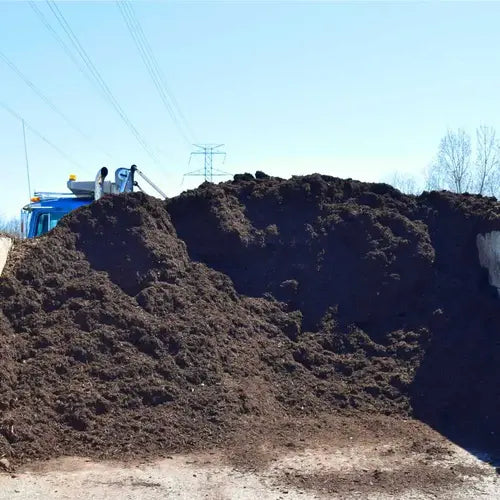
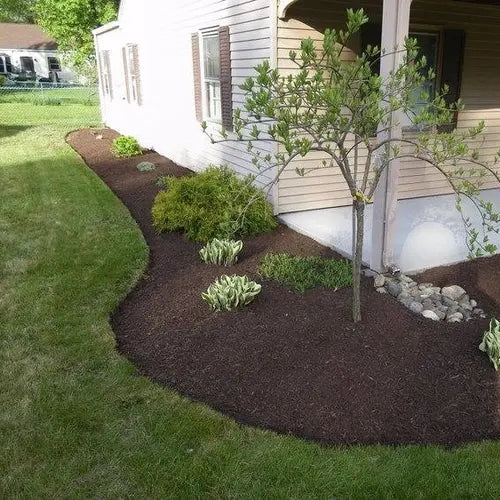
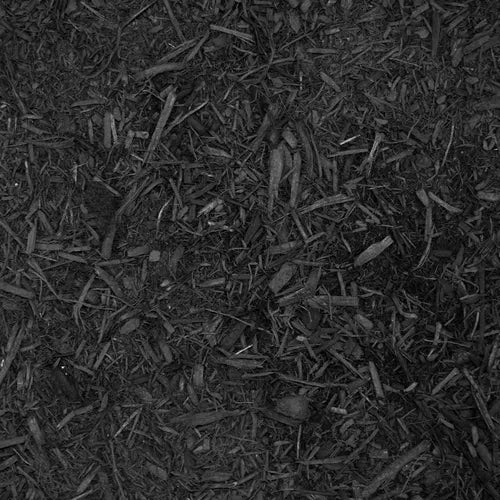
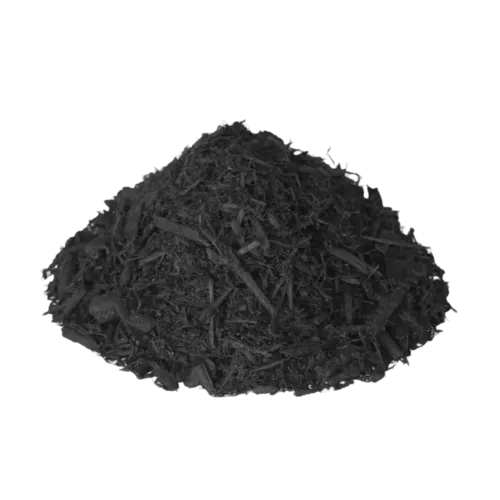
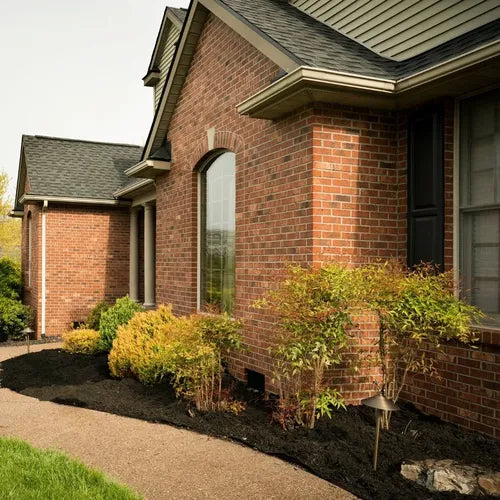
Warm brown double shredded mulch with lasting color that looks freshly applied for weeks. Spreads smooth, stays put, and gives beds a natural, polished appearance.
Good quality, great price, fast delivery. All online - no submitting forms and waiting for days for quotes. Getting mulch should be this easy from everyone. Only Mulch Mound is ACTUALLY this simple.
Tell us what you're looking for
Thanks! We received your request.
Something went wrong. Please try again.
How Much Material Do I Need?
In Cranston's sandy loam, a 3 to 4 inch mulch layer is the practical minimum to provide meaningful moisture retention and weed suppression through the growing season. Going thinner than 3 inches leaves the soil vulnerable to rapid drying between the rain events that are spaced unevenly throughout the year.
Use our free mulch calculator
What is a yard?
A yard is approximately 27 cubic feet. As a general guideline, one yard of material can cover an area of about 100-160 square feet at a 2-3 inch depth.
We can't take orders for this right now. Tell us what you need and we'll get back to you.
What do you need?
Thanks! We received your request.
Something went wrong. Please try again.
Hand-picked local yards
4,000+ regional deliveries
Dedicated support
Why order through Mulch Mound
The best local mulch, without the guesswork.
We hand-pick and partner with the best yards in your region, keep only the ones our buyers rate well, and back each load with our guarantee.
Mulch Mound Guarantee
If your mulch isn't the quantity or quality you ordered, we'll make it right.
About this mulch
Warm brown double shredded mulch with lasting color that looks freshly applied for weeks. Spreads smooth, stays put, and gives beds a natural, polished appearance.
Good quality, great price, fast delivery. All online - no submitting forms and waiting for days for quotes. Getting mulch should be this easy from everyone. Only Mulch Mound is ACTUALLY this simple.
How Much Material Do I Need?
In Cranston's sandy loam, a 3 to 4 inch mulch layer is the practical minimum to provide meaningful moisture retention and weed suppression through the growing season. Going thinner than 3 inches leaves the soil vulnerable to rapid drying between the rain events that are spaced unevenly throughout the year.
Use our free mulch calculator
What is a yard?
A yard is approximately 27 cubic feet. As a general guideline, one yard of material can cover an area of about 100-160 square feet at a 2-3 inch depth.
Good quality, great price, fast delivery. All online - no submitting forms and waiting for days for quotes. Getting mulch should be this easy fr...
Read full review
Good quality, great price, fast delivery. All online - no submitting forms and waiting for days for quotes. Getting mulch should be this easy from everyone. Only Mulch Mound is ACTUALLY this simple.
I highly recommend Mulch Mound. The quality of the mulch is very good. The ordering system on their website makes it very easy. The delivery driver...
Read full review
I highly recommend Mulch Mound. The quality of the mulch is very good. The ordering system on their website makes it very easy. The delivery driver did a great job placing the mulch on the driveway. To finish off, the pricing was very reasonable as well.
They offered a quick turnaround and delivered high quality mulch at a reasonable price. They also dropped it off exactly where I told them to put i...
Read full review
They offered a quick turnaround and delivered high quality mulch at a reasonable price. They also dropped it off exactly where I told them to put it. Good service!
Measure the length and width of each bed in feet and multiply to get square footage, then add all your bed areas together before calculating your total volume. For Cranston's sandy loam, we suggest targeting a 3 to 4 inch depth, so divide your total square footage by 81 to estimate cubic yards at 4 inches. Having a slightly generous estimate is better than running short mid-project, especially if you are mulching just before a stretch of dry summer weather.
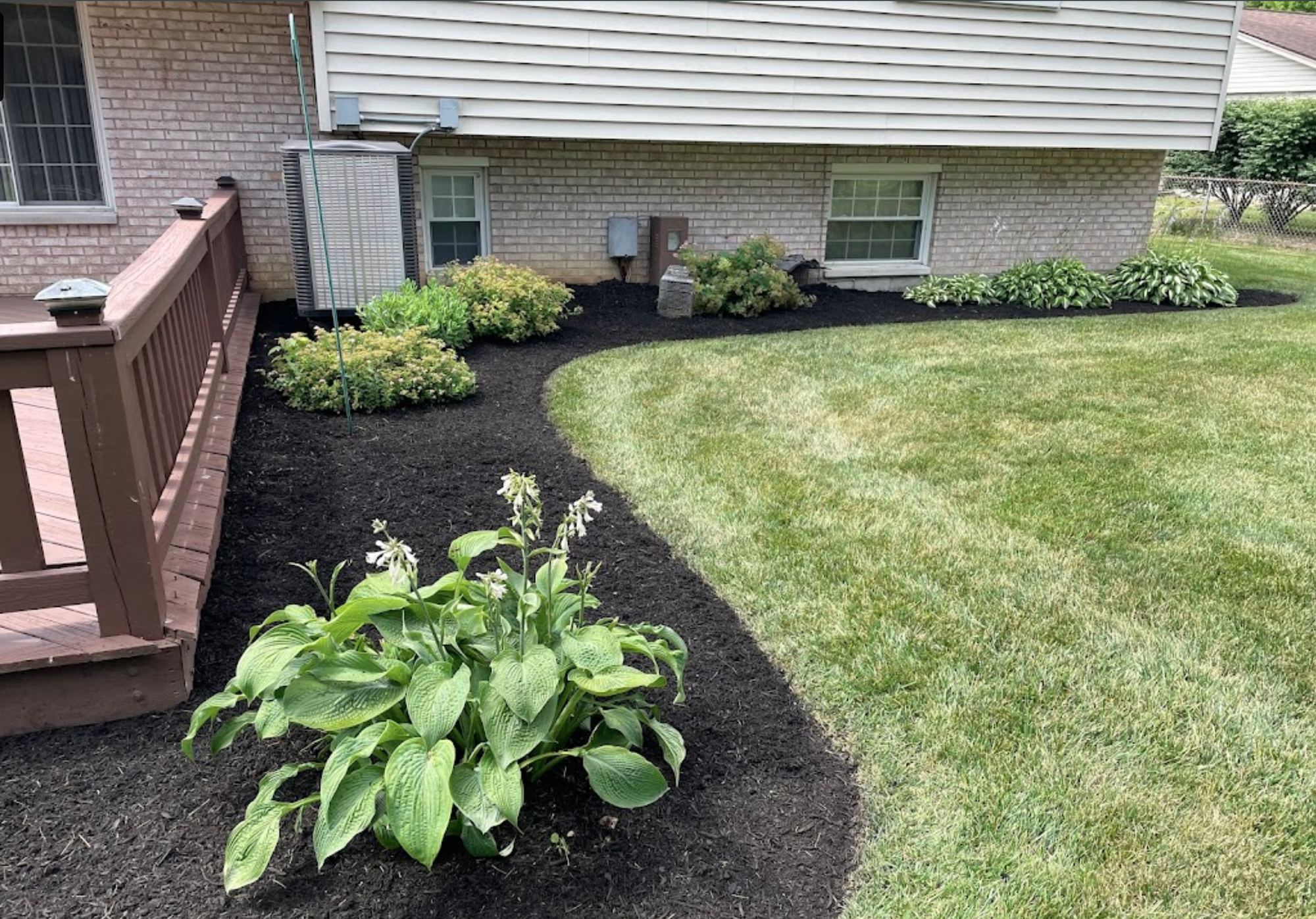
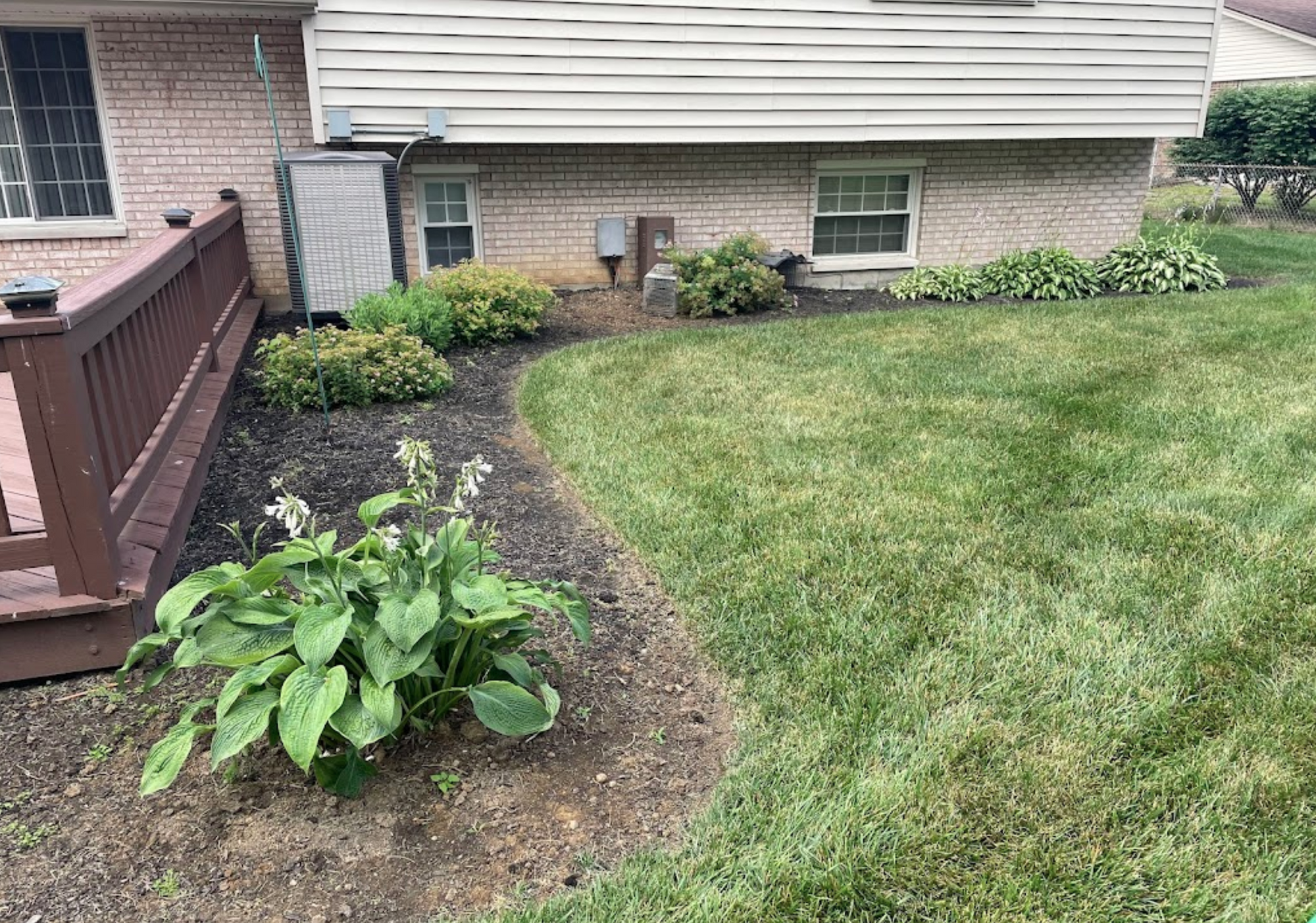
Mulch vs. No Mulch: The Difference
Cranston's 45 inches of annual rainfall and warm zone 6b summers mean that both natural and dyed mulches will fade and break down noticeably over a single growing season. Natural hardwood mulch starts with an earthy brown tone that weathers to a soft gray, blending naturally into the landscape as it begins feeding the sandy loam soil below. Dyed mulches hold their color longer through rainy stretches, which many Cranston homeowners find appealing for high-visibility foundation beds that face the street and need to look sharp from curb level.
Before
After
Best Mulch Choice for Cranston Lawns
Most yards in the Cranston area sit on Sandy Loam type of soil. Cranston's sandy loam soil holds nutrients loosely and dries out quickly during dry spells, making consistent mulch coverage essential for keeping plant beds productive and healthy through the summer months. Without a protective layer, exposed sandy loam loses moisture rapidly and its fine texture can erode or blow away during the heavier wind and rain events that Rhode Island sees each year.
Hardwood Mulch
Hardwood mulch is particularly well-matched to Cranston's sandy loam because as it decomposes it adds the organic matter that this soil type naturally lacks. That slow release of humus gradually improves the soil's ability to hold both water and nutrients, working directly against the fast-draining tendencies that make sandy loam challenging for established perennials and shrubs season after season.
Mulch Types We Deliver in Cranston
Mulch Mound offers bulk mulch delivery in Cranston by the cubic yard, so homeowners and landscapers get exactly what their project needs without paying for excess bags. We carry a full range of decorative and natural options, loaded fresh and dropped at your driveway so you can get straight to work.
Dyed Black Mulch
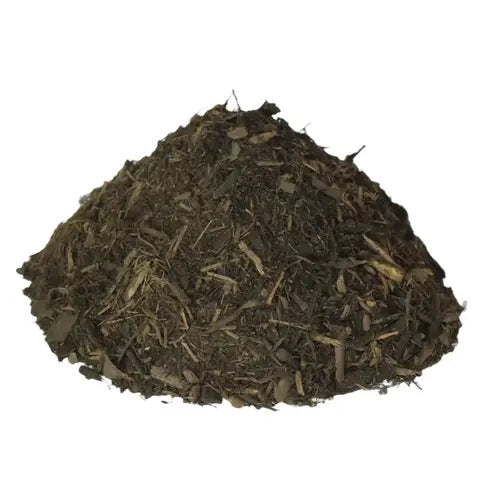
Bold black double shredded mulch that makes planting beds stand out against the pale foundations and white trim common on homes throughout this part of Rhode Island. The rich color holds through the region's wet springs and humid summers, and the fine texture spreads easily around shrubs and perennials.
Natural Brown Mulch
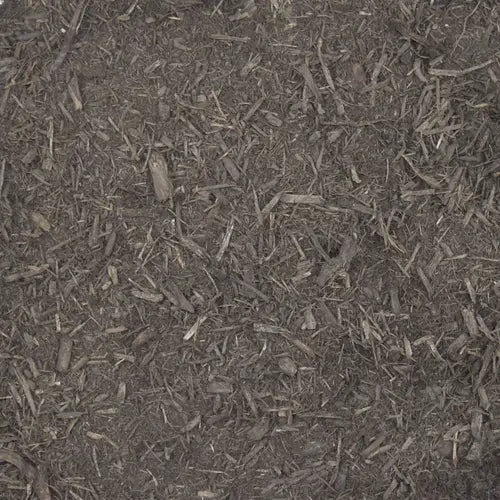
Available in double or triple shredded cuts, this natural hardwood mulch suits gardeners who want soil health alongside a tidy appearance. The triple shredded option breaks down into the clay rich soils common in this region, improving drainage and adding organic matter that supports plants through cold New England winters.
Dyed Brown Mulch
Warm brown double shredded mulch that blends naturally with the wooded lots and earthy landscaping found across this area. The color stays fresh for weeks rather than fading quickly, which matters given the region's rainy spring season. A clean, polished choice for front yard beds and foundation plantings.
Dyed Red Mulch
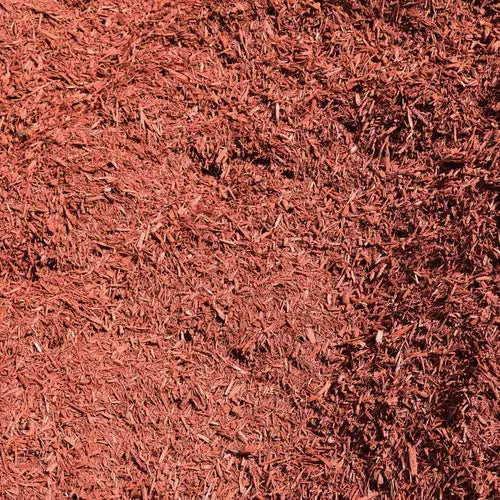
Vibrant red double shredded mulch that adds a dramatic pop of color against the dark green foliage typical of New England summer landscapes. Homeowners with lighter stone borders or concrete edging find this color especially striking. The bold hue holds its intensity through sun and seasonal rain without fading quickly.
Complete Your Outdoor Mulch Project
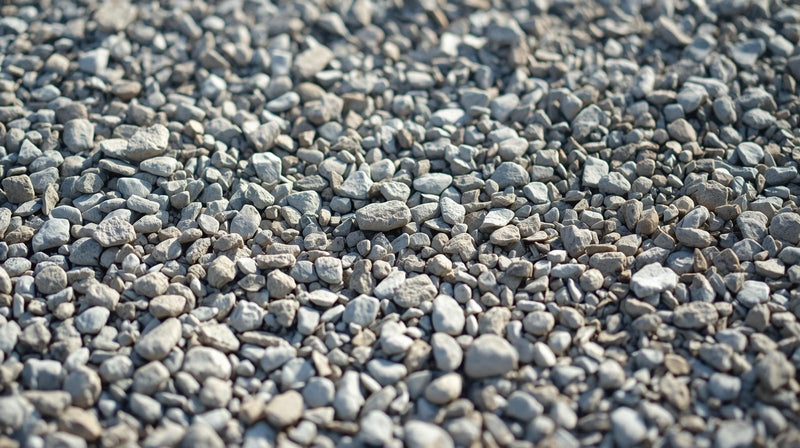
If you are refreshing your beds this season, pairing mulch with a quality garden soil amendment helps rebuild the nutrient base that Cranston's sandy loam naturally lacks over time. Adding stone edging or border gravel around your mulched beds also keeps material in place during the heavier rain events that move through Rhode Island each spring and fall.
Cranston's sandy loam warms up quickly in spring, which is great for early planting but also means weed seeds germinate fast once temperatures climb. Apply your mulch layer in the last week of April, right after the April 15 last frost window closes, to smother germinating weeds before they establish. Targeting that narrow timing each year makes a noticeable difference in how clean your beds stay all the way through September without constant hand-weeding.
Mulch Mound Pro Tip
Hardwood mulch does double duty in Cranston because as it breaks down it contributes organic matter to the sandy loam soil, which naturally has a lower organic content than heavier clay soils found elsewhere in New England. Over several seasons of consistent mulching, you will notice the top few inches of your soil becoming darker, more crumbly, and better at holding moisture on its own. This cumulative improvement makes each subsequent growing season a little easier for your plants to thrive.
Mulch Mound Pro Tip
With 45 inches of annual rainfall in Cranston, one underappreciated challenge is mulch migrating out of beds during heavy downpours that move through Rhode Island in spring and fall. Installing a simple edging border around your beds, whether metal, stone, or plastic, helps keep mulch contained even after a hard storm. Checking bed edges after significant rain events and pushing escaped material back into place takes only a few minutes and keeps the landscape looking intentional all season long.
Frequently Asked Questions
Click a question to see the answer
Answer
How thick should I apply mulch in Cranston given the sandy soil we have here?
Because Cranston's sandy loam drains so freely, we recommend applying mulch at a depth of 3 to 4 inches in most planting beds. That extra depth compensates for how quickly the soil loses moisture and helps maintain an even temperature as the ground heats up in summer. Avoid piling mulch directly against plant stems, as moisture trapped at the crown can cause rot even in fast-draining soil.
Answer
Will a fresh mulch layer actually help with the weed pressure I deal with every spring?
Yes, a consistent 3-inch layer of mulch significantly reduces weed germination by blocking the sunlight that weed seeds need to sprout. In Cranston, weeds typically begin pushing through in early May after the last frost passes around April 15, so applying fresh mulch in late April gives you a real head start on the season. Topping up thin or decomposed areas every year keeps the barrier effective and prevents weed seeds from finding bare soil to colonize.
Answer
Does natural hardwood mulch break down faster in Cranston because of all the rain we get?
Cranston receives about 45 inches of rain annually, which does accelerate the decomposition of organic mulches compared to drier climates. Hardwood mulch typically breaks down over one to two seasons here, which is actually a benefit because it adds organic matter to the sandy loam soil as it decomposes. Plan to refresh your beds each spring with a light top-dressing to maintain both depth and appearance throughout the growing season.
Answer
Is dyed mulch safe to use around my vegetable garden beds?
Most commercially dyed mulches use carbon-based or iron oxide colorants that are considered safe for ornamental beds, but many Cranston gardeners prefer to keep natural undyed hardwood mulch around edible plants as a precaution. For vegetable gardens, natural double-ground hardwood or straw mulch is a practical choice that will also feed the soil as it breaks down without any concern about colorants leaching into the growing area. The improved soil structure that comes from natural mulch decomposition is an added bonus in sandy loam.
Answer
When is the right time to mulch in Cranston to protect plants going into winter?
The ideal window for applying a winter mulch layer in Cranston is between late October and the first week of November, just after the first hard frost typically arrives around October 22. Mulching too early can insulate warm soil and encourage late-season growth that gets damaged by frost, so waiting until the ground has cooled is important. A 4-inch layer over perennial beds helps roots survive the freeze-thaw cycles that are common in Zone 6b winters throughout Rhode Island.
Answer
How many cubic yards of mulch do I need for a typical Cranston yard?
A good starting point is to measure the total square footage of your beds and divide by 81 for a 4-inch depth, or by 108 for a 3-inch depth, to get cubic yards. Many Cranston homes have foundation beds ranging from 200 to 600 square feet, which typically translates to 2 to 8 cubic yards depending on depth and existing mulch levels. Our calculator on the site can help you dial in the number once you have your measurements ready.
Answer
Do I need to remove old mulch before putting down a fresh layer this spring?
In most cases you do not need to remove old mulch unless it has compacted into a dense mat that repels water, which can happen with fine-textured mulches after a wet Cranston spring. If the existing layer is still loose and less than 2 inches deep, simply top it up to reach the target depth without removing anything. If you notice the old mulch has formed a hydrophobic crust, rake it loose or remove and replace it so water can still reach the sandy loam soil below.
The Unique Landscape of Cranston
Cranston's sandy loam soil drains quickly, which means plant beds dry out faster than homeowners expect during warm summer months. With 45 inches of rainfall spread unevenly throughout the year, a thick layer of mulch is the most reliable way to hold moisture between rain events and reduce how often you need to water. Zone 6b winters can push frost into the ground by late October, and a proper mulch layer helps protect shallow root systems from that early cold snap. Summer heat also bakes exposed sandy loam, causing it to crust and lose structure, so mulch acts as a buffer that keeps the soil loose and workable beneath the surface. Keeping beds covered year-round in Cranston is not just cosmetic, it is a functional practice that directly supports plant health across all four seasons.