


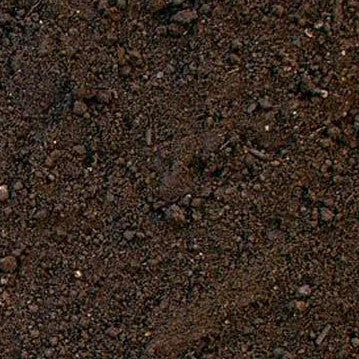
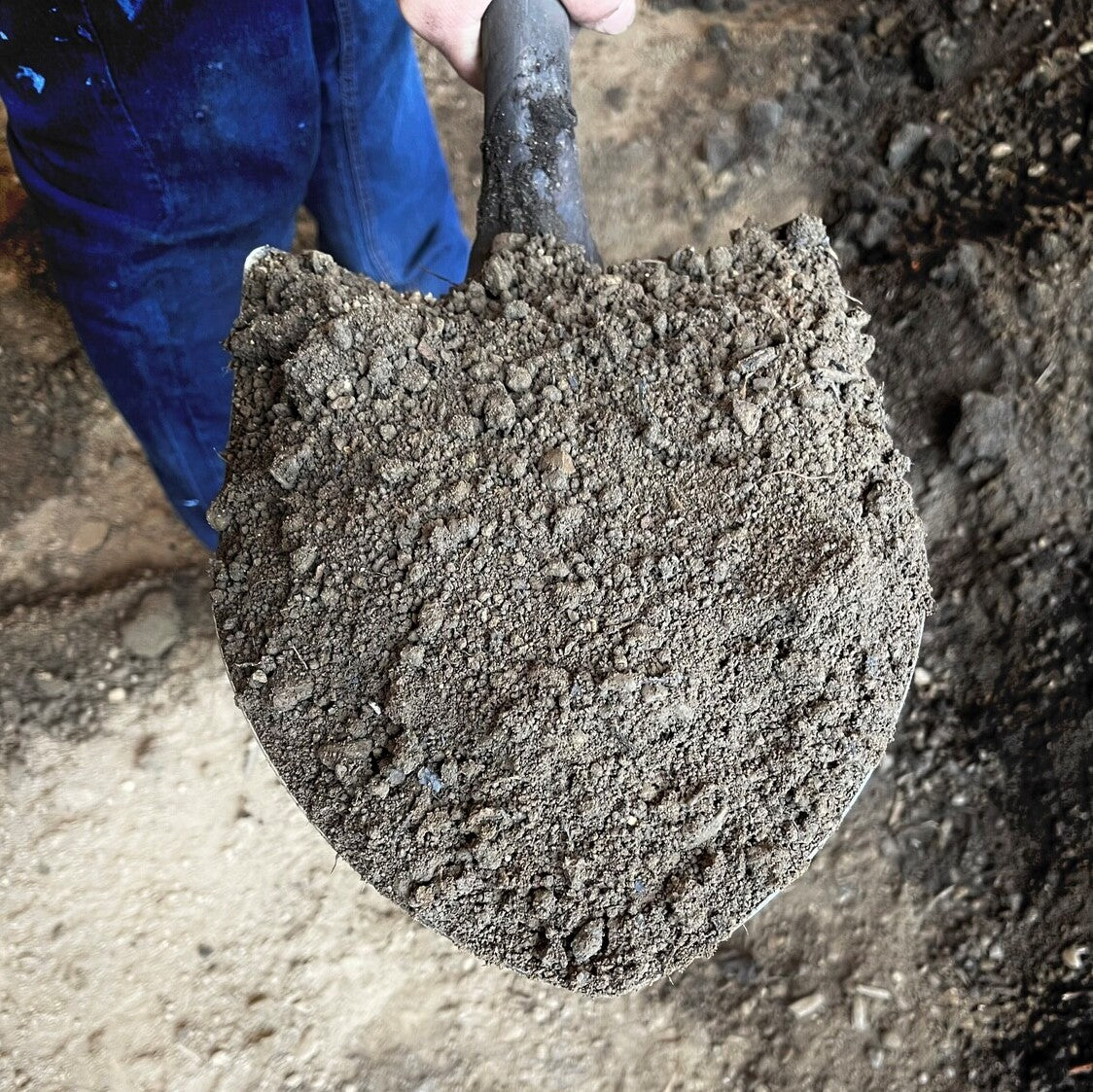

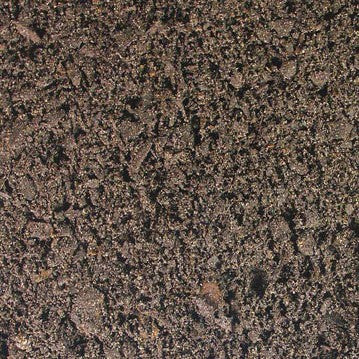
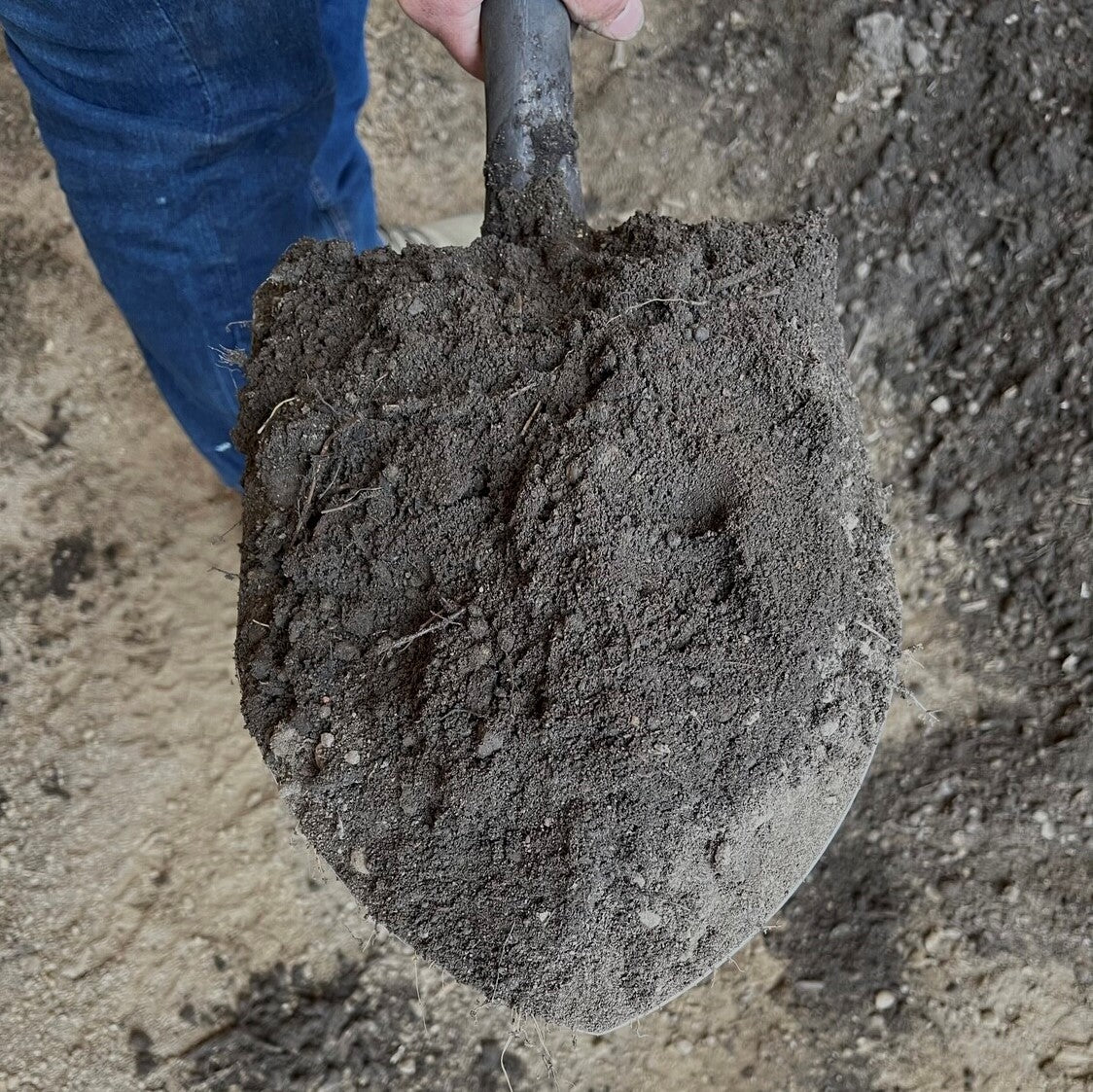

Good quality top soil and was delivered exactly where I wanted it. Nice Job!
About this soil
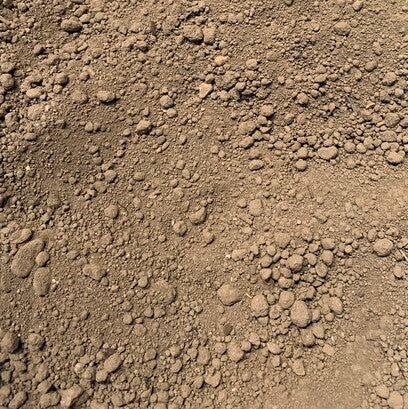
Quality topsoil for lawns, gardens, and landscape projects. Nutrient rich and ready to support strong root development and healthy plant establishment.
Good quality top soil and was delivered exactly where I wanted it. Nice Job!
Tell us what you're looking for
Thanks! We received your request.
Something went wrong. Please try again.
How Much Material Do I Need?
How Much Material Do I Need?
For new garden beds in Cranston's sandy loam, plan on adding at least 6 inches of quality topsoil or garden blend to give roots a proper growing medium above the lean, light native soil. Lawn leveling typically requires much shallower applications, usually a quarter to half inch spread evenly and raked smooth before new grass grows through.
Use our free soil calculator
What is a yard?
What is a yard?
What is a yards?
What is a yards?
FAQs
FAQs
Cranston Soil Delivery
Cranston Soil Delivery
Regular price
$74.00
per
yard
Regular price
Sale price
$74.00
Unit price
per
Shipping calculated at checkout.
Minimum of 3 yard
Couldn't load pickup availability
Not currently available
We can't take orders for this right now. Tell us what you need and we'll get back to you.
Hand-picked local yards
4,000+ regional deliveries
Dedicated support
Why order through Mulch Mound
The best local soil, without the guesswork.
We hand-pick and partner with the best yards in your region, keep only the ones our buyers rate well, and back each load with our guarantee.
Mulch Mound Guarantee
If your soil isn't the quantity or quality you ordered, we'll make it right.
About this soil
Quality topsoil for lawns, gardens, and landscape projects. Nutrient rich and ready to support strong root development and healthy plant establishment.
Good quality top soil and was delivered exactly where I wanted it. Nice Job!
How Much Material Do I Need?
How Much Material Do I Need?
For new garden beds in Cranston's sandy loam, plan on adding at least 6 inches of quality topsoil or garden blend to give roots a proper growing medium above the lean, light native soil. Lawn leveling typically requires much shallower applications, usually a quarter to half inch spread evenly and raked smooth before new grass grows through.
Use our free soil calculator
What is a yard?
What is a yard?
What is a yards?
What is a yards?
FAQs
FAQs
Tell us what you're looking for
Thanks! We received your request.
Something went wrong. Please try again.
How It Works
Getting started is easy — just follow these simple steps
1
Choose your soil
Make sure you adjust the quantity to your home's needs. You can use our calculator to estimate how much you'll need.
2
Select your delivery date
Select a delivery date you'd like for the product to be dropped off at your home
3
Sit back and wait
Sit back, wait, and let us work our magic to make sure the highest quality product is delivered to your driveway.

Online ordering was really simple and I liked the transparent pricing.

Easy to order, great service, and great product. We enjoy the final look of a very neglected beds we inherited!
Need Help Calculating How Much Soil You Need?
Use our NEW Trace from Satellite tool to get an estimate for your project based on an aerial view of your property
Try Our CalculatorMeasure the length, width, and target depth of your project area in feet, multiply all three together, and divide by 27 to convert cubic feet to cubic yards. For lawn leveling in Cranston, a shallow application of a few inches across a large area can still add up quickly in total volume, so having accurate square footage before you order saves time and avoids surprises. Adding a 10 to 15 percent buffer for settling is a smart practice given how reliably Cranston's rainfall compacts fresh soil in the weeks after placement.
Soil Types We Deliver in Cranston
Mulch Mound delivers bulk soil by the cubic yard to your Cranston property, so you can skip the bags and get the volume your project actually needs. Whether you are refreshing a lawn, amending garden beds, or grading a new planting area, we carry the right material to get the job done right.
Screened Top Soil
Our screened topsoil is a go-to for lawns, garden beds, and fill projects across the area. Rhode Island's native soils can run heavy with clay, and this finely screened, nutrient-rich material blends in easily to support strong root development and healthy plant establishment.
Garden Compost
This rich, finished compost is loaded with organic matter and works well for gardeners building up clay-heavy or depleted beds. Mix it into existing soil to improve drainage, boost nutrients, and create the kind of growing environment that keeps flowers, vegetables, and shrubs thriving through New England's full growing season.
Gardening Blend
A balanced mix of topsoil and organic amendments ready for raised beds, flower gardens, and new planting areas. Good drainage and solid nutrients make it easy to work with, and its versatile texture suits the range of residential landscapes typical of southern Rhode Island.
Leaf Compost
Aged leaf compost improves organic matter and moisture retention in tired or compacted soil, a common concern in older residential yards throughout the region. Work it into planting beds or use it as a top dressing to build richer, more resilient soil over time.
Complete Your Outdoor Soil Project
Once your soil is in place, finishing garden beds with a layer of mulch is the natural next step to lock in moisture and protect the new growing medium through Cranston's variable spring weather. For pathways between beds or border definition, a decorative stone or gravel product pairs well with fresh soil to give the finished landscape a clean, organized look that stays tidy through Rhode Island's rainy seasons.


Mulch Mound Pro Tip
In Cranston, the window between the last frost around April 15 and the heat of July is the most productive period for establishing new plantings in fresh soil. Getting bulk soil delivered and beds prepared in the last two weeks of April means you can plant immediately and give new plants maximum time to root before summer stress arrives. Timing your soil work to that narrow spring window is one of the most impactful scheduling decisions you can make as a Cranston gardener.
Mulch Mound Pro Tip
Cranston's sandy loam drains quickly, which means nutrients leach downward faster than in heavier soils found elsewhere in New England. When you bring in a quality garden blend, mix it deeply into the top 8 to 10 inches rather than leaving it as a shallow cap over the native soil. Deep incorporation gives roots access to improved material throughout the growing season rather than just in the top few inches where it will dry out fastest during summer heat.
Mulch Mound Pro Tip
After a Cranston winter, the freeze-thaw cycles typical of Zone 6b can leave lawns with sunken areas and uneven patches that become more pronounced each year if left unaddressed. A spring top-dressing of screened loam applied to low spots before new growth gets too tall allows grass to grow through naturally without smothering the existing turf. Doing this consistently over two or three seasons can fully correct gradual settling without the disruption and expense of a full lawn renovation project.
The Unique Landscape of Cranston
Cranston sits at a modest elevation of 89 feet and features sandy loam as its predominant native soil, a texture that drains well but struggles to retain the nutrients and moisture that most garden plants need through a full growing season. When homeowners dig new beds or level lawn areas, they often find that the existing soil is too light and lean to support healthy growth without significant amendment. Bringing in a quality bulk topsoil or garden blend allows Cranston gardeners to build a proper growing medium rather than fighting the native structure all season. The zone 6b climate gives Cranston a growing window that runs roughly from mid-April through late October, and having rich, well-structured soil in place from the start of that window makes a measurable difference in how plants perform. Grade work after new construction is also a common need in Cranston neighborhoods, where disturbed or compacted subsoil is frequently left behind when new landscaping begins on a renovated lot.