






Very happy with the ease of ordering. Delivery went exactly as planned. Garden soil looks great and couldn’t be happier.
About this soil
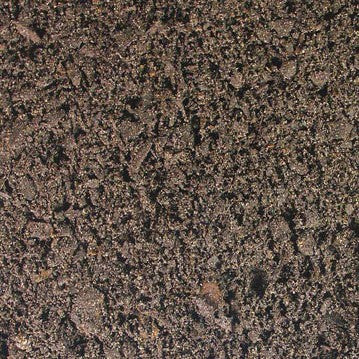
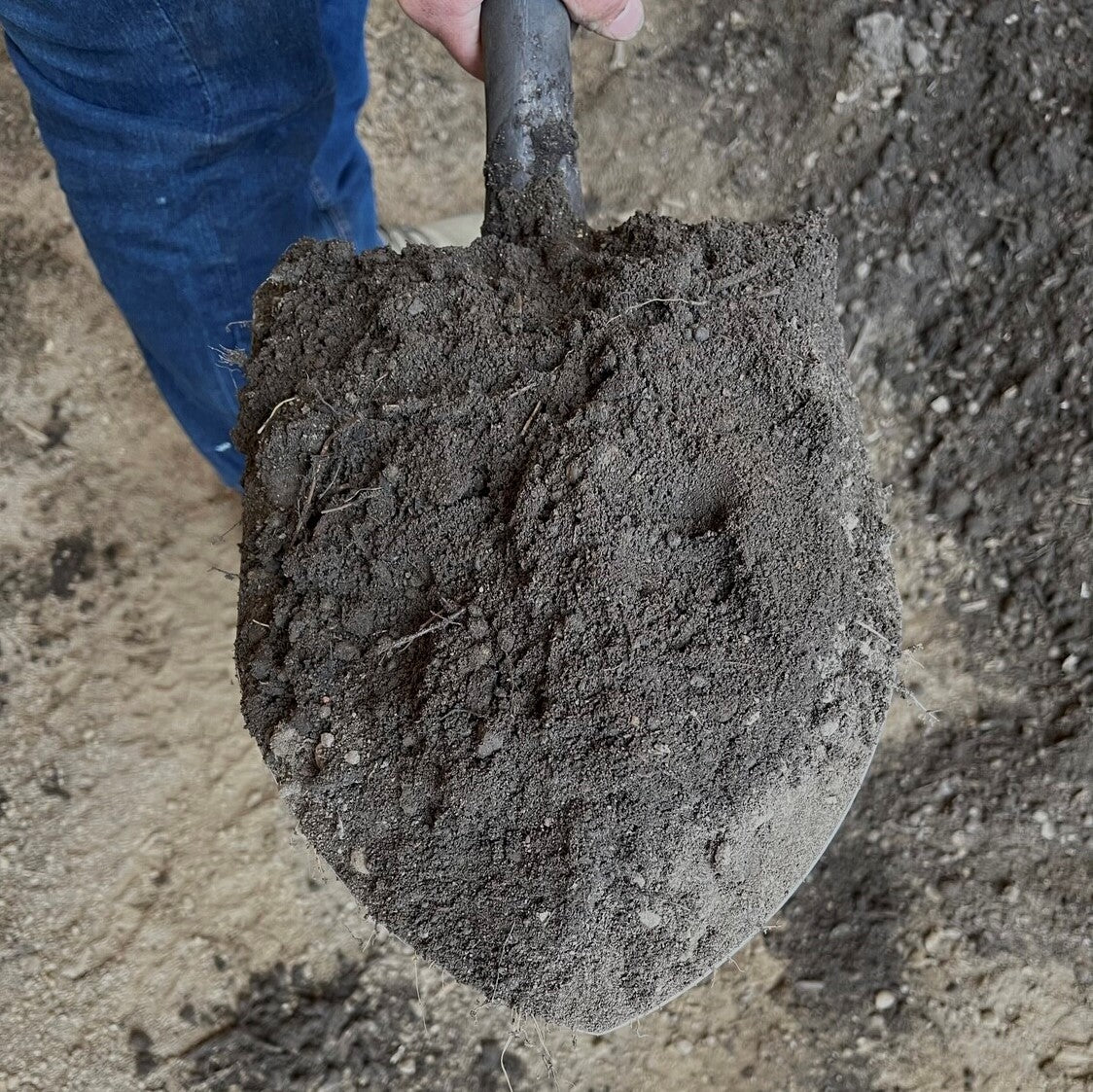
Quality topsoil for lawns, gardens, and landscape projects. Nutrient rich and ready to support strong root development and healthy plant establishment.
Very happy with the ease of ordering. Delivery went exactly as planned. Garden soil looks great and couldn’t be happier.
Tell us what you're looking for
Thanks! We received your request.
Something went wrong. Please try again.
How Much Material Do I Need?
How Much Material Do I Need?
For in-ground beds in Danville's silt loam, plan to incorporate at least 6 inches of quality topsoil to meaningfully improve structure and drainage in the root zone. Raised beds benefit from 10 to 12 inches of fill to give roots room to develop without hitting the denser native soil layer below.
Use our free soil calculator
What is a yard?
What is a yard?
What is a yards?
What is a yards?
FAQs
FAQs
Danville Soil Delivery
Danville Soil Delivery
Regular price
$64.00
per
yard
Regular price
Sale price
$64.00
Unit price
per
Shipping calculated at checkout.
Minimum of 3 yard
Couldn't load pickup availability
Not currently available
We can't take orders for this right now. Tell us what you need and we'll get back to you.
Hand-picked local yards
4,000+ regional deliveries
Dedicated support
Why order through Mulch Mound
The best local soil, without the guesswork.
We hand-pick and partner with the best yards in your region, keep only the ones our buyers rate well, and back each load with our guarantee.
Mulch Mound Guarantee
If your soil isn't the quantity or quality you ordered, we'll make it right.
About this soil
Quality topsoil for lawns, gardens, and landscape projects. Nutrient rich and ready to support strong root development and healthy plant establishment.
Very happy with the ease of ordering. Delivery went exactly as planned. Garden soil looks great and couldn’t be happier.
How Much Material Do I Need?
How Much Material Do I Need?
For in-ground beds in Danville's silt loam, plan to incorporate at least 6 inches of quality topsoil to meaningfully improve structure and drainage in the root zone. Raised beds benefit from 10 to 12 inches of fill to give roots room to develop without hitting the denser native soil layer below.
Use our free soil calculator
What is a yard?
What is a yard?
What is a yards?
What is a yards?
FAQs
FAQs
Tell us what you're looking for
Thanks! We received your request.
Something went wrong. Please try again.
How It Works
Getting started is easy — just follow these simple steps
1
Choose your soil
Make sure you adjust the quantity to your home's needs. You can use our calculator to estimate how much you'll need.
2
Select your delivery date
Select a delivery date you'd like for the product to be dropped off at your home
3
Sit back and wait
Sit back, wait, and let us work our magic to make sure the highest quality product is delivered to your driveway.

Really appreciate the care and follow thru that this company had with our order. A hiccup came up but they were quick to respond and address all co...
Read full review
Really appreciate the care and follow thru that this company had with our order. A hiccup came up but they were quick to respond and address all concerns, which made our garden day a success! Thank you for your prompt care.

Highest compliments. Great driver.
Website is easy to navigate. Just a seamless process. 5 stars!!
Need Help Calculating How Much Soil You Need?
Use our NEW Trace from Satellite tool to get an estimate for your project based on an aerial view of your property
Try Our CalculatorMeasure your project area in feet and multiply length by width to get square footage, then decide on your target depth in inches. Convert depth to a fraction of a foot, multiply by your square footage to get cubic feet, and divide by 27 to convert to cubic yards. For Danville raised beds, a 12-inch fill depth is typical, so a 4 by 8 foot bed requires roughly 1.2 cubic yards before accounting for natural settling.
Soil Types We Deliver in Danville
Mulch Mound delivers bulk soil by the yard in Danville, making it simple to order exactly as much material as your project requires without multiple store trips. The clay-heavy native soils common in this part of central Kentucky can compact over time, making a quality topdressing or fresh amendment especially valuable for lawns, gardens, and landscape beds. Whether you are patching a bare lawn or filling a set of new raised beds, we drop your order right where you need it.
Top Soil
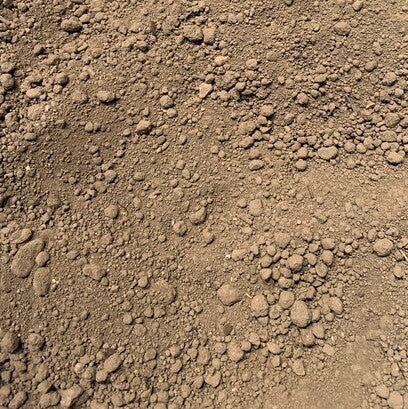
Available in screened or unscreened options, our topsoil is a practical foundation for lawns, garden beds, and grading projects around central Kentucky homes. Screened topsoil suits fine finish work and overseeding, while unscreened is a cost-effective choice for fill and rough grading. Both are nutrient rich and support healthy root development.
Gardening Blend
This premium blend of topsoil and compost is formulated for raised beds, vegetable gardens, and flower borders where plants demand a richer growing medium. Central Kentucky's warm growing season rewards gardeners who start with quality soil, and this blend delivers the loose, fertile texture that roots can explore freely.
Organic Compost
Our premium organic compost is a nutrient-rich amendment that improves structure and drainage in the dense clay soils found throughout this region of Kentucky. Work it into planting beds before a new season or spread it as a top dressing to feed lawns and encourage stronger, more resilient growth over time.
Complete Your Outdoor Soil Project
Once your soil is in place, a 2 to 3 inch layer of mulch from our inventory will protect your investment by reducing erosion from Danville's frequent rains and moderating soil temperature through the spring and fall shoulder seasons. For clean bed edges that keep soil from washing onto walkways during heavy downpours, our decorative stone options pair naturally with any new planting area.


Mulch Mound Pro Tip
After your bulk soil delivery, resist the urge to till it too aggressively before planting. Danville's silt loam has a tendency to compact when over-worked, and the same is true for most imported topsoil mixes once they are saturated by rain. Light raking to even out the surface, followed by immediate planting or mulching, preserves the soil's natural structure and gives your plants a better start than heavily worked soil provides.
Mulch Mound Pro Tip
If you are grading a sloped area with bulk soil in Danville, water the fresh soil lightly before the first major rain event to help it settle and knit together. Loose, dry soil on a grade can shift quickly during heavy downpours, especially in spring when storms are frequent. A light pre-soak firms the top layer just enough to resist initial erosion while still remaining workable for planting within a day or two.
Mulch Mound Pro Tip
Danville sits at about 984 feet of elevation, which means spring soil temperatures can lag a week or two behind lower-elevation areas even after the last frost passes. If you are filling beds in early spring, choose a dark-colored topsoil or blend in finished compost, since darker soil absorbs heat faster and can meaningfully shorten the time it takes your beds to reach optimal planting temperature for warm-season crops and transplants.
The Unique Landscape of Danville
Danville's native silt loam is productive but comes with real limitations that can frustrate both new gardeners and experienced landscapers working on larger projects. Its fine particle structure drains more slowly than ideal and compacts noticeably under heavy foot traffic or the region's frequent rainfall, which averages 46 inches per year. When you are building new raised beds, leveling a lawn, or amending existing planting areas, bringing in quality topsoil or garden mix gives you a clean slate with better structure and nutrient content than native soil alone can provide. At 984 feet of elevation, Danville properties experience slightly cooler spring soil temperatures, meaning a nutrient-rich planting medium helps seeds and transplants get established faster after the April 25 last frost. Whether you are filling a new bed or grading a low spot that pools after storms, bulk soil delivery puts the right material exactly where you need it.