About this stone

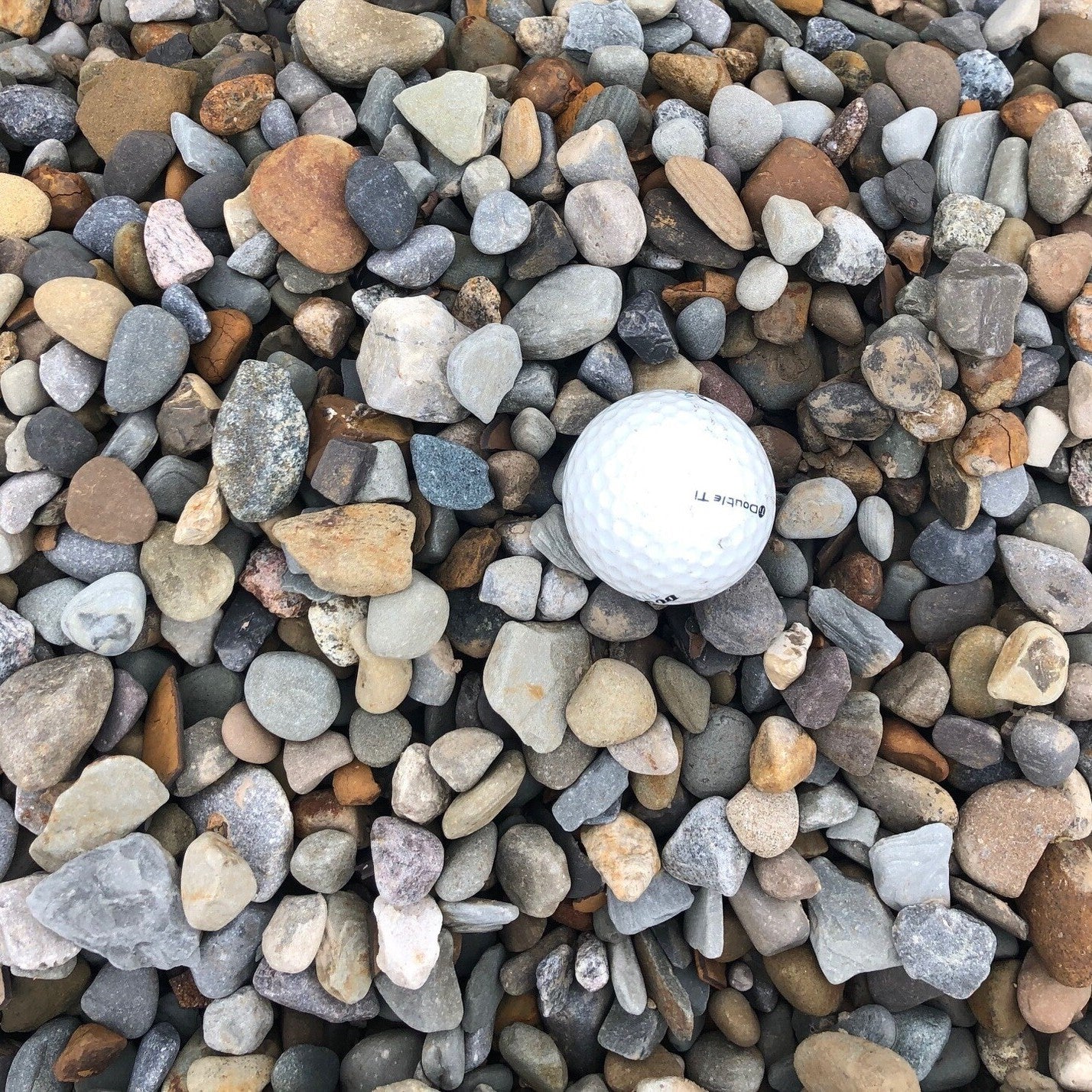
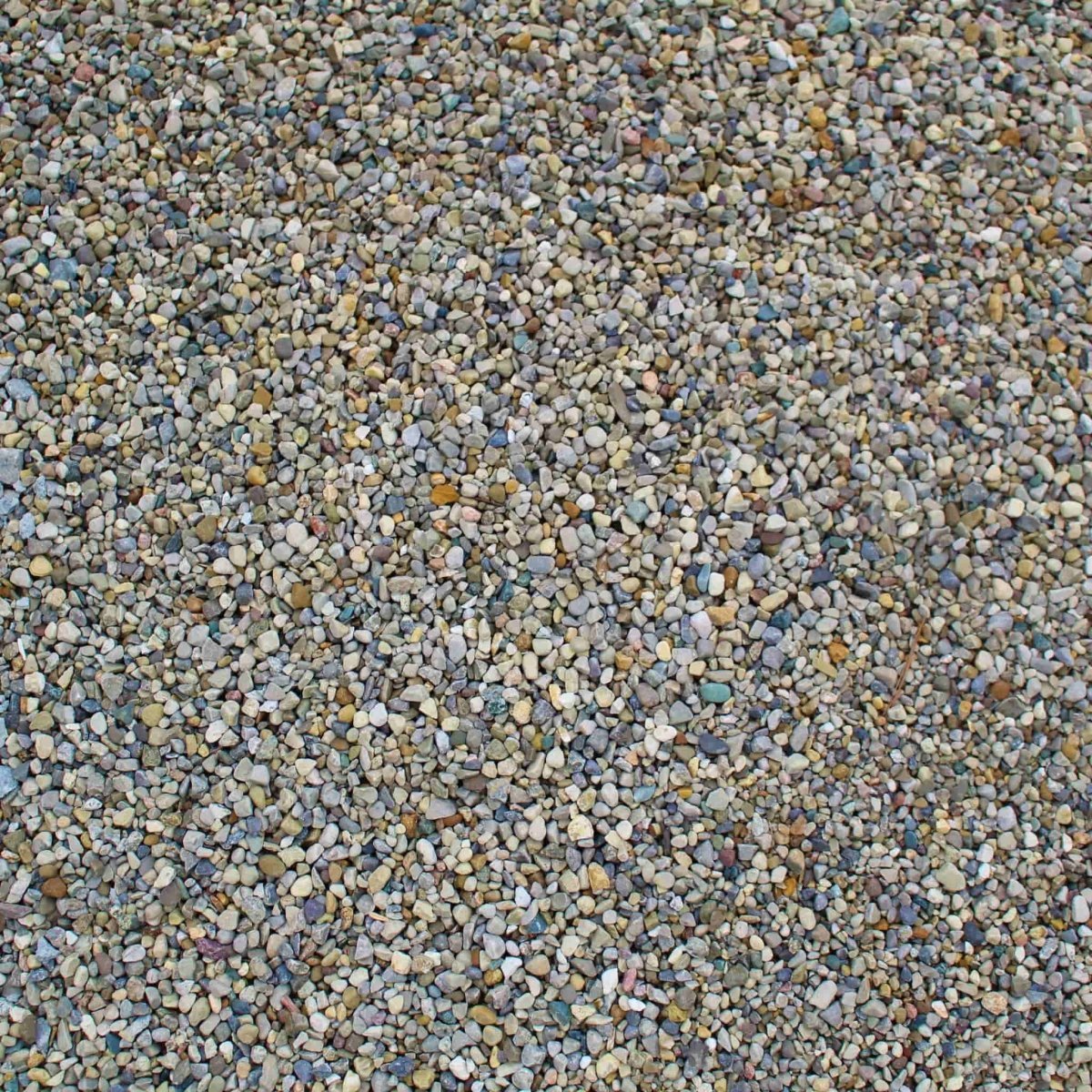
Classic pea gravel with smooth, rounded edges and natural earth tones. A versatile favorite for pathways, patios, drainage, and decorative ground cover.

My experience with Mulch Mound was great and super easy. I ordered two yards of screened topsoil and was able to get it delivered within 2 days. They came in my requested time frame (afternoon) and dropped it off where I asked on my driveway. The topsoil was exactly what was a...

Danville Stone Delivery

Danville Stone Delivery

4.7
137 reviews
Regular price $87.00 per yard
Regular price Sale price $87.00
Sale Sold out
Type
Size
Minimum of 3
1 tree planted for every order

About this stone

Classic pea gravel with smooth, rounded edges and natural earth tones. A versatile favorite for pathways, patios, drainage, and decorative ground cover.

My experience with Mulch Mound was great and super easy. I ordered two yards of screened topsoil and was able to get it delivered within 2 days. They came in my requested time frame (afternoon) and dropped it off where I asked on my driveway. The topsoil was exactly what was a...

For most Danville applications, 2 to 3 inches of stone provides adequate decorative coverage and weed suppression on a prepared base. Drainage applications or high-traffic pathways benefit from 4 inches of total depth, especially in silt loam areas where stone can gradually sink into the soft native soil without a compacted gravel base or fabric underlayment to hold it in place.
Use our free stone calculator

A yard is approximately 27 cubic feet. As a general guideline, one yard of material can cover an area of about 100-160 square feet at a 2-3 inch depth.

A yard is approximately 27 cubic feet. As a general guideline, one yard of material can cover an area of about 10 feet by 10 feet at a few inches deep.

View full details

How It Works

Getting started is easy — just follow these simple steps

1

Choose your stone

Make sure you adjust the quantity to your home's needs. You can use our calculator to estimate how much you'll need.

2

Select your delivery date

Select a delivery date you'd like for the product to be dropped off at your home

3

Sit back and wait

Sit back, wait, and let us work our magic to make sure the highest quality product is delivered to your driveway.

From The Mouths of Danville Folks

4.7
out of 5 based on 137 reviews
Google Reviews

Need Help Calculating How Much Stone & Gravel You Need?

Use our NEW Trace from Satellite tool to get an estimate for your project based on an aerial view of your property

Try Our Calculator
📍

To figure out how much stone you need, multiply the length by the width of your project area in feet to get square footage, then multiply by your desired depth expressed as a fraction of a foot to get cubic feet. Divide that result by 27 to convert to cubic yards for ordering. Stone is denser than mulch or soil, so even a relatively compact area can represent a significant weight, and our team can help you confirm the right quantity for any Danville project.

Complete Your Outdoor Stone Project

Stone borders and pathways pair naturally with our mulched planting beds, creating a clean contrast that defines outdoor spaces and reduces the maintenance burden across the whole landscape. If you are also doing grade work or filling low spots nearby, our bulk soil options give you the material to build proper drainage slopes before laying your stone so water moves exactly where you want it.

Map of Danville, Kentucky

Areas We Deliver Stone & Gravel in Danville, Kentucky

No cities found for this region.

See All Locations
Mulch Mound Pro Tip

Before you lay stone in any area of your Danville yard, take the time to establish a slight grade that directs water away from structures and toward a natural drainage point. Silt loam absorbs water slowly, so if your stone area is flat or slopes toward the house, heavy rain can still cause pooling at the edges even with excellent stone coverage. Even a 1 percent slope, about 1 inch of drop for every 8 feet, makes a meaningful difference in how water moves across your landscape.

Mulch Mound Pro Tip

If you are using stone in a high-traffic path or informal patio area, consider ordering a mix of sizes rather than a single uniform grade. Combining a coarser compacted base stone with a finer top dressing creates a more stable surface that locks together underfoot rather than rolling or shifting underweight. This approach also holds up better through Danville's winter freeze-thaw cycles, when uniformly sized round stone can heave and become uneven as the ground repeatedly expands and contracts.

Mulch Mound Pro Tip

In Danville's humid Zone 7a summers, light-colored stone like limestone or white river rock reflects more sunlight and stays noticeably cooler than dark stone options. This matters most in areas near outdoor seating, play spaces, or along south and west-facing walls where heat can build up significantly on hot July and August afternoons. Choosing lighter, more reflective stone in those spots makes the space more comfortable to use and reduces radiant heat absorption against your home's foundation through the longest stretch of summer.

The Unique Landscape of Danville

Stone is one of the most practical and long-lasting materials a Danville homeowner can invest in, especially given the region's 46 inches of annual rainfall and silt loam soil that erodes and compacts under wet conditions. Gravel and crushed stone pathways stay passable year-round while grass or mulch paths turn muddy and rutted during heavy spring rains. Along foundations and slopes, stone creates stable ground cover that resists the erosion that bare or lightly vegetated silt loam is prone to during intense summer storms. In a Zone 7a climate where summers are hot and humid, low-maintenance stone areas also reduce the mowing, watering, and replanting that turf or annual beds demand through the growing season. Whether you are creating a dry creek bed to manage water flow, building a pathway, or framing beds with clean decorative borders, stone gives Danville landscapes a durable foundation that works with the local weather rather than against it.

Frequently Asked Questions

Click a question to see the answer

Answer

What size gravel works best for walkways in Danville yards?

For walkways, pea gravel or 3/8 inch crushed stone strikes the best balance of comfort underfoot and stability. In Danville's wet climate, a compacted base layer of larger crushed stone beneath a finer surface stone helps prevent the path from turning soft during heavy spring rains. Plan for a total depth of 4 inches, with the bottom 3 inches as a compacted base and the top inch as your finish surface.

Answer

Can stone help with the drainage problems caused by Danville's heavy rainfall?

Stone is one of the most effective solutions for managing surface water in Danville landscapes. A dry creek bed filled with river rock or large gravel can channel runoff away from low spots, foundations, and planting beds that silt loam soil cannot absorb fast enough during intense rain events. French drain trenches filled with crushed stone are another reliable option for yards with persistent wet areas that cause problems each spring.

Answer

Will decorative stone require a lot of maintenance in Danville's climate?

Stone is genuinely low maintenance compared to turf or mulch, which is a significant advantage in a climate with 46 inches of annual rain. You may need to occasionally rake displaced stones back into place after heavy downpours and top off areas where stone has settled over time into the soft silt loam below. Installing landscape fabric beneath the stone layer helps control weeds without the seasonal reapplication that mulch beds require.

Answer

Is stone a good option for ground cover under trees in my Danville yard?

Stone can work under trees, but there are a few things to consider specific to Danville's climate. Unlike organic mulch, stone does not contribute organic matter or improve soil health as it breaks down. In Danville's hot summers, dark stone under a tree can radiate heat and stress surface roots during dry spells. Light-colored river rock or a larger-sized gravel stays noticeably cooler and is easier to rake clean of fallen leaves each autumn.

Answer

How deep should I lay stone for a low-maintenance ground cover area in my yard?

For decorative ground cover, a 2 to 3 inch depth is standard and provides enough coverage to suppress weeds and look full without excessive material cost. In areas of Danville where runoff is an issue, going to 4 inches gives the stone layer enough depth to slow water movement and reduce erosion across the silt loam beneath. A landscape fabric underlayment helps maintain that depth over time by keeping stone from gradually sinking into the soft native soil.

Answer

What is the best stone to use along the foundation of my Danville home?

Washed river gravel or crushed limestone in a 3/4 inch to 1.5 inch size is ideal for foundation borders in Danville. This size range allows water to drain through and away from the foundation quickly during heavy rain events rather than pooling against the base of the house. Avoid pea gravel right at the foundation line as it can shift and migrate easily during Danville's frequent and sometimes intense storm events.

Answer

How do I keep stone from spreading into my lawn or adjacent planting beds?

Clean edge definition is the key to keeping stone contained in Danville landscapes. Metal or plastic landscape edging installed 3 to 4 inches deep creates a reliable barrier that holds stone in place even after heavy rains wash across the surface. Pairing stone areas with solid edging also makes mowing and trimming around the perimeter much cleaner and reduces the time you spend chasing scattered stone back into place after storms.
