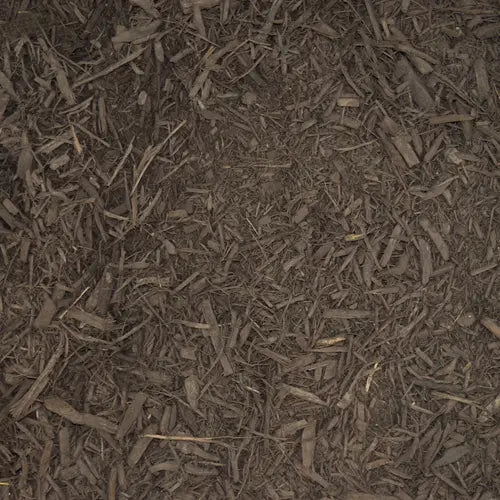
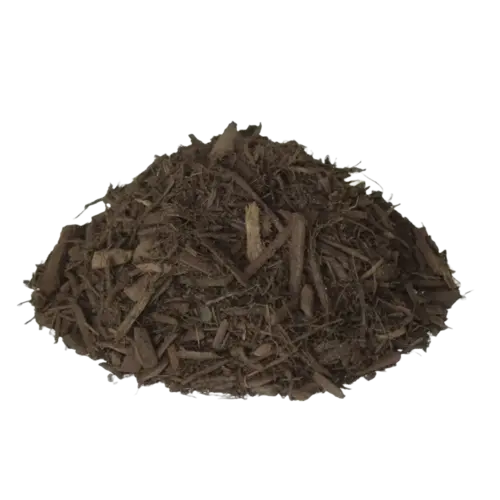
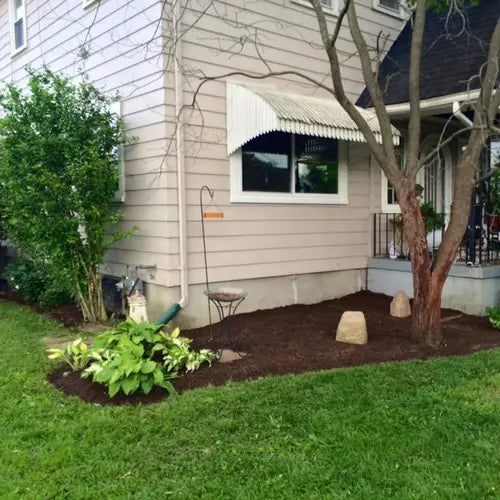
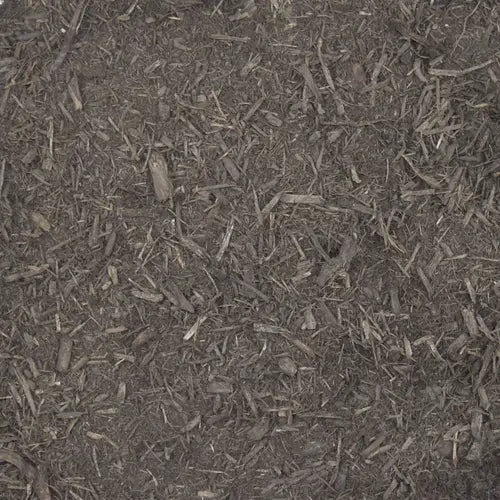
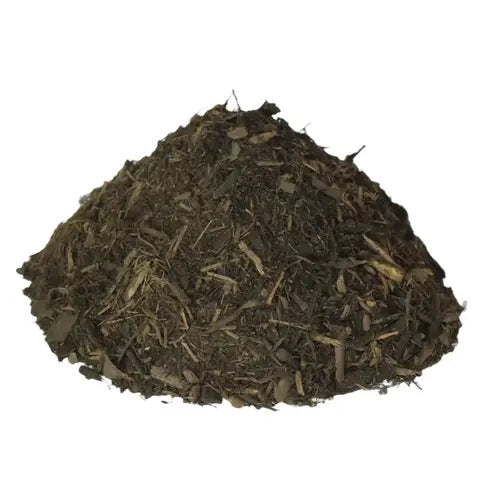
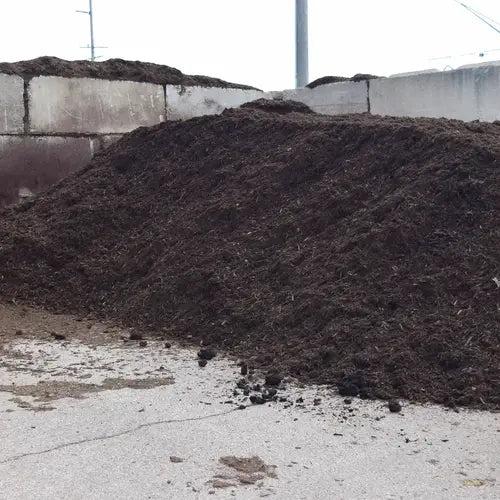
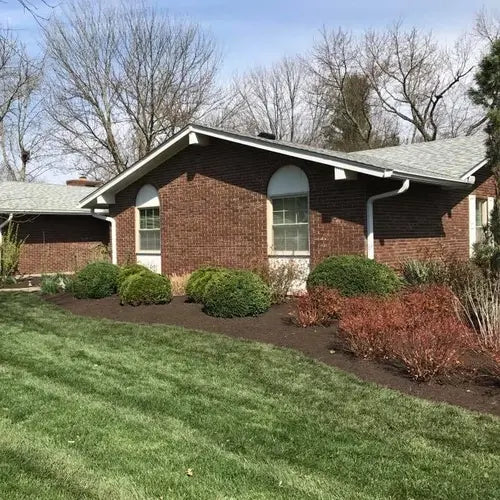
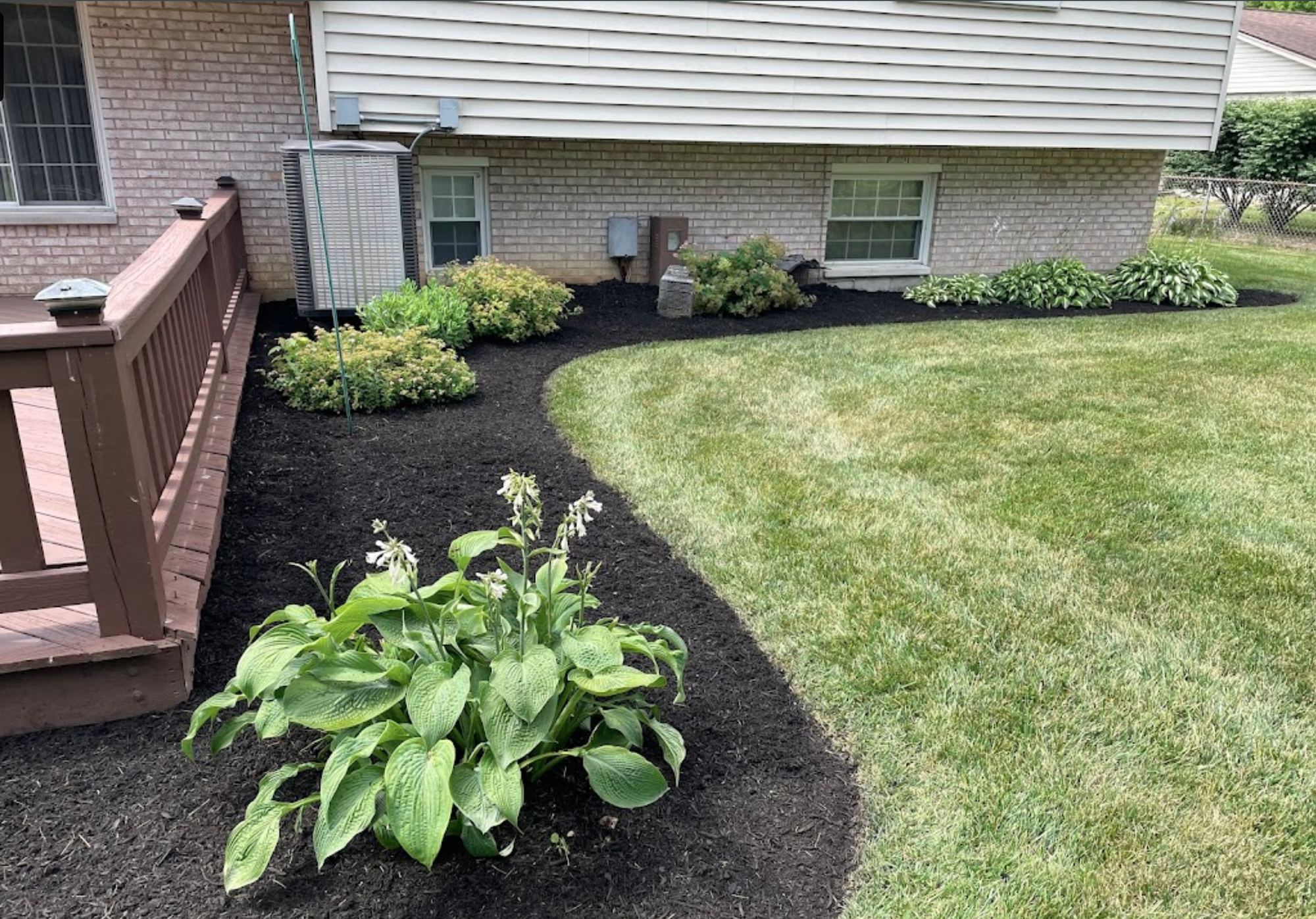
Warm brown double shredded mulch with lasting color that looks freshly applied for weeks. Spreads smooth, stays put, and gives beds a natural, polished appearance.
Mulch Mound delivered a yard of pea gravel to us. Delivery was on time, driver was friendly and hit a bullseye on the “tarp target”. We used the pea gravel (which was diameter as specified) to fill several muskrat holes around our pond. I would definitely recommend Mulch Mo...
Tell us what you're looking for
Thanks! We received your request.
Something went wrong. Please try again.
How Much Material Do I Need?
Three inches of mulch is the recommended depth for Danville's red clay beds, providing enough insulation and weed suppression without waterlogging plant roots in soil that already drains slowly. For sloped beds prone to erosion during Danville's heavy spring rains, a slightly deeper four-inch layer will help anchor the material.
Use our free mulch calculator
What is a yard?
A yard is approximately 27 cubic feet. As a general guideline, one yard of material can cover an area of about 10 feet by 10 feet at a few inches deep.
We can't take orders for this right now. Tell us what you need and we'll get back to you.
What do you need?
Thanks! We received your request.
Something went wrong. Please try again.
Hand-picked local yards
4,000+ regional deliveries
Dedicated support
Why order through Mulch Mound
The best local mulch, without the guesswork.
We hand-pick and partner with the best yards in your region, keep only the ones our buyers rate well, and back each load with our guarantee.
Mulch Mound Guarantee
If your mulch isn't the quantity or quality you ordered, we'll make it right.
About this mulch
Warm brown double shredded mulch with lasting color that looks freshly applied for weeks. Spreads smooth, stays put, and gives beds a natural, polished appearance.
Mulch Mound delivered a yard of pea gravel to us. Delivery was on time, driver was friendly and hit a bullseye on the “tarp target”. We used the pea gravel (which was diameter as specified) to fill several muskrat holes around our pond. I would definitely recommend Mulch Mo...
How Much Material Do I Need?
Three inches of mulch is the recommended depth for Danville's red clay beds, providing enough insulation and weed suppression without waterlogging plant roots in soil that already drains slowly. For sloped beds prone to erosion during Danville's heavy spring rains, a slightly deeper four-inch layer will help anchor the material.
Use our free mulch calculator
What is a yard?
A yard is approximately 27 cubic feet. As a general guideline, one yard of material can cover an area of about 10 feet by 10 feet at a few inches deep.
Mulch Mound delivered a yard of pea gravel to us. Delivery was on time, driver was friendly and hit a bullseye on the “tarp target”. We used the ...
Read full review
Mulch Mound delivered a yard of pea gravel to us. Delivery was on time, driver was friendly and hit a bullseye on the “tarp target”. We used the pea gravel (which was diameter as specified) to fill several muskrat holes around our pond. I would definitely recommend Mulch Mound to a friend!
I can’t say enough good things about Mulch Mound! If you read my review below you will see I had a problem with my order. Mulch Mou...
Read full review
UPDATE!
I can’t say enough good things about Mulch Mound! If you read my review below you will see I had a problem with my order. Mulch Mound was quick to respond and solved the issue with my delivery. Will definitely be a customer next year.
First time purchase from Mulch Mound!! First what I liked! Easy to order online and straight forward pricing and delivery. The driver was on time and courteous and delivered my Mulch exactly where I requested! The product is of good quality and comparable to others I have purchased from before. Now what I DID’NT LIKE! I have been mulching the same house and yard for almost 20 years. I always order the same amount and don’t have any issues with covering the same area but this year I fell about a yard short. I was home when the mulch was delivered and when the driver dumped it I noticed that it seemed a bit less than I was used to. I didn’t apply it any thicker than usual and probably a bit thinner than usual because I was worried about running out.
Measure the length and width of each bed in feet and multiply to get square footage, then break irregular shapes into rectangles and add them together. For most Danville planting beds over red clay, plan on a three-inch depth, which means you will need about one cubic yard for every 100 square feet of bed area. Add 10 percent to your estimate to account for settling and any uneven low spots in your beds.
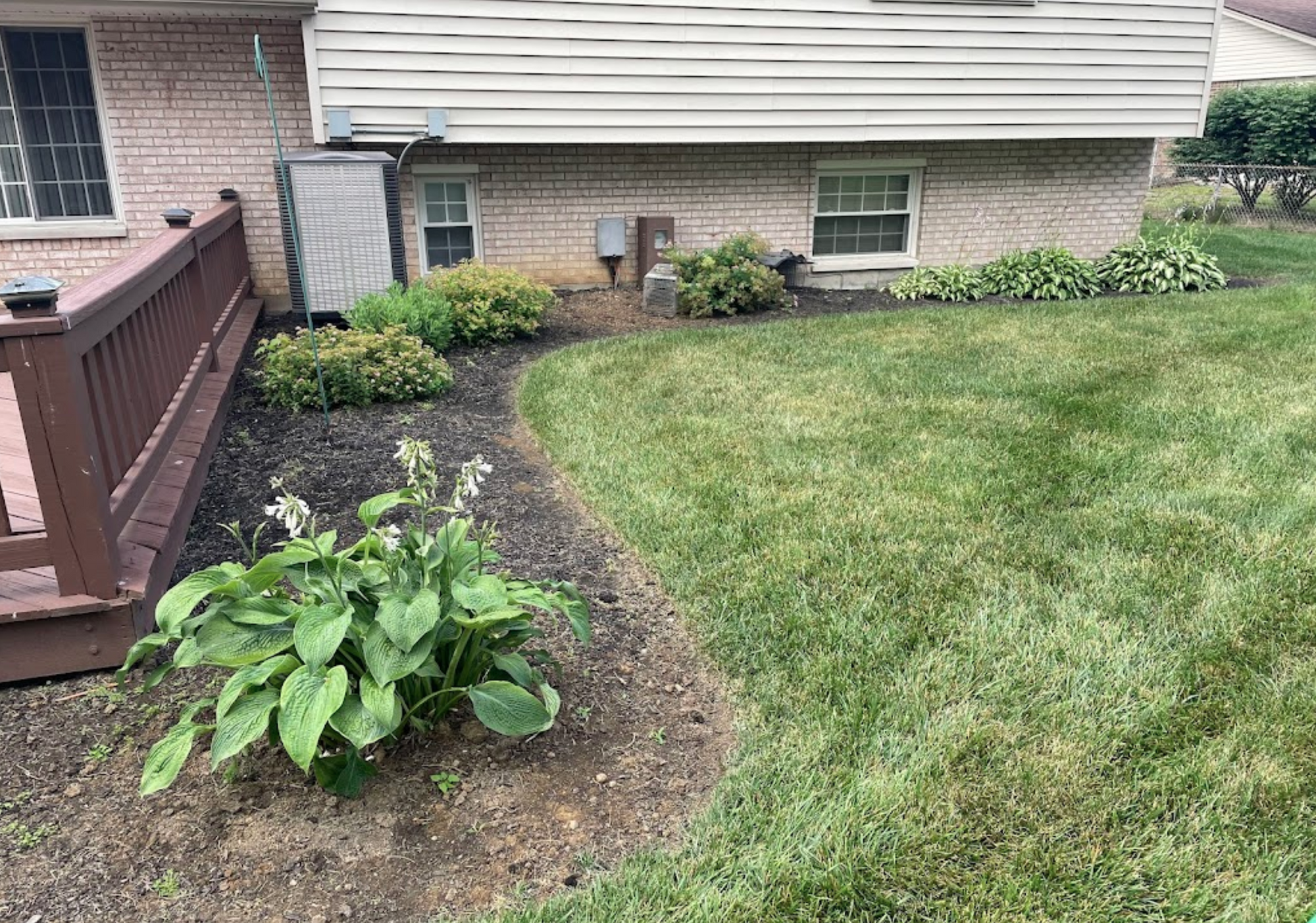
Mulch vs. No Mulch: The Difference
Danville's warm, humid summers accelerate the breakdown of all organic mulches, but natural hardwood mulch breaks down faster than dyed alternatives because colorants bind the wood fiber and slow decomposition. That faster breakdown is actually a benefit for red clay soil because it means more organic matter feeding into the ground each season. Dyed mulch trades that soil benefit for extended color life, making it a better fit for highly visible beds where appearance matters more than long-term amendment value.
Before
After
Best Mulch Choice for Danville Lawns
Most yards in the Danville area sit on Red Clay type of soil. Danville's red clay soil has almost no natural organic matter in its upper layers, which leaves plant roots fighting for nutrients in dense, poorly aerated ground. Mulched beds gradually reverse that deficit as decomposing material works its way into the clay surface season after season.
Hardwood Mulch
Hardwood mulch is particularly well suited to Danville's red clay because its dense fiber breaks down slowly into humus, the organic compound most responsible for improving clay structure over time. Each season of hardwood decomposition adds tilth to the soil beneath, making future planting and root growth noticeably easier.
Mulch Types We Deliver in Danville
Whether you are refreshing a garden bed or tackling a full yard project, Mulch Mound makes bulk mulch delivery in Danville easy and affordable. We deliver by the cubic yard to fit any job size. The warm summers and clay-heavy soils common to this part of Virginia make a quality mulch layer essential for healthy, well-kept beds.
Dyed Brown Mulch
Triple shredded for a smooth, even spread, our Dyed Brown Mulch holds its warm tone through the region's hot, humid summers without fading quickly. It lays flat over the clay-heavy soils common in this part of Virginia, giving traditional brick-front homes and cottage gardens a neat, polished finish all season long.
Natural Brown Mulch
Triple shredded to a fine, smooth texture, Natural Brown Mulch delivers warm earthy tones with no added dyes. It complements the wooded lots and mature trees common in this part of Virginia, and breaks down gradually to feed the soil beneath vegetable beds and foundation plantings.
Pine Bark Mulch
Double shredded pine bark brings a rich reddish brown color and earthy fragrance to any bed. Its natural acidity and strong drainage properties make it a great fit for azaleas, camellias, and other acid-loving shrubs that are a staple of Virginia gardens, particularly in the humid, clay-rich soils of this region.
Playground Mulch
Our Playground Mulch is engineered to meet fall height safety standards and provides a forgiving, cushioned surface beneath swings and climbing equipment. It resists compaction over time and stays cleaner than alternatives, making it a practical choice for backyards and play areas across Danville.
Complete Your Outdoor Mulch Project
If your beds have sunken or your clay soil needs amending before you mulch, pairing a bulk topsoil or garden soil delivery with your mulch order gives you a complete solution in one trip. Danville homeowners also frequently add decorative stone borders around mulched beds to keep material in place during the heavy spring rains common in the area.
Pull your mulch back a few inches from the base of shrubs and tree trunks before spreading. Danville's humid summers create ideal conditions for fungal issues, and piling mulch against plant stems traps moisture that encourages crown rot and bark decay. A small gap around each plant costs you almost no material but makes a real difference in plant health through the long Zone 7b growing season that stretches from late April all the way to the end of October.
Mulch Mound Pro Tip
Time your mulch application to coincide with soil that has fully warmed in spring, typically the week after Danville's last frost around April 21. Mulching too early when the ground is still cold can slow soil warming and delay root activity for perennials and shrubs just breaking dormancy. Waiting that extra week lets the soil temperature climb naturally before you lock in heat with your mulch layer.
Mulch Mound Pro Tip
Danville receives about 45 inches of rain annually, and that consistent moisture means organic mulch breaks down faster here than in drier parts of Virginia. Budget for a fresh top-dress every spring rather than waiting until your beds look thin, because a maintained three-inch layer does significantly more work for weed suppression and moisture retention than a patchy one-inch remnant. Staying ahead of breakdown keeps your beds looking clean and your red clay soil protected all season long.
Frequently Asked Questions
Click a question to see the answer
Answer
How thick should I spread mulch over Danville's red clay soil?
Three inches is the sweet spot for most Danville beds. Red clay does not drain quickly, so going thicker than three inches near plant stems can trap too much moisture against the crown and invite rot. A three-inch layer still suppresses weeds effectively and insulates roots through the temperature swings that come with Zone 7b summers and the cool October nights leading into the first frost around October 27.
Answer
Will Danville's heavy spring rains wash my mulch out of the beds?
Danville gets around 45 inches of rain per year, and spring storms can move lightweight mulch if beds are not properly edged. Installing a clean bed edge, either a physical border or a trenched edge, does most of the work in keeping mulch in place. Hardwood mulch also knits together as it settles, making it more resistant to displacement than lighter bark nuggets during heavy downpours.
Answer
When is the best time of year to apply mulch in Danville?
The most effective window is just after the last frost, around April 21, once soil has begun to warm and spring weeds are just starting to emerge. Mulching at that point intercepts the first wave of weed germination and helps soil hold onto moisture as Danville moves into warmer months. A second light top-dress in early October, before the first frost near October 27, helps insulate perennial roots through winter.
Answer
Does dyed mulch hold its color through a Danville summer?
Dyed mulch holds color reasonably well in Danville's climate, though the intense Zone 7b summer sun will cause some fading by late August in full-sun beds. Shaded or partially shaded areas see much better color retention through the season. Most homeowners find that a fresh top-dress every spring restores the look without needing a full replacement of the underlying material.
Answer
Can mulch actually improve my red clay soil over time?
Yes, and this is one of the most practical reasons to mulch consistently in Danville. As hardwood mulch breaks down, it adds organic matter to the soil surface, which gradually improves the structure of red clay by encouraging microbial activity and earthworm populations. Over several seasons, the clay directly beneath your mulch layer will become noticeably looser and easier to work with.
Answer
How often do I need to reapply mulch in Danville's climate?
Most Danville beds need a fresh top-dress once a year, typically in spring. Danville's humidity and warm summers accelerate decomposition compared to drier climates, so hardwood mulch can thin out noticeably between April and October. If you start with a full three-inch layer in April, you will likely need to add about an inch to an inch and a half by the following spring to maintain effective coverage.
Answer
Is hardwood or pine mulch a better choice for my Danville garden?
For most ornamental beds and mixed plantings in Danville, hardwood mulch is the better all-around choice because it decomposes into organic matter that benefits red clay over time. Pine bark mulch works well for acid-loving plants like azaleas and blueberries, which thrive in Zone 7b and appreciate the slight pH drop pine contributes. Knowing what you are growing makes the decision straightforward.
The Unique Landscape of Danville
Danville's red clay soil compacts hard after heavy rain and cracks into rough plates during dry summer stretches, making it one of the most challenging surfaces for maintaining healthy plant beds. A proper mulch layer acts as a buffer between that unforgiving clay and the elements, holding moisture during dry periods and preventing the soil surface from baking solid under the Zone 7b summer heat. With roughly 45 inches of rainfall spread across the year, Danville gardens cycle repeatedly between wet and dry conditions that stress plant roots and accelerate weed germination. Mulch slows that cycle by regulating how quickly water moves in and out of the soil, keeping beds more stable through Danville's humid summers and cool autumn transition. From the last frost around April 21 through the first frost near October 27, your plants rely on consistent soil conditions, and mulch is the most practical tool for delivering that consistency.