

Skip to product information
1 of 22
Dayton Mulch Delivery

Dayton Mulch Delivery

Dayton Mulch Delivery

Regular price $45.00 per yard
Regular price Sale price $45.00
Sale Sold out
Color
Style

Mulch needs come down to area and depth. Around Dayton, a 2 to 3 inch layer handles weed suppression and moisture retention nicely.
Use our free mulch calculator

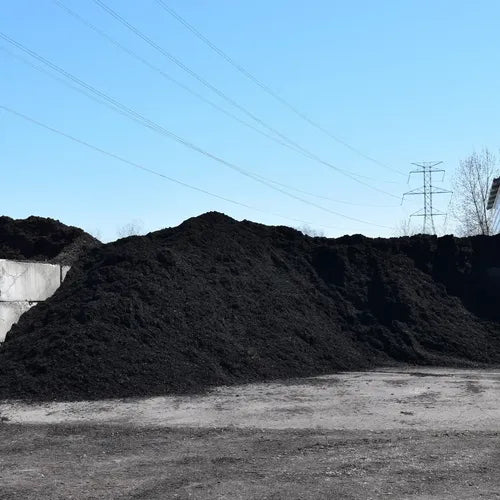
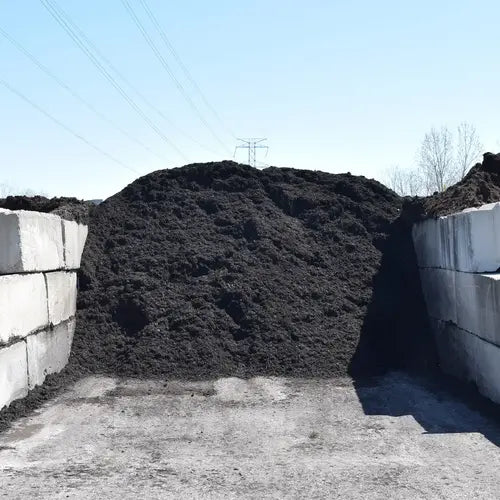
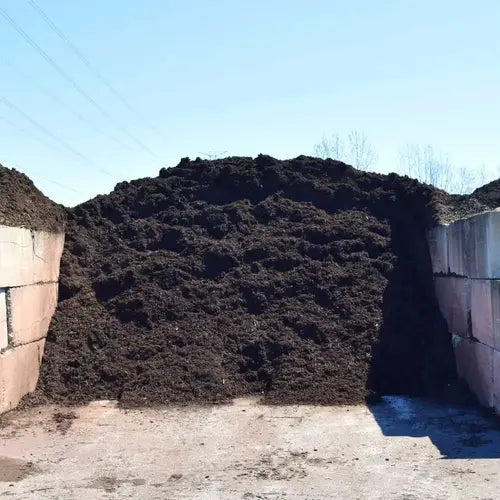
A yard is approximately 27 cubic feet. As a general guideline, one yard of material can cover an area of about 10 feet by 10 feet at a few inches deep.

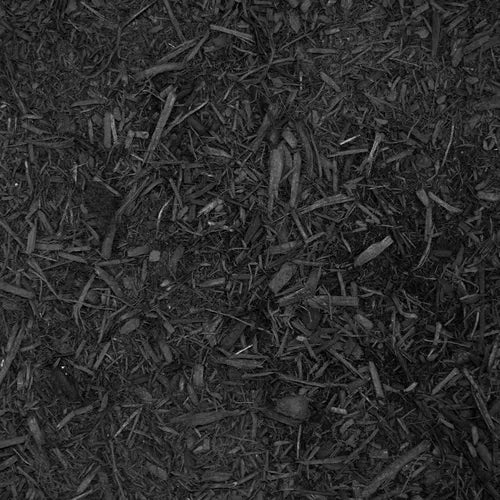
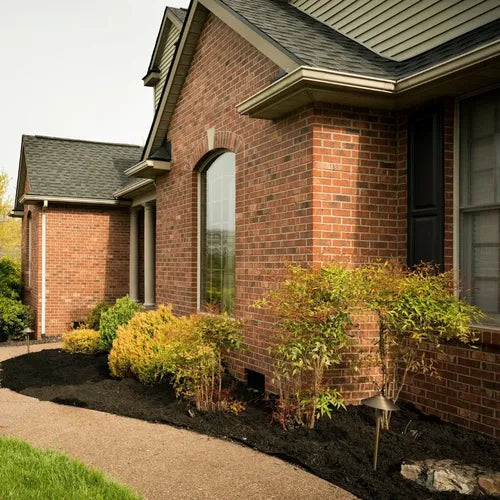
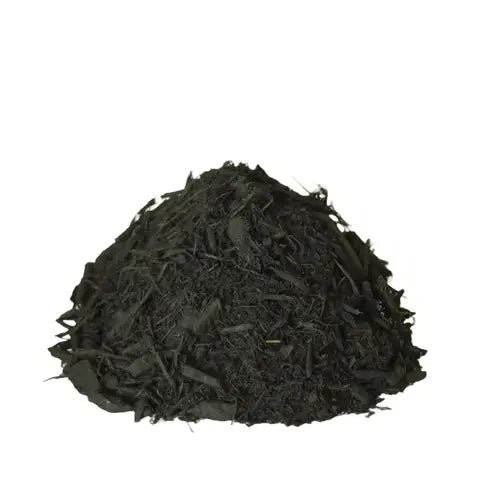
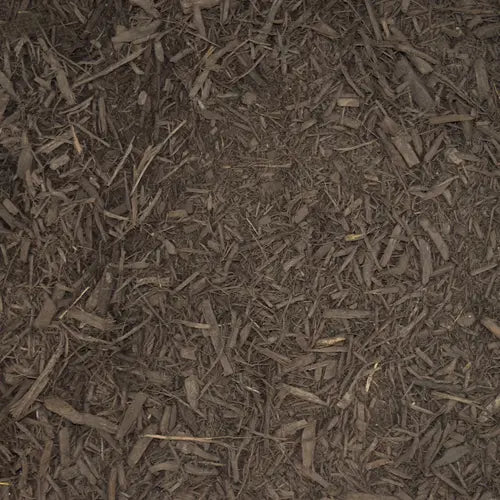
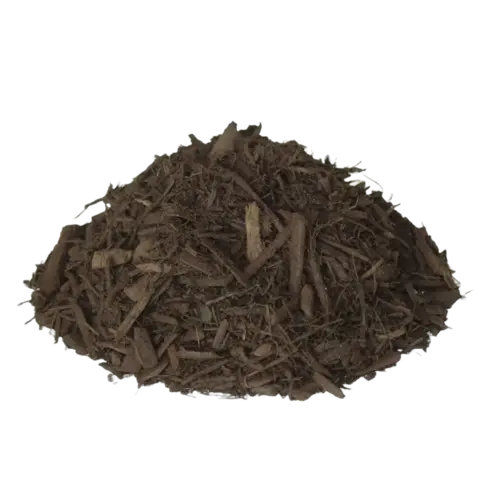
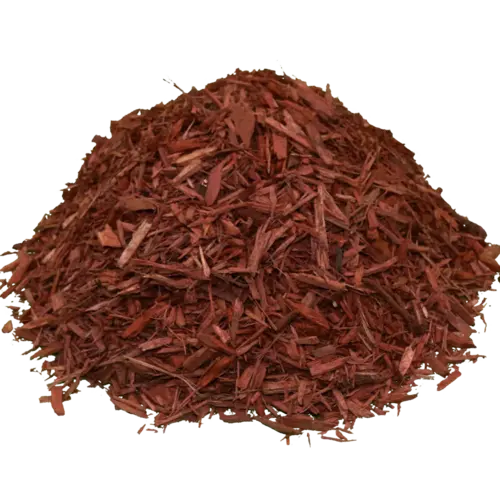
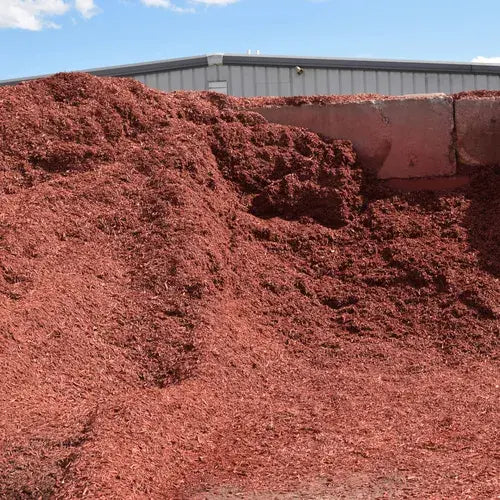
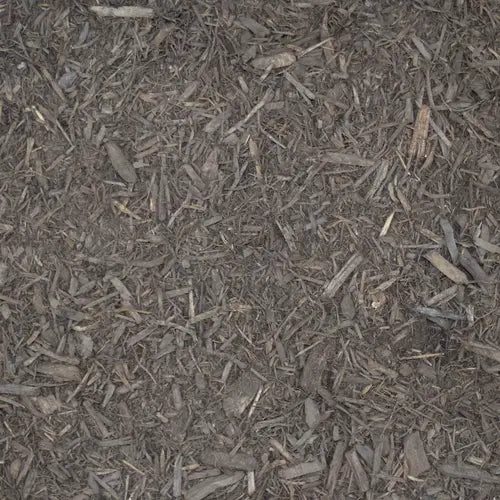
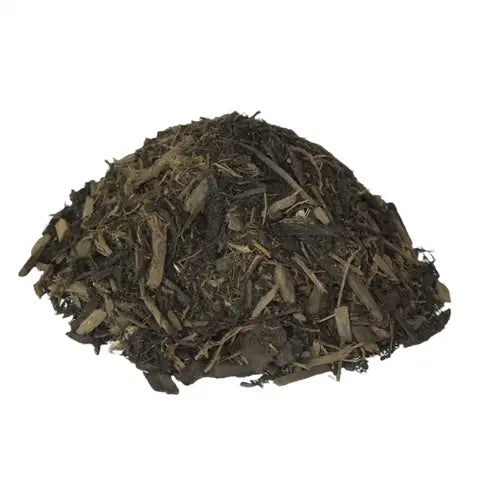
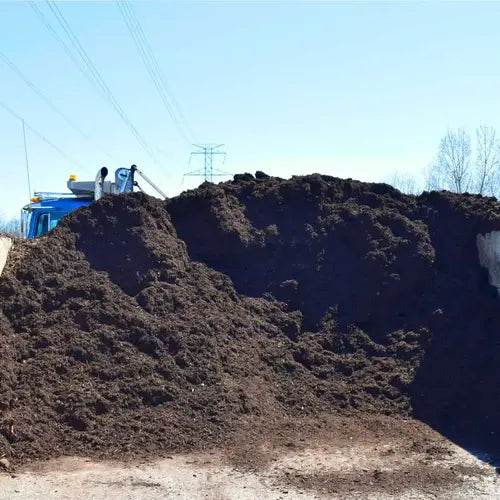
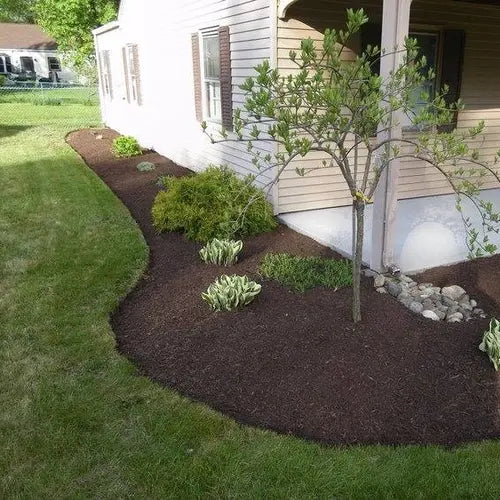
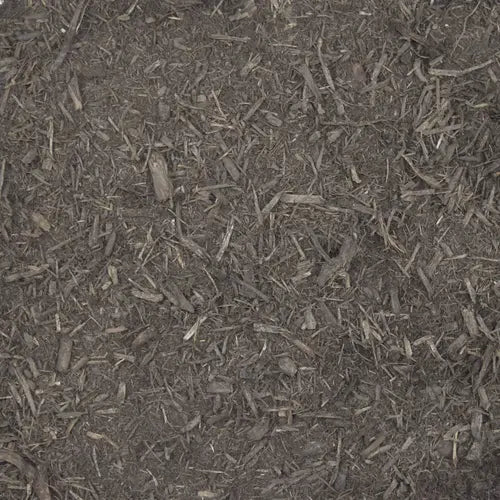
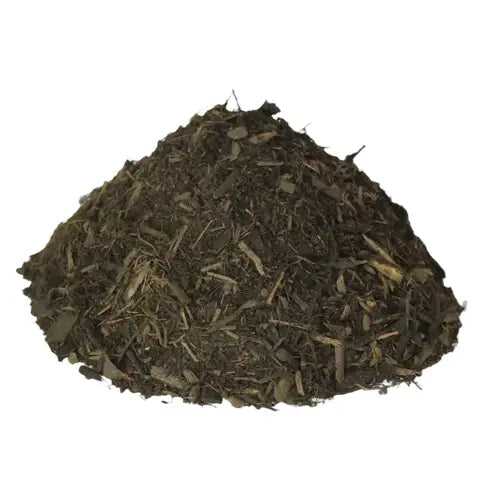
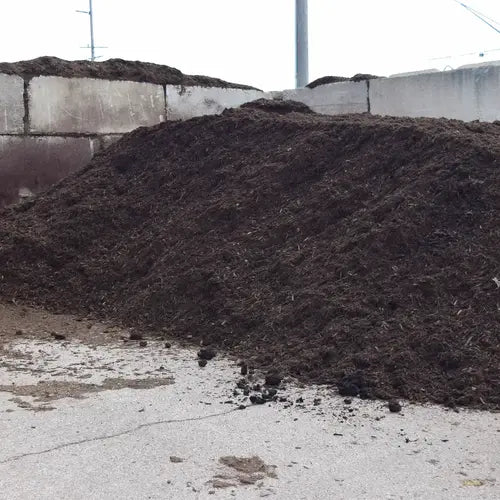
Premium triple shredded black mulch for Dayton properties that deserve the best. The exceptional texture comes from three processing rounds, delivering smooth coverage that looks professionally installed. Rich black color that lasts. Beyond appearance, this mulch helps regulate soil temperature, retain moisture during dry spells, and suppress weed growth naturally. Dayton gardeners find it reduces watering needs and keeps beds looking maintained with minimal effort throughout the season.

View full details

How It Works

Getting started is easy — just follow these simple steps

1

Choose your Mulch

Make sure you adjust the quantity to your home's needs. You can use our calculator to estimate how much you'll need.

2

Select your delivery date

Select a delivery date you'd like for the product to be dropped off at your home

3

Sit back and wait

Sit back, wait, and let us work our magic to make sure the highest quality product is delivered to your driveway.

What Dayton Customers Are Saying

4.9
out of 5 based on 99 reviews
Google Reviews

Calculate mulch for your Dayton project

For Dayton's Clay type of soil, we recommend 2-3 inches for best weed suppression and moisture retention

Try Our Calculator
📍

Mulch works best at 2–3 inches deep—enough to suppress weeds and regulate soil temperature. Our Trace from Satellite tool lets you outline beds and get a yardage estimate. Dayton yards with clay loam soil especially benefit from consistent mulch cover.

Mulch vs. No Mulch: The Difference

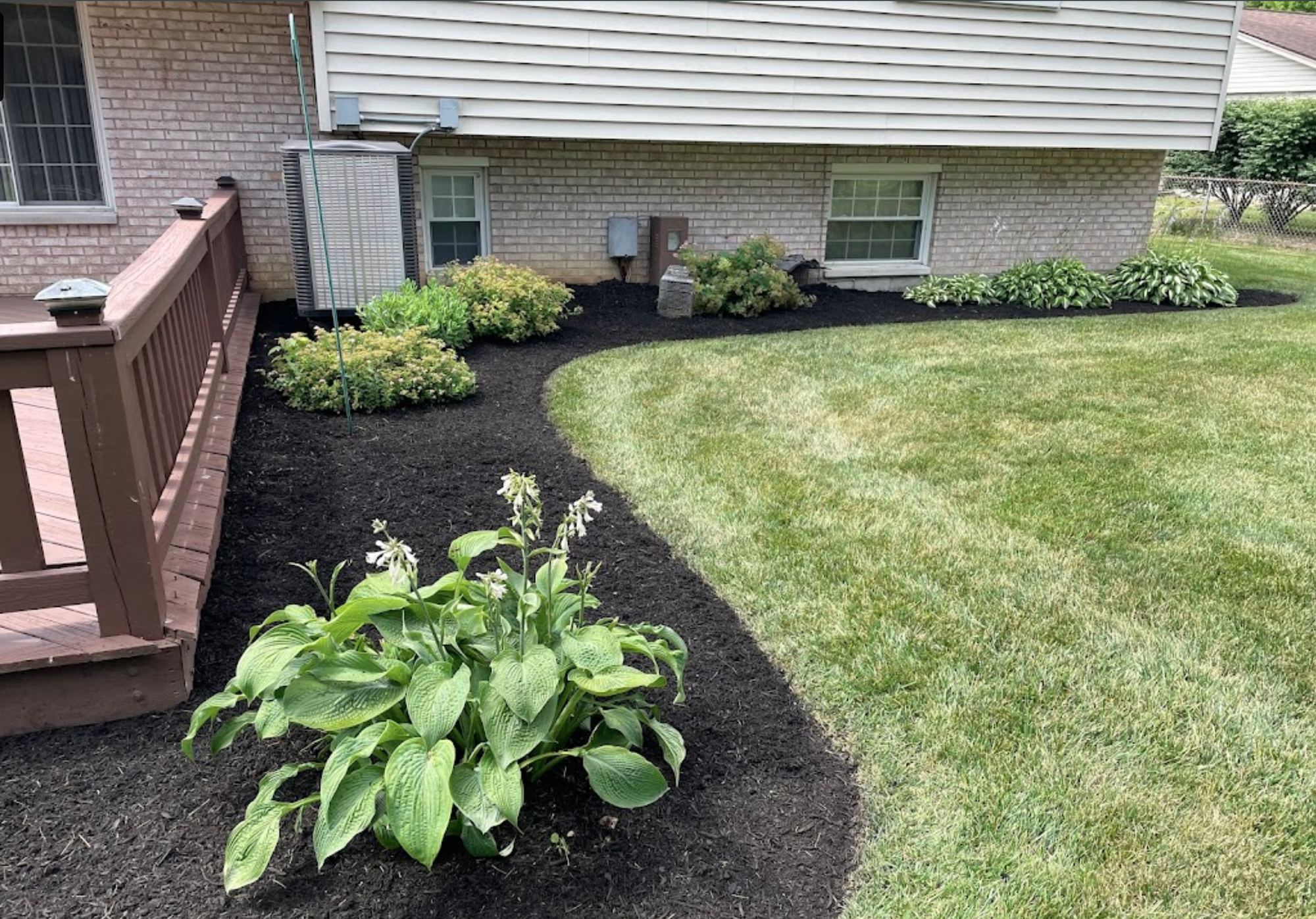
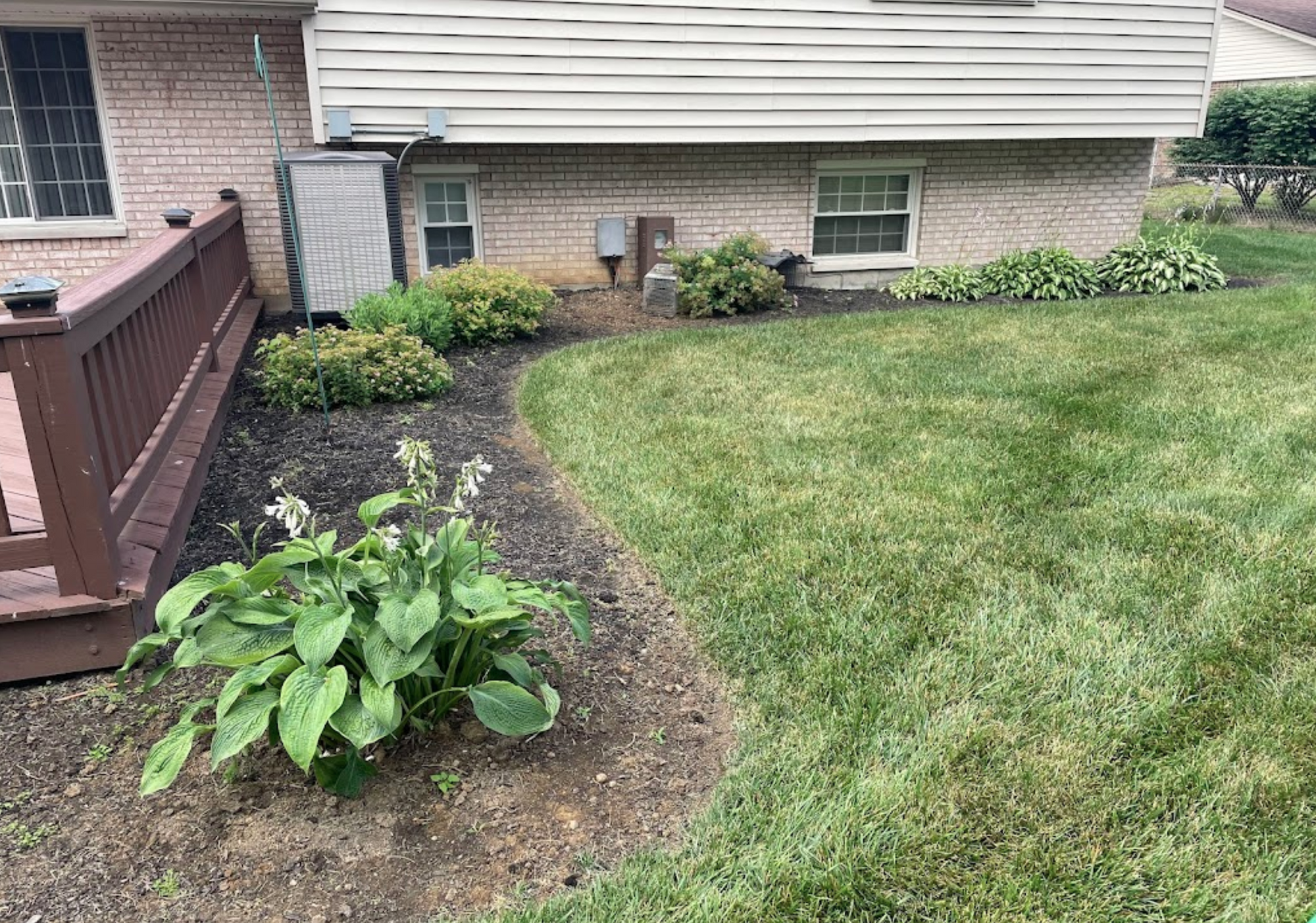
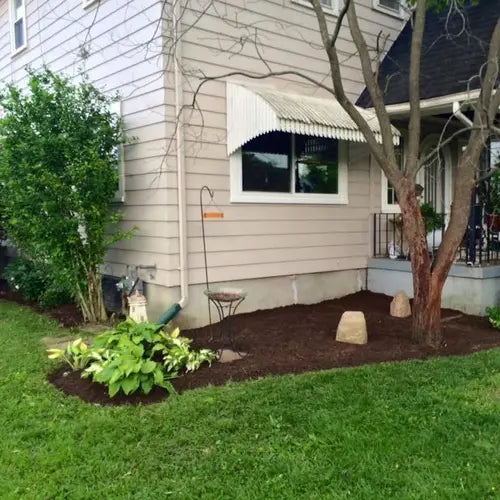
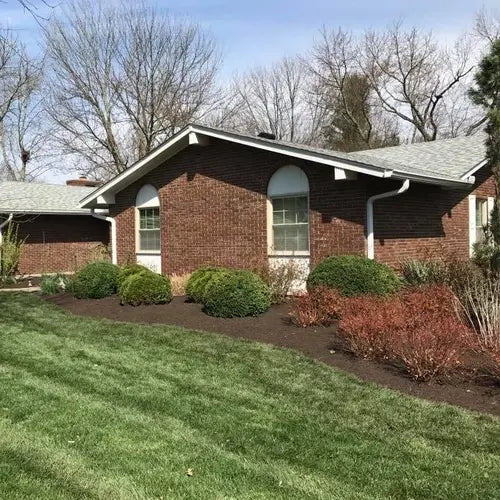
Dayton sits between lake effect moisture and river valley heat. Mulch applied in late spring around beds and borders provides season long weed control and reduces watering needs through the variable summer.

Before image
After image
Slider handle
Before
After

Complete Your Outdoor Mulch Project

Mulch covers the top, but what's underneath counts too. Soil improves drainage and root health on clay loam ground in Dayton. Stone handles high-traffic areas.

Mulch Mound Pro Tip

Do not scalp your lawn edges before mulching the adjacent beds. Exposed soil along bed borders washes into beds during rain and creates an ugly mud line along the mulch edge that looks terrible.

Mulch Mound Pro Tip

Hardwood mulch comes primarily from oak, hickory, and maple tree waste and byproducts. The dense wood breaks down slowly compared to softwoods and resists matting better than softer pine-based mulch sources.

Mulch Mound Pro Tip

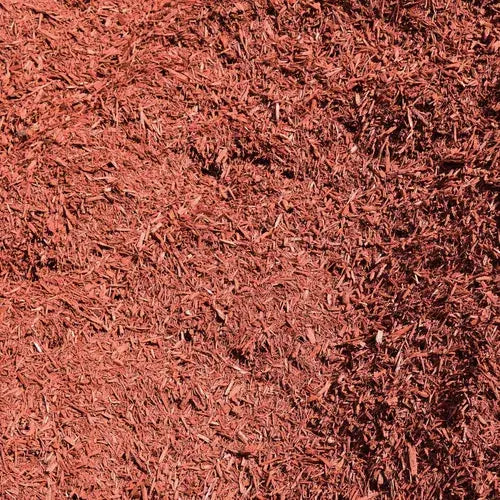
Dyed mulch can temporarily stain concrete driveways and sidewalks if spread on rainy days or when wet. Lay it when dry weather is forecast and keep it off hard surfaces during application to avoid colorful stains.

Frequently Asked Questions

Click a question to see the answer

Answer

Dyed vs natural mulch—which is better?

Neither is wrong. Dyed stays vibrant longer; natural contributes to soil health as it decomposes—which happens quickly in Dayton's humid continental.

Answer

Why is my mulch moldy?

Mold appears when mulch stays damp. Raking helps it dry out. In Dayton, especially after rainy stretches, this is normal and not harmful.

Answer

Is dyed mulch safe for vegetable gardens?

Modern dyed mulches use iron oxide or carbon-based dyes and are considered safe. If cautious, use natural mulch around edibles.

Answer

Is rubber mulch a good choice?

Rubber lasts years but doesn't improve soil. Use it for playgrounds, not garden beds. In Dayton's summer heat, rubber gets uncomfortably hot.

Answer

Does mulch prevent weeds?

Suppression, not prevention. At 3-inch depth, mulch denies light to weed seeds. Some will still pop through—far fewer than bare soil.

Answer

How does Dayton's climate affect mulch?

Mulch decomposes at a moderate pace in Dayton's humid continental conditions. Expect to refresh beds every year to 18 months.

Answer

When is the best time to mulch?

Target late spring in Dayton—typically after Apr 25 when frost risk passes. Wait for soil to warm before laying mulch.

The Unique Landscape of Dayton

Mulch is the quickest upgrade for cleaner, lower‑maintenance beds. Dayton freeze–thaw and spring rain can beat up beds if materials aren’t refreshed. In Dayton, Ohio, mulch reduces weed pressure, keeps soil from splashing, and makes maintenance easier. It helps hold moisture, cuts weeds, and protects roots from temperature swings. Refresh lightly as needed and keep mulch away from trunks. Choose natural hardwood for a classic look, or dyed mulch for bold contrast. Delivery keeps the focus on the work, not on loading and unloading bags.