Skip to product information
1 of 3

Dayton Soil Delivery

Dayton Soil Delivery

Regular price $49.99 per yard
Regular price Sale price $49.99
Sale Sold out
Type

Figure your area in square feet, pick your depth. Dayton projects range from thin lawn leveling to substantial raised bed fills.
Use our free soil calculator

A yard is approximately 27 cubic feet. As a general guideline, one yard of material can cover an area of about 10 feet by 10 feet at a few inches deep.

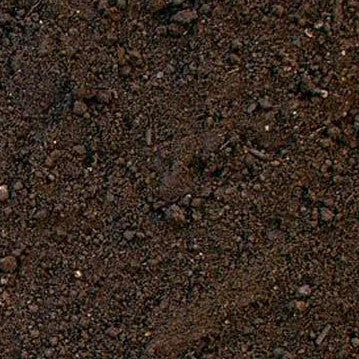
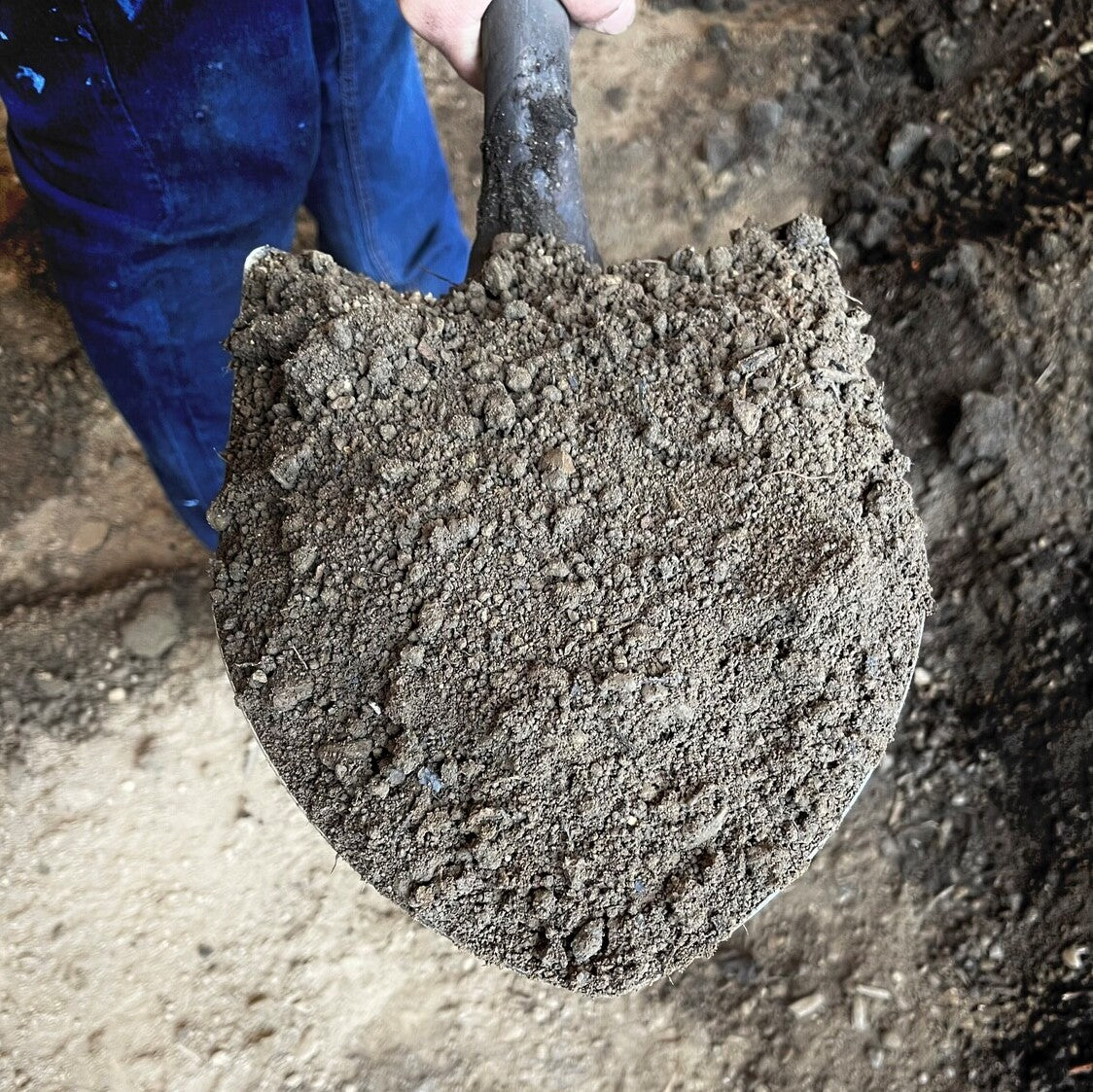
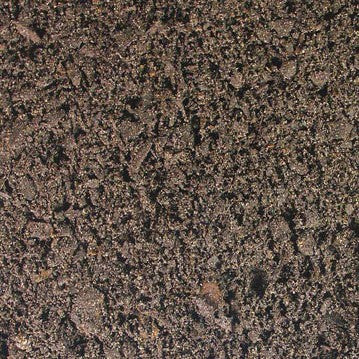
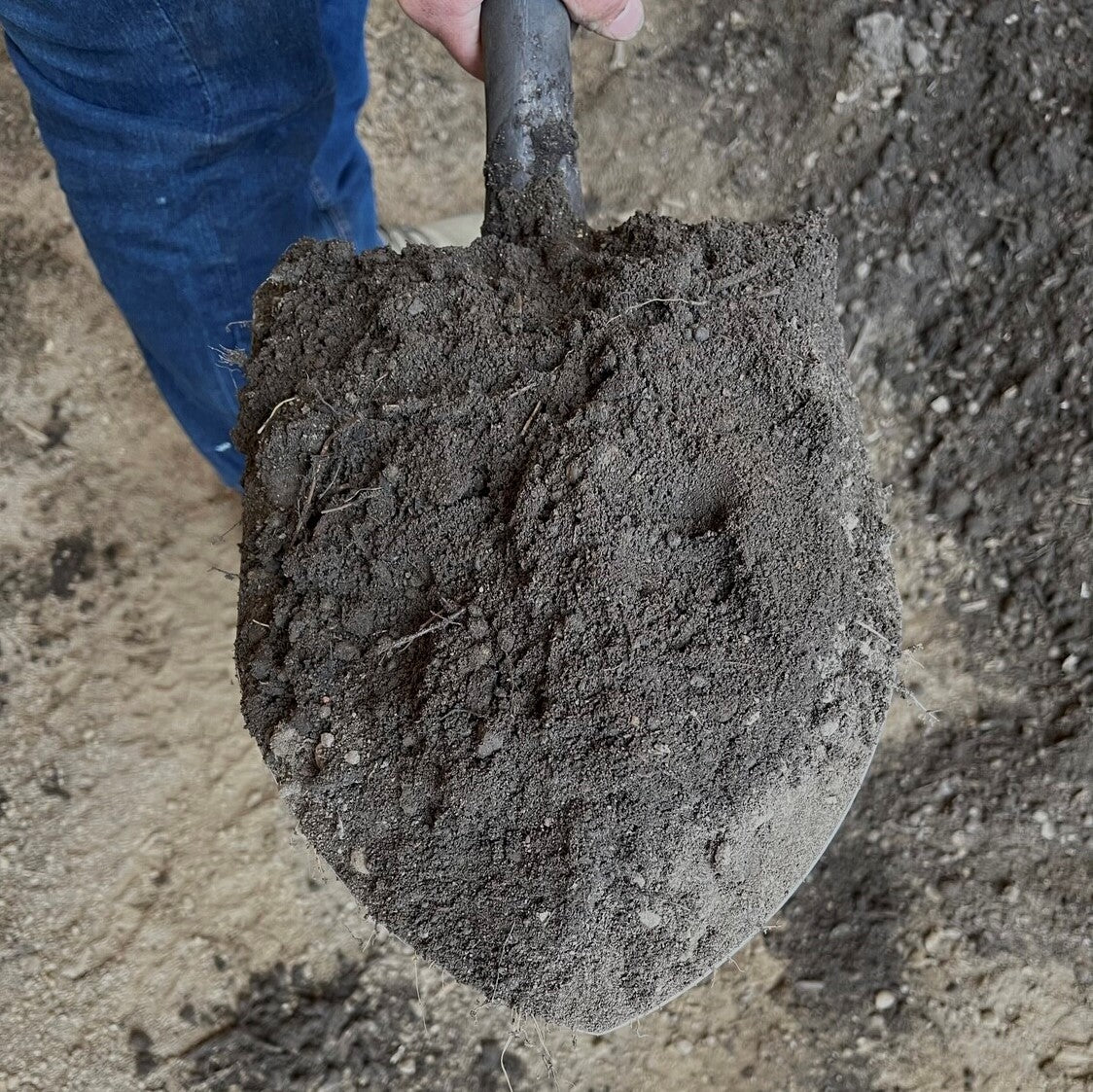
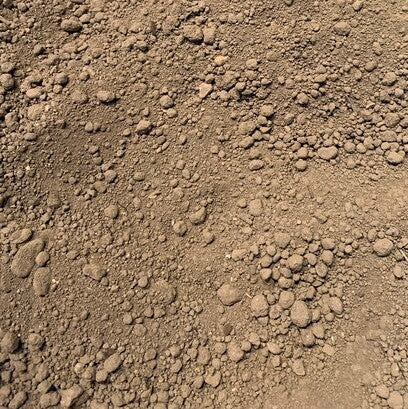
Our screened topsoil handles the full range of Dayton landscaping needs. Lawn leveling, garden bed prep, hole filling, general grading. Clean, consistent material that works where you need it. The investment in good topsoil returns dividends. Dayton plants establish faster, require less supplemental watering, and grow healthier when the foundation is solid.

View full details

How It Works

Getting started is easy — just follow these simple steps

1

Choose your soil

Make sure you adjust the quantity to your home's needs. You can use our calculator to estimate how much you'll need.

2

Select your delivery date

Select a delivery date you'd like for the product to be dropped off at your home

3

Sit back and wait

Sit back, wait, and let us work our magic to make sure the highest quality product is delivered to your driveway.

What Dayton Customers Like About Our Soil

4.9
out of 5 based on 99 reviews
Google Reviews

Need Help Calculating How Much Soil You Need?

Use our NEW Trace from Satellite tool to get an estimate for your project based on an aerial view of your property

Try Our Calculator
📍

Trace your project area to estimate soil needs. Shallow applications handle lawn patching and light leveling; deeper fills work better for beds, berms, and grade corrections. Dayton's native clay loam soil often benefits from a quality topsoil layer.

Complete Your Outdoor Soil Project

Build your Dayton beds from the ground up. Soil creates the growing layer, mulch shields it, and stone provides structure for paths and borders.

Frequently Asked Questions

Click a question to see the answer

Answer

How do I prepare the area before adding soil?

Clear weeds and debris, loosen existing ground 4–6 inches deep. In Dayton's clay loam, breaking up the native layer helps drainage.

Answer

How is delivery priced?

We price by distance from our yard. Cart provides an estimate; your complete address at checkout locks in the actual fee.

Answer

Can I pick my delivery date?

Yes—available dates show once you add to cart and enter your address. Choose what works and select your time preference.

Answer

What soil for containers?

Potting mix specifically. Garden soil clogs and compacts in containers. Potted plants require the lighter, airier structure of potting mix.

Answer

Should I mix new soil with existing?

Always blend the interface zone. Unmixed layers create drainage barriers. Work new and existing soil together where they meet.

Answer

Do I need landscape fabric under soil?

For raised beds on grass, cardboard works better—smothers weeds, then decomposes. Skip fabric under planting areas; use it under paths.

Answer

How do I fix clay soil?

Add organic matter and gypsum. Never add sand to clay—it makes concrete. Compost tilled into the top layer helps over seasons.

Mulch Mound Pro Tip

A cubic yard of topsoil weighs roughly 2,000 to 2,400 pounds depending on moisture content at delivery time. Wet soil can weigh 30 percent more than dry soil of the same volume.

Mulch Mound Pro Tip

Garden soil and topsoil are different products designed for different uses. Topsoil is screened native soil for general use. Garden soil includes amendments like compost and fertilizer already mixed in.

Mulch Mound Pro Tip

Fill dirt and topsoil are completely different products for different purposes. Fill is infertile subsoil for grading and structural support. Topsoil is the fertile surface layer for growing plants.

The Unique Landscape of Dayton

Dayton, Ohio planting jobs are simpler when soil spreads evenly and settles without big clumps. It’s normal for beds to settle; topping off soil restores a clean finish, so a fresh layer helps you re-level and plant cleanly. Use it to top-dress, rebuild worn bed edges, and smooth low areas before seed. If you’re seeding, smooth the surface and water lightly to lock in soil-to-seed contact. Delivery is just the practical part—less lifting and fewer trips.
