


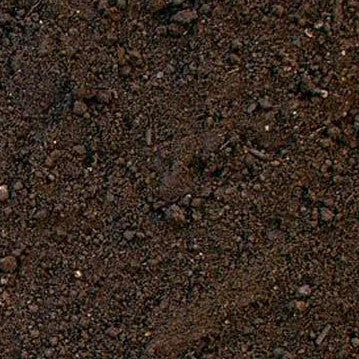


Fair price for high quality mulch and soil. No issues at all with delivery and arrived on time!
Denver Soil Delivery
Denver Soil Delivery
Regular price
$55.00
per
yard
Regular price
Sale price
$55.00
Unit price
per
Minimum of 3
Couldn't load pickup availability
Tell us what you're looking for
Thanks! We received your request.
Something went wrong. Please try again.
How Much Material Do I Need?
How Much Material Do I Need?
How deep are you filling? Denver lawn top-dressing stays under 2 inches. Raised beds and berms need 8 to 12 inches or more.
Use our free soil calculator
What is a yard?
What is a yard?
What is a yards?
What is a yards?
FAQs
FAQs
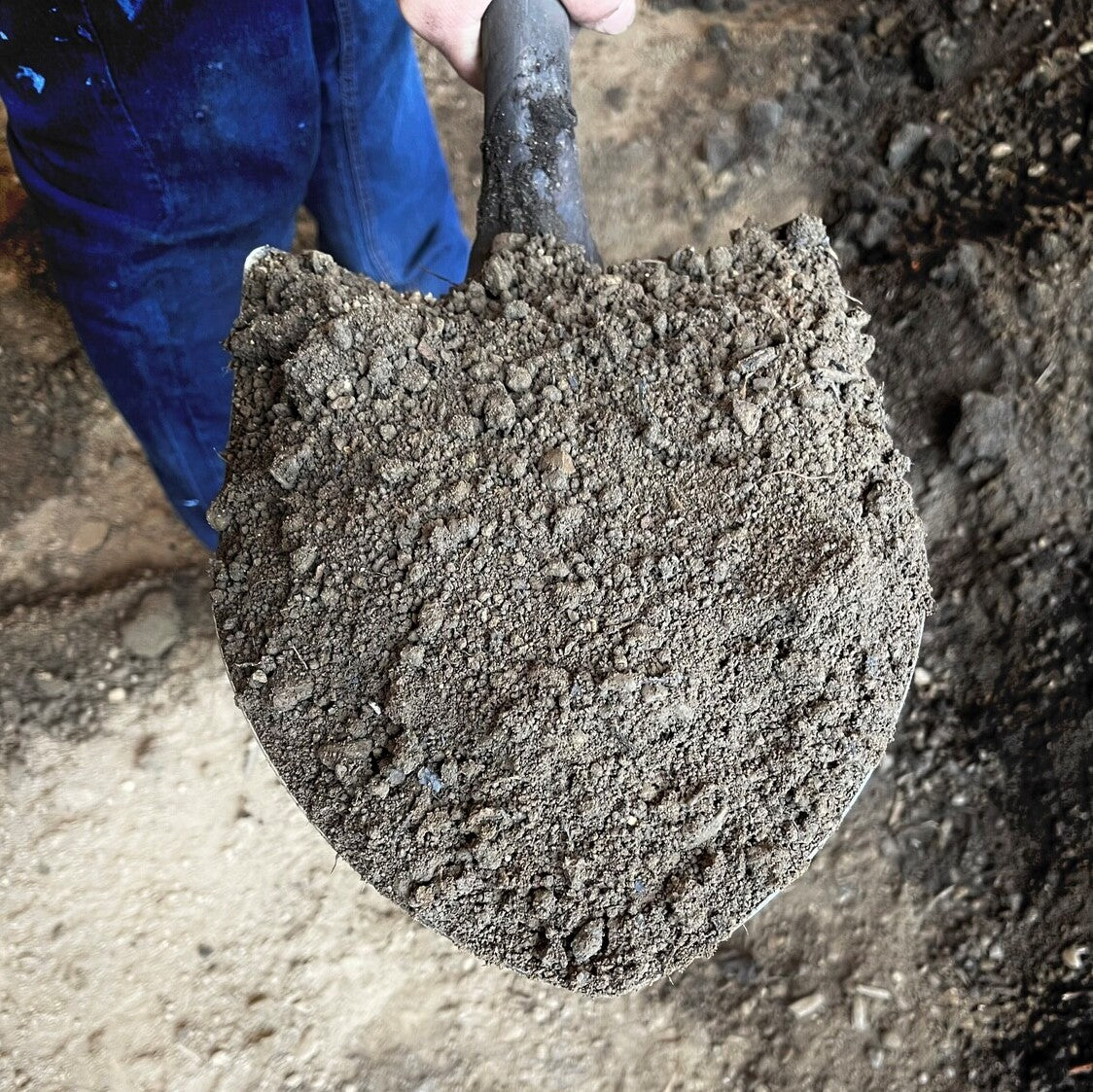
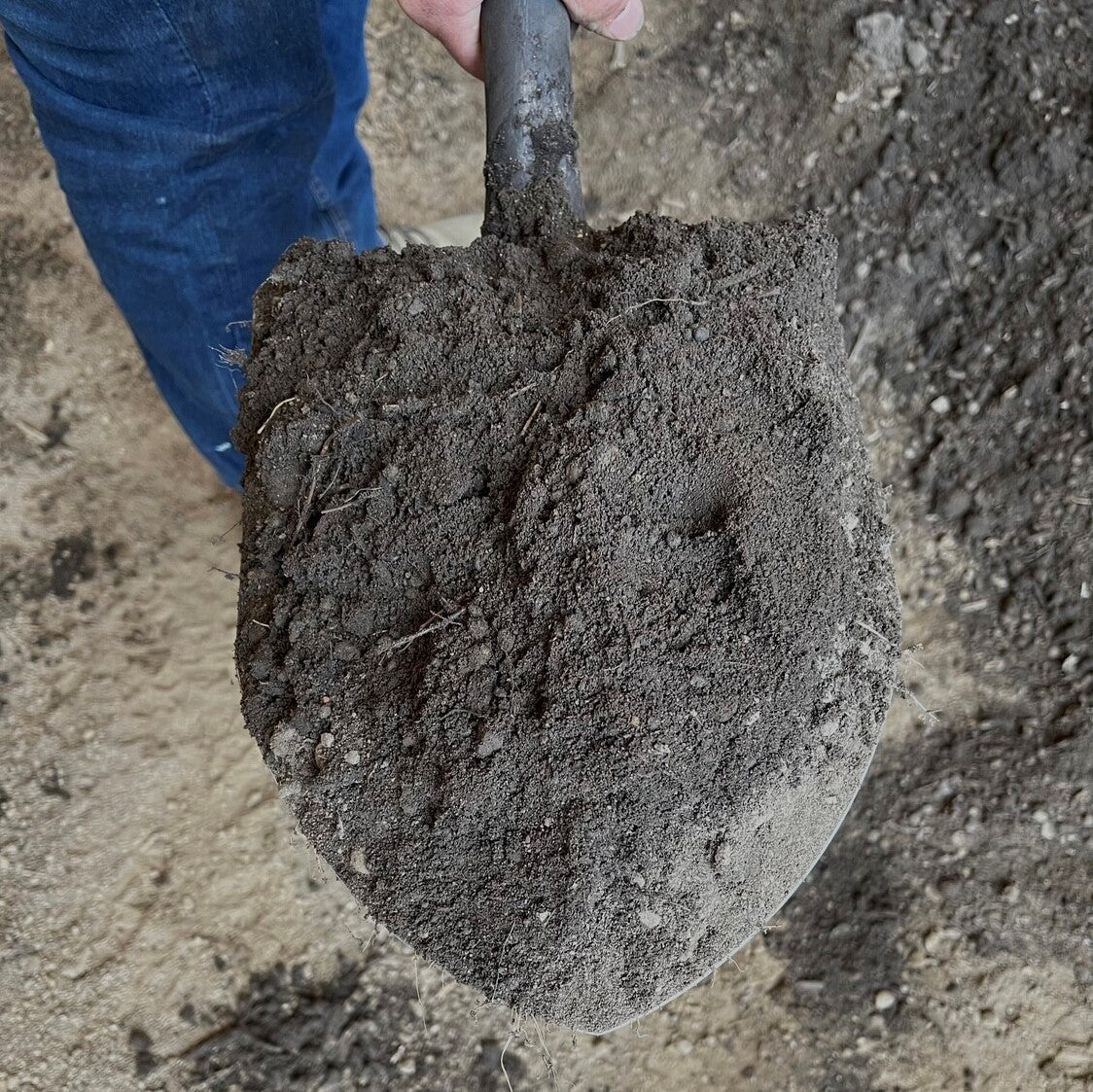
Quality topsoil for lawns, gardens, and landscape projects. Nutrient rich and ready to support strong root development and healthy plant establishment.


How It Works
Getting started is easy — just follow these simple steps
1
Choose your soil
Make sure you adjust the quantity to your home's needs. You can use our calculator to estimate how much you'll need.
2
Select your delivery date
Select a delivery date you'd like for the product to be dropped off at your home
3
Sit back and wait
Sit back, wait, and let us work our magic to make sure the highest quality product is delivered to your driveway.

Easy to order, great service, and great product. We enjoy the final look of a very neglected beds we inherited!


 +6
+6

Very easy to place order online for our exact needs and very flexible for when we needed
Need Help Calculating How Much Soil You Need?
Use our NEW Trace from Satellite tool to get an estimate for your project based on an aerial view of your property
Try Our CalculatorSoil projects usually involve filling, leveling, or prepping for planting. Trace your work area and select a depth to estimate yardage. Shallow depths handle lawn leveling well, while deeper fills suit beds and grading work in Denver.
Complete Your Outdoor Soil Project
Soil gets your beds ready for planting. Add mulch on top to protect roots and hold moisture in clay loam ground. Stone finishes Denver paths and edging.


Areas We Deliver Soil in Denver, Colorado
- Arvada, Colorado
- Aurora, Colorado
- Berkley, Colorado
- Boulder, Colorado
- Brighton, Colorado
- Broomfield, Colorado
- Castle Pines, Colorado
- Castle Rock, Colorado
- Centennial, Colorado
- Cherry Creek, Colorado
- Columbine, Colorado
- Commerce City, Colorado
- Dakota Ridge, Colorado
- Englewood, Colorado
- Erie, Colorado
- Federal Heights, Colorado
- Firestone, Colorado
- Four Square Mile, Colorado
- Frederick, Colorado
- Golden, Colorado
- Greenwood Village, Colorado
- Highlands Ranch, Colorado
- Ken Caryl, Colorado
- Lafayette, Colorado
- Lakewood, Colorado
- Littleton, Colorado
- Lone Tree, Colorado
- Louisville, Colorado
- Northglenn, Colorado
- Parker, Colorado
- Sherrelwood, Colorado
- Superior, Colorado
- The Pinery, Colorado
- Thornton, Colorado
- Welby, Colorado
- Westminster, Colorado
- Wheat Ridge, Colorado
Mulch Mound Pro Tip
Crown planting beds slightly higher than surrounding lawn for better appearance and drainage. This improves water movement away from plant stems and creates visual definition without edging materials.
Mulch Mound Pro Tip
Mix new topsoil into existing clay loam soil at bed edges rather than creating a sharp boundary between materials. Blending the transition zone helps water move naturally between layers without pooling.
Mulch Mound Pro Tip
Heavy clay loam soil common in Denver benefits from gypsum mixed into new topsoil applications. It breaks up clay particles and improves drainage without changing soil pH the way lime does.
The Unique Landscape of Denver
In Denver, refreshed soil makes it easier to set grade before seed, sod, or new plantings. Spring rain and freeze–thaw cycles can leave beds lumpy and wash out low spots, so a fresh layer helps you re-level and plant cleanly. Helpful for vegetable beds, new borders, and rebuilding spots that eroded or settled. Feather edges into existing grade so mowing and edging stay clean. Delivered soil makes it easier to do the job once and move on to planting.
Explore other options for landscape supply delivery in Denver, Colorado