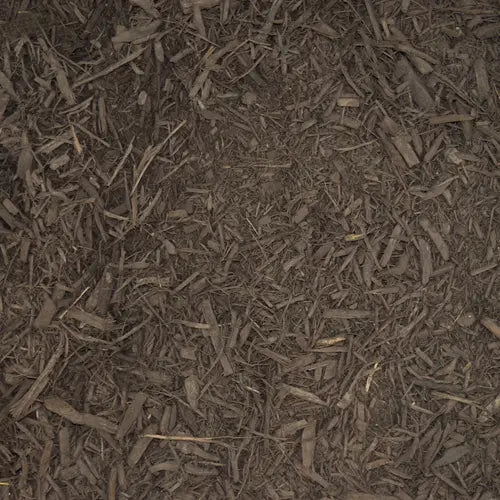
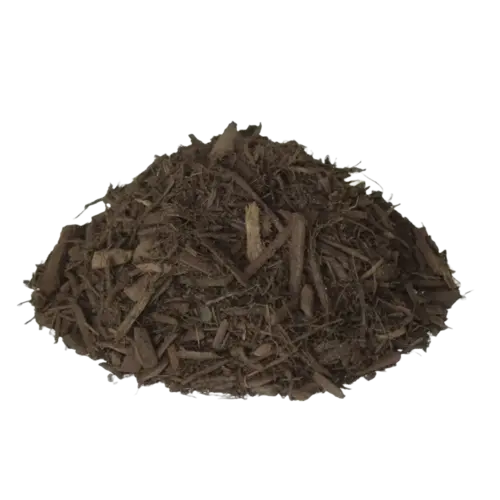
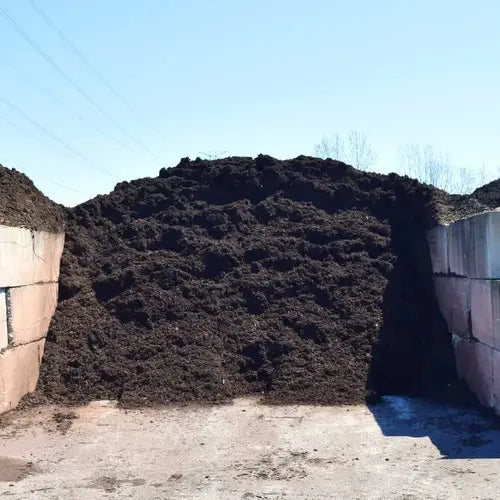
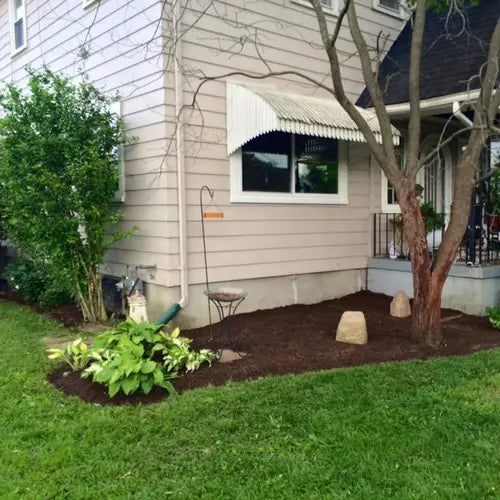
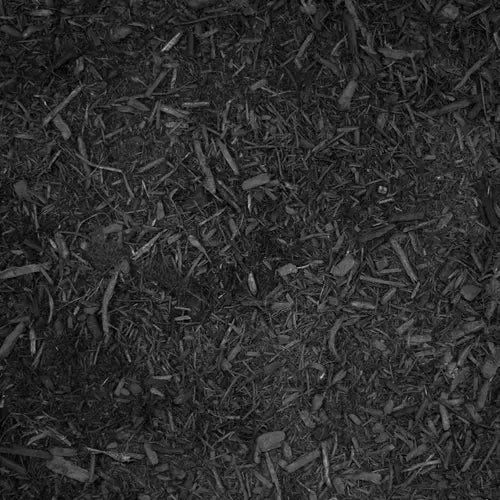
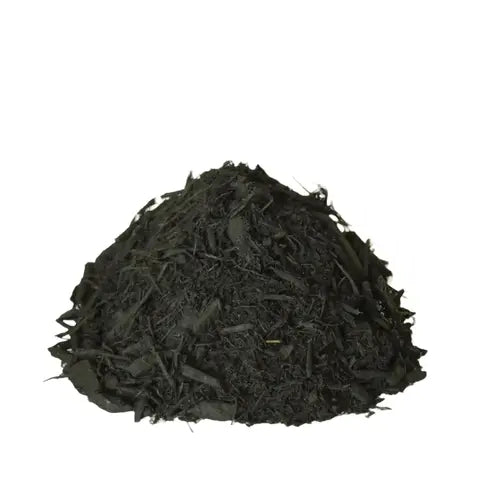
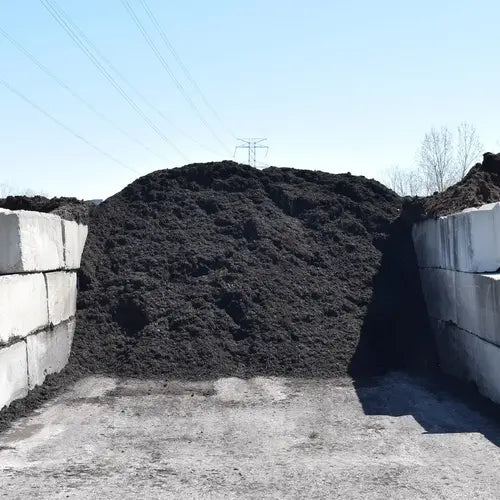
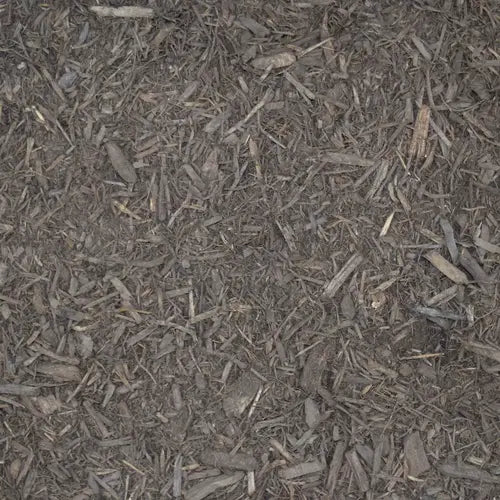
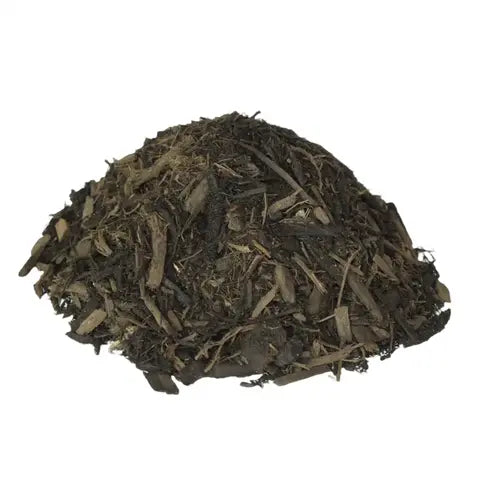
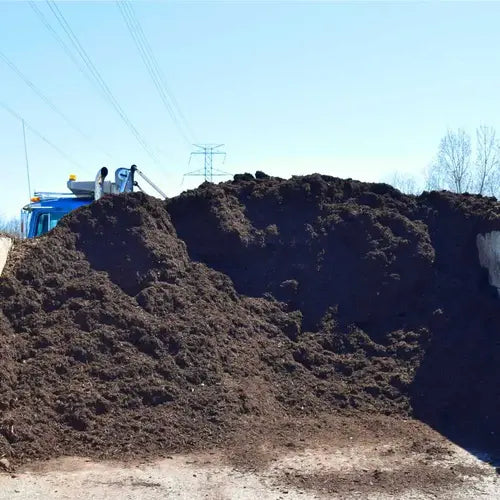
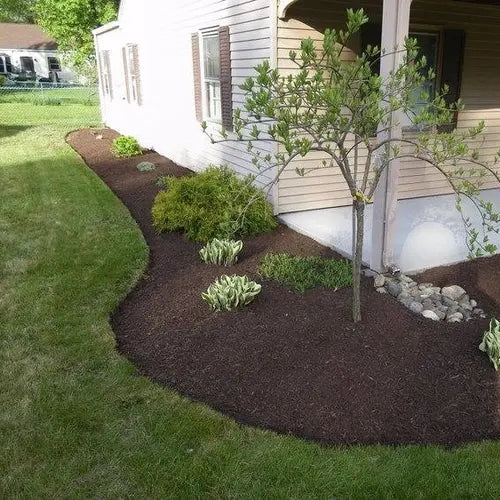
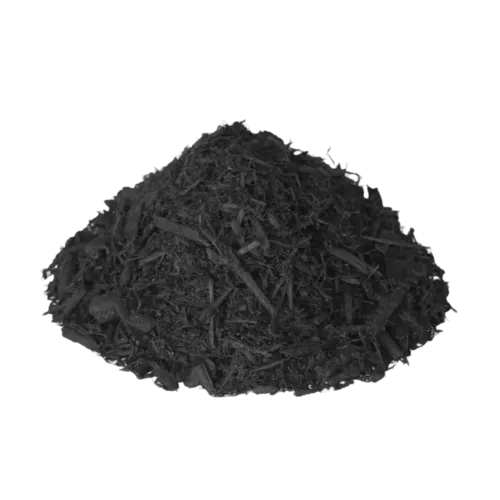
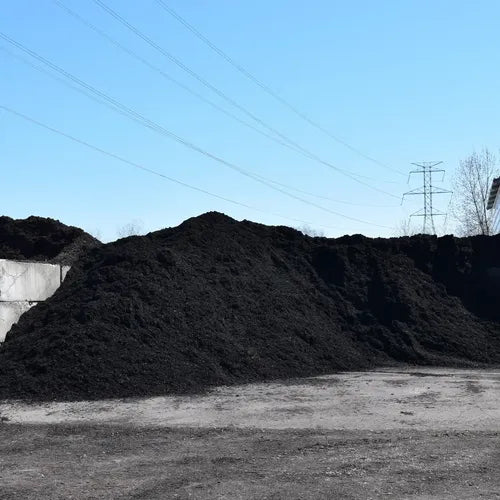
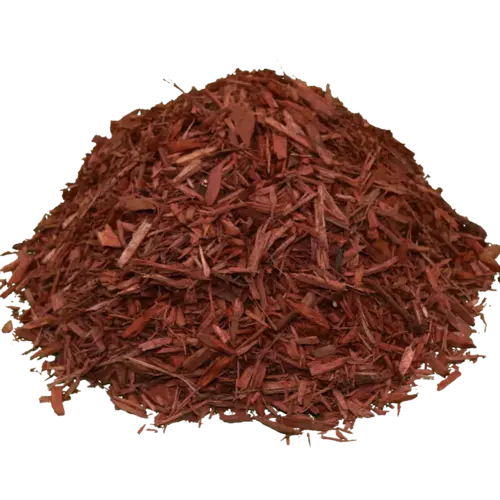
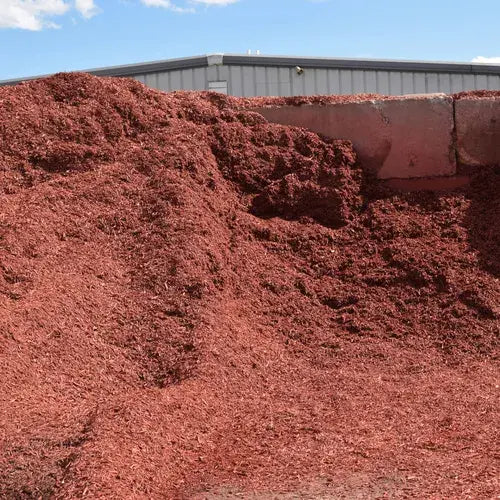
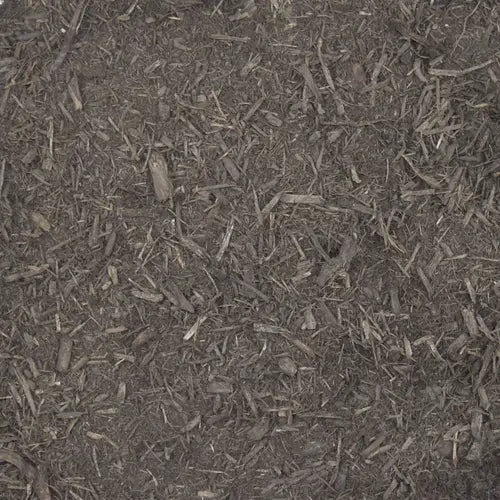
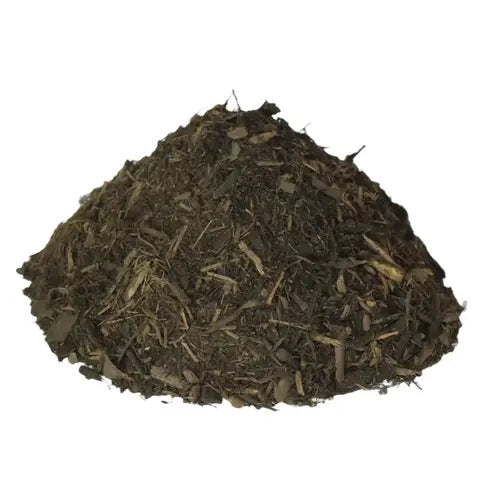
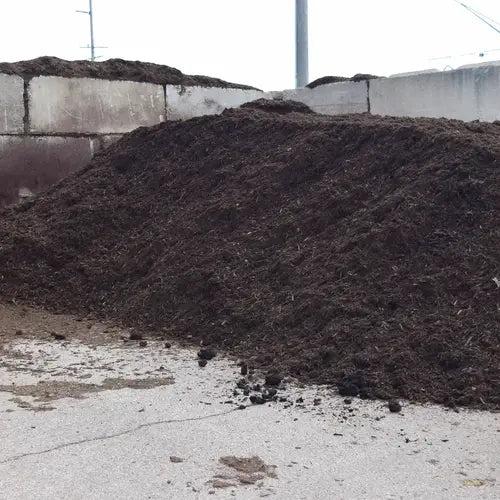
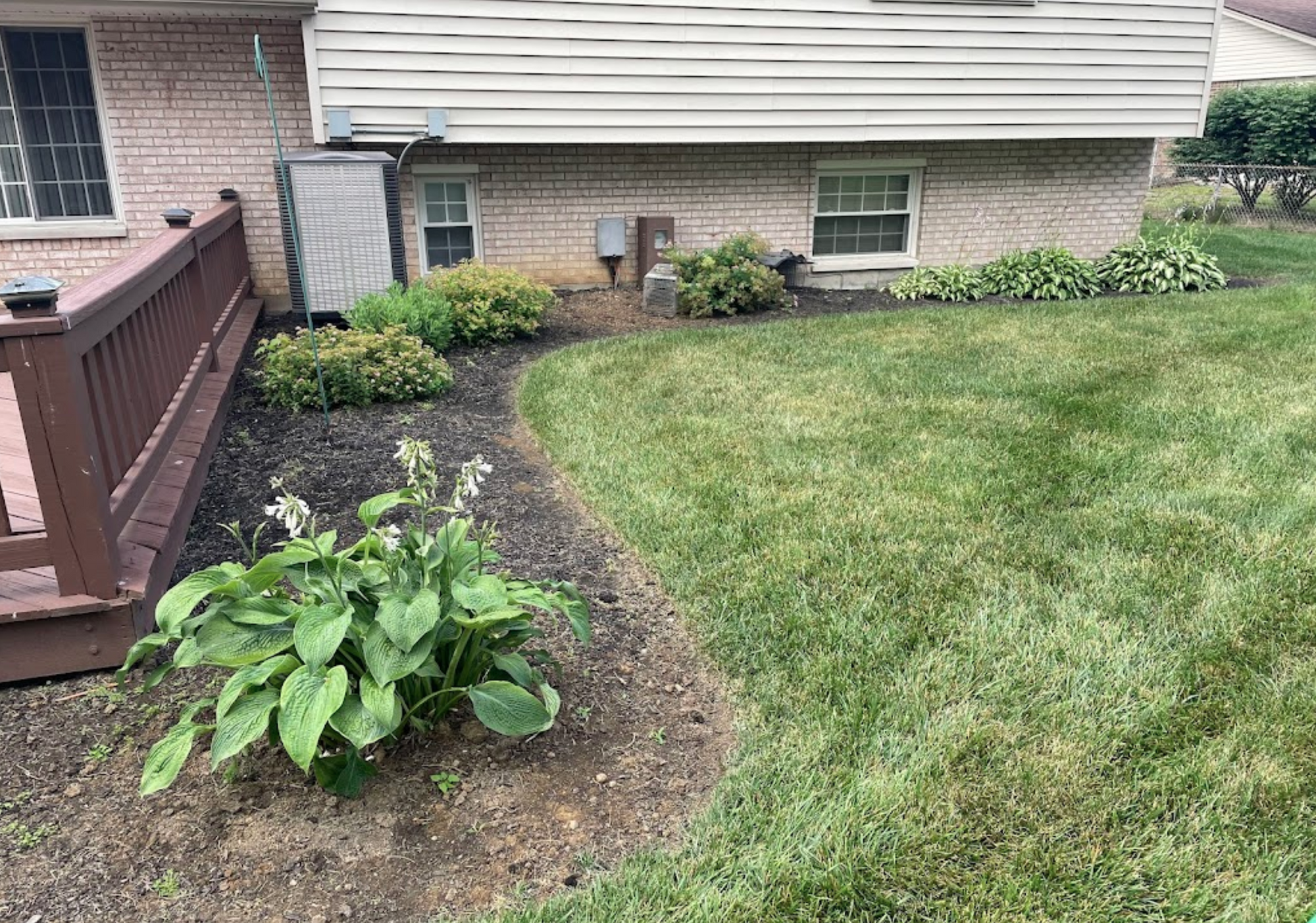
Warm brown double shredded mulch with lasting color that looks freshly applied for weeks. Spreads smooth, stays put, and gives beds a natural, polished appearance.
We needed mulch for our HOA common areas. Local providers were all holding high prices even for 40 yards of mulch. Mulch mound was easy to wowith & has great price for natural mulch + delivery schedule options. They called before delivery to ensure Delivery was exactly wher...
Tell us what you're looking for
Thanks! We received your request.
Something went wrong. Please try again.
How Much Material Do I Need?
For most Dickinson plant beds with clay loam soil, 3 to 4 inches of mulch is the sweet spot that suppresses weeds while allowing heavy Gulf Coast rainfall to still reach roots without waterlogging. Tree rings in particular benefit from a full 4 inch application since clay soil under trees tends to compact heavily with foot traffic.
Use our free mulch calculator
What is a yard?
A yard is approximately 27 cubic feet. As a general guideline, one yard of material can cover an area of about 100-160 square feet at a 2-3 inch depth.
We can't take orders for this right now. Tell us what you need and we'll get back to you.
What do you need?
Thanks! We received your request.
Something went wrong. Please try again.
Hand-picked local yards
4,000+ regional deliveries
Dedicated support
Why order through Mulch Mound
The best local mulch, without the guesswork.
We hand-pick and partner with the best yards in your region, keep only the ones our buyers rate well, and back each load with our guarantee.
Mulch Mound Guarantee
If your mulch isn't the quantity or quality you ordered, we'll make it right.
About this mulch
Warm brown double shredded mulch with lasting color that looks freshly applied for weeks. Spreads smooth, stays put, and gives beds a natural, polished appearance.
We needed mulch for our HOA common areas. Local providers were all holding high prices even for 40 yards of mulch. Mulch mound was easy to wowith & has great price for natural mulch + delivery schedule options. They called before delivery to ensure Delivery was exactly wher...
How Much Material Do I Need?
For most Dickinson plant beds with clay loam soil, 3 to 4 inches of mulch is the sweet spot that suppresses weeds while allowing heavy Gulf Coast rainfall to still reach roots without waterlogging. Tree rings in particular benefit from a full 4 inch application since clay soil under trees tends to compact heavily with foot traffic.
Use our free mulch calculator
What is a yard?
A yard is approximately 27 cubic feet. As a general guideline, one yard of material can cover an area of about 100-160 square feet at a 2-3 inch depth.
We needed mulch for our HOA common areas. Local providers were all holding high prices even for 40 yards of mulch. Mulch mound was easy to wowith...
Read full review
We needed mulch for our HOA common areas. Local providers were all holding high prices even for 40 yards of mulch. Mulch mound was easy to wowith & has great price for natural mulch + delivery schedule options. They called before delivery to ensure Delivery was exactly where we wanted it.
Delivery was on time and great quality Mulch. Got it done in a reasonable time and yard looks great. Couldn’t be happier!!! Thank you and will us...
Read full review
Delivery was on time and great quality Mulch. Got it done in a reasonable time and yard looks great. Couldn’t be happier!!! Thank you and will use again!!
Mulch Mound delivered a yard of pea gravel to us. Delivery was on time, driver was friendly and hit a bullseye on the “tarp target”. We used the ...
Read full review
Mulch Mound delivered a yard of pea gravel to us. Delivery was on time, driver was friendly and hit a bullseye on the “tarp target”. We used the pea gravel (which was diameter as specified) to fill several muskrat holes around our pond. I would definitely recommend Mulch Mound to a friend!
Start by measuring each bed's length and width in feet and multiplying for square footage. Because Dickinson's clay loam soil can be slow to drain, targeting a full 3 inch depth rather than skimping at 2 inches will provide better moisture management through the area's heavy rain seasons. Divide total square footage by 100 to get your cubic yard estimate at the 3 inch depth.
Mulch vs. No Mulch: The Difference
Dickinson's intense summer heat and high humidity accelerate the breakdown of all organic mulches, but the rate varies between natural and dyed options. Natural hardwood mulch decomposes faster in this climate than it would in cooler regions, continuously feeding the clay loam soil with beneficial organic matter, while color-enhanced dyed mulches use a more processed wood base that breaks down more slowly and holds visible color through the long growing season. Understanding that tradeoff helps Dickinson homeowners choose based on whether their priority is improving soil health over time or maintaining strong curb appeal from one season to the next.
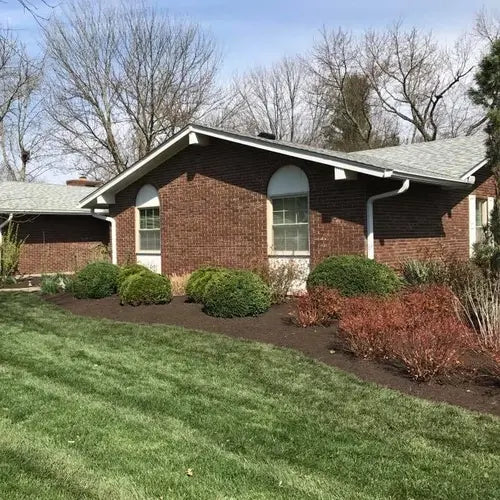
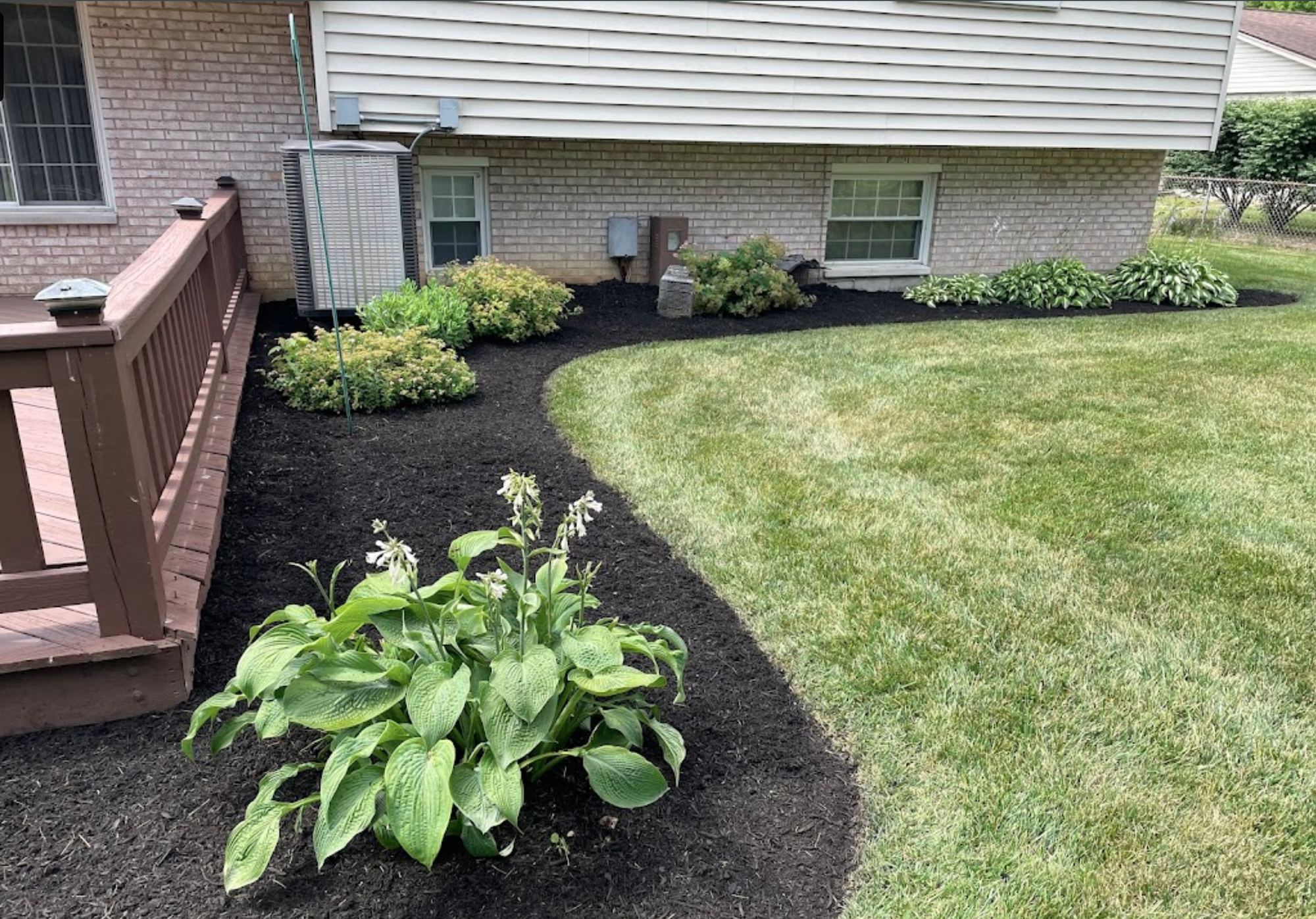
Before
After
Best Mulch Choice for Dickinson Lawns
Most yards in the Dickinson area sit on Clay Loam type of soil. Dickinson's clay loam soil tends to compact under the weight of frequent rainfall, and plant beds can quickly develop a tight surface layer that restricts root growth and water movement into the ground.
Hardwood Mulch
Hardwood mulch is particularly valuable in Dickinson's clay loam beds because as it decomposes it releases humic acids that help break apart tightly bound clay particles, gradually improving drainage and creating a looser, more workable soil structure that benefits every planting season that follows.
Mulch Types We Deliver in Dickinson
Mulch Mound delivers fresh bulk mulch by the cubic yard straight to your door in Dickinson. Whether you are refreshing flower beds, covering tree rings, or finishing a new landscape install, we load and drop exactly what your project needs. Searching for bulk mulch delivery near me means getting fresh material, accurate yardage, and a reliable delivery window every time.
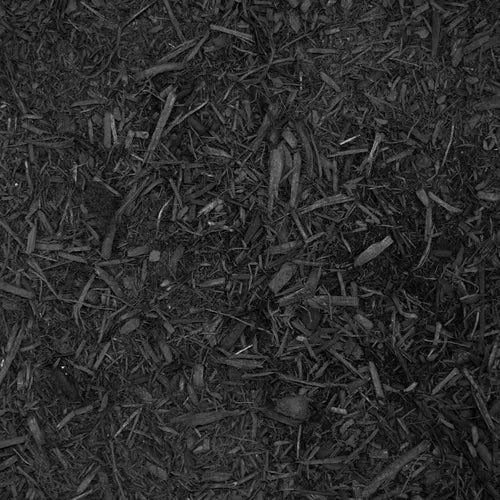
Dyed Black Mulch
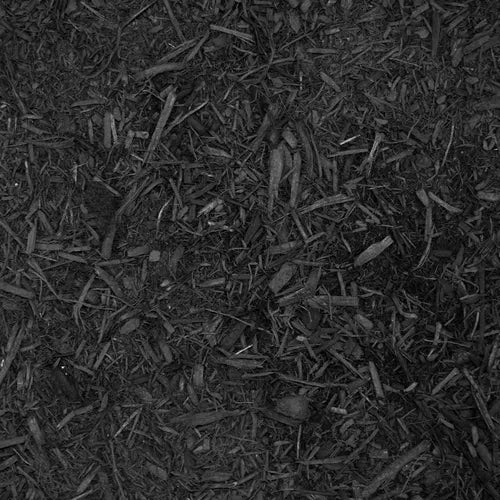
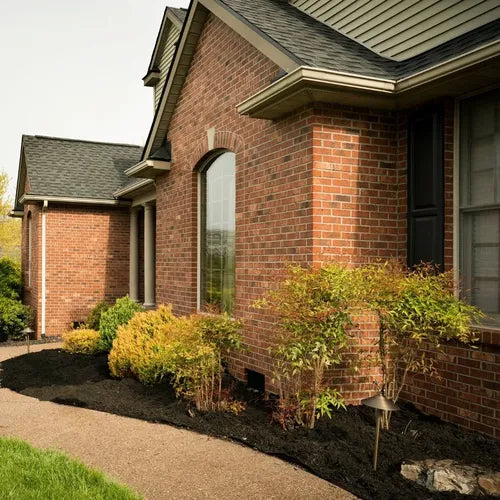
Bold and striking, dyed black mulch creates sharp contrast against the bright green foliage common in local yards. Available in double shredded or triple shredded styles, both spread cleanly over the region's heavy clay soil. The rich color holds up through humid summers and heavy Gulf Coast rains.
Natural Brown Mulch
A clean, natural look that suits the relaxed outdoor style found across southeast Texas. Natural brown comes in double shredded or triple shredded, so you can match the texture to the bed. The earthy tone blends well with the sandy and clay soils common in this area.
Cedar Mulch
Cedar mulch is a smart pick for landscapes where insects and moisture can stress plants through the long humid season. The natural oils repel pests and resist decay, so beds stay fresh longer. The double shredded texture spreads evenly and holds position well even after heavy rain.
Dyed Red Mulch
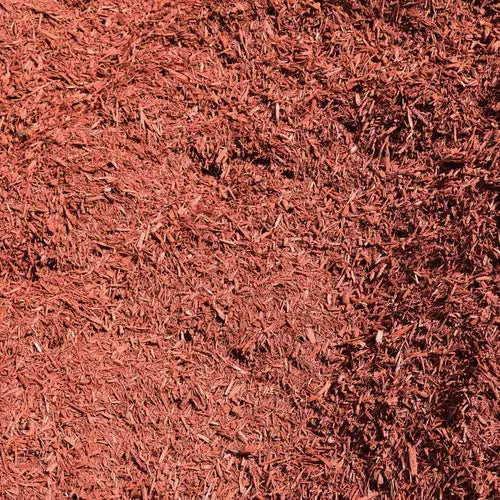
Dyed red mulch adds bold color to front yard beds where curb appeal matters. The vibrant double shredded material pops against the green lawns typical of southeast Texas homes and holds its intensity through the seasons. A popular choice for homeowners who want landscaping that stands out from the street.
Complete Your Outdoor Mulch Project
If you are refreshing beds with mulch, consider pairing it with a delivery of quality garden soil to amend the clay loam beneath the surface and give new plantings a better start. Adding a decorative stone border around mulched beds is also popular in Dickinson, as it keeps mulch from washing into lawns during heavy rain events.
Dickinson's clay loam soil can become hydrophobic during extended dry spells, meaning water beads up and rolls off rather than soaking in. Before spreading fresh mulch, lightly till or aerate the top inch of soil in your beds to break up any surface crust that formed over the summer. This small step dramatically improves how well both water and mulch nutrients work their way into the root zone once the Gulf Coast rain returns.
Mulch Mound Pro Tip
Because Dickinson rarely sees hard freezes before mid-December, many homeowners skip the fall mulch refresh, but that October application matters more than most realize. A fresh 1 to 2 inch top-off in early November insulates clay loam soil against the temperature swings that come with Gulf Coast cold fronts, protecting roots of established shrubs and perennials from repeated freeze-thaw cycles that can heave shallow root systems out of the ground.
Mulch Mound Pro Tip
With 55 inches of rain falling on Dickinson each year, mulch placement near downspouts and low spots in the yard requires extra attention. In high-flow areas, choose a coarser shredded hardwood or nugget-style mulch that resists displacement better than fine-textured products during intense Gulf Coast storms. You may also want to install a small gravel channel to divert concentrated runoff before it hits your mulched beds, keeping material in place through even the heaviest rainfall events the area sees.
Frequently Asked Questions
Click a question to see the answer
Answer
How thick should I apply mulch in Dickinson to handle our heavy summer rains?
With Dickinson receiving around 55 inches of rain per year, a 3 to 4 inch layer of mulch strikes the right balance. Too thin and the mulch washes away in heavy downpours, too thick and you risk trapping excess moisture against plant stems in clay loam soil that already drains slowly. Aim for 3 inches in most beds and pull the mulch back slightly from the base of shrubs and tree trunks.
Answer
Will mulch break down faster here because of the heat and humidity?
Yes, Dickinson's combination of high humidity, warm temperatures, and a growing season that runs almost 10 months means organic mulches decompose faster than they would in cooler climates. Hardwood mulch typically needs replenishment once a year, while finer shredded mulches may need topping off every 8 to 10 months. This decomposition is actually beneficial because it adds organic matter to the clay loam soil over time.
Answer
Does mulch really help with the clay soil we have in Dickinson?
Absolutely. Dickinson's clay loam soil tends to compact under foot traffic and heavy rainfall, forming a dense surface crust that sheds water rather than absorbing it. As mulch breaks down at the soil surface, it slowly introduces organic material that loosens clay particles, improves pore structure, and helps roots penetrate more easily. Over several seasons of consistent mulching, you will notice your beds becoming noticeably easier to work with.
Answer
What color mulch holds up best through Dickinson summers without fading?
Dyed mulches, particularly double or triple-processed black and brown mulch, hold their color longer than natural hardwood mulch under intense sun. However, even quality dyed mulch will fade in Dickinson's strong UV exposure over one full season. If color retention matters for your curb appeal, plan to refresh with a thin top layer each spring around late February after the last frost has passed.
Answer
Is there a best time of year to put down fresh mulch in Dickinson?
Late February and early March is the ideal window for Dickinson homeowners. The last frost date of around February 10 has typically passed, soil is beginning to warm, and you want that mulch layer in place before summer heat arrives. A second light application in October helps insulate roots heading into the mild but occasionally frosty Dickinson winter, which can see its first frost around December 17.
Answer
Can I use mulch around my vegetable garden in Dickinson?
Yes, and it is especially valuable here. Dickinson's long growing season means vegetable gardens are productive for much of the year, and mulch helps retain soil moisture between the area's unpredictable rain events. Use an untreated natural hardwood or pine bark mulch around vegetables rather than dyed varieties, and keep mulch a few inches away from plant stems to allow good air circulation in the humid Gulf Coast climate.
Answer
How many cubic yards of mulch do I need for a typical Dickinson front yard bed?
A good rule of thumb is that one cubic yard of mulch covers about 100 square feet at a 3 inch depth. Measure the length and width of each bed in feet, multiply to get square footage, then divide by 100 to estimate cubic yards. Most average front yard bed installations in Dickinson range from 3 to 8 cubic yards depending on the size of the property and the number of tree rings and garden borders being covered.
The Unique Landscape of Dickinson
Dickinson's clay loam soil is notoriously slow to drain, which means plant beds can stay waterlogged after the area's frequent Gulf Coast rain events. A proper layer of mulch acts as a buffer, slowing water penetration just enough to prevent root rot while still letting moisture reach the root zone during drier stretches. With 55 inches of rainfall annually and summer heat that pushes heat indexes well above 100 degrees, mulch is critical for keeping soil temperatures stable and protecting shallow roots from both extremes. Dickinson gardens also contend with a long growing season running from the last frost around February 10 through the first frost around December 17, which means mulch beds are working hard for nearly ten months of the year. Without regular mulch coverage, clay loam soils in this area tend to bake into a hard crust in July and August, repelling water rather than absorbing it. Keeping beds covered with 3 to 4 inches of quality mulch is one of the most effective things Dickinson homeowners can do to protect their landscape investment year-round.