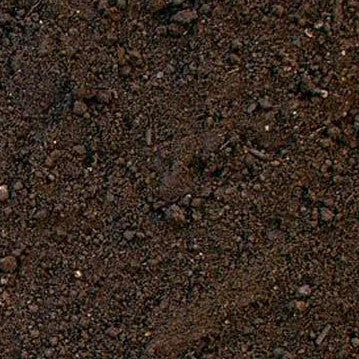
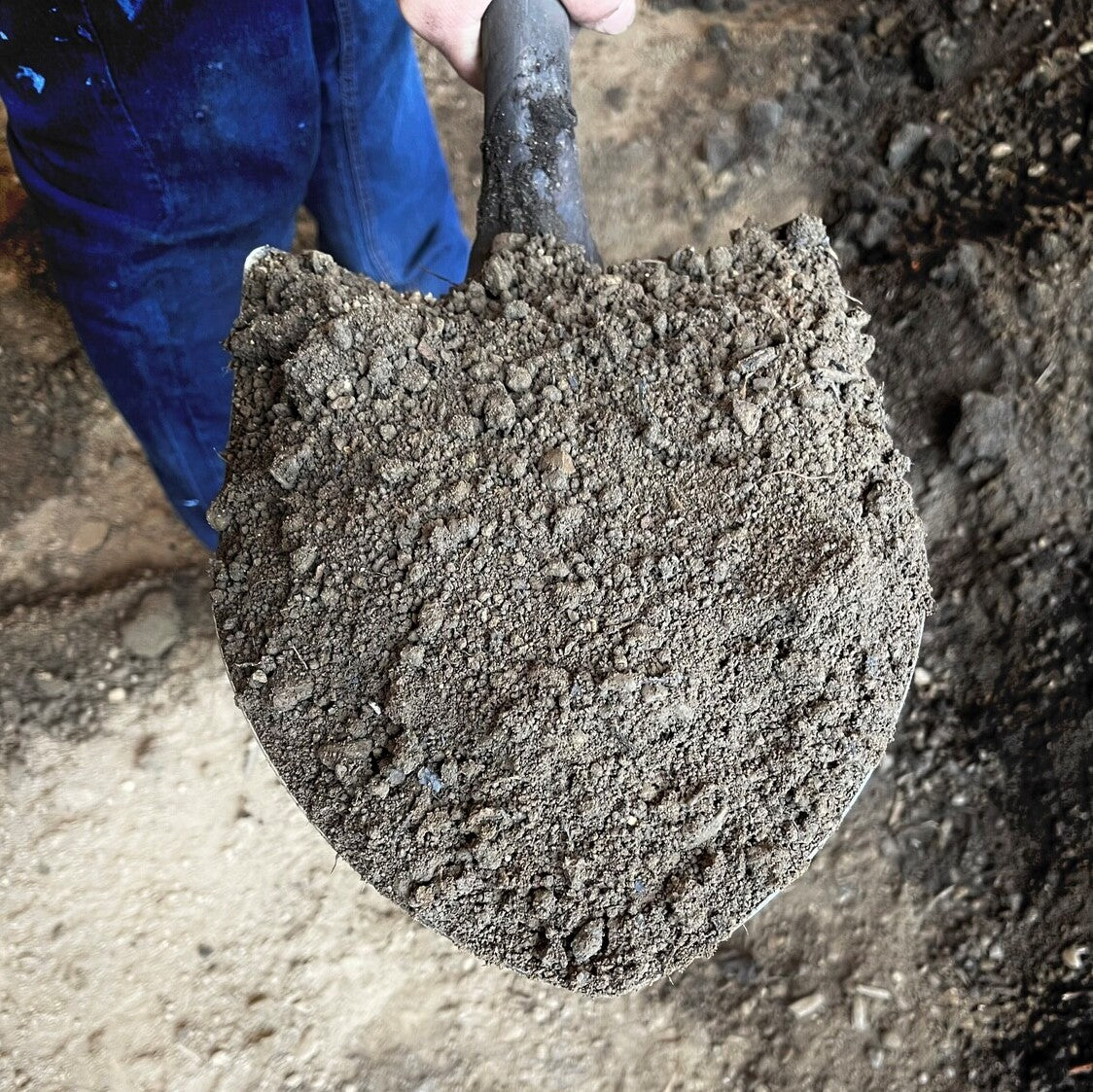
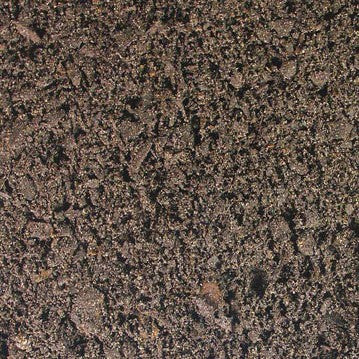
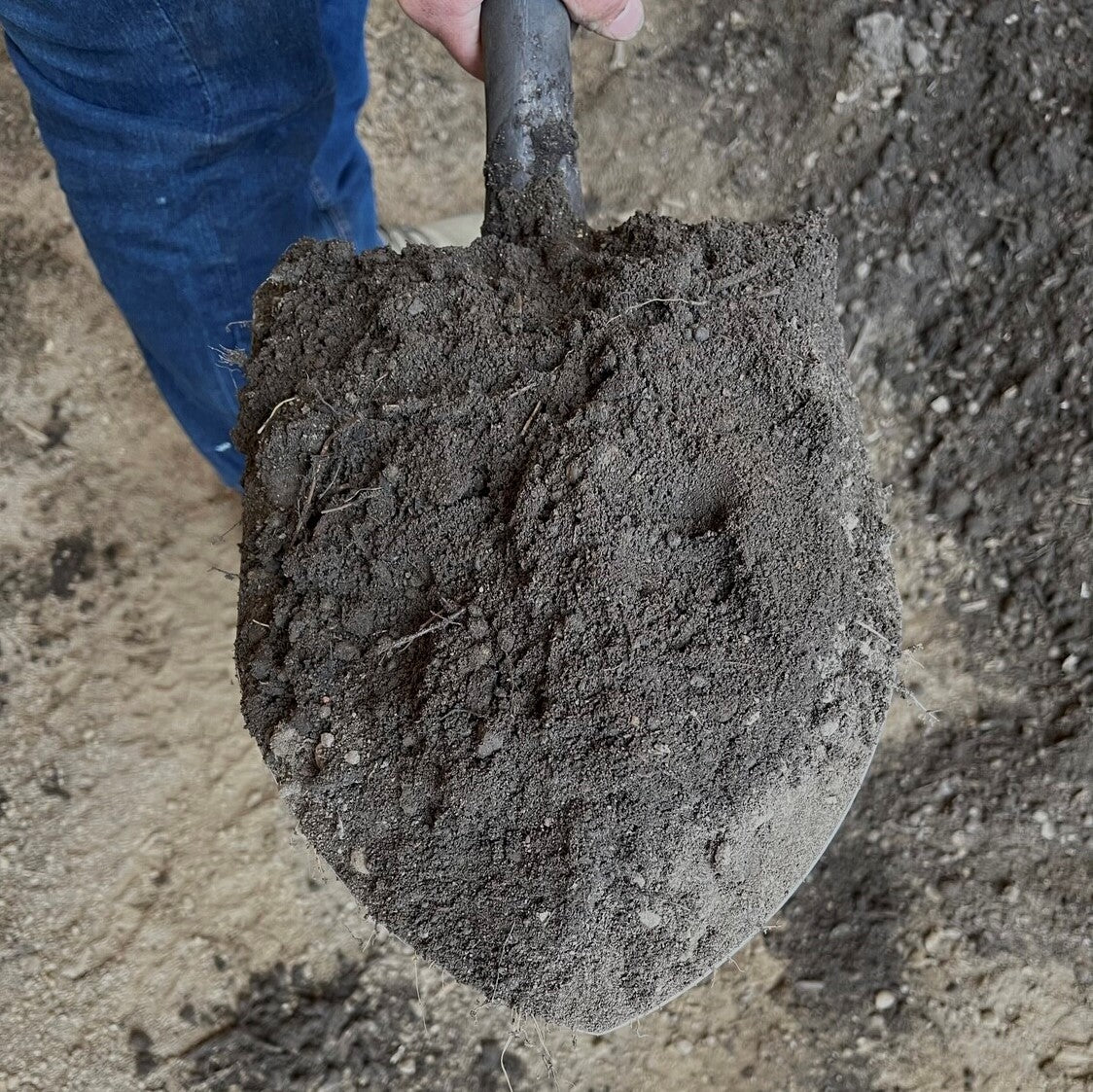
Quality topsoil for lawns, gardens, and landscape projects. Nutrient rich and ready to support strong root development and healthy plant establishment.
My experience with Mulch Mound was great and super easy. I ordered two yards of screened topsoil and was able to get it delivered within 2 days. They came in my requested time frame (afternoon) and dropped it off where I asked on my driveway. The topsoil was exactly what was a...
Tell us what you're looking for
Thanks! We received your request.
Something went wrong. Please try again.
How Much Material Do I Need?
For lawn leveling in Dickinson's clay loam yards, apply soil in layers no deeper than half an inch at a time to avoid smothering existing grass. For raised beds and new planting areas where you are starting fresh, plan on 10 to 12 inches of quality garden soil to give roots plenty of room to develop above the native clay loam layer.
Use our free soil calculator
What is a yard?
A yard is approximately 27 cubic feet. As a general guideline, one yard of material can cover an area of about 10 feet by 10 feet at a few inches deep.
We can't take orders for this right now. Tell us what you need and we'll get back to you.
What do you need?
Thanks! We received your request.
Something went wrong. Please try again.
Hand-picked local yards
4,000+ regional deliveries
Dedicated support
Why order through Mulch Mound
The best local soil, without the guesswork.
We hand-pick and partner with the best yards in your region, keep only the ones our buyers rate well, and back each load with our guarantee.
Mulch Mound Guarantee
If your soil isn't the quantity or quality you ordered, we'll make it right.
About this soil
Quality topsoil for lawns, gardens, and landscape projects. Nutrient rich and ready to support strong root development and healthy plant establishment.
My experience with Mulch Mound was great and super easy. I ordered two yards of screened topsoil and was able to get it delivered within 2 days. They came in my requested time frame (afternoon) and dropped it off where I asked on my driveway. The topsoil was exactly what was a...
How Much Material Do I Need?
For lawn leveling in Dickinson's clay loam yards, apply soil in layers no deeper than half an inch at a time to avoid smothering existing grass. For raised beds and new planting areas where you are starting fresh, plan on 10 to 12 inches of quality garden soil to give roots plenty of room to develop above the native clay loam layer.
Use our free soil calculator
What is a yard?
A yard is approximately 27 cubic feet. As a general guideline, one yard of material can cover an area of about 10 feet by 10 feet at a few inches deep.
My experience with Mulch Mound was great and super easy. I ordered two yards of screened topsoil and was able to get it delivered within 2 days. Th...
Read full review
My experience with Mulch Mound was great and super easy. I ordered two yards of screened topsoil and was able to get it delivered within 2 days. They came in my requested time frame (afternoon) and dropped it off where I asked on my driveway. The topsoil was exactly what was advertised, clean with no rocks or other debris. The price was reasonable. I plan to use them again in a couple weeks to order compost for my garden beds.
Measure the length and width of the area you are filling in feet and decide on your target depth in inches, then convert that depth to a decimal fraction of a foot to calculate cubic feet. One cubic yard equals 27 cubic feet, so divide your total cubic feet by 27 to get your yardage. In Dickinson where low-lying areas often have uneven depressions, walk your project area carefully before ordering to account for spots that are deeper than they appear from a distance.
Soil Types We Deliver in Dickinson
Getting the right soil delivered in bulk is one of the easiest upgrades for any yard or garden project in Dickinson. Mulch Mound delivers bulk topsoil by the yard directly to your driveway or job site, cutting out the hassle of hauling heavy bags from the store. The area's naturally clay-heavy ground and humid Gulf Coast climate make quality soil a smart investment for long-term plant health.
Screened Top Soil
Our screened topsoil arrives clean and ready to spread across lawns, garden beds, and low spots that need filling. It suits homeowners working with compacted or clay-heavy native ground, which is common across this part of Texas. Screened for consistency, it supports strong root development from the start.
Garden Compost
This rich, finished compost is packed with organic matter and mixes beautifully into planting beds to lift nutrient levels and improve water retention. In the humid Gulf Coast growing season, it helps build the loose, biologically active soil that plants thrive in. A solid amendment for vegetable gardens and flower beds alike.
Gardening Blend
This blend combines topsoil and organic amendments into a mix that works well for raised beds, new flower gardens, and fresh planting areas. It drains reliably even in wet Gulf Coast conditions and arrives with nutrients already balanced, so you can plant right away without extra prep work.
Complete Your Outdoor Soil Project
Once your soil is in place, topping beds with a quality mulch helps retain moisture and prevents the surface from crusting over in Dickinson's summer heat. Adding a decomposed granite or stone pathway around your soil-filled beds also reduces compaction from foot traffic, keeping the soil you invested in loose and workable throughout the growing season.
My Dickinson backyard stays soggy after rain. Will adding bulk soil actually fix that?
Bringing in soil alone will not fix drainage if the underlying grade is working against you. In low-lying Dickinson properties, the real solution often involves regrading to direct water away from the home and problem areas, then adding a quality soil blend to fill in the newly shaped terrain. Pairing a bulk soil delivery with some light grading work addresses the root cause of pooling rather than just covering it up temporarily.
Answer
What is the difference between topsoil and garden soil for a Dickinson vegetable garden?
Topsoil is a broader base material useful for grade work, filling low spots, and building up level areas, but it may still be heavy and clay-influenced in Dickinson. Garden soil or a garden mix is typically blended with compost and other amendments to create a lighter, more nutrient-rich profile specifically suited for growing vegetables and flowers. For raised beds in Dickinson where you want to move past clay loam entirely, a quality garden mix is the more productive choice.
Answer
How deep should I fill a new raised bed here in Dickinson?
For most vegetables, a raised bed depth of 10 to 12 inches gives roots enough room to grow without hitting the compacted clay loam below. Deeper-rooting crops like tomatoes and peppers, which thrive in Dickinson's long warm season running from February through early December, benefit from beds that are at least 12 inches deep. If you are placing the bed directly on native clay loam, some growers add a layer of coarse gravel at the bottom to improve drainage before filling with garden soil.
Answer
Can I use bulk soil to level out my Dickinson lawn?
Yes, and it is one of the most common uses for bulk soil delivery in Dickinson neighborhoods. The key is to use a soil blend that is compatible with your existing turf, typically a sandy loam or blended topsoil rather than a heavy clay-based fill. Apply no more than half an inch at a time over existing grass and let it settle with rainfall before adding additional layers. Dickinson's warm season grasses like St. Augustine and Bermuda recover and fill in quickly once the low spots are properly addressed.
Answer
When is the best time of year to do soil work in Dickinson?
Fall is the ideal season for major soil projects in Dickinson. After the worst of the summer heat breaks in October, the soil is still warm enough to work easily, and you have time to complete grade work or raised bed installations before the area's first frost around December 17. Spring projects should wait until after February 10 to avoid working in ground that may still be affected by late cold fronts that sweep through the Gulf Coast region in late winter.
Answer
Will bulk soil help with the hard clay crust that forms in my Dickinson yard each summer?
Adding bulk soil to the surface helps temporarily, but the long-term solution in Dickinson's clay loam environment is to incorporate organic material deeply enough to change the soil structure below. Spreading a 2 to 3 inch layer of compost-rich garden soil and tilling or aerating it into the existing clay loam breaks up compaction and improves water infiltration over multiple seasons. One delivery alone will not fully transform heavy clay, but it is a meaningful first step that builds on itself each year.
Answer
How do I keep new soil from washing away in Dickinson's heavy rain events?
Freshly placed soil is vulnerable to erosion until vegetation or mulch stabilizes the surface. In Dickinson, where intense rain events can drop several inches in a short period, it is important to cover newly placed soil with sod, seed, or a thick layer of mulch as quickly as possible after delivery. Temporary erosion control fabric is also helpful on any slight slope or open area where planting will take a few weeks to establish roots.
Mulch Mound Pro Tip
Before ordering bulk soil for a Dickinson lawn leveling project, use a string line or long level board to map out which areas are truly low and by how much. Dickinson's flat topography means small grade differences of just an inch or two can create large puddles that sit for days in clay loam soil that barely drains. Knowing your depth variations ahead of time helps you order the right quantity and avoid either coming up short or having significant leftover material sitting in your driveway.
Mulch Mound Pro Tip
When filling raised beds in Dickinson, resist the temptation to use native clay loam as a base layer to save money on soil volume. The clay will compact over time and wick moisture upward from below in unpredictable ways, making drainage in your raised bed far worse than expected during the heavy spring rains common to the Gulf Coast. Fill the entire depth with a quality amended garden mix for results that justify the investment from the very first growing season.
Mulch Mound Pro Tip
Dickinson's growing season runs from around February 10 to December 17, giving gardeners nearly 10 months to grow a wide variety of crops and plants. Take advantage of this long season by planning a fall soil refresh for beds that have settled or compacted over the summer. Topping off with a few inches of compost-rich soil in October replenishes nutrients consumed by spring and summer plantings and sets you up with a ready-to-plant bed the moment the last frost passes in February.
The Unique Landscape of Dickinson
Dickinson sits at a low elevation of just 17 feet, and the native clay loam soil in this area carries the legacy of that position, draining slowly and holding water in ways that challenge even experienced gardeners. While clay loam does retain nutrients well, its tendency to compact and puddle makes it difficult to grow vegetables, establish new sod, or build productive garden beds without bringing in quality amended material. Dickinson's 55 inches of annual rainfall means standing water in low spots is a genuine problem for many properties, and quality fill or garden soil is often the first step toward a yard that actually drains as intended after a Gulf Coast storm. Raised beds are increasingly popular among Dickinson gardeners precisely because they allow growers to sidestep the native clay loam entirely and start with a well-draining, nutrient-rich profile from the beginning. Even for lawn leveling and topdressing, using a quality blended soil rather than simply moving native clay around the yard produces far better long-term results. Whether you are starting a new planting area, leveling a low spot, or setting up a vegetable garden, the right soil delivered in bulk makes every step of the project easier and more effective in this Gulf Coast environment.