




Super easy to order the rocks. They showed up on time, dumped right where I said, and everything worked great.
About this stone
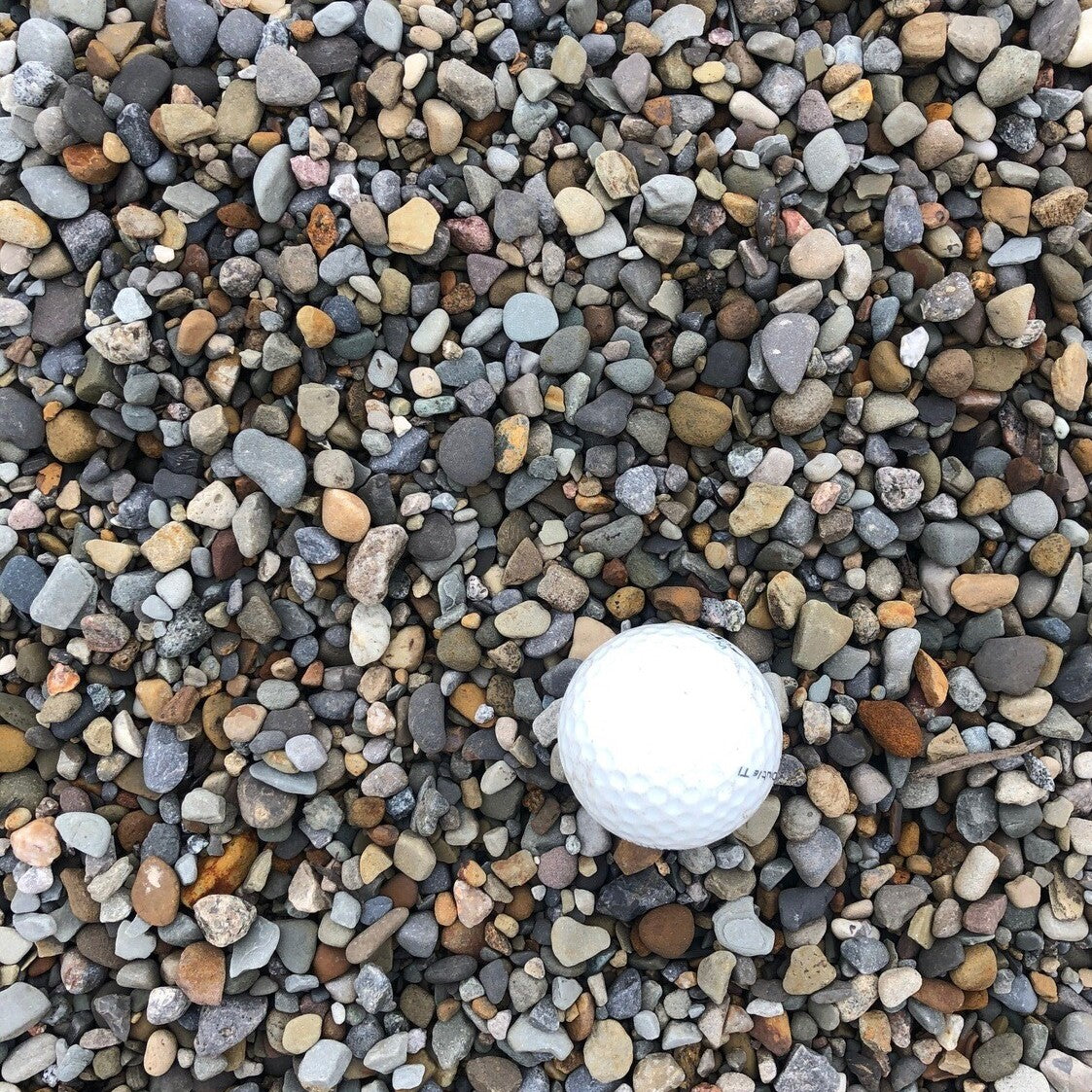
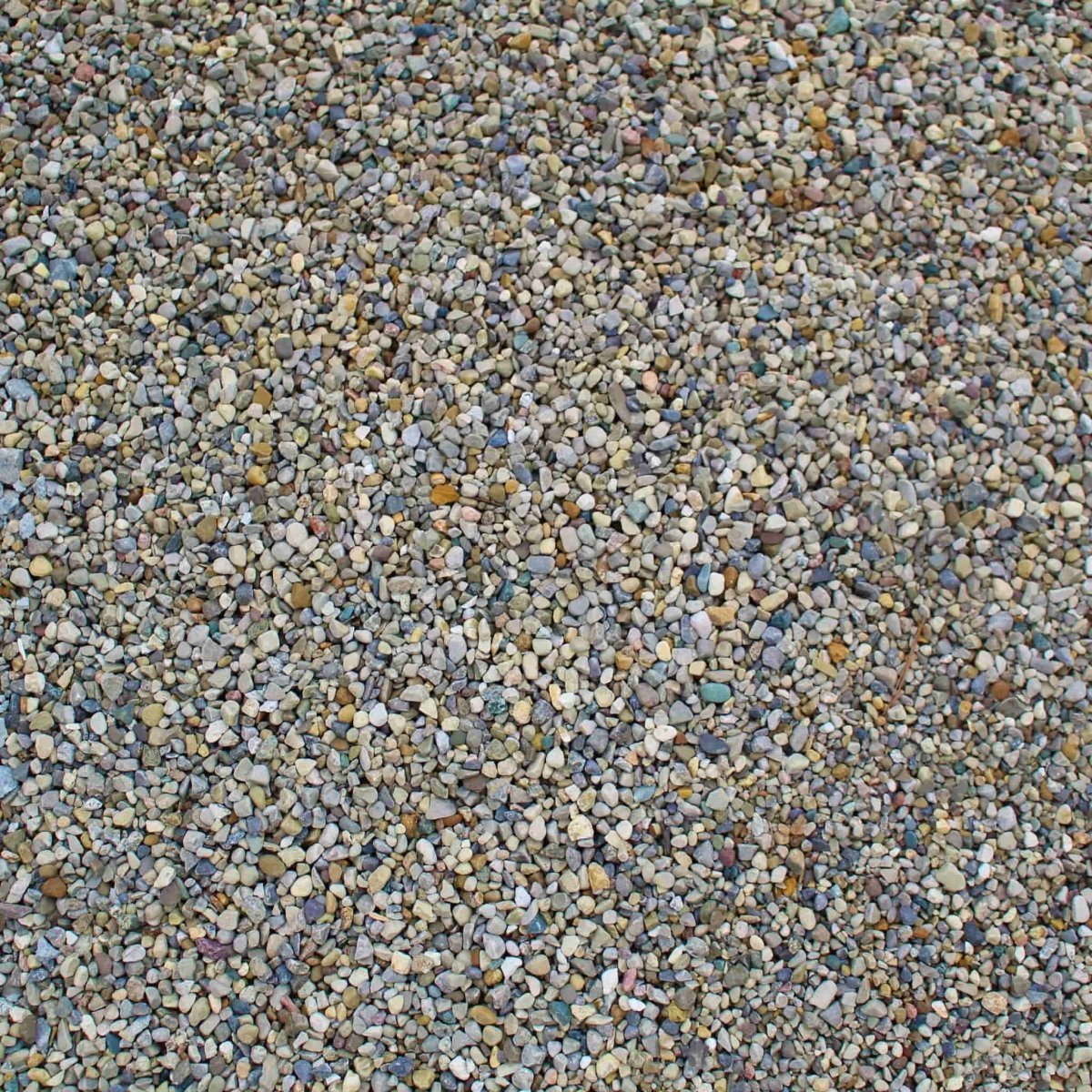
Classic pea gravel with smooth, rounded edges and natural earth tones. A versatile favorite for pathways, patios, drainage, and decorative ground cover.
Super easy to order the rocks. They showed up on time, dumped right where I said, and everything worked great.
Tell us what you're looking for
Thanks! We received your request.
Something went wrong. Please try again.
Dickinson Stone Delivery
Dickinson Stone Delivery
Regular price
$147.00
per
yard
Regular price
Sale price
$147.00
Unit price
per
Minimum of 3
Couldn't load pickup availability
1 tree planted for every order
About this stone
Classic pea gravel with smooth, rounded edges and natural earth tones. A versatile favorite for pathways, patios, drainage, and decorative ground cover.
Super easy to order the rocks. They showed up on time, dumped right where I said, and everything worked great.
How Much Material Do I Need?
How Much Material Do I Need?
For pathway and drainage applications in Dickinson, a 3 to 4 inch depth of stone provides enough coverage to stay in place through heavy rain events and suppress weed growth pushing up from the clay loam below. Decorative border applications can work with 2 to 3 inches of coverage when a quality landscape fabric barrier is installed beneath the stone to prevent settling.
Use our free stone calculator
What is a yard?
What is a yard?
FAQs
FAQs
Tell us what you're looking for
Thanks! We received your request.
Something went wrong. Please try again.
How It Works
Getting started is easy — just follow these simple steps
1
Choose your stone
Make sure you adjust the quantity to your home's needs. You can use our calculator to estimate how much you'll need.
2
Select your delivery date
Select a delivery date you'd like for the product to be dropped off at your home
3
Sit back and wait
Sit back, wait, and let us work our magic to make sure the highest quality product is delivered to your driveway.

Easy to order, great service, and great product. We enjoy the final look of a very neglected beds we inherited!


 +6
+6

Very easy to place order online for our exact needs and very flexible for when we needed
Need Help Calculating How Much Stone & Gravel You Need?
Use our NEW Trace from Satellite tool to get an estimate for your project based on an aerial view of your property
Try Our CalculatorFor stone projects, measure your area in square feet and determine your target depth in inches, then multiply square footage by depth and divide by 324 to get cubic yards. You can also contact us and we will help convert that figure to tons based on the specific stone type you select, since weights vary significantly between materials. In Dickinson, adding 10 percent to your estimate is a smart buffer to account for settling that occurs when stone is placed over clay loam soil, which compresses differently than firmer sandy ground.
Complete Your Outdoor Stone Project
Pairing stone borders with quality mulch in your Dickinson plant beds keeps material in place during Gulf Coast storms and creates a polished, low-maintenance landscape that looks sharp year-round. If you are also improving drainage on your property, a bulk soil delivery can help regrade low spots before stone drainage channels are installed, making the entire system work together more effectively.


Areas We Deliver Stone & Gravel in Dickinson, Texas
No cities found for this region.
Mulch Mound Pro Tip
In Dickinson's flat, low-lying landscape, water pooling near the foundation is one of the most common homeowner complaints. A French drain filled with 1.5 inch clean river rock running along the foundation line and directing water toward the street or a lower point in the yard can dramatically reduce this problem over time. Have the trench graded with at least a 1 percent slope before filling so water moves consistently through the channel rather than sitting stagnant within the drain itself.
Mulch Mound Pro Tip
Decomposed granite paths and patios in Dickinson perform much better when a quality polymeric stabilizer is mixed into the base layer during installation. Without stabilizer, Dickinson's frequent heavy rains can loosen the surface and create ruts or soft spots that make paths frustrating to walk on. With stabilizer properly applied and compacted, the decomposed granite forms a firm surface that still drains freely and holds up well through the rainy season without the cracking risks that come with poured concrete over shifting clay loam soil.
Mulch Mound Pro Tip
If you are using decorative stone around trees in Dickinson, avoid piling it against the trunk and maintain a clear 6-inch ring of open soil around the base of each tree. Clay loam soil in Dickinson is already prone to staying too wet after heavy rainfall, and stone that traps moisture directly against bark can accelerate rot and invite pests over time. Use a fine river pebble or crushed granite no more than 2 inches deep within the tree ring zone, and let organic mulch transition back in as you move closer to the trunk.
The Unique Landscape of Dickinson
Decorative and functional stone has become one of the most practical landscaping solutions in Dickinson, where the combination of heavy rainfall, clay loam soil, and minimal elevation at just 17 feet creates persistent drainage and erosion challenges that grass and mulch alone cannot solve. Stone pathways and gravel drainage channels direct water away from foundations and plant beds during the Gulf Coast's intense rain events without requiring the ongoing maintenance that other landscape materials demand through the long growing season. In Dickinson's hot and humid climate, low-maintenance landscaping is not just a preference but a practical necessity for many homeowners managing large yards across the better part of the calendar year. Stone borders along foundation beds help keep mulch in place during heavy downpours and create a clear separation between lawn and planting areas that survives Dickinson's frequent storms far better than wood edging does. The nearly year-round outdoor living season in Dickinson, where hard freezes are brief and infrequent before December 17, makes stone patios and decorative gravel areas worth the investment since they are usable for the majority of the year. Whether you need crushed granite for a path, river rock for a drainage swale, or larger decorative boulders for a retaining feature, bulk stone delivery makes large projects achievable at a fraction of the cost of bagged materials.
Explore other options for landscape supply delivery in Dickinson, Texas