
About this mulch

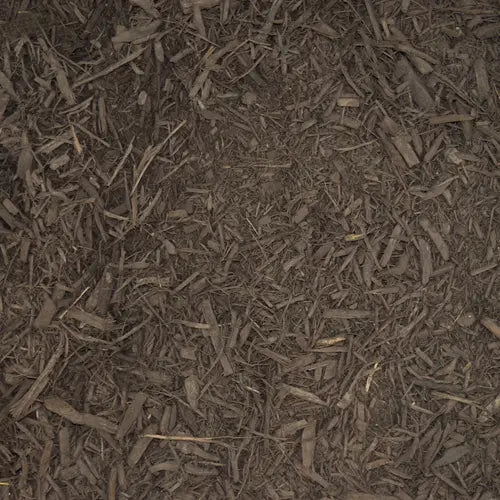
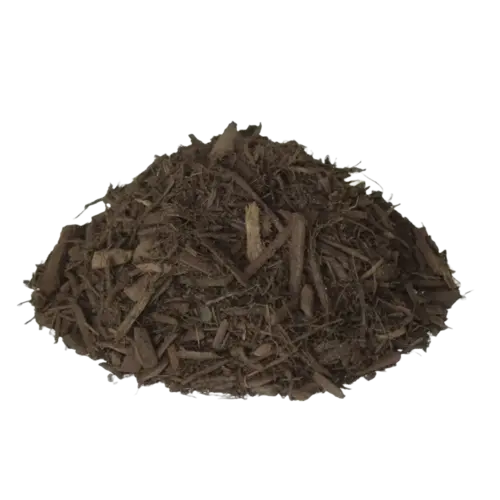
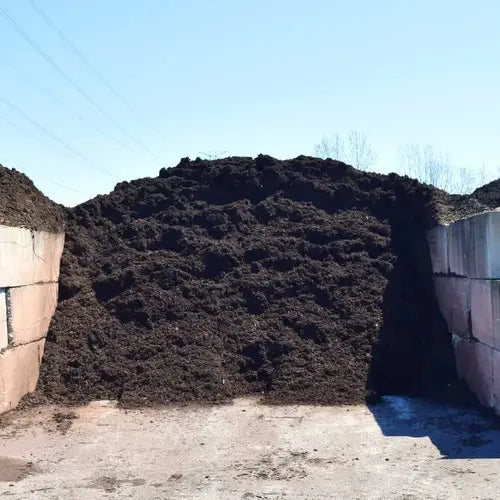
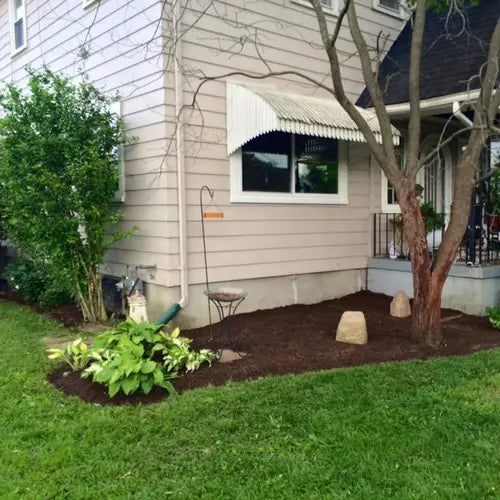
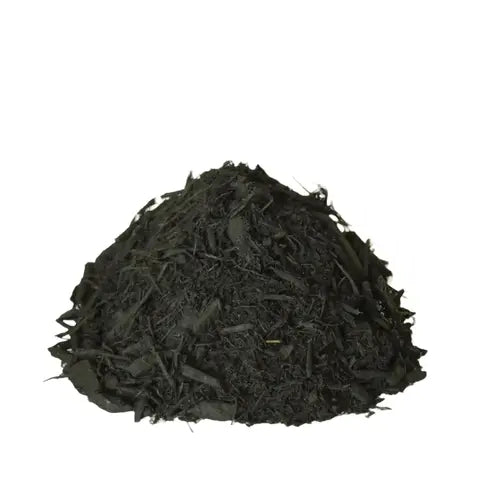
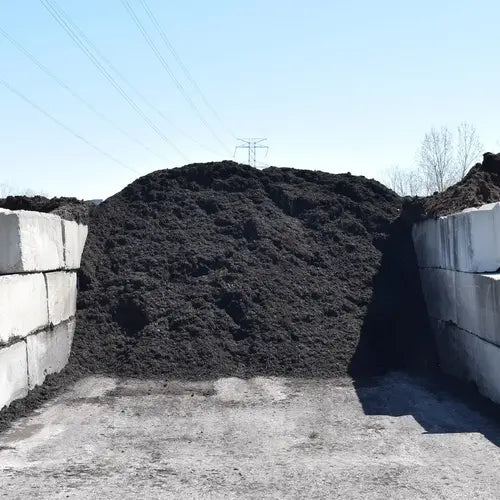
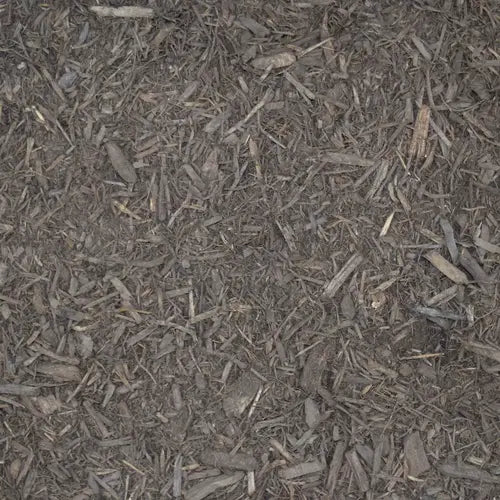
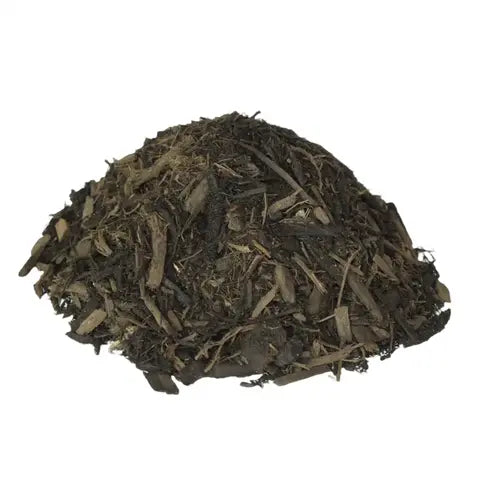
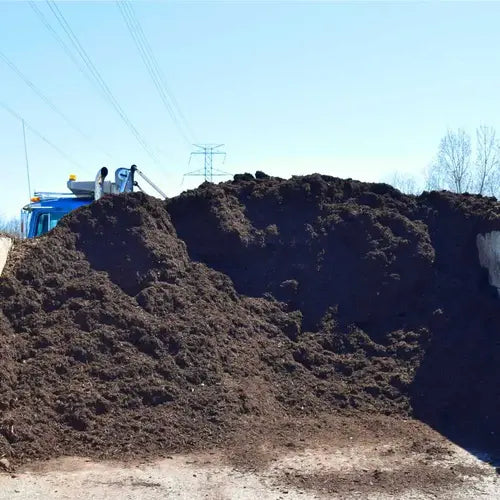
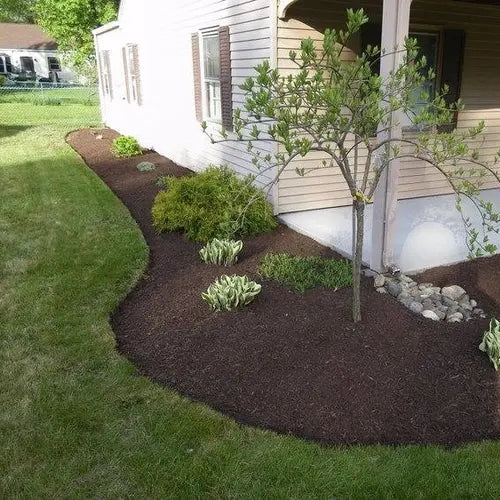
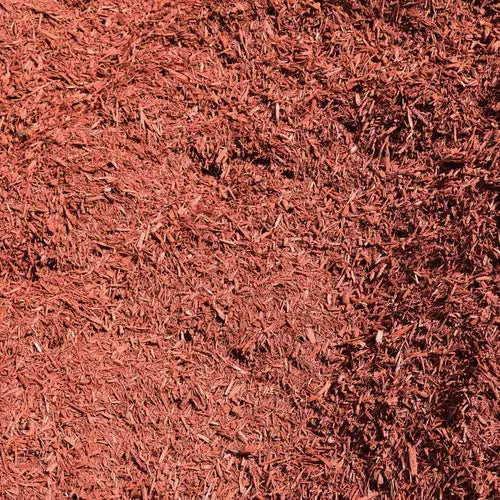
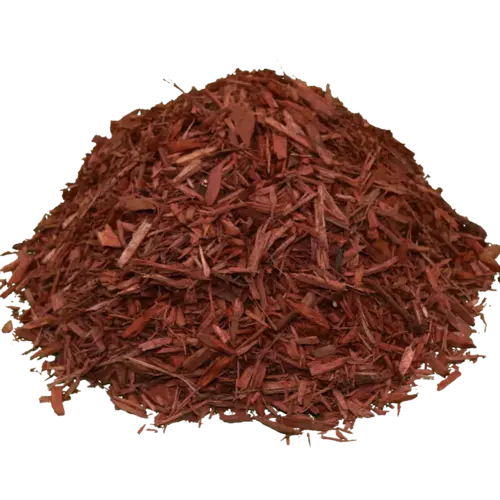
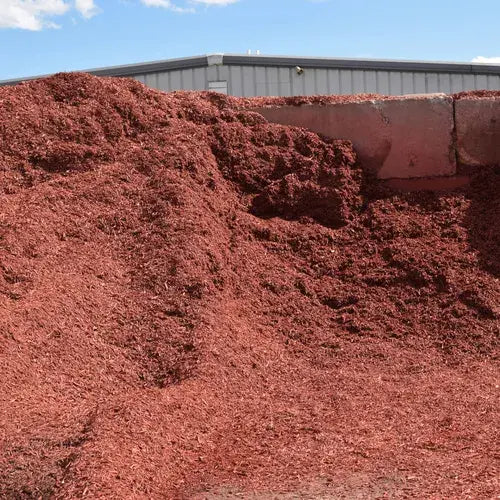
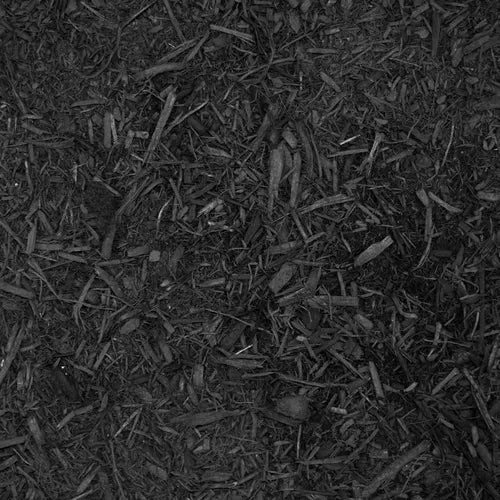
Warm brown double shredded mulch with lasting color that looks freshly applied for weeks. Spreads smooth, stays put, and gives beds a natural, polished appearance.

Mulch Mound delivered a yard of pea gravel to us. Delivery was on time, driver was friendly and hit a bullseye on the “tarp target”. We used the pea gravel (which was diameter as specified) to fill several muskrat holes around our pond. I would definitely recommend Mulch Mo...

Dover Mulch Delivery

Dover Mulch Delivery

4.7
134 reviews
Regular price $55.00 per yard
Regular price Sale price $55.00
Sale Sold out
Color
Style
Minimum of 3
1 tree planted for every order

About this mulch

Warm brown double shredded mulch with lasting color that looks freshly applied for weeks. Spreads smooth, stays put, and gives beds a natural, polished appearance.

Mulch Mound delivered a yard of pea gravel to us. Delivery was on time, driver was friendly and hit a bullseye on the “tarp target”. We used the pea gravel (which was diameter as specified) to fill several muskrat holes around our pond. I would definitely recommend Mulch Mo...

For Dover's sandy loam beds, apply 3 inches of mulch for established plantings and up to 4 inches in areas prone to drying out quickly during hot summer stretches when rainfall is most irregular.
Use our free mulch calculator

A yard is approximately 27 cubic feet. As a general guideline, one yard of material can cover an area of about 100-160 square feet at a 2-3 inch depth.

View full details

How It Works

Getting started is easy — just follow these simple steps

1

Choose your Mulch

Make sure you adjust the quantity to your home's needs. You can use our calculator to estimate how much you'll need.

2

Select your delivery date

Select a delivery date you'd like for the product to be dropped off at your home

3

Sit back and wait

Sit back, wait, and let us work our magic to make sure the highest quality product is delivered to your driveway.

What Dover Customers Are Saying

4.7
out of 5 based on 134 reviews
Google Reviews

Calculate mulch for your Dover project

For Dover's Sandy Loam type of soil, we recommend 2-3 inches for best weed suppression and moisture retention

Try Our Calculator
📍

Measure the length and width of each bed in your Dover yard and multiply to get square footage, then account for sandy loam's tendency to settle by adding about 10 percent to your estimate. Dover's open, flat terrain often means beds are larger than they appear from the driveway or street. When in doubt, order a little extra since leftover mulch can always be used to freshen pathways or top off tree rings.

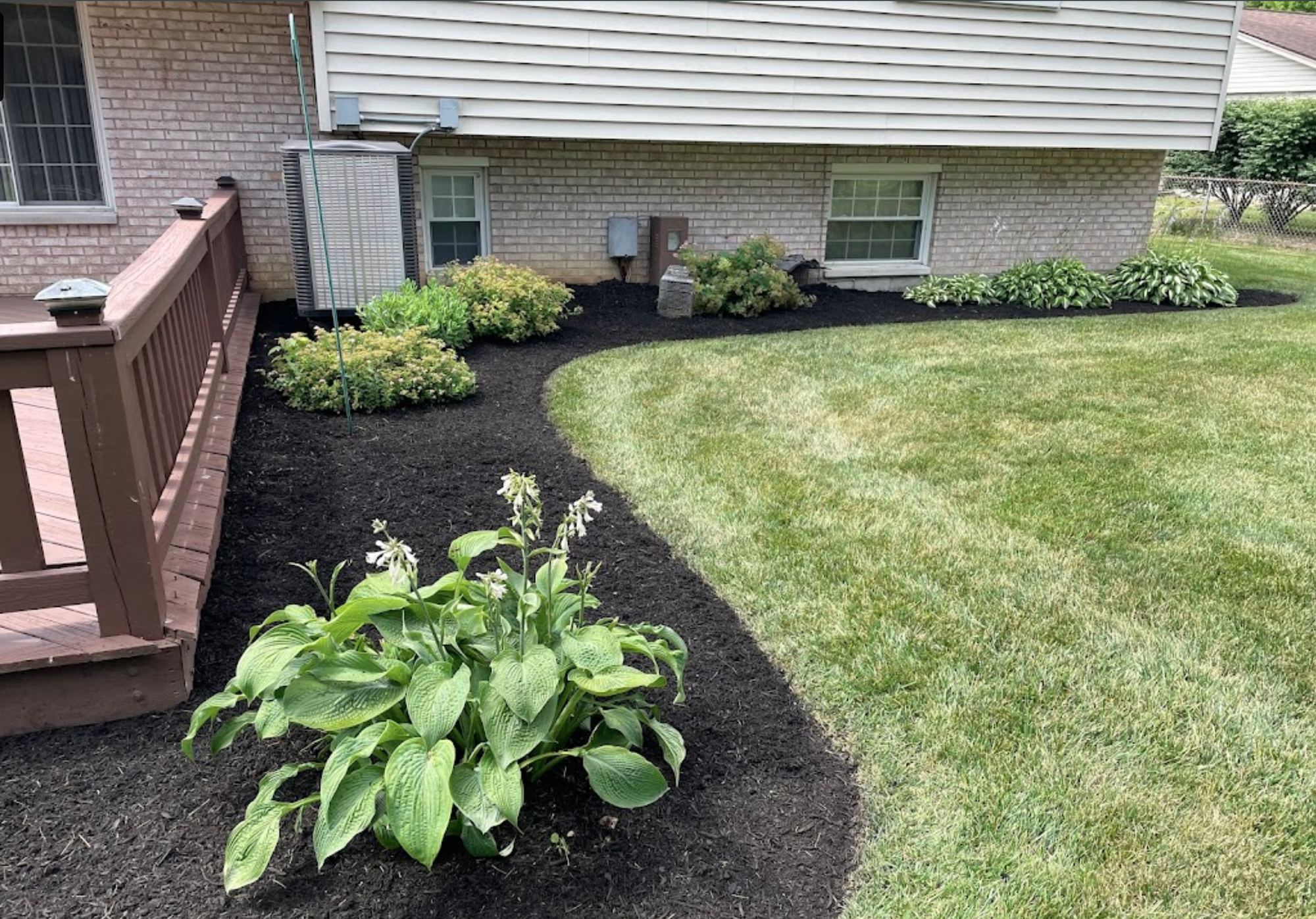
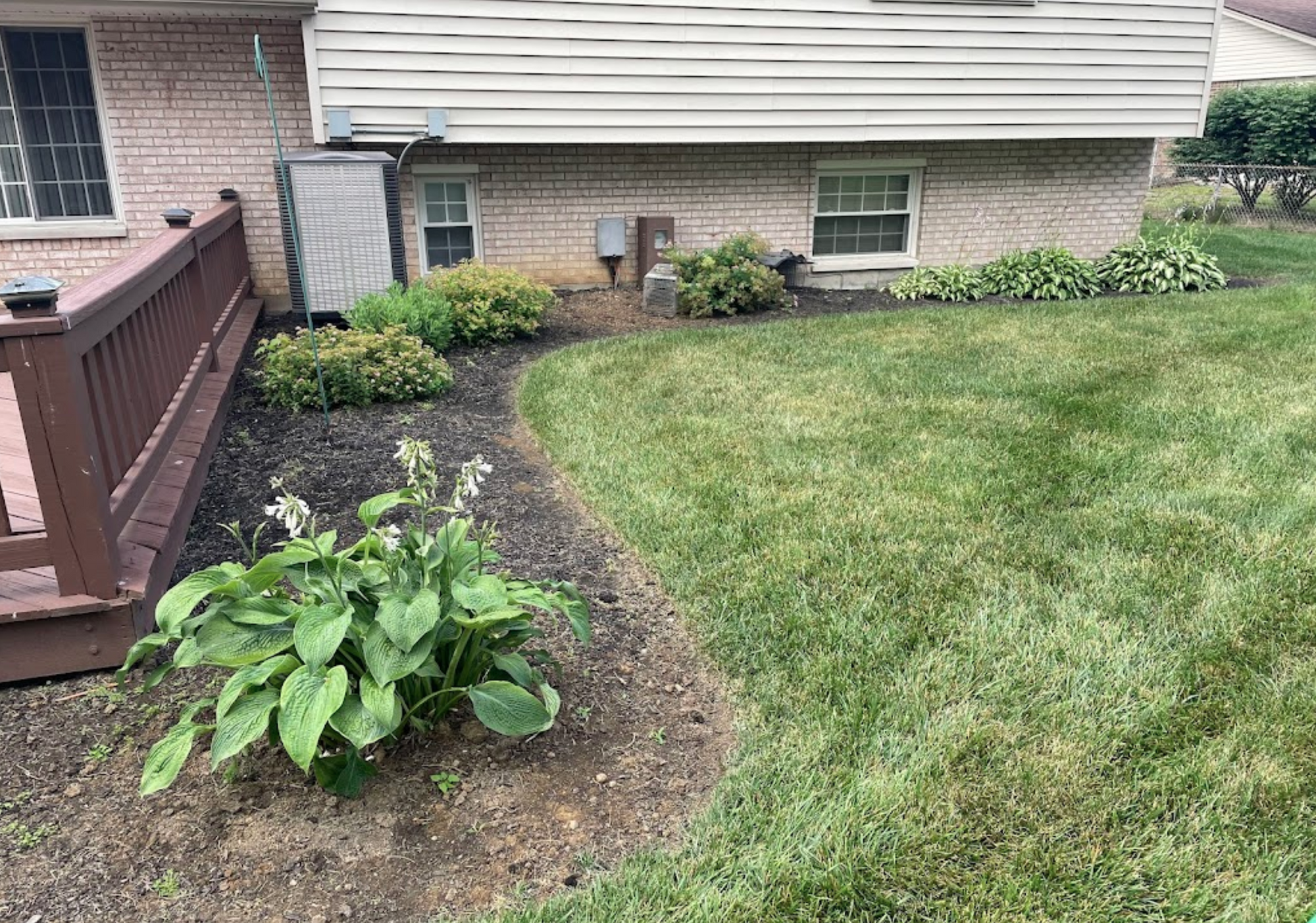
Mulch vs. No Mulch: The Difference

Dover's warm Zone 7b summers accelerate the breakdown of natural hardwood mulch, meaning you get faster soil enrichment but more frequent replenishment is needed to maintain coverage. Dyed mulch uses colorfast pigments to maintain curb appeal through the season but contributes less organic matter as it slowly breaks down. For Dover homeowners who want both aesthetics and long-term soil improvement, using dyed mulch in high-visibility front beds and natural hardwood in vegetable and perennial gardens is a practical and cost-effective approach.

Before image
After image
Slider handle
Before
After

Complete Your Outdoor Mulch Project

Pairing mulch with a quality topsoil amendment can transform Dover's fast-draining sandy loam beds into rich, moisture-retentive growing zones. Adding decorative stone borders around your mulched beds creates clean edges that hold mulch in place even during Dover's heavier spring rain events.

Map of Dover, Delaware

Areas we deliver mulch in Dover, Delaware

No cities found for this region.

See All Locations
Mulch Mound Pro Tip

In Dover's sandy loam, mulch does double duty. It slows the rapid drainage that sandy soil is known for, and as it breaks down it adds organic matter that the soil desperately needs. Pull mulch back slightly from plant stems and crowns to prevent rot, especially during Dover's humid July and August when fungal pressure on plant tissue near the soil surface is at its highest.

Mulch Mound Pro Tip

Timing your mulch application around Dover's frost dates makes a real difference in plant performance. Apply in mid-April after the last frost so the soil warms evenly beneath the layer. Applying too early in March traps cold soil temperatures and delays root growth. A well-timed spring mulch application can give your perennials and annuals a noticeable head start in Dover's Zone 7b growing season.

Mulch Mound Pro Tip

Dover's 45 inches of annual rainfall sounds generous, but it arrives unevenly, with wet springs and noticeably drier August stretches. Mulch acts as a rainfall buffer, absorbing the impact of heavy drops that would otherwise compact bare sandy loam, and it allows slow absorption into the root zone below. During dry periods it holds that stored moisture longer, reducing plant stress during the gaps between watering sessions in late summer.

Frequently Asked Questions

Click a question to see the answer

Answer

How often should I replace mulch in Dover?

Because Dover sits in Zone 7b and sees warm, humid summers, natural hardwood mulch breaks down faster here than in cooler climates. Plan to refresh your beds with a new layer every 12 to 18 months. The decomposed material actually improves your sandy loam soil over time by adding organic matter that helps it hold moisture and nutrients longer.

Answer

Does mulch actually help with Dover's sandy soil drying out so quickly?

Absolutely. Sandy loam drains quickly by nature, and Dover's summer sun accelerates evaporation from bare soil surfaces. A 3-inch layer of mulch can cut moisture loss significantly, reducing how often you need to water during dry spells between Dover's spring and summer rain events.

Answer

When is the best time of year to mulch my beds in Dover?

The ideal windows are early spring after the last frost around April 15, and again in late October before the first frost around November 1. Spring mulching helps the soil warm evenly and suppresses early weed germination. Fall mulching protects root zones through Dover's cold months and reduces the freeze-thaw cycles that can heave shallow roots out of sandy soil.

Answer

Should I be worried about mulch attracting termites near my Dover home?

Mulch itself does not attract termites, but keeping it piled against your foundation creates moisture and cover that termites can exploit. In Dover we recommend keeping mulch at least 6 inches away from your home's foundation and maintaining a depth of no more than 3 to 4 inches to prevent excess moisture buildup near the structure.

Answer

Which mulch color holds up best through Dover's sunny summers?

Dover gets strong summer sun and UV exposure fades natural wood mulch to gray within one season. Dyed mulches, particularly brown and black varieties, hold their color noticeably longer and often stay vibrant through a full growing season. Natural hardwood mulch, while it fades faster, decomposes and feeds Dover's sandy loam with organic matter that improves the soil year after year.

Answer

How do I figure out how much mulch I need for my Dover garden beds?

For most Dover garden beds, a 3-inch depth is ideal for weed suppression without suffocating plant crowns. Measure the length and width of each bed in feet, multiply to get square footage, then divide by 108 to get the cubic yards needed for a 3-inch layer. Because Dover's sandy loam settles a bit after rain, add about 10 percent to your total.

Answer

Can mulch protect my plants from Dover's winter cold?

Yes. While Dover winters are relatively mild compared to northern states, temperatures can dip well below freezing from November through early March. A 3 to 4 inch layer of mulch insulates root zones and reduces the freeze-thaw cycles that can heave shallow-rooted perennials out of Dover's sandy loam soil during those fluctuating late-fall and early-spring temperature swings.

The Unique Landscape of Dover

Dover's sandy loam soil drains quickly, which means plant beds dry out faster than homeowners expect during summer heat. Without a proper mulch layer, that fast-draining soil loses moisture between rain events, stressing roots and inviting weed pressure to fill the gaps. Dover averages 45 inches of rain per year, but that rainfall arrives unevenly across seasons, making consistent moisture retention in beds a real challenge. Mulch acts as a buffer, slowing evaporation during dry stretches and protecting the soil surface from heavy summer downpours that can compact bare sandy loam. With a first frost typically arriving around November 1, mulch also extends the growing season by insulating root zones as temperatures drop in late October.