


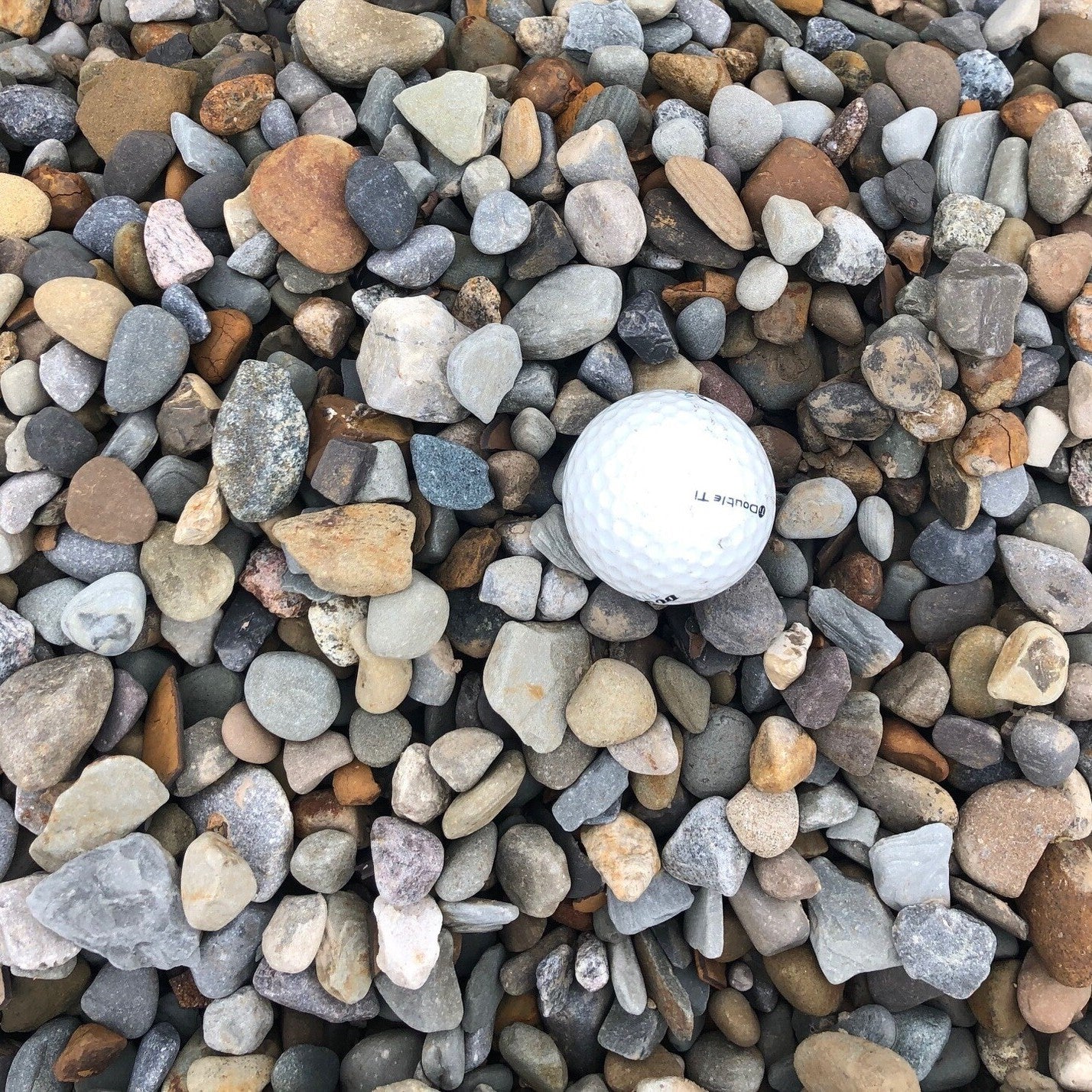

The driver nailed it on putting the gravel I ordered in front of my trailer and between the sidewalk. Very satisfied with how my flowerbeds look now.
About this stone
Number 57 crushed stone, angular limestone graded to about three quarters of an inch. The standard driveway, base and drainage gravel, it locks together under traffic and drains fast.
The driver nailed it on putting the gravel I ordered in front of my trailer and between the sidewalk. Very satisfied with how my flowerbeds look now.
Tell us what you're looking for
Thanks! We received your request.
Something went wrong. Please try again.
How Much Material Do I Need?
How Much Material Do I Need?
For decorative coverage in Dover landscape beds and borders, plan for 2 to 3 inches of stone depth over fabric. High-traffic walkways benefit from a full 4-inch layer to resist shifting through Dover's seasonal wet and dry weather cycles.
Use our free gravel calculator
What is a yard?
What is a yard?
FAQs
FAQs
Dover Gravel Delivery
Dover Gravel Delivery
Regular price
$133.00
per
yard
Regular price
Sale price
$133.00
Unit price
per
Shipping calculated at checkout.
Minimum of 3 yard
Couldn't load pickup availability
Not currently available
We can't take orders for this right now. Tell us what you need and we'll get back to you.
Hand-picked local yards
4,000+ regional deliveries
Dedicated support
Why order through Mulch Mound
The best local stone, without the guesswork.
We hand-pick and partner with the best yards in your region, keep only the ones our buyers rate well, and back each load with our guarantee.
Mulch Mound Guarantee
If your stone isn't the quantity or quality you ordered, we'll make it right.
About this stone
Number 57 crushed stone, angular limestone graded to about three quarters of an inch. The standard driveway, base and drainage gravel, it locks together under traffic and drains fast.
The driver nailed it on putting the gravel I ordered in front of my trailer and between the sidewalk. Very satisfied with how my flowerbeds look now.
How Much Material Do I Need?
How Much Material Do I Need?
For decorative coverage in Dover landscape beds and borders, plan for 2 to 3 inches of stone depth over fabric. High-traffic walkways benefit from a full 4-inch layer to resist shifting through Dover's seasonal wet and dry weather cycles.
Use our free gravel calculator
What is a yard?
What is a yard?
FAQs
FAQs
Tell us what you're looking for
Thanks! We received your request.
Something went wrong. Please try again.
How It Works
Getting started is easy — just follow these simple steps
1
Choose your stone
Make sure you adjust the quantity to your home's needs. You can use our calculator to estimate how much you'll need.
2
Select your delivery date
Select a delivery date you'd like for the product to be dropped off at your home
3
Sit back and wait
Sit back, wait, and let us work our magic to make sure the highest quality product is delivered to your driveway.


Need Help Calculating How Much Gravel You Need?
Use our NEW Trace from Satellite tool to get an estimate for your project based on an aerial view of your property
Try Our CalculatorMeasure the length and width of your stone project area in feet and multiply to get square footage. For Dover pathways and bed borders, a 3-inch depth is a common starting point, so divide your square footage by 108 to estimate cubic yards needed. Dover's sandy loam base drains naturally well, which means you generally do not need to add extra depth purely for drainage the way clay-heavy soils in other regions require.
Stone Types We Deliver in Dover
Mulch Mound delivers bulk stone by the cubic yard directly to homes across Dover, making it easy to complete landscaping projects without hauling material yourself. If you have been looking for crushed stone near me or wondering how to source large quantities without a supplier trip, we handle the delivery so you can focus on the work. Delaware's flat terrain and sandy soil make a quality stone layer a smart, lasting investment.
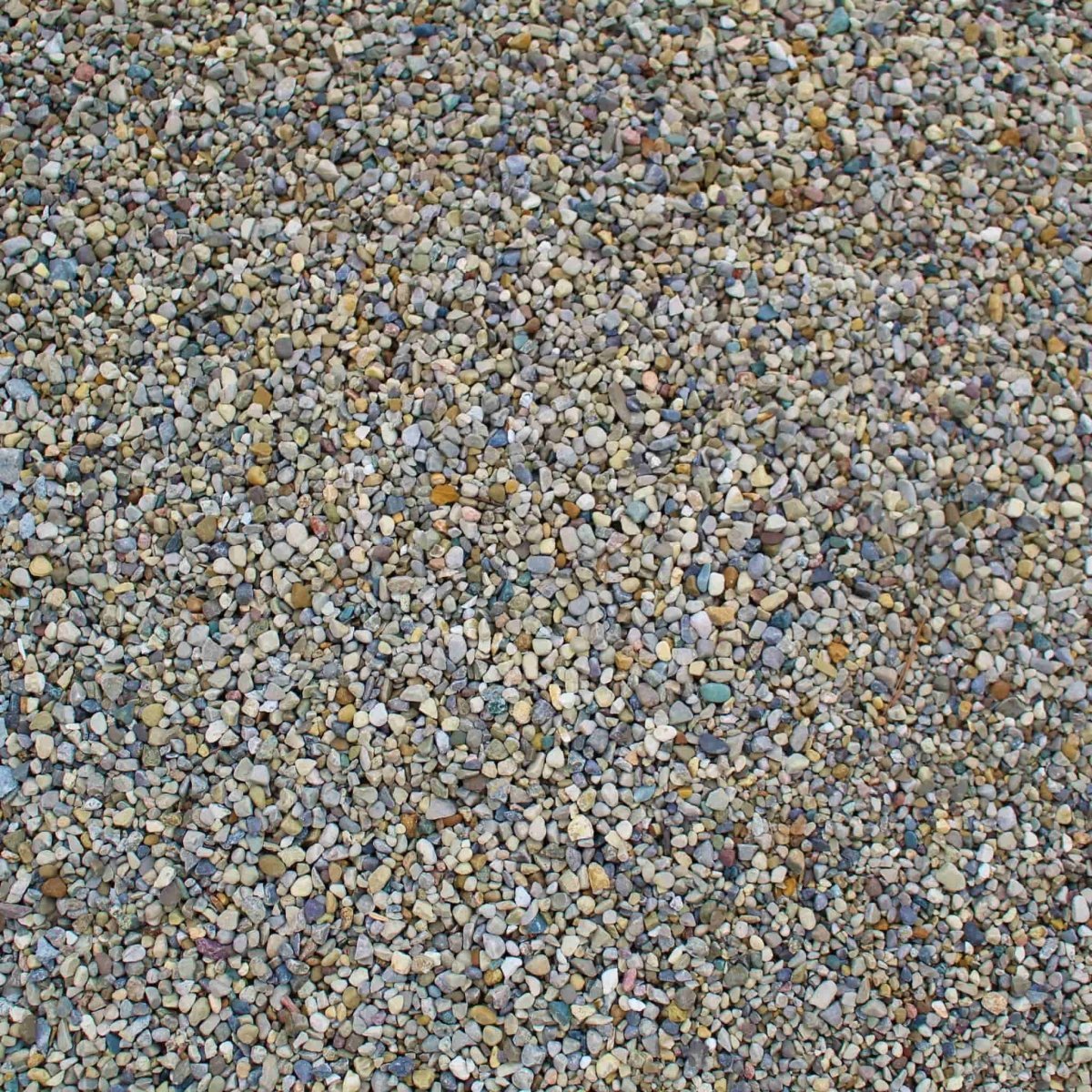
Pea Gravel
Pea gravel is a popular choice for Dover homeowners who want a low-maintenance ground cover that holds up through the region's wet winters and humid summers. Its smooth, rounded edges and natural earth tones suit the ranch and colonial-style homes common in this part of Delaware, working well along pathways, patios, and garden edges.
1-2" River Stone
These smooth, rounded stones measure roughly one to two inches across and bring a natural, polished look to any landscape. In Dover's flat yards and sandy soil conditions, they are especially effective for dry creek bed features, decorative ground cover around trees, and anywhere a bolder stone texture is desired.
Complete Your Outdoor Stone Project
Pairing stone borders with a fresh layer of mulch inside your garden beds gives Dover landscapes a polished, layered look that also protects the sandy loam soil underneath from erosion. Adding quality topsoil beneath any adjacent planting zones ensures that wherever you grow plants in Dover, the soil is rich enough to support them through the full growing season.



Service area
Areas we deliver stone and gravel in Dover, Delaware
Mulch Mound Pro Tip
In Dover's sandy loam, always install a quality landscape fabric before laying decorative stone. Sandy soil works its way up through gravel over time, gradually mixing with your stone and creating a muddy, weedy surface. Fabric creates a barrier that keeps the stone layer clean and weed-resistant for years, and it reduces weed pressure without repeated chemical treatments on your Dover property.
Mulch Mound Pro Tip
Consider using stone in Dover's persistent low spots instead of repeatedly adding fill soil that washes and resettles after every heavy rain. A gravel or river rock depression feature serves as a functional dry creek bed that handles overflow during Dover's wetter spring months and looks attractive year-round without the constant maintenance that grass or mulch in those soggy areas typically demands.
Mulch Mound Pro Tip
Dover's mild Zone 7b winters mean stone installations hold up well without the major freeze-thaw damage common in colder states, but early spring is still a smart time to inspect and refresh stone areas after winter. Rake back any soil that has crept over the edges of stone paths, top off areas that have settled, and reset any border stones that shifted during the wet November and March periods when Dover's sandy loam is most saturated and mobile.
The Unique Landscape of Dover
Decorative and functional stone is one of the most practical landscape investments Dover homeowners can make given the area's flat terrain and sandy loam soil. Sandy loam is prone to shifting and erosion along bed edges and pathways, and stone placement holds everything in position through Dover's wet spring seasons when rainfall is most intense. Stone pathways and patios also provide stable, all-weather footing in a climate where spring and fall rains can turn sandy soil into slippery, muddy surfaces overnight. Because stone requires no seasonal replacement, no watering, and no mulch refreshing, it is a genuinely low-maintenance option for areas of the yard that are difficult to keep planted or mulched. Dover's mild Zone 7b winters mean stone installations face minimal freeze-thaw damage compared to colder northern regions, making them an exceptionally long-lasting investment.