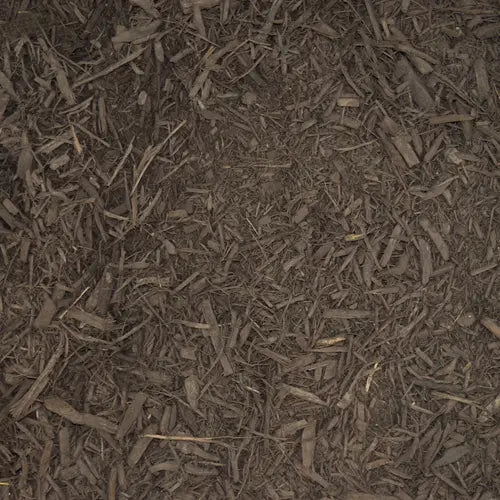
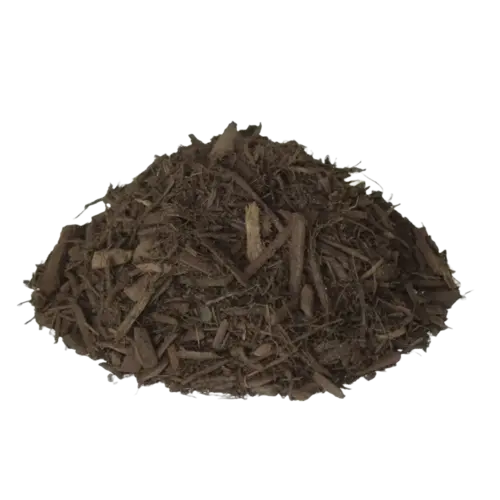
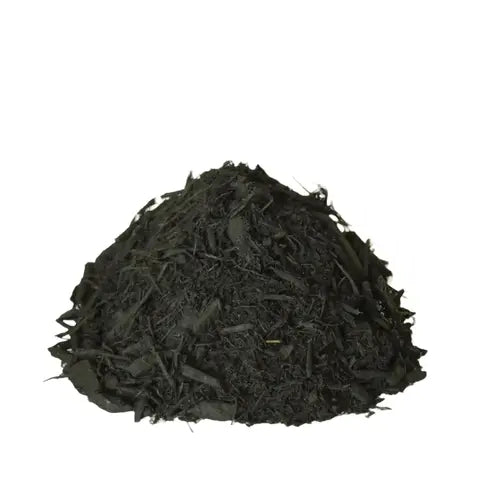
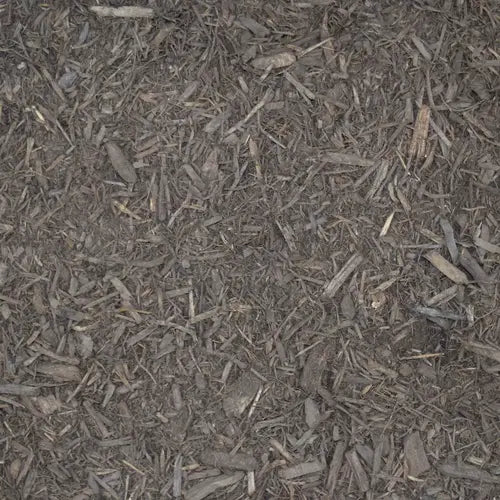
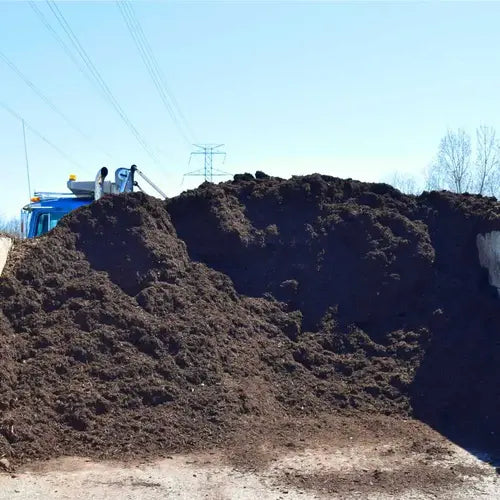
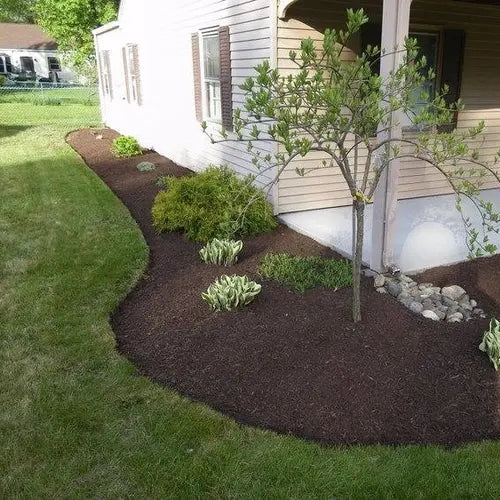
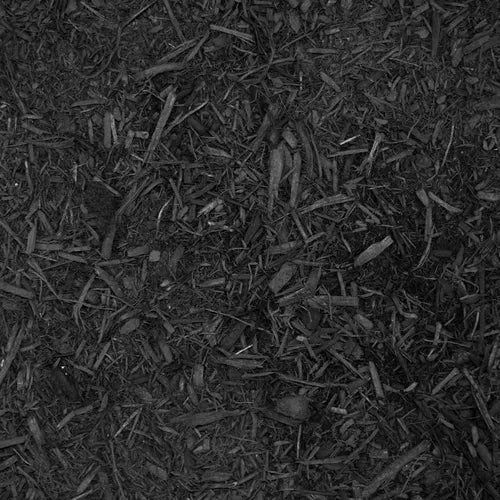
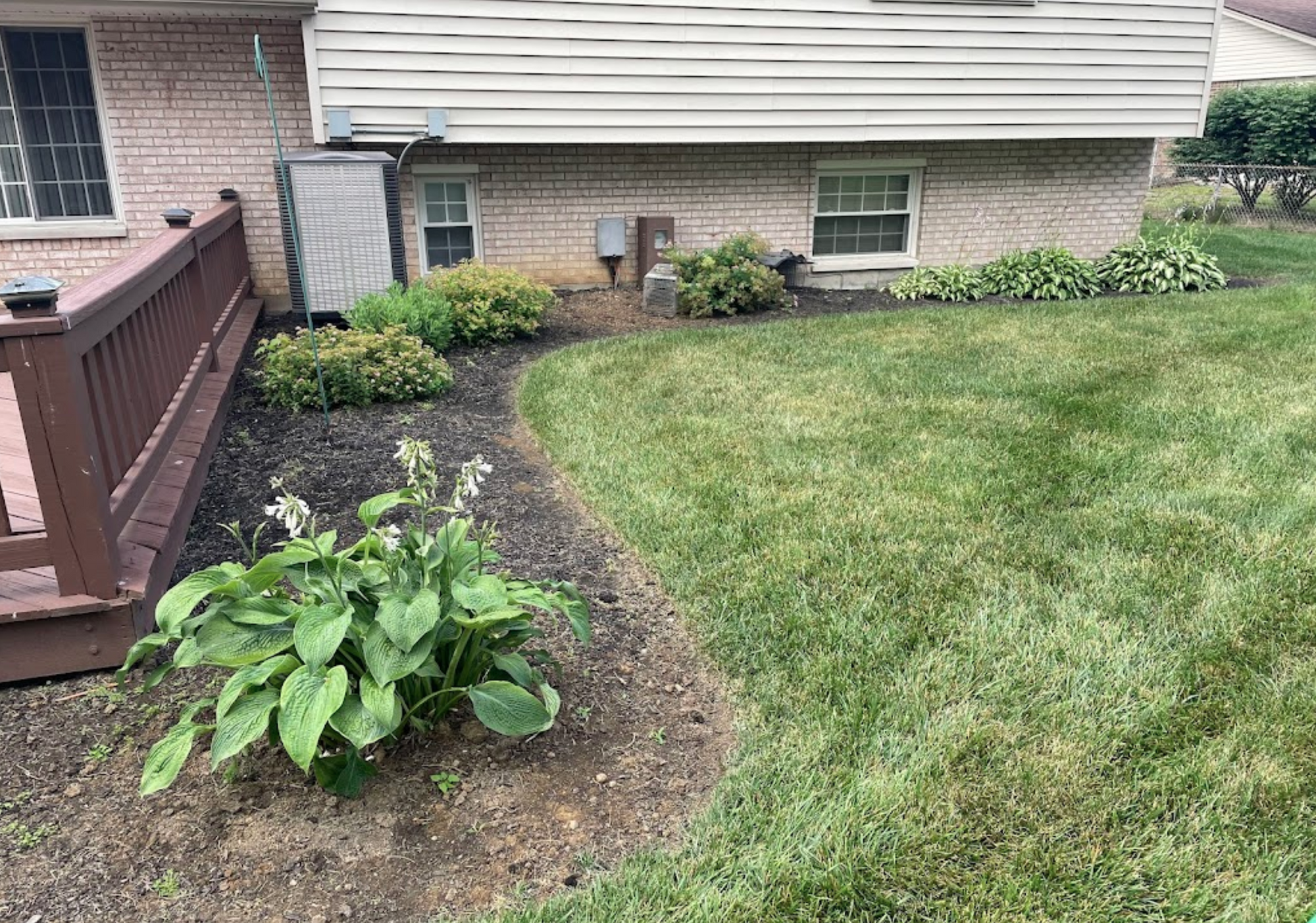
Warm brown double shredded mulch with lasting color that looks freshly applied for weeks. Spreads smooth, stays put, and gives beds a natural, polished appearance.
We had a great experience today. This was our first time using Mulch Mound, and I found the price competitive and the online ordering very easy. We are impressed with the quality of the mulch, too! It is covering well - a great value!
Tell us what you're looking for
Thanks! We received your request.
Something went wrong. Please try again.
How Much Material Do I Need?
For Dubuque's silt loam beds, 2 to 3 inches of mulch provides strong weed suppression and moisture retention without creating the waterlogging risk that heavier applications can cause in this soil type. Tree rings and foundation borders typically benefit from a full 3-inch layer to insulate roots through a zone 5a winter.
Use our free mulch calculator
What is a yard?
A yard is approximately 27 cubic feet. As a general guideline, one yard of material can cover an area of about 100-160 square feet at a 2-3 inch depth.
We can't take orders for this right now. Tell us what you need and we'll get back to you.
What do you need?
Thanks! We received your request.
Something went wrong. Please try again.
Hand-picked local yards
4,000+ regional deliveries
Dedicated support
Why order through Mulch Mound
The best local mulch, without the guesswork.
We hand-pick and partner with the best yards in your region, keep only the ones our buyers rate well, and back each load with our guarantee.
Mulch Mound Guarantee
If your mulch isn't the quantity or quality you ordered, we'll make it right.
About this mulch
Warm brown double shredded mulch with lasting color that looks freshly applied for weeks. Spreads smooth, stays put, and gives beds a natural, polished appearance.
We had a great experience today. This was our first time using Mulch Mound, and I found the price competitive and the online ordering very easy. We are impressed with the quality of the mulch, too! It is covering well - a great value!
How Much Material Do I Need?
For Dubuque's silt loam beds, 2 to 3 inches of mulch provides strong weed suppression and moisture retention without creating the waterlogging risk that heavier applications can cause in this soil type. Tree rings and foundation borders typically benefit from a full 3-inch layer to insulate roots through a zone 5a winter.
Use our free mulch calculator
What is a yard?
A yard is approximately 27 cubic feet. As a general guideline, one yard of material can cover an area of about 100-160 square feet at a 2-3 inch depth.
We had a great experience today. This was our first time using Mulch Mound, and I found the price competitive and the online ordering very easy. ...
Read full review
We had a great experience today. This was our first time using Mulch Mound, and I found the price competitive and the online ordering very easy. We are impressed with the quality of the mulch, too! It is covering well - a great value!
Great experience with mulch mound. Their online calculator made it easy to estimate how many yards of mulch I needed and delivery was quick. I woul...
Read full review
Great experience with mulch mound. Their online calculator made it easy to estimate how many yards of mulch I needed and delivery was quick. I would definitely recommend them for your future projects.
Measure the length and width of each bed in feet and multiply to get the square footage. For a 3-inch application, the standard depth for most Dubuque beds, divide your total square footage by 108 to get the cubic yards you need. Dubuque's rainfall keeps the soil moist through the growing season, so a consistent 3-inch depth performs as well as thicker applications that might be needed in drier climates.
Mulch vs. No Mulch: The Difference
Dubuque's combination of humid summers and 36 inches of annual rainfall accelerates the breakdown of all organic mulches, but the rate and the long-term impact depend on whether you choose natural or dyed product. Natural hardwood mulch feeds Dubuque's silt loam as it decomposes, improving structure and water infiltration across multiple seasons, while dyed mulch prioritizes color stability through the wet growing season at the expense of that soil benefit. Understanding that tradeoff helps you pick the right product for front-yard curb appeal versus back-yard growing performance.
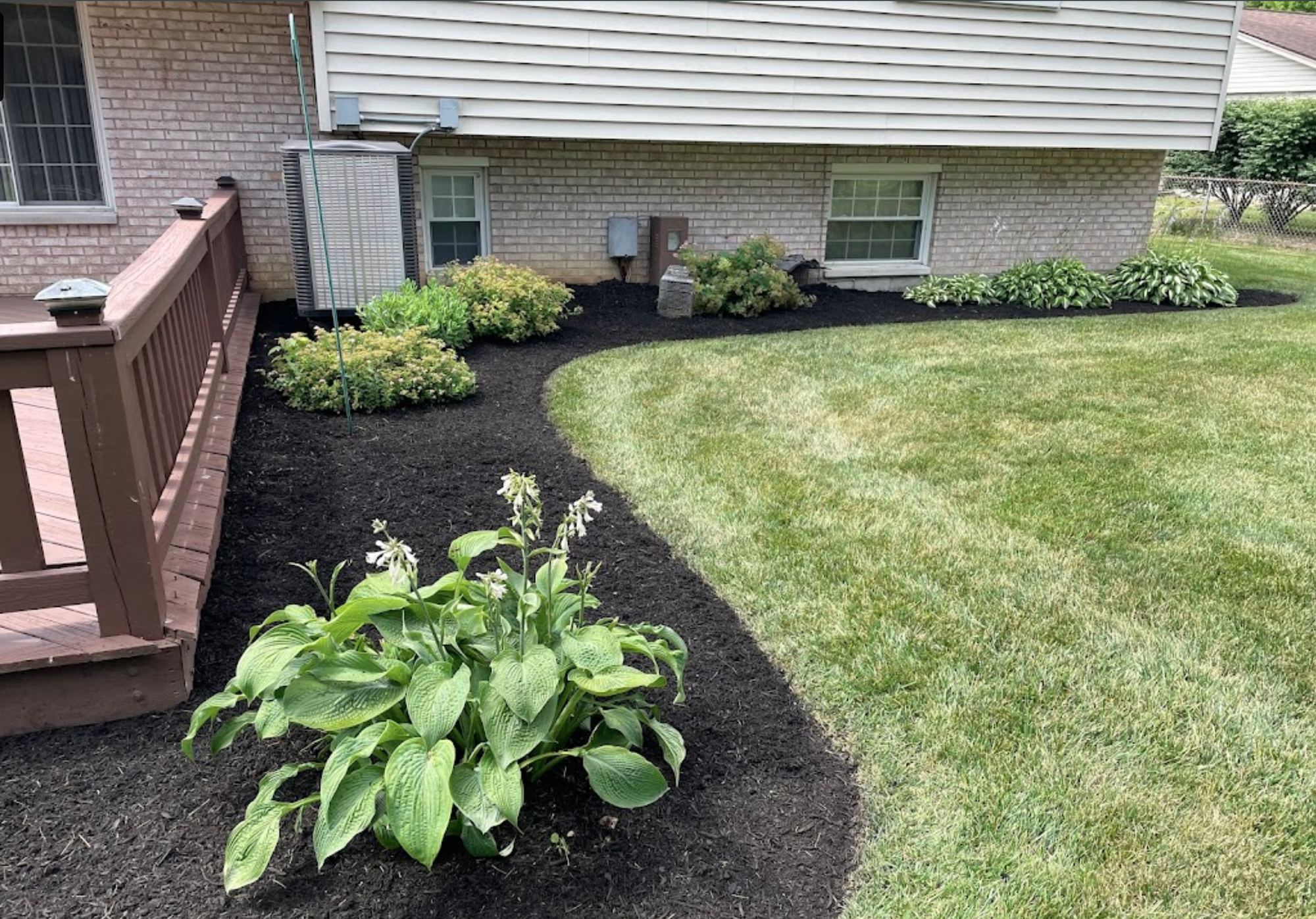
Before
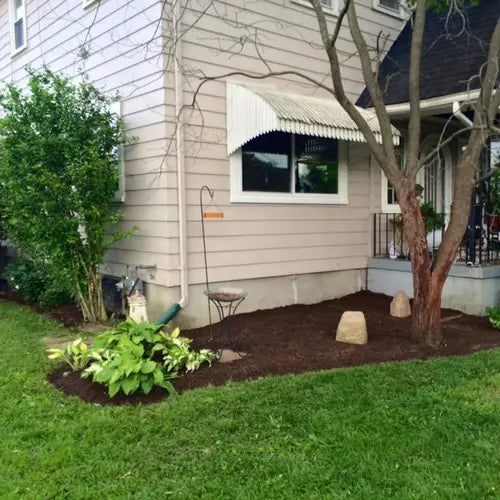
After
Best Mulch Choice for Dubuque Lawns
Most yards in the Dubuque area sit on Silt Loam type of soil. Dubuque's silt loam compacts easily under repeated rainfall and loses its open structure in active planting areas, making it harder for roots to penetrate deeply and for water to drain freely through the bed profile.
Hardwood Mulch
Hardwood mulch breaks down at a rate that keeps it protective and in place through Dubuque's wet spring and summer months, and as it does decompose it contributes organic matter that directly improves the structure and drainage of the silt loam layer beneath your beds over multiple seasons.
Mulch Types We Deliver in Dubuque
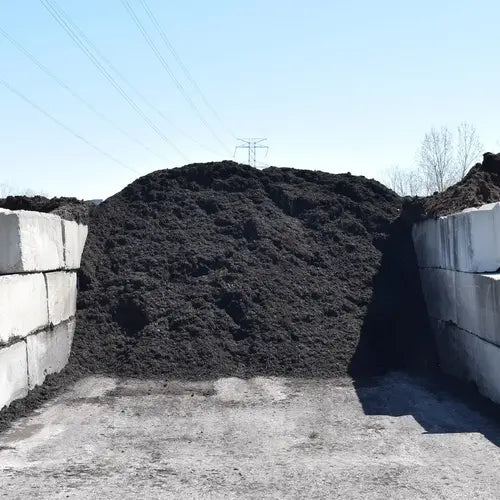
Mulch Mound delivers bulk mulch by the cubic yard straight to your door, so you can skip the bags and cover more ground for less. Whether you are refreshing a few flower beds or tackling a full landscape renovation, bulk mulch delivery in Dubuque makes it easy to get exactly what you need. We carry three durable mulch varieties suited to the Midwest climate and the classic home landscapes common across this part of Iowa.
Dyed Black Mulch
Available in double shredded style, this bold black mulch creates sharp contrast against the green foliage and brick accents common on older Iowa homes. The rich color holds through hot summers and heavy Midwest rains, making it a favorite for homeowners who want beds that look polished all season long.
Dyed Brown Mulch
This warm brown double shredded mulch holds its freshly applied color for weeks, even through the temperature swings common to Midwest summers. The smooth texture spreads evenly across sloped beds and larger landscape areas, making it a practical and attractive choice for both established gardens and new plantings.
Natural Brown Mulch
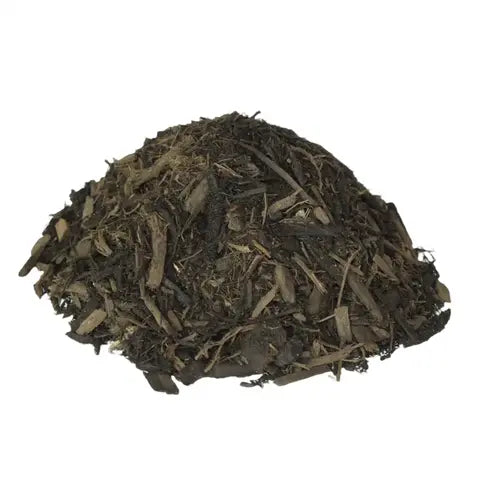
Made without dye, this double shredded mulch offers a warm earthy tone that comes straight from the wood itself. It blends naturally with the clay-heavy soils and wooded surroundings typical of this part of Iowa, and its clean spread makes it easy to work into beds of any size.
Complete Your Outdoor Mulch Project
If your beds need a soil refresh before mulching, our bulk topsoil and garden mix options pair well with a fresh mulch application to give Dubuque gardens a strong nutritional foundation heading into the growing season. Adding stone borders around mulched beds is also a practical step for Dubuque's hillier lots, where a clean edge helps hold both the mulch and the underlying silt loam in place when heavy rains hit.
Pull mulch a few inches back from plant stems and tree trunks before Dubuque's winter arrives. Silt loam holds moisture well, and mulch piled directly against woody stems can stay wet long enough through the cold months to encourage rot and fungal issues. A small gap at the base of each plant keeps air moving and prevents the kind of slow crown damage that zone 5a winters can quietly worsen when mulch is mounded too high.
Mulch Mound Pro Tip
Time your spring mulch application to coincide with the soil reaching at least 50 degrees, which in Dubuque typically happens in early to mid May. Applying mulch too early in April can slow soil warming and delay the root growth your perennials need after a hard zone 5a winter. A simple soil thermometer takes the guesswork out of the timing and helps you get the most from every cubic yard you spread.
Mulch Mound Pro Tip
With 36 inches of annual rainfall, Dubuque landscapes rarely suffer through extended dry spells the way gardens in western Iowa do, but mulch still makes a measurable difference during July heat stretches. A 3-inch layer reduces surface evaporation and keeps the root zone of shallow-rooted annuals and perennials consistently moist between rain events. This benefit is especially valuable on the west and southwest-facing slopes common throughout Dubuque, where direct sun exposure dries beds far faster than flat ground.
Frequently Asked Questions
Click a question to see the answer
Answer
How thick should I apply mulch around my plants given how easily Dubuque's silt loam compacts?
Dubuque's silt loam sits between sandy and clay soils in texture and compacts fairly easily under repeated rainfall. A 2 to 3 inch layer of mulch is usually ideal for most beds. Going thicker than 4 inches can trap too much moisture against plant crowns, which becomes a real problem during Dubuque's wet spring months when the soil is already saturated from snowmelt and rain.
Answer
Will mulch help protect my perennials through a Dubuque winter?
Yes, especially around perennials and newly planted shrubs. With Dubuque's first frost typically arriving around October 6, applying mulch in late September helps buffer the soil against the rapid temperature drops of a zone 5a winter. A 3 to 4 inch layer over perennial crowns significantly reduces the freeze-thaw heaving that can push root systems out of the ground before spring.
Answer
Does Dubuque's rainfall affect how fast mulch breaks down and how often I need to replace it?
With 36 inches of annual rainfall spread across the growing season, organic mulch in Dubuque breaks down noticeably faster than it would in drier climates to the west. You can expect to top off natural hardwood mulch once a year, and late April right after the last frost date is the best time to do it. That timing lets you take advantage of fresh mulch just as weeds are starting to germinate.
Answer
What is the difference between natural and dyed mulch for a Dubuque front yard?
Natural hardwood mulch breaks down faster in Dubuque's moist climate and adds organic matter back into the silt loam soil over time, which genuinely improves soil structure across multiple seasons. Dyed mulch holds its color longer through Dubuque's rainy summers and is a practical choice for front-yard beds where curb appeal is the priority. The color retention makes dyed mulch popular on properties along Dubuque's busier streets where appearance is visible throughout the season.
Answer
Is late April a good time to mulch my Dubuque garden beds?
Late April is actually one of the best times to mulch in Dubuque. Once the last frost date around April 29 has passed, the soil is warming and annual weeds are beginning to germinate. Applying mulch at that point traps soil warmth for your emerging perennials, gives your plants a head start on root development, and blocks the first flush of weed growth before it gets established through May.
Answer
How do I keep mulch from washing down a slope on my hilly Dubuque property?
Dubuque's varied terrain means many yards have slopes that see significant runoff during storm events. Using a coarser shredded hardwood mulch rather than fine bark helps the material interlock and resist movement. On steeper grades, pairing mulch with a clean stone or metal edging at the lower edge of the bed holds it in place during heavy rains and keeps the material from migrating onto walkways or lawn areas.
Answer
Can regularly mulching my beds help fix the compaction problem in my Dubuque yard?
Silt loam is prone to surface compaction, especially after foot traffic or repeated rain events. A consistent mulch layer prevents raindrops from directly impacting and sealing the soil surface, which is one of the main causes of compaction in open beds. Over time, as the organic material breaks down into the silt loam beneath, it improves soil structure and makes the layer more resistant to compaction from future rains and activity.
The Unique Landscape of Dubuque
Dubuque's native silt loam holds moisture well on its own, but that same quality leaves plant beds vulnerable to surface compaction and crusting after heavy summer rains. With 36 inches of annual rainfall and a growing season that runs from late April through early October, a consistent layer of mulch is one of the most practical tools available for stabilizing beds and managing moisture. Zone 5a winters bring hard freezes that can heave shallow-rooted plants out of the ground, and mulch acts as an insulating blanket that moderates the soil temperature swings that run from October through spring. Dubuque's hilly terrain also means runoff is a year-round concern, and mulch slows water movement across beds before it carries away topsoil. Keeping beds mulched reduces the weed pressure that accelerates with Dubuque's warm, humid growing season.