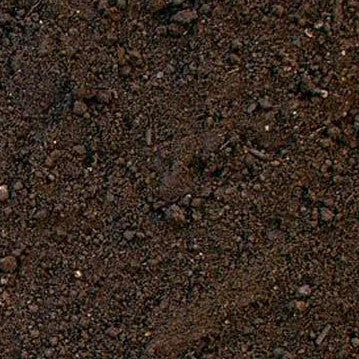
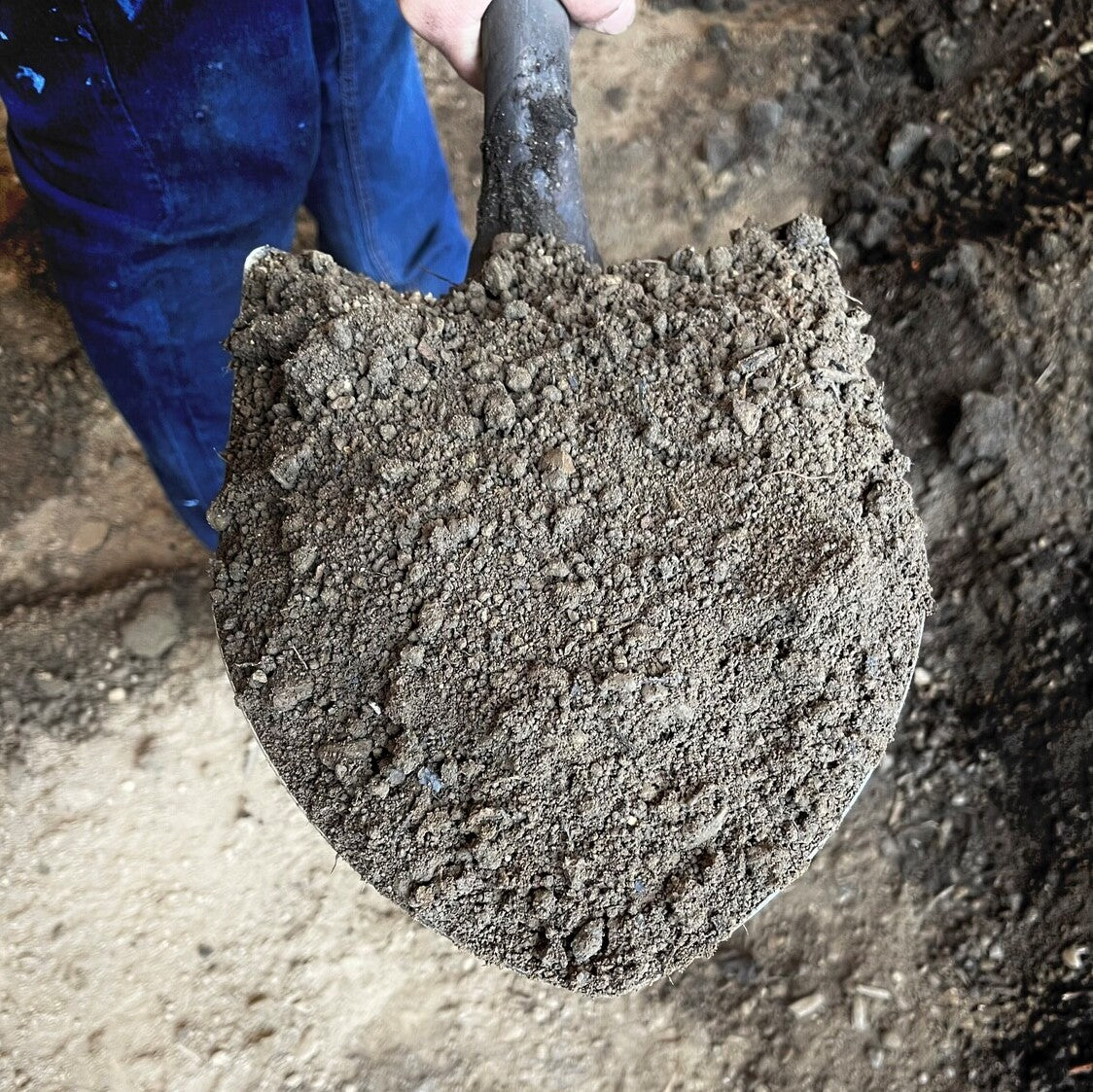
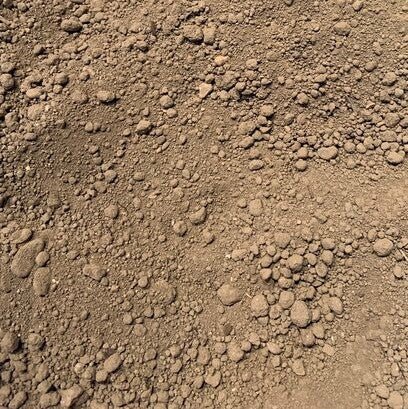
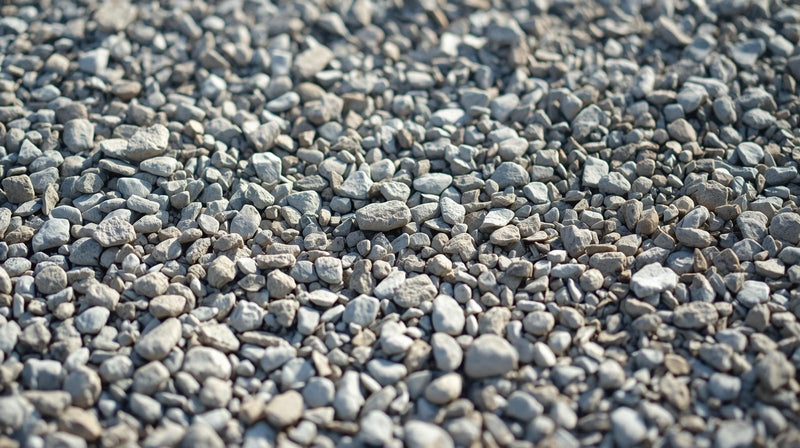
Quality topsoil for lawns, gardens, and landscape projects. Nutrient rich and ready to support strong root development and healthy plant establishment.
Ordered the planting mix with an early Saturday delivery. Super easy ordering experience. Dirt was delivered on time and delivery driver was kind enough to let us know I would take up more room than we though so we could pull cars out of the garage. Will be ordering again
Tell us what you're looking for
Thanks! We received your request.
Something went wrong. Please try again.
How Much Material Do I Need?
Most grading and bed prep projects in Dubuque require at least 3 to 4 inches of fresh topsoil to make a meaningful improvement above the native silt loam layer. Raised bed installations typically call for 8 to 12 inches of fill to give roots adequate depth to thrive through Dubuque's full growing season.
Use our free soil calculator
What is a yard?
A yard is approximately 27 cubic feet. As a general guideline, one yard of material can cover an area of about 100-160 square feet at a 2-3 inch depth.
We can't take orders for this right now. Tell us what you need and we'll get back to you.
What do you need?
Thanks! We received your request.
Something went wrong. Please try again.
Hand-picked local yards
4,000+ regional deliveries
Dedicated support
Why order through Mulch Mound
The best local soil, without the guesswork.
We hand-pick and partner with the best yards in your region, keep only the ones our buyers rate well, and back each load with our guarantee.
Mulch Mound Guarantee
If your soil isn't the quantity or quality you ordered, we'll make it right.
About this soil
Quality topsoil for lawns, gardens, and landscape projects. Nutrient rich and ready to support strong root development and healthy plant establishment.
Ordered the planting mix with an early Saturday delivery. Super easy ordering experience. Dirt was delivered on time and delivery driver was kind enough to let us know I would take up more room than we though so we could pull cars out of the garage. Will be ordering again
How Much Material Do I Need?
Most grading and bed prep projects in Dubuque require at least 3 to 4 inches of fresh topsoil to make a meaningful improvement above the native silt loam layer. Raised bed installations typically call for 8 to 12 inches of fill to give roots adequate depth to thrive through Dubuque's full growing season.
Use our free soil calculator
What is a yard?
A yard is approximately 27 cubic feet. As a general guideline, one yard of material can cover an area of about 100-160 square feet at a 2-3 inch depth.
Ordered the planting mix with an early Saturday delivery. Super easy ordering experience. Dirt was delivered on time and delivery driver was kind e...
Read full review
Ordered the planting mix with an early Saturday delivery. Super easy ordering experience. Dirt was delivered on time and delivery driver was kind enough to let us know I would take up more room than we though so we could pull cars out of the garage. Will be ordering again
Measure the length, width, and desired depth of your project in feet, multiply all three together, and divide by 27 to convert to cubic yards. For lawn leveling in Dubuque, a 1-inch layer over 1,000 square feet equals roughly 3 cubic yards. For grading and filling projects on Dubuque's uneven terrain, add 10 to 15 percent to your estimate to account for settling over the first season.
Soil Types We Deliver in Dubuque
Mulch Mound delivers bulk topsoil by the yard in Dubuque, bringing quality soil right to your driveway or job site with no trip to the hardware store required. Whether you are leveling a lawn, filling raised garden beds, or tackling a full landscaping project, we measure and load to your exact cubic yard needs. Dubuque yards often sit on clay-heavy ground, so bringing in a fresh layer of quality soil can make a real difference for plant health and drainage.
Screened Top Soil
Our screened topsoil is run through a fine screen to remove rocks, clods, and debris, leaving a smooth, workable material that spreads evenly across lawns and garden beds. It is nutrient rich and ready to support strong root development, making it a reliable choice for Dubuque homeowners working to establish new plantings in the region's variable growing conditions.
Complete Your Outdoor Soil Project
Topping fresh soil with a 2 to 3 inch layer of mulch is the natural next step and protects the new surface from Dubuque's rainfall while reducing erosion risk on sloped lots. Stone edging around filled beds also helps contain both the soil and any mulch you add, which is especially useful on the hillside and terraced properties common throughout Dubuque neighborhoods.
My Dubuque yard has a low spot that holds water after every rain. Can bulk topsoil fix that?
Grading low spots with quality topsoil is one of the most practical improvements Dubuque homeowners can make, especially given the city's 36 inches of annual rainfall. The key is grading the filled area so water flows away from your foundation toward a natural drainage outlet. Covering the new grade quickly with seed or sod prevents the fresh silt loam from washing before it knits together with the surrounding lawn.
Answer
What kind of soil should I order for raised vegetable beds in Dubuque?
A blended garden mix with higher organic content is the best choice for raised beds in Dubuque. Native silt loam works well in the ground but tends to compact heavily inside raised bed boxes, restricting root growth and drainage. A looser blended mix retains warmth better in the spring, which matters when you are trying to get production going after Dubuque's last frost around April 29.
Answer
How much topsoil do I need to level a Dubuque lawn that has settled unevenly in several spots?
For most lawn leveling in Dubuque, a top-dressing of 1 to 2 inches over the low areas is enough to restore a smooth grade. Measure the square footage of each uneven section, multiply by the depth in feet, and divide by 27 to convert to cubic yards. Dubuque's silt loam lawns integrate new top-dressing material naturally over a single growing season, so you do not need deep applications to see lasting results.
Answer
My Dubuque vegetable garden has been in the same spot for years and the soil seems exhausted. How do I refresh it?
Adding 3 to 4 inches of fresh garden mix to depleted Dubuque beds gives you a full reset on the nutrient layer your plants need. Silt loam loses organic content over time, especially in high-production vegetable beds, so an annual addition of 1 to 2 inches of rich blended soil or compost-heavy material keeps fertility where it needs to be for a productive zone 5a growing season running from May through September.
Answer
Can a delivery truck reach my property? My Dubuque lot has a steep driveway.
Steep lots are common throughout Dubuque and it is worth planning your drop location ahead of delivery. On sloped properties, having soil placed near the base and moving it uphill by wheelbarrow is often safer than directing the truck up a grade. Once the soil is placed and shaped, cover it quickly with seed, sod, or mulch to protect the fresh surface from Dubuque's rainfall before it has a chance to settle in.
Answer
Can I use bulk topsoil to improve drainage around my Dubuque home's foundation?
Grading soil away from your foundation is one of the most important improvements a Dubuque homeowner can make given the city's consistent rainfall. A slope of about 6 inches over the first 10 feet away from the foundation directs water away from the structure. Using a clean topsoil blend rather than native silt loam for the grading layer gives you a more stable result, as the amended material holds its grade better over time.
Answer
What time of year is best for soil and grading projects in Dubuque?
Spring and early fall are the two best windows for soil work in Dubuque. After the last frost around April 29, the ground has thawed and dried enough to work without compacting it further. Early September gives you time to grade, seed, or plant before the first frost closes the season around October 6. Avoid working Dubuque's silt loam when it is saturated after heavy spring rains, as wet silt loam smears and compacts badly and can take weeks to recover its structure.
Mulch Mound Pro Tip
Do not work Dubuque's silt loam when it is wet. The soil smears easily when saturated, destroying its pore structure and creating a compacted layer that restricts drainage and root growth for an entire season. A simple squeeze test tells you if it is ready to work. Grab a handful and squeeze it firmly, then tap it with your finger. If it crumbles, the soil is dry enough to work. If it stays packed and sticky, give it more drying time.
Mulch Mound Pro Tip
When filling low spots in a Dubuque lawn, build in a slight crown at the center of the filled area rather than leveling it perfectly flat. Fresh soil always settles after placement, and silt loam settles more than sandy or gravelly soils. Building in a gentle mound at the time of placement means the finished grade will level out naturally after the first season rather than forming a new depression that collects water after heavy rains.
Mulch Mound Pro Tip
For Dubuque vegetable gardens, blend bulk topsoil with a quality compost before filling raised beds. Zone 5a growing seasons are long enough to push heavy producers like tomatoes, squash, and peppers through a full production cycle, but those crops pull enormous amounts of nutrients from the soil between May and October. Starting with an enriched mix rather than plain topsoil gives your plants a nutrient reserve that carries them through the full season without requiring heavy fertilizing every few weeks.
The Unique Landscape of Dubuque
Dubuque's native silt loam is reasonably fertile but presents real limitations for homeowners trying to establish garden beds, level lawns, or build raised growing areas. Silt loam compacts under repeated rainfall and foot traffic, and the hilly topography throughout Dubuque means erosion has stripped the topsoil layer from many elevated yards over the years. Bringing in quality bulk soil gives you a way to rebuild the growing layer that Dubuque properties commonly lose to slope movement and surface runoff. A growing season that runs from late April through early October gives Dubuque gardeners a productive window, but that window demands nutrient-rich, well-draining soil from the start to get the most out of it. Whether you are grading a low spot, filling a raised bed, or refreshing a vegetable garden, bulk soil matched to zone 5a growing conditions makes every other landscaping effort more effective.