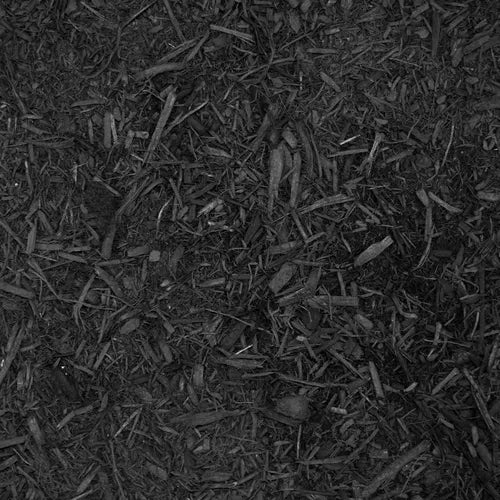
About this mulch

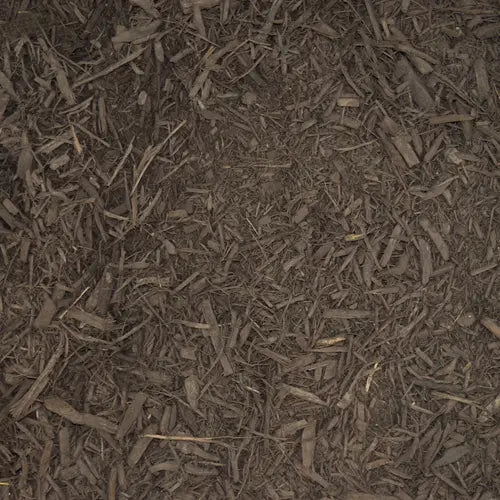
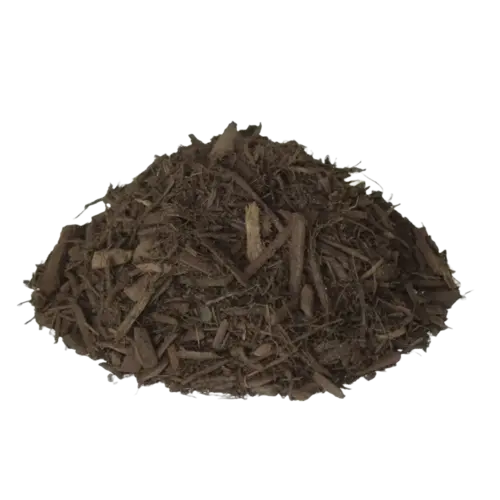
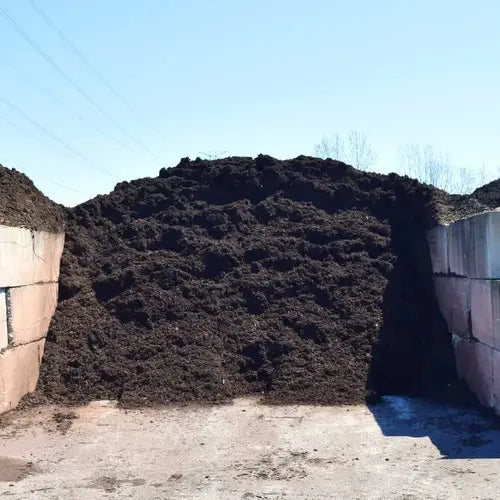
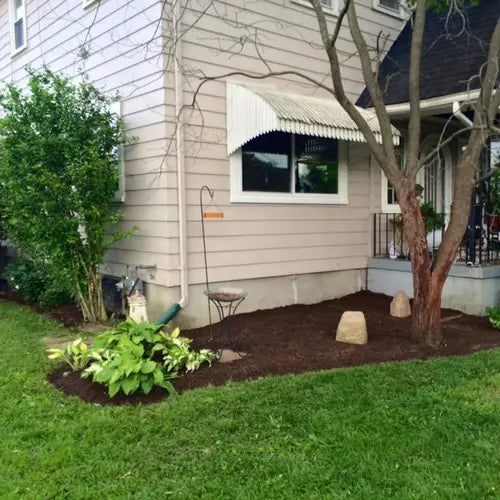
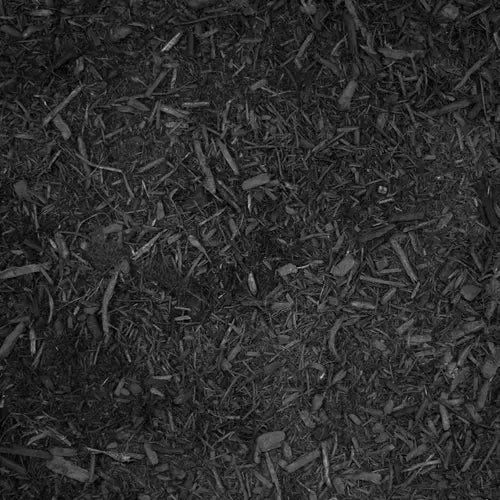
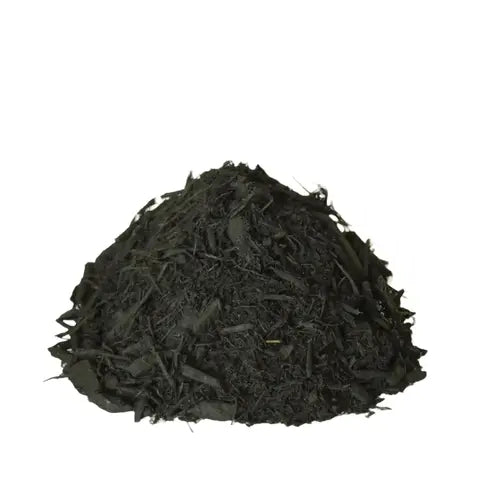
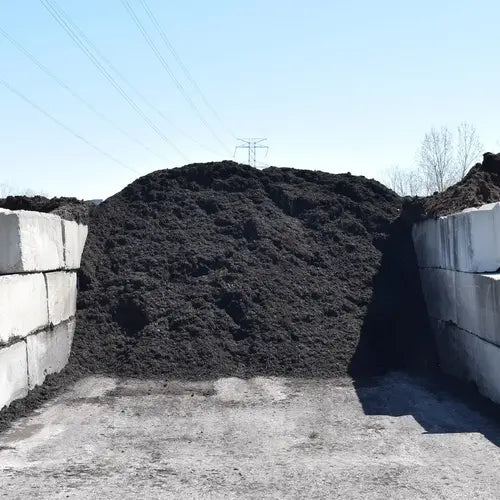
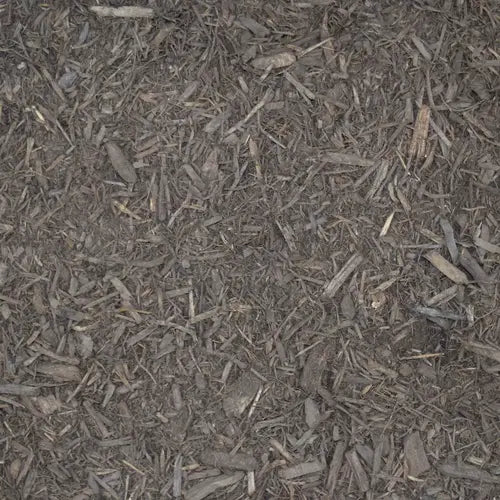
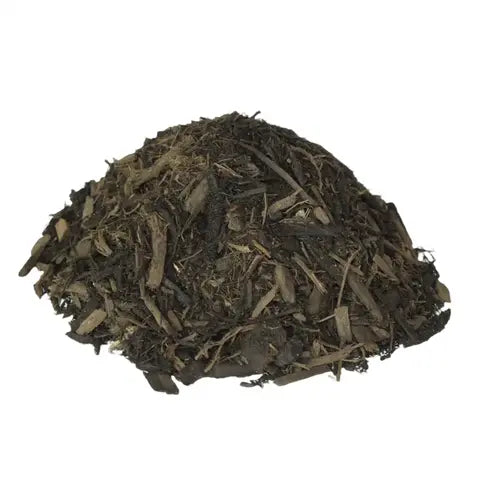
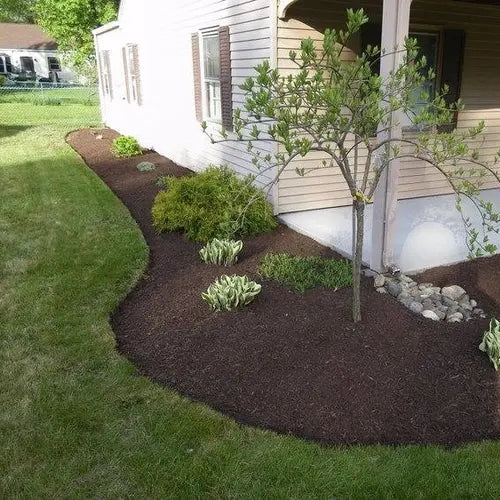
Warm brown double shredded mulch with lasting color that looks freshly applied for weeks. Spreads smooth, stays put, and gives beds a natural, polished appearance.

Good quality, great price, fast delivery. All online - no submitting forms and waiting for days for quotes.
Getting mulch should be this easy from everyone. Only Mulch Mound is ACTUALLY this simple.

For most Farmingville beds over sandy loam, a 3-inch depth strikes the best balance between moisture retention and airflow to the root zone. Beds in full afternoon sun may benefit from a full 4 inches to offset the faster evaporation that comes with Farmingville's warm, breezy summer conditions.
Use our free mulch calculator

A yard is approximately 27 cubic feet. As a general guideline, one yard of material can cover an area of about 100-160 square feet at a 2-3 inch depth.

Farmingville Mulch Delivery

Farmingville Mulch Delivery

4.7
137 reviews
Regular price $55.00 per yard
Regular price Sale price $55.00
Sale Sold out
Color
Style
Minimum of 3 yard
Hand-picked local yards
4,000+ regional deliveries
Dedicated support
Why order through Mulch Mound

The best local mulch, without the guesswork.

We hand-pick and partner with the best yards in your region, keep only the ones our buyers rate well, and back each load with our guarantee.

Mulch Mound Guarantee

If your mulch isn't the quantity or quality you ordered, we'll make it right.

About this mulch

Warm brown double shredded mulch with lasting color that looks freshly applied for weeks. Spreads smooth, stays put, and gives beds a natural, polished appearance.

Good quality, great price, fast delivery. All online - no submitting forms and waiting for days for quotes.
Getting mulch should be this easy from everyone. Only Mulch Mound is ACTUALLY this simple.
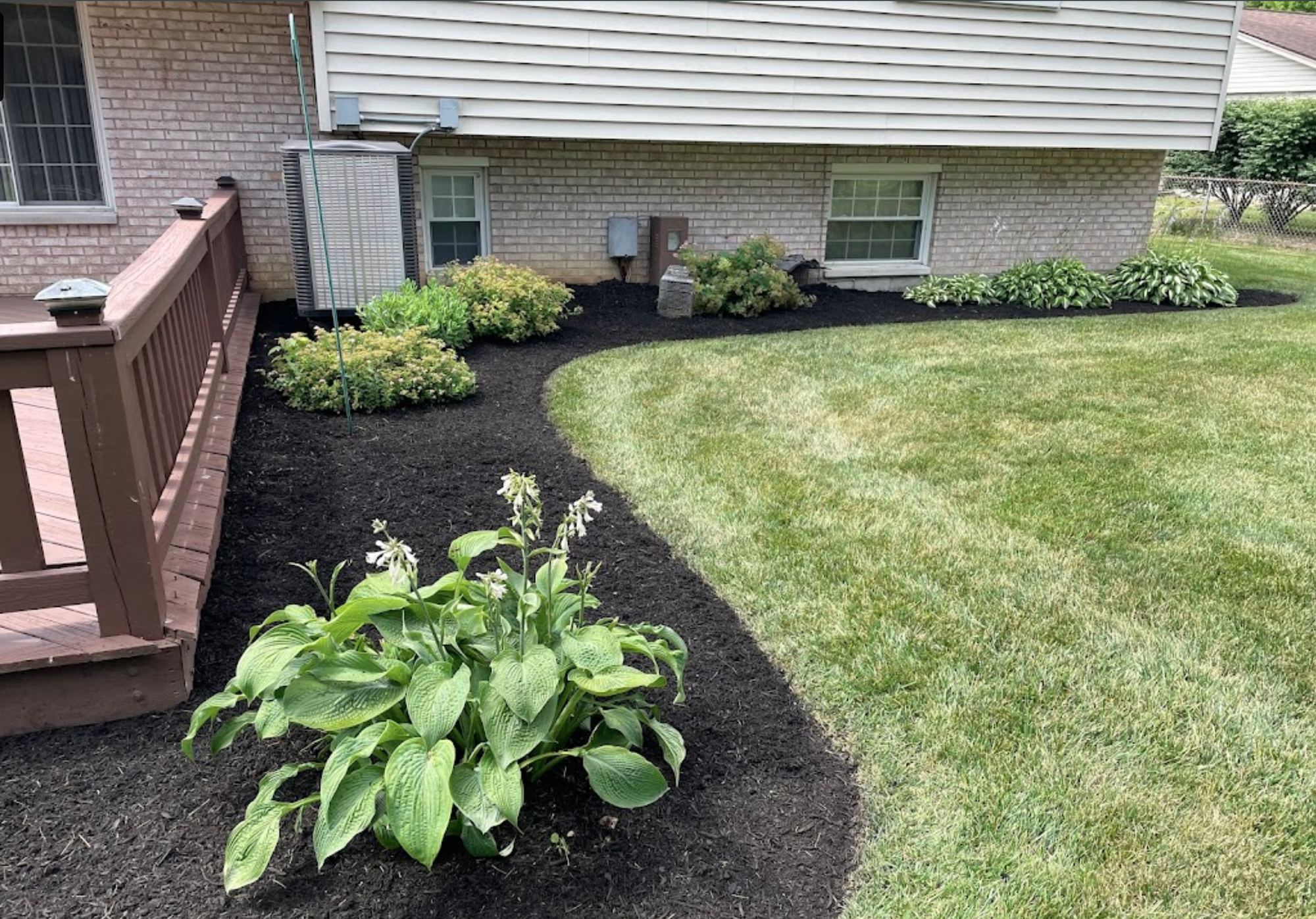
For most Farmingville beds over sandy loam, a 3-inch depth strikes the best balance between moisture retention and airflow to the root zone. Beds in full afternoon sun may benefit from a full 4 inches to offset the faster evaporation that comes with Farmingville's warm, breezy summer conditions.
Use our free mulch calculator

A yard is approximately 27 cubic feet. As a general guideline, one yard of material can cover an area of about 100-160 square feet at a 2-3 inch depth.

View full details

How It Works

Getting started is easy — just follow these simple steps

1

Choose your Mulch

Make sure you adjust the quantity to your home's needs. You can use our calculator to estimate how much you'll need.

2

Select your delivery date

Select a delivery date you'd like for the product to be dropped off at your home

3

Sit back and wait

Sit back, wait, and let us work our magic to make sure the highest quality product is delivered to your driveway.

What Farmingville Customers Are Saying

4.7
out of 5 based on 137 reviews
Google Reviews

Calculate mulch for your Farmingville project

For Farmingville's Sandy Loam type of soil, we recommend 2-3 inches for best weed suppression and moisture retention

Try Our Calculator
📍

Measure the length and width of each bed in your Farmingville yard and multiply to get square footage. Divide that number by 12, then multiply by your intended depth in inches to get cubic feet, and divide by 27 to convert to cubic yards. Because sandy loam compacts less than heavy clay, factor in a small overage for any sloped or irregular bed edges that are common on properties in this part of Suffolk County.

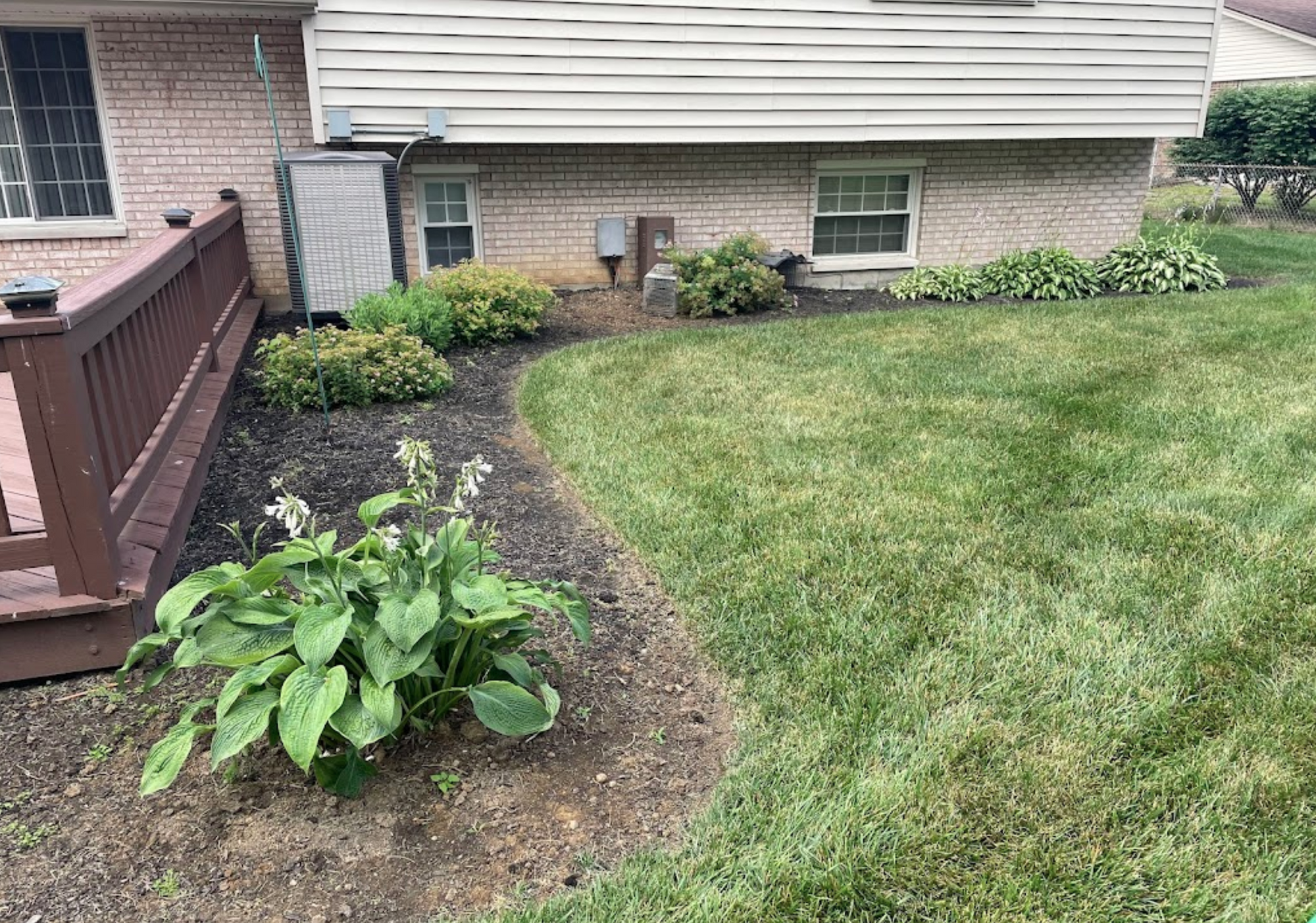
Mulch vs. No Mulch: The Difference

Farmingville's sandy loam soil warms up quickly in spring and releases heat fast in fall, which means the organic matter in natural hardwood mulch breaks down at a steady, productive pace through the growing season, gradually feeding nutrients back into the ground. Dyed or colored mulches use a similar wood base that decomposes at a comparable rate, but the colorant is formulated to hold its appearance through a full season of Long Island sun and rain. For beds where soil improvement is the main priority alongside weed control, natural mulch delivers double value as both a protective surface cover and a slow-release organic amendment.

Before image
After image
Slider handle
Before
After

Mulch Types We Deliver in Farmingville

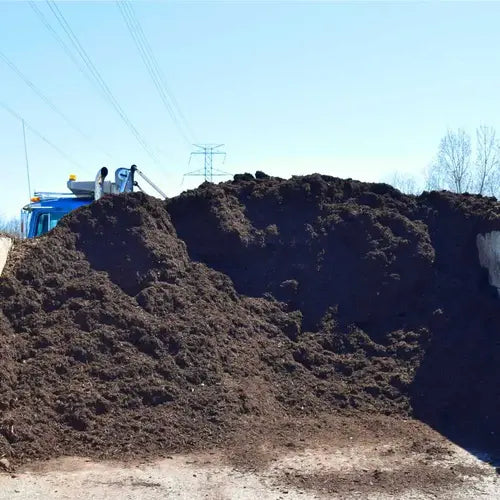
Mulch Mound brings bulk mulch delivery in Farmingville by the cubic yard, dropping fresh material straight to your property without the hauling. Long Island's warm summers and sandy soil make regular mulching important for holding moisture and keeping weeds down. We carry the varieties most popular with local homeowners and landscapers.

Dyed Black Mulch

Dyed black mulch is popular for bold curb appeal, creating strong contrast against Long Island's light sandy soil. Available in double shredded and triple shredded styles, the color holds through sun and rain. It transforms foundation plantings and garden borders instantly.

Dyed Brown Mulch

Warm brown dyed mulch suits homeowners looking for a polished, natural appearance that complements plants without drawing attention away from them. Available in double shredded and triple shredded styles, it fits the traditional landscape layouts common across this part of Suffolk County and holds color for weeks.

Natural Brown Mulch

Undyed natural brown mulch delivers an earthy tone straight from the wood with no added colorants. Available in double shredded and triple shredded styles, it breaks down gradually and adds organic matter to the soil over time, which benefits Long Island's sandier ground.

Complete Your Outdoor Mulch Project

If your beds need building up before you mulch, pair your order with a delivery of our premium topsoil or garden soil to enrich Farmingville's naturally lean sandy loam and give new plantings a fertile start. Adding a stone edging or border from our stone selection gives freshly mulched beds a clean, defined edge that holds up through Long Island's heavy spring rains.

Map of Farmingville, New York

Areas we deliver mulch in Farmingville, New York

No cities found for this region.

See All Locations
Mulch Mound Pro Tip

Keep mulch pulled back about two inches from the base of shrubs and tree trunks in your Farmingville beds. The humid summer air on Long Island creates conditions where bark stays persistently damp if mulch is piled against it, which encourages fungal rot and insect activity right at the crown. That small gap costs nothing and makes a genuine difference in the long-term health of established plantings.

Mulch Mound Pro Tip

If you are top-dressing an existing bed rather than starting fresh, use a garden fork to lightly loosen the old decomposed mulch layer before spreading new material. In Farmingville's sandy loam, the partially broken-down organic matter from the previous season is actively improving your soil structure. Gently working it into the top inch of soil before adding the fresh layer puts that benefit exactly where roots can reach it.

Mulch Mound Pro Tip

Farmingville receives about 42 inches of rain per year, and a good portion of that falls as heavy spring storms that can scatter lightweight mulch across walkways and lawns. Double-shredded hardwood mulch knits together far better than single-shredded products and stays put during those intense April downpours. If you have sloped beds along a hillside or driveway edge, double-shredded is worth choosing to prevent costly washout and cleanup.

Frequently Asked Questions

Click a question to see the answer

Answer

How thick should I put mulch down over Farmingville's sandy soil?

Because sandy loam drains so quickly, a 3-inch layer is the right target for most Farmingville beds. That depth is enough to meaningfully slow moisture loss from the soil surface without piling up so thick that it creates a dense mat blocking water from reaching roots during the dry spells that hit this part of Long Island in late summer.

Answer

Will mulch actually cut down on the weeds that keep taking over my garden beds?

Yes, and it is especially effective in Farmingville where the loose sandy loam makes it easy for weed seeds to germinate quickly. A consistent 3-inch mulch layer blocks sunlight from the soil surface and cuts germination down considerably. You will still see a few weeds push through, but the workload is dramatically lower compared to leaving beds bare.

Answer

I have heard mulch can pull nitrogen out of my soil. Is that a real concern in Farmingville?

It can be a minor issue if fresh wood chips are tilled directly into the soil, because microbes consume nitrogen as they break down woody material. The fix is simple: keep mulch on top of the soil as a surface layer rather than mixing it in. That way the decomposition happens above the root zone and your sandy loam holds onto the nitrogen your plants need.

Answer

When is the best time of year to put fresh mulch down in Farmingville?

Late April works well for most Farmingville homeowners. By that point you are safely past the average last frost of April 11, the soil has started warming up, and a fresh mulch layer traps that warmth and moisture heading into summer. A light top-up in early October, before the November 10 first frost, adds winter insulation for perennials and shrub root systems.

Answer

How long does dyed mulch actually hold its color in this part of Long Island?

Color retention depends on sun exposure and rainfall. Farmingville gets around 42 inches of rain per year and summer UV is strong this far out on Long Island, so dyed mulch in full-sun beds will fade faster than material in shaded areas. Most quality dyed products hold their color well through one full growing season before needing a refresh.

Answer

How many cubic yards do I need for a typical Farmingville front yard with multiple planting beds?

That depends on total square footage and your target depth, but a common Farmingville front yard with 400 to 600 square feet of beds will need roughly 4 to 6 cubic yards to hit a 3-inch layer. Use the calculator on this page with your actual measurements to get a precise number before ordering.

Answer

Can mulch really protect my plants through a Farmingville winter?

It makes a real difference. Farmingville winters are relatively mild for Zone 7a, but the freeze-thaw cycles that happen repeatedly between November and March can heave shallow-rooted perennials and shrubs right out of the ground. Applying a 3 to 4-inch mulch layer before the November 10 first frost insulates the soil and reduces the surface temperature swings that cause that heaving.

The Unique Landscape of Farmingville

Farmingville's sandy loam soil drains freely, which means plant beds lose moisture faster than homeowners expect, particularly during the dry stretches that sometimes follow summer thunderstorms on Long Island. A proper mulch layer is one of the most reliable tools for slowing that surface evaporation and keeping root zones consistently hydrated between waterings. With a last frost around April 11 and a first frost around November 10, Farmingville gardeners have a solid growing window, but the temperature swings in early spring and late fall can stress shallow-rooted plants without the insulating buffer a good mulch layer provides. The loose texture of Farmingville's native soil also makes beds prone to erosion when heavy rains hit bare ground, washing away the fine particles that hold nutrients near the root zone. Mulch acts as a protective blanket that keeps that sandy loam in place and gradually feeds it with organic matter as the material breaks down through the growing season.