




Good quality top soil and was delivered exactly where I wanted it. Nice Job!
About this soil
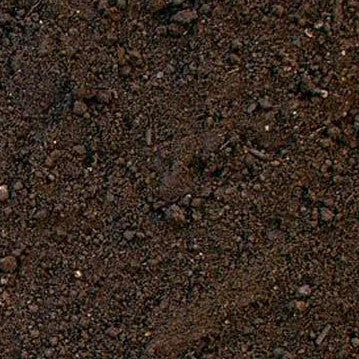
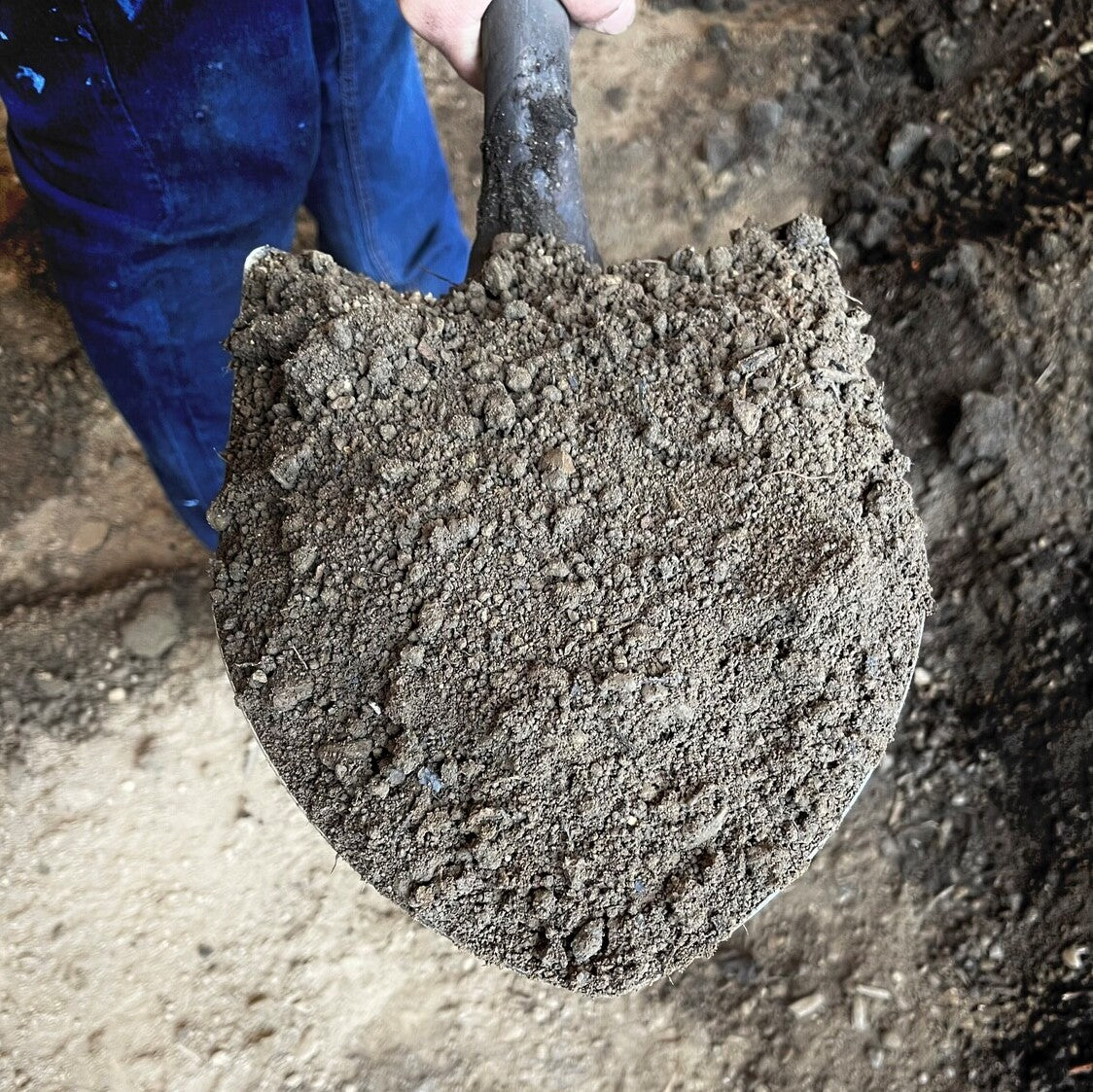
Quality topsoil for lawns, gardens, and landscape projects. Nutrient rich and ready to support strong root development and healthy plant establishment.
Good quality top soil and was delivered exactly where I wanted it. Nice Job!
Tell us what you're looking for
Thanks! We received your request.
Something went wrong. Please try again.
How Much Material Do I Need?
How Much Material Do I Need?
For garden bed construction over Farmingville's sandy loam, 8 to 12 inches of quality soil gives roots a productive growing layer before they reach the native sandy base below. Lawn topdressing for leveling low spots typically needs only 1 to 2 inches spread evenly across the problem areas.
Use our free soil calculator
What is a yard?
What is a yard?
FAQs
FAQs
Farmingville Soil Delivery
Farmingville Soil Delivery
Regular price
$64.00
per
yard
Regular price
Sale price
$64.00
Unit price
per
Shipping calculated at checkout.
Minimum of 3 yard
Couldn't load pickup availability
Not currently available
We can't take orders for this right now. Tell us what you need and we'll get back to you.
Hand-picked local yards
4,000+ regional deliveries
Dedicated support
Why order through Mulch Mound
The best local soil, without the guesswork.
We hand-pick and partner with the best yards in your region, keep only the ones our buyers rate well, and back each load with our guarantee.
Mulch Mound Guarantee
If your soil isn't the quantity or quality you ordered, we'll make it right.
About this soil
Quality topsoil for lawns, gardens, and landscape projects. Nutrient rich and ready to support strong root development and healthy plant establishment.
Good quality top soil and was delivered exactly where I wanted it. Nice Job!
How Much Material Do I Need?
How Much Material Do I Need?
For garden bed construction over Farmingville's sandy loam, 8 to 12 inches of quality soil gives roots a productive growing layer before they reach the native sandy base below. Lawn topdressing for leveling low spots typically needs only 1 to 2 inches spread evenly across the problem areas.
Use our free soil calculator
What is a yard?
What is a yard?
FAQs
FAQs
Tell us what you're looking for
Thanks! We received your request.
Something went wrong. Please try again.
How It Works
Getting started is easy — just follow these simple steps
1
Choose your soil
Make sure you adjust the quantity to your home's needs. You can use our calculator to estimate how much you'll need.
2
Select your delivery date
Select a delivery date you'd like for the product to be dropped off at your home
3
Sit back and wait
Sit back, wait, and let us work our magic to make sure the highest quality product is delivered to your driveway.

Online ordering was really simple and I liked the transparent pricing.

Easy to order, great service, and great product. We enjoy the final look of a very neglected beds we inherited!
Need Help Calculating How Much Soil You Need?
Use our NEW Trace from Satellite tool to get an estimate for your project based on an aerial view of your property
Try Our CalculatorMeasure the length and width of the area in feet, multiply together for square footage, then multiply by your target depth in feet to get cubic feet. Divide by 27 to convert to cubic yards. For Farmingville lawn work, plan for a 10 to 15 percent settling overage, since delivered soil compresses noticeably over the first several weeks, especially during the warmer months when microbial activity breaks down organic matter at a faster rate.
Soil Types We Deliver in Farmingville
Mulch Mound delivers bulk soil by the yard in Farmingville, making it easy to tackle lawn repairs, raised beds, and full landscape installs without the hassle of bagged products. Long Island's naturally sandy soils often need amendment or replacement to support dense turf and productive gardens. We load and deliver by the cubic yard so you get exactly what your project calls for.
Screened Top Soil
Our screened topsoil is the go-to choice for filling low spots, establishing new lawns, and grading around foundations. Screened to remove rocks and debris, it provides a clean, workable base that supports strong root development. A practical option for homeowners looking to improve thin, sandy, or depleted ground before planting.
Gardening Blend
This ready-to-use blend is formulated for flowers, vegetables, and mixed landscape borders common in Long Island yards. It combines balanced drainage with steady nutrient content, making it an ideal fill for raised beds or in-ground planting areas. The standard mix holds up well through our region's full growing season.
Garden Compost
Garden compost is rich in organic matter and well suited for feeding established beds, improving sandy soil structure, and encouraging vigorous plant growth. Our standard screened compost works well mixed into planting areas or spread as a top dressing, making it a strong choice for gardeners focused on building long-term soil health.
Complete Your Outdoor Soil Project
After grading and filling your beds with fresh soil, add a mulch layer to lock in moisture and protect Farmingville's sandy loam base from washing during the heavy spring rains that Long Island regularly sees. If you are also creating defined bed edges or a new walkway, our stone products pair well with soil projects and give the finished landscape a clean, structured look.


Service area
Areas we deliver soil in Farmingville, New York
Mulch Mound Pro Tip
After your bulk soil delivery arrives, give it a few days to sit before planting if your schedule allows. Farmingville's sandy loam base lets water move through it quickly, and light rain or irrigation during that window will help the new soil begin settling and making contact with the ground beneath it. That settling reduces air pockets that can dry out new transplant roots before they get established.
Mulch Mound Pro Tip
When grading soil near your home, make sure the finished surface pitches away from the foundation at roughly one inch per foot for the first six feet out from the structure. Farmingville gets about 42 inches of rainfall per year and spring storms can be intense, so proper pitch keeps runoff moving away from the foundation rather than pooling against it and creating moisture pressure against your basement or crawlspace walls.
Mulch Mound Pro Tip
For vegetable gardens in Farmingville, consider filling your raised beds entirely with a blended topsoil and compost mix rather than trying to amend the native sandy loam in place. Sandy loam warms up early in the season, which is a genuine advantage, but it simply does not hold enough nutrients to feed heavy feeders like tomatoes, peppers, and squash through a full growing season without consistent and repeated outside amendment.
The Unique Landscape of Farmingville
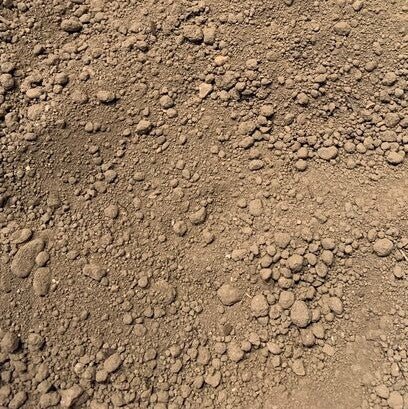
Farmingville sits on a base of sandy loam that drains freely, which is an advantage for avoiding waterlogged roots but creates real challenges when building productive garden beds, leveling a lawn, or establishing new plantings from scratch. The native soil is naturally low in organic matter, which means it releases nutrients quickly rather than holding them in place where plants can access them through the season. Boosting the organic content of Farmingville's soil is a long-term project, and a bulk soil delivery is one of the fastest ways to get new beds or lawn areas off to a healthy, productive start. Spring prep is especially time-sensitive here because the growing window opens around April 11 after the last frost, and having beds graded and filled before that date means you are ready to plant at the first opportunity. Grade work and bed prep done in fall, before the November 10 first frost, also gives imported soil several weeks to settle and begin integrating with the native sandy loam before the next planting season begins.