



Super easy to order the rocks. They showed up on time, dumped right where I said, and everything worked great.
About this stone
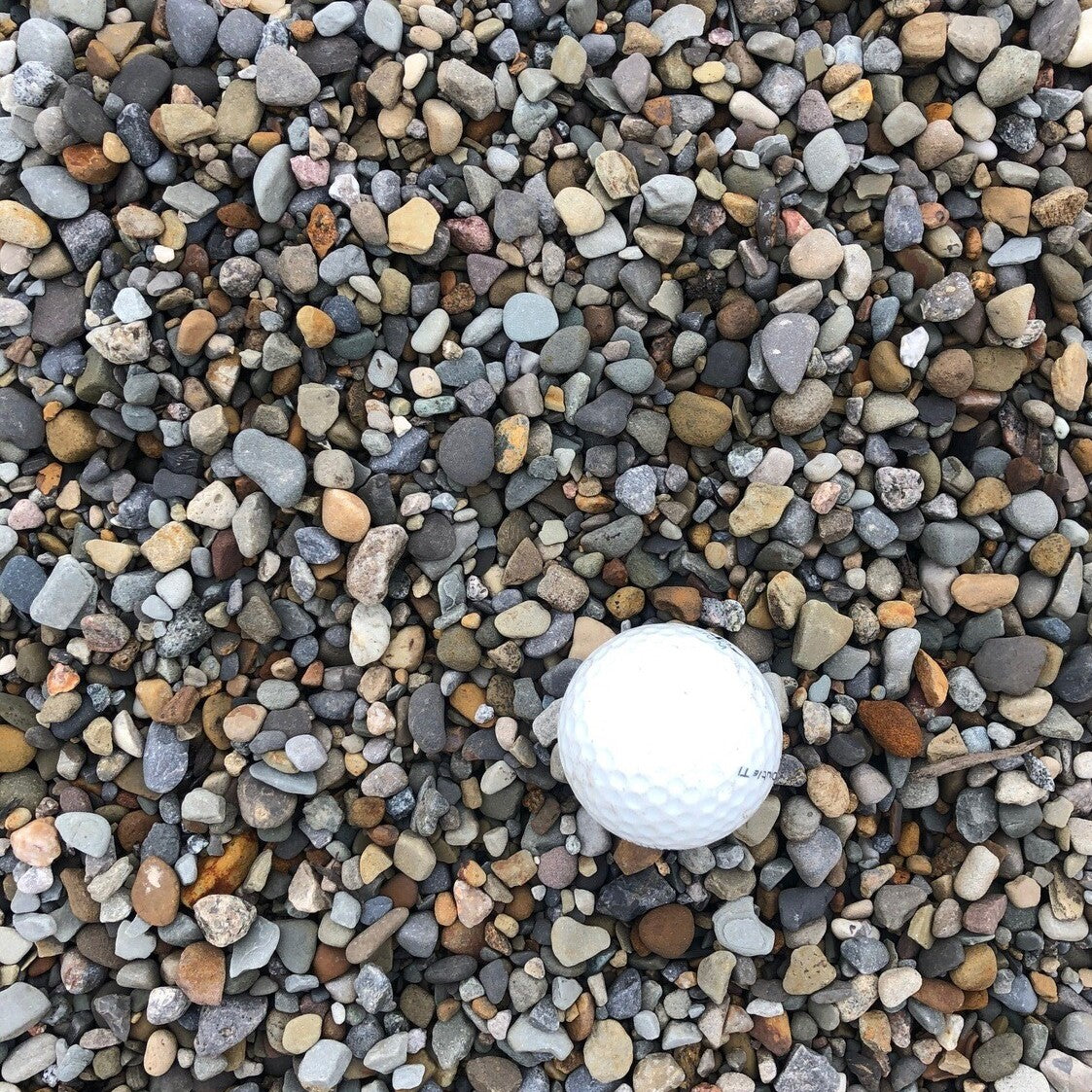
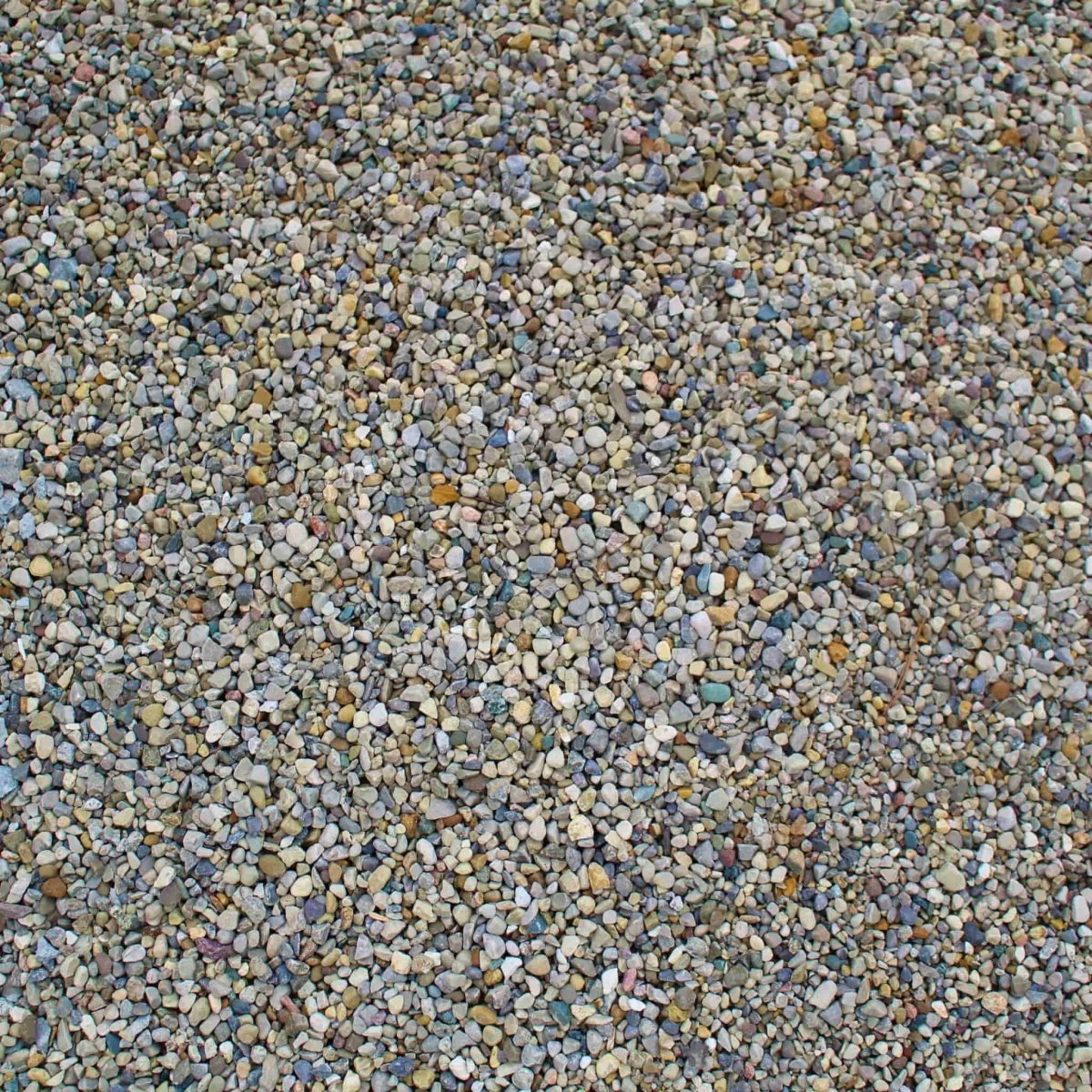
Classic pea gravel with smooth, rounded edges and natural earth tones. A versatile favorite for pathways, patios, drainage, and decorative ground cover.
Super easy to order the rocks. They showed up on time, dumped right where I said, and everything worked great.
Tell us what you're looking for
Thanks! We received your request.
Something went wrong. Please try again.
Farmingville Stone Delivery
Farmingville Stone Delivery
Regular price
$87.00
per
yard
Regular price
Sale price
$87.00
Unit price
per
Minimum of 3 yard
Couldn't load pickup availability
1 tree planted for every order
About this stone
Classic pea gravel with smooth, rounded edges and natural earth tones. A versatile favorite for pathways, patios, drainage, and decorative ground cover.
Super easy to order the rocks. They showed up on time, dumped right where I said, and everything worked great.
How Much Material Do I Need?
How Much Material Do I Need?
For most decorative bed applications in Farmingville, 2 to 3 inches of stone depth provides solid coverage and weed suppression over the sandy loam base. Drainage and pathway projects typically call for 4 to 6 inches to build a stable, functional layer that holds up through Long Island's rainy spring and the freeze-thaw cycles of winter.
Use our free stone calculator
What is a yard?
What is a yard?
FAQs
FAQs
Tell us what you're looking for
Thanks! We received your request.
Something went wrong. Please try again.
How It Works
Getting started is easy — just follow these simple steps
1
Choose your stone
Make sure you adjust the quantity to your home's needs. You can use our calculator to estimate how much you'll need.
2
Select your delivery date
Select a delivery date you'd like for the product to be dropped off at your home
3
Sit back and wait
Sit back, wait, and let us work our magic to make sure the highest quality product is delivered to your driveway.


Fast delivery and great pricing. Will definitely order from them again. 100% satisfied.
Need Help Calculating How Much Stone & Gravel You Need?
Use our NEW Trace from Satellite tool to get an estimate for your project based on an aerial view of your property
Try Our CalculatorMeasure your coverage area in square feet, then decide on your target depth in inches. Divide the square footage by 12, multiply by your depth in inches, and divide by 27 to convert the result to cubic yards. For Farmingville drainage projects where you are filling a trench rather than covering a flat area, multiply the trench length by its width and depth to get your volume before dividing by 27.
Complete Your Outdoor Stone Project
If you are building out a full landscape design with stone pathways or borders, consider pairing your stone order with a topsoil delivery to build up the planting areas alongside your new stonework. Adding mulch for the planted portions of your Farmingville yard creates a complete, cohesive look where low-maintenance stone zones flow naturally into lush, well-tended garden beds.


Areas We Deliver Stone & Gravel in Farmingville, New York
No cities found for this region.
Mulch Mound Pro Tip
Before spreading decorative stone in Farmingville beds, invest in a quality non-woven landscape fabric rather than thin woven plastic sheeting. Non-woven fabric allows Farmingville's frequent rainfall to pass straight through without pooling on the surface, and it resists breakdown from the intense UV exposure that Long Island summers bring far longer than the cheaper plastic alternatives that some homeowners reach for to cut costs.
Mulch Mound Pro Tip
When creating a gravel pathway in your Farmingville yard, crown the center of the path slightly so the middle sits about half an inch higher than the edges. This small grading detail encourages rainwater to shed off to the sides rather than channeling straight down the center of the path and gradually washing stone toward the low end. It is a simple step that keeps the path looking level and well-maintained through the rainy season.
Mulch Mound Pro Tip
For foundation borders in Farmingville, choose a stone size large enough to stay put during the heavy rain events that come with Long Island nor'easters and summer thunderstorms. River jack or medium river stone in the 1 to 2-inch size range holds its position far better than pea gravel during a downpour, and the rounded natural shape gives the foundation edge a polished, finished appearance that looks good through every season.
The Unique Landscape of Farmingville
Stone is one of the most durable and practical landscape investments you can make on a Farmingville property, especially given the sandy loam soil that shifts and erodes during the heavy rain events that Long Island sees throughout the spring season. Gravel and crushed stone pathways stay stable and walkable through wet weather when foot traffic would turn a mulched or grassy path into a muddy mess. Farmingville's 42 inches of annual rainfall also makes drainage a critical consideration around driveways, downspouts, and foundation edges, and the right stone product can intercept and slow that water before it causes erosion or foundation moisture problems. Decorative stone in low-maintenance beds eliminates the need for seasonal mulch refreshes and holds its appearance reliably through the hot, humid summers that this part of Long Island experiences. From the first frost in November through the winter months, stone also withstands freeze-thaw cycles without shifting or decomposing, making it a year-round solution that organic materials simply cannot match.
Explore other options for landscape supply delivery in Farmingville, New york