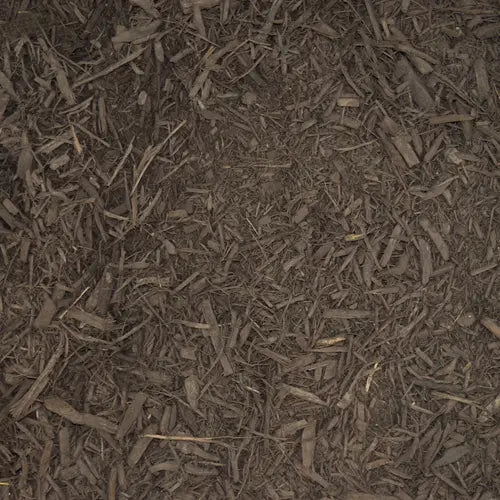
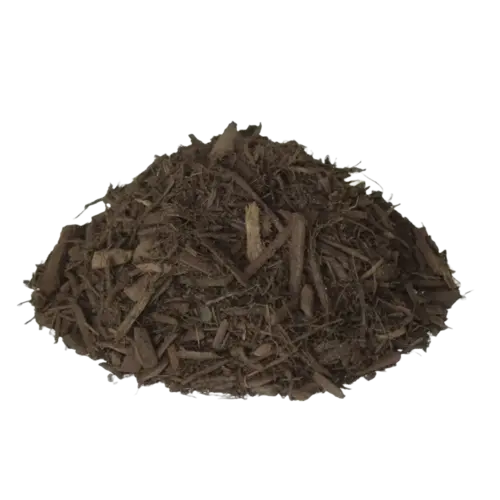
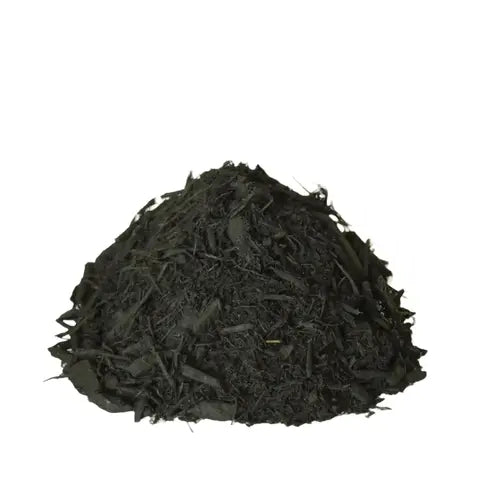
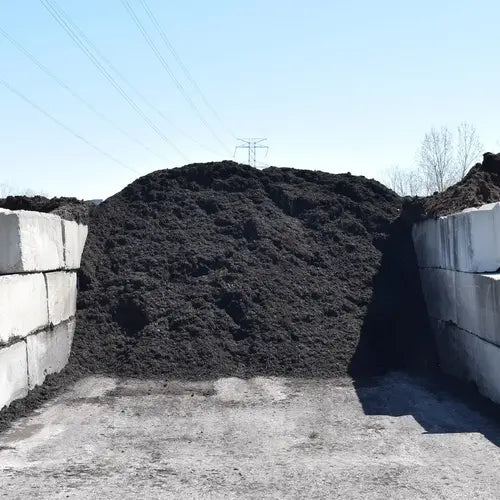
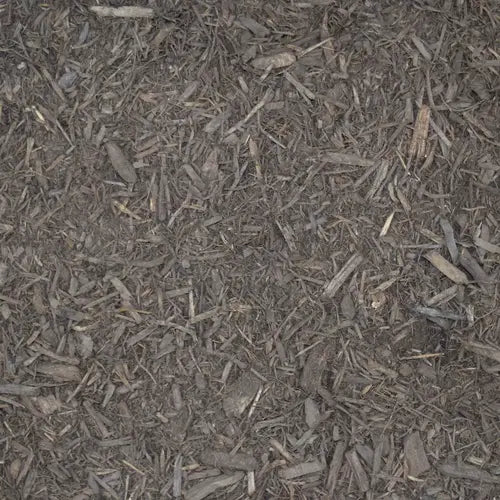
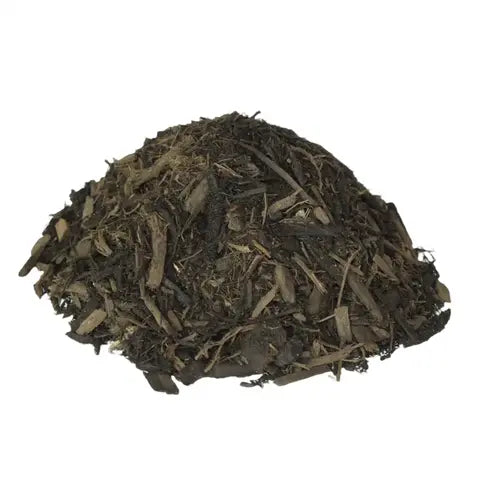
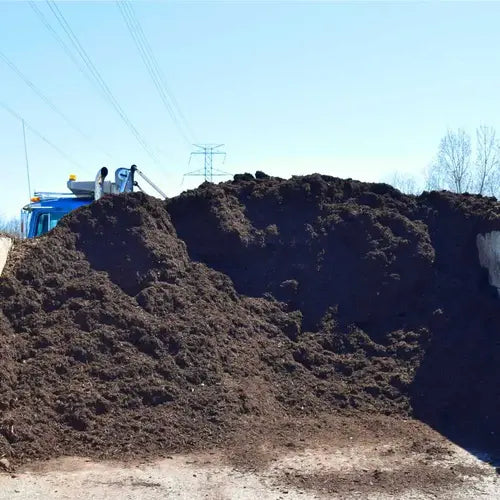
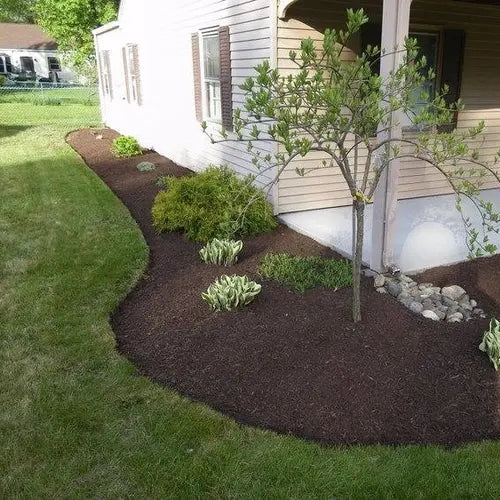
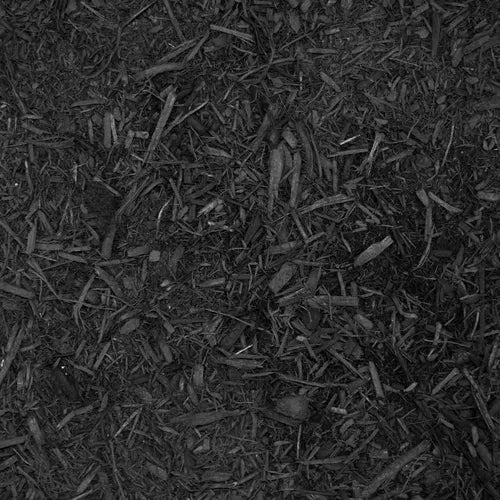
Warm brown double shredded mulch with lasting color that looks freshly applied for weeks. Spreads smooth, stays put, and gives beds a natural, polished appearance.
They offered a quick turnaround and delivered high quality mulch at a reasonable price. They also dropped it off exactly where I told them to put it. Good service!
Tell us what you're looking for
Thanks! We received your request.
Something went wrong. Please try again.
How Much Material Do I Need?
For most Florence plant beds, 3 inches of mulch is the right starting depth, providing adequate moisture retention and weed suppression without smothering roots. Sandy loam's fast drainage means going thinner than 2 inches will leave beds drying out quickly during the heat stretches that arrive well before Florence's first frost in November.
Use our free mulch calculator
What is a yard?
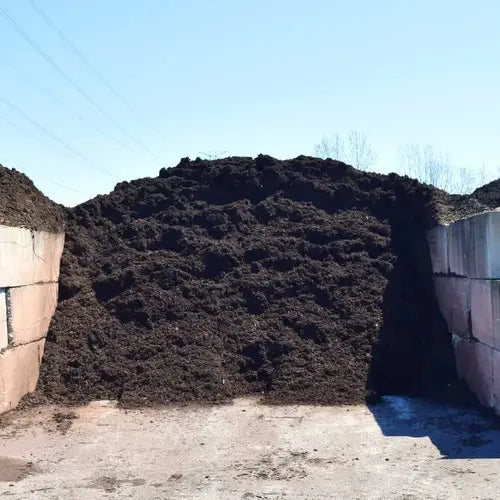
A yard is approximately 27 cubic feet. As a general guideline, one yard of material can cover an area of about 100-160 square feet at a 2-3 inch depth.
We can't take orders for this right now. Tell us what you need and we'll get back to you.
What do you need?
Thanks! We received your request.
Something went wrong. Please try again.
Hand-picked local yards
4,000+ regional deliveries
Dedicated support
Why order through Mulch Mound
The best local mulch, without the guesswork.
We hand-pick and partner with the best yards in your region, keep only the ones our buyers rate well, and back each load with our guarantee.
Mulch Mound Guarantee
If your mulch isn't the quantity or quality you ordered, we'll make it right.
About this mulch
Warm brown double shredded mulch with lasting color that looks freshly applied for weeks. Spreads smooth, stays put, and gives beds a natural, polished appearance.
They offered a quick turnaround and delivered high quality mulch at a reasonable price. They also dropped it off exactly where I told them to put it. Good service!
How Much Material Do I Need?
For most Florence plant beds, 3 inches of mulch is the right starting depth, providing adequate moisture retention and weed suppression without smothering roots. Sandy loam's fast drainage means going thinner than 2 inches will leave beds drying out quickly during the heat stretches that arrive well before Florence's first frost in November.
Use our free mulch calculator
What is a yard?
A yard is approximately 27 cubic feet. As a general guideline, one yard of material can cover an area of about 100-160 square feet at a 2-3 inch depth.
They offered a quick turnaround and delivered high quality mulch at a reasonable price. They also dropped it off exactly where I told them to put i...
Read full review
They offered a quick turnaround and delivered high quality mulch at a reasonable price. They also dropped it off exactly where I told them to put it. Good service!
Great experience! Easy to order, they delivered promptly and were very respectful of the property! Ordered the triple shredded brown mulch and it w...
Read full review
Great experience! Easy to order, they delivered promptly and were very respectful of the property! Ordered the triple shredded brown mulch and it was EXACTLY what I wanted. Very clean product too, no garbage or filler. Already put these guys in my calendar to order from next year! Keep up the good work.
Measure the length and width of each bed in feet and multiply to get square footage, then plan for 3 inches of depth to achieve meaningful coverage in Florence's warm climate. Divide total cubic feet by 27 to convert to cubic yards for ordering. Florence's sandy loam does not anchor mulch as firmly as heavier clay soils, so adding a little extra depth near slopes or bed edges is a worthwhile adjustment to your estimate.
Mulch vs. No Mulch: The Difference
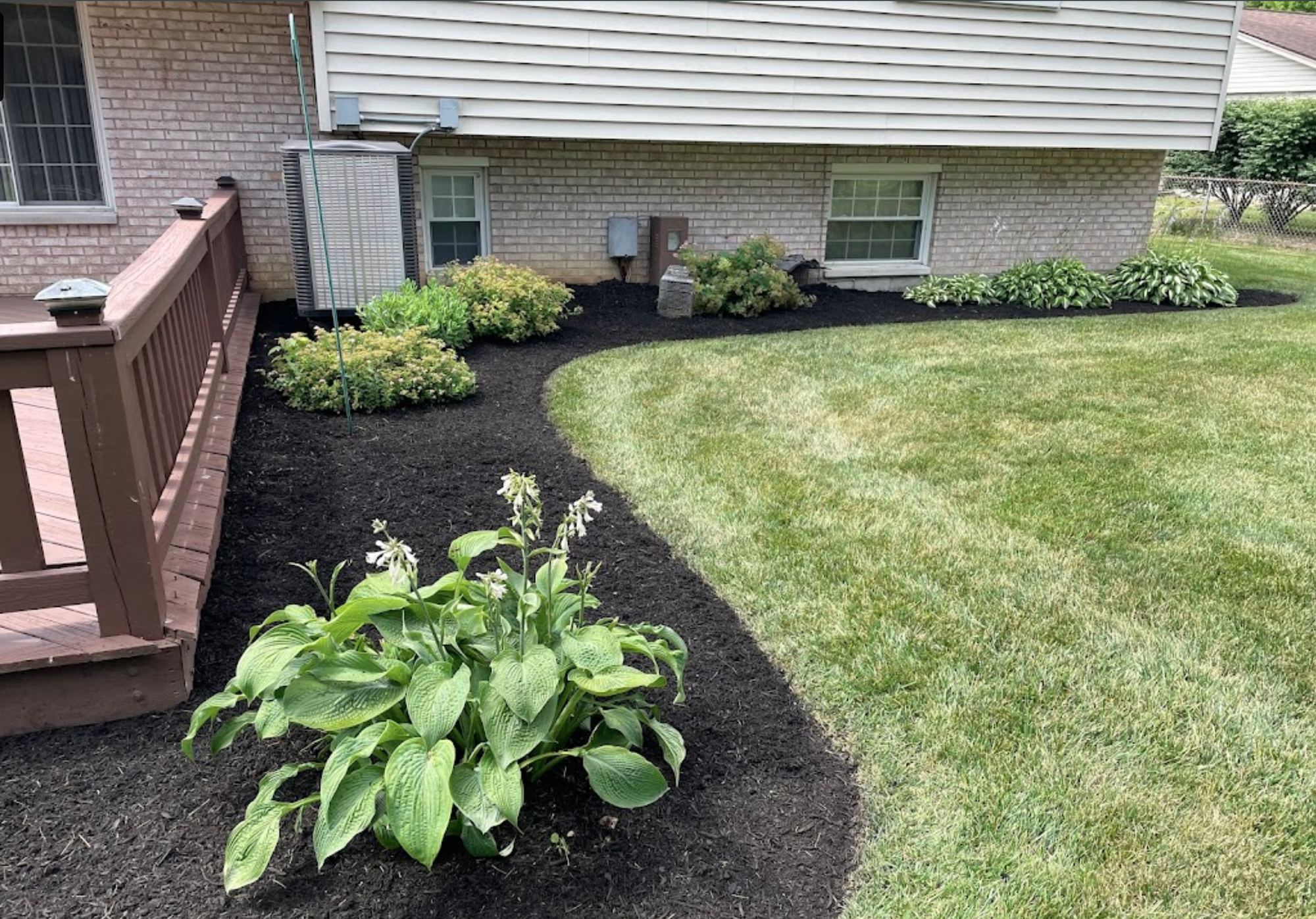
Florence's combination of long summers, high humidity, and nearly 4 feet of annual rainfall means organic mulch breaks down faster here than it would in cooler climates, making the choice between natural and dyed products more than a cosmetic decision. Natural hardwood mulch decomposes steadily and feeds the soil beneath, which is especially valuable for improving Florence's nutrient-light sandy loam over successive growing seasons. Dyed mulch uses colorfast pigments to maintain curb appeal longer, but in Florence's sun and rain, color retention is best achieved in shaded beds where UV intensity and water exposure are naturally reduced.
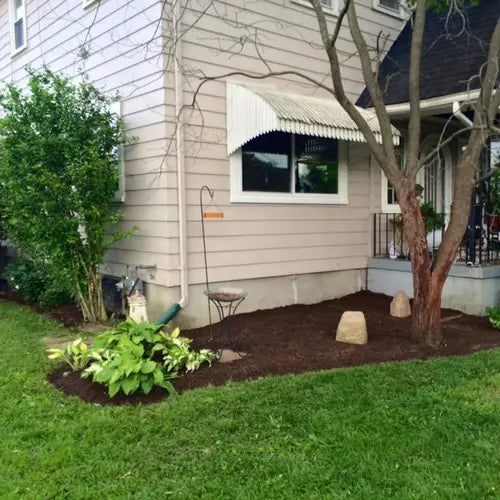
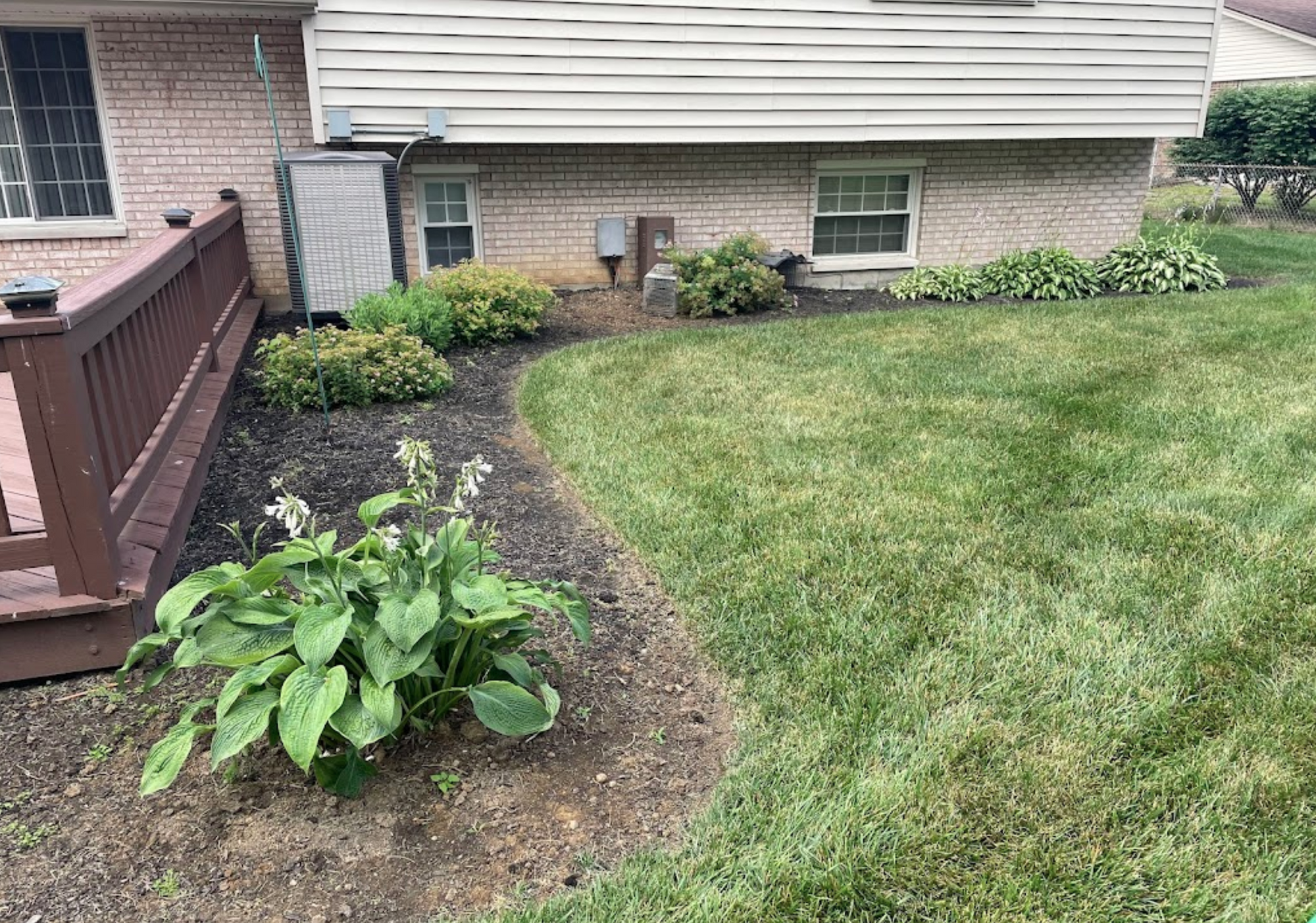
Before
After
Best Mulch Choice for Florence Lawns
Most yards in the Florence area sit on Sandy Loam type of soil. Florence's sandy loam drains water quickly and has a naturally low organic matter content, which means plant beds can struggle to retain moisture and nutrients through the long, demanding growing season.
Hardwood Mulch
Hardwood mulch decomposes gradually in Florence's warm, humid climate, and as it breaks down it adds organic matter and fine humus directly into the sandy loam below, slowly improving the soil's ability to hold both moisture and nutrients season after season.
Mulch Types We Deliver in Florence
Mulch Mound delivers bulk mulch by the cubic yard straight to your property, making it easy to cover beds, pathways, and large yards without multiple store runs. For homeowners and landscapers looking for bulk mulch delivery in Florence, we bring the material right to you in whatever quantity the job requires. Our double shredded varieties are well matched to the warm, humid climate and long growing seasons common in this part of South Carolina.
Dyed Black Mulch
Dyed black double shredded mulch makes a strong visual statement against the lighter sandy soils common around Florence. The deep color holds through summer heat and heavy rain, keeping beds looking crisp between applications. A good fit for homeowners who want bold contrast with bright flowering plants or ornamental grasses.
Dyed Brown Mulch
Warm brown double shredded mulch blends naturally with the brick and earth tones common in Florence area homes. The color stays rich for weeks even under direct sun, making beds look freshly done long after installation. It spreads smoothly and stays in place well, which matters during the wet spring and summer months.
Natural Brown Mulch
Natural brown double shredded mulch skips the dye entirely, offering an honest earthy tone that comes straight from the wood. It suits gardeners who prefer a more organic look around native plantings or vegetable beds. The smooth texture makes spreading easy, and the undyed material breaks down to feed the soil over time.
Complete Your Outdoor Mulch Project
If your beds need a nutrient and structure boost before mulching, consider pairing your order with a delivery of blended garden soil to improve Florence's sandy loam before planting. Decorative stone works as a great complement for border edges or high-traffic areas where mulch tends to scatter after foot traffic and heavy rain.
Florence's growing season runs about seven months, and sandy loam soil means plant roots are competing with weeds almost the entire time. Pull weeds thoroughly before spreading mulch in spring, because any weeds left rooted in the loose sandy soil will push right through a thin layer. Getting a clean start right after April 3 makes the rest of the season significantly easier to manage and keeps beds looking sharp all summer long.
Mulch Mound Pro Tip
Keep mulch pulled back a couple of inches from tree trunks and shrub stems in your Florence yard. The combination of Zone 8b humidity and organic mulch pressed against woody tissue creates ideal conditions for fungal problems and bark rot. A small ring of clear space around each plant costs nothing and protects your investment in established trees and shrubs through the long warm season.
Mulch Mound Pro Tip
Florence receives 46 inches of rain annually, and heavy summer thunderstorms can displace loose mulch from sloped beds or wash it toward drains and lawn areas. Hardwood mulch with its interlocking fiber structure stays in place far better than pine straw or fine wood chips on any grade. For beds with even a gentle slope, choose a denser hardwood product and apply it at the full 3-inch depth to resist movement during the intense downpours Florence sees each summer.
Frequently Asked Questions
Click a question to see the answer
Answer
How often should I remulch my beds given Florence's rainy and hot summers?
With Florence averaging 46 inches of rainfall per year and summer heat accelerating organic decomposition, most homeowners find that refreshing mulch once a year keeps beds looking good and functioning well. Applying a fresh layer in spring after the last frost window closes around April 3 is the most efficient timing, though a thin top-off in midsummer can help if your initial layer was on the light side.
Answer
Will mulch help protect my sandy soil from washing away during heavy rain?
Yes, mulch acts as a protective blanket over Florence's sandy loam, which has low cohesion and shifts easily when heavy rain strikes bare soil directly. A 3-inch layer absorbs the impact energy of rainfall and holds the soil surface in place while water moves through gradually, which is especially important near bed edges and any sloped areas in your yard.
Answer
What depth of mulch works best for surviving Florence's intense summer heat?
For Florence's Zone 8b summers, 3 inches of mulch in most beds is the right target depth. That coverage keeps soil temperatures noticeably cooler during July and August and retains enough moisture between rain events to reduce how often you need to water established plants through the hottest stretches of the season.
Answer
Does dyed mulch fade faster here because of all the sun and rain Florence gets?
Dyed mulch does face extra fading pressure in Florence because of both intense summer sun and the significant volume of rain the area receives each year. Natural hardwood mulch tends to age more gracefully into a neutral brown tone, while color-enhanced options hold their look best when applied in shaded or partially shaded beds where UV and water exposure are reduced.
Answer
Is it okay to apply mulch right after Florence's last frost date in early April?
Applying mulch right after the last frost window closes around April 3 is actually ideal timing for Florence gardens. The soil is warming up, spring weeds are just beginning to germinate, and getting a fresh layer down early prevents that first flush of warm-season weeds from establishing before your plants have a chance to fill in and shade the soil themselves.
Answer
How does mulch affect the sandy loam soil underneath my Florence beds over time?
Over time, organic mulch breaks down and integrates into Florence's sandy loam, gradually improving its organic matter content and water-holding capacity. Sandy loam naturally drains fast and holds fewer nutrients than heavier soils, so that steady decomposition adds real long-term value to your soil structure and can reduce the amount of fertilizer your plants need season after season.
Answer
Should I remove old mulch before adding a new layer in my Florence yard?
If your existing mulch layer is still intact and just thinned out, you can top-dress directly over it without full removal. If the old mulch has fully broken down into a dense matted layer that repels water, which can happen quickly in Florence's humidity, it is worth raking it loose or removing the heaviest buildup before adding fresh material so that rain and irrigation can still reach the soil below.
The Unique Landscape of Florence
Florence's sandy loam soil drains quickly, which means plant beds dry out faster than homeowners expect, especially during the hot summers that stretch across Zone 8b's long growing season. A proper layer of mulch slows that moisture loss dramatically, giving roots consistent hydration between rain events. With 46 inches of annual rainfall distributed unevenly throughout the year, mulch also acts as a buffer against soil erosion during heavy downpours that can wash exposed sandy loam away from bed edges. The growing season here runs nearly seven months between the last frost around April 3 and the first frost around November 11, meaning plant beds stay active and visible for most of the year and mulch appearance matters as much as its function. Keeping beds well covered also suppresses the aggressive warm-season weeds that thrive in Florence's humid summers and exploit any bare patch of sandy soil.