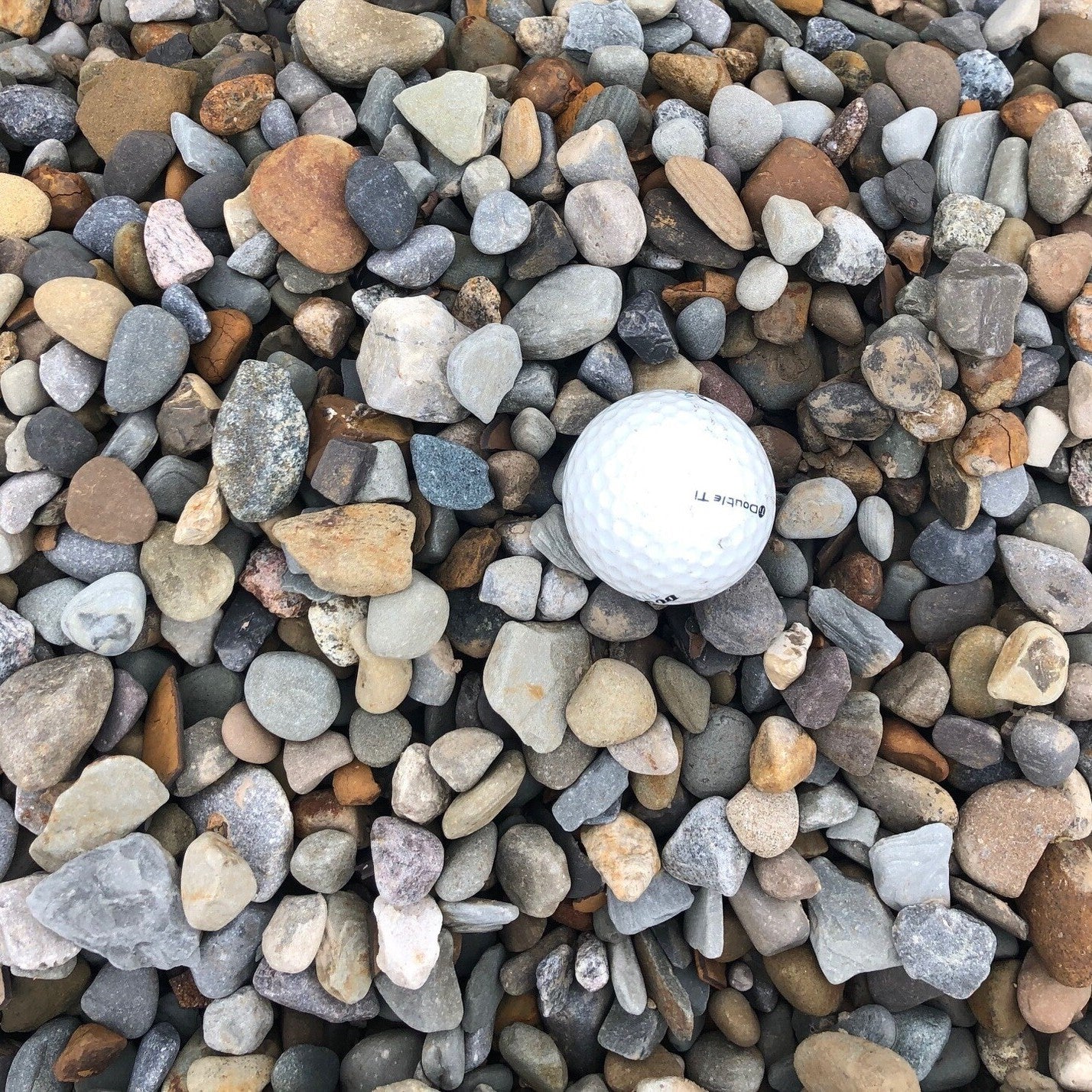
Number 57 crushed stone, angular limestone graded to about three quarters of an inch. The standard driveway, base and drainage gravel, it locks together under traffic and drains fast.
Mulch Mound delivered a yard of pea gravel to us. Delivery was on time, driver was friendly and hit a bullseye on the “tarp target”. We used the pea gravel (which was diameter as specified) to fill several muskrat holes around our pond. I would definitely recommend Mulch Mo...
Tell us what you're looking for
Thanks! We received your request.
Something went wrong. Please try again.
How Much Material Do I Need?
For most decorative applications in Florence, 2 inches of stone provides solid coverage and suppresses vegetation adequately through the long growing season. Drainage swales and erosion-prone areas in Florence's rainy landscape benefit from a full 3-inch depth to maintain function and stability after the heavy summer storms.
Use our free gravel calculator
What is a yard?
A yard is approximately 27 cubic feet. As a general guideline, one yard of material can cover an area of about 100-160 square feet at a 2-3 inch depth.
We can't take orders for this right now. Tell us what you need and we'll get back to you.
What do you need?
Thanks! We received your request.
Something went wrong. Please try again.
Hand-picked local yards
4,000+ regional deliveries
Dedicated support
Why order through Mulch Mound
The best local stone, without the guesswork.
We hand-pick and partner with the best yards in your region, keep only the ones our buyers rate well, and back each load with our guarantee.
Mulch Mound Guarantee
If your stone isn't the quantity or quality you ordered, we'll make it right.
About this stone
Number 57 crushed stone, angular limestone graded to about three quarters of an inch. The standard driveway, base and drainage gravel, it locks together under traffic and drains fast.
Mulch Mound delivered a yard of pea gravel to us. Delivery was on time, driver was friendly and hit a bullseye on the “tarp target”. We used the pea gravel (which was diameter as specified) to fill several muskrat holes around our pond. I would definitely recommend Mulch Mo...
How Much Material Do I Need?
For most decorative applications in Florence, 2 inches of stone provides solid coverage and suppresses vegetation adequately through the long growing season. Drainage swales and erosion-prone areas in Florence's rainy landscape benefit from a full 3-inch depth to maintain function and stability after the heavy summer storms.
Use our free gravel calculator
What is a yard?
A yard is approximately 27 cubic feet. As a general guideline, one yard of material can cover an area of about 100-160 square feet at a 2-3 inch depth.
Mulch Mound delivered a yard of pea gravel to us. Delivery was on time, driver was friendly and hit a bullseye on the “tarp target”. We used the ...
Read full review
Mulch Mound delivered a yard of pea gravel to us. Delivery was on time, driver was friendly and hit a bullseye on the “tarp target”. We used the pea gravel (which was diameter as specified) to fill several muskrat holes around our pond. I would definitely recommend Mulch Mound to a friend!
Measure the square footage of your stone coverage area and decide on your desired depth, typically 2 inches for decorative beds and 3 inches for pathways and drainage channels in Florence. Multiply square feet by depth in feet and divide by 27 to get cubic yards needed for your order. Add a 10 percent buffer when working on uneven ground, since Florence's sandy loam base often hides low spots that consume more material than a flat-surface estimate would suggest.
Stone Types We Deliver in Florence
Whether you are landscaping a classic brick-and-siding home or refreshing a garden bed, bulk stone delivery by the cubic yard in Florence makes it easy to get the material you need without multiple trips to a store. Florence's warm, humid climate and sandy loam soils pair well with decorative and functional stone that promotes drainage and holds up through wet seasons. If you have been searching for bulk gravel by the yard in Florence, we deliver straight to your driveway or project site.
Pea Gravel
Pea gravel is a go-to choice for Florence homeowners who want a clean, polished look on garden paths, patios, and around raised planting beds. Its smooth, rounded edges are comfortable underfoot and resist compaction, making it practical in the region's occasional heavy rains. The warm earth tones blend naturally with the area's pine-shaded yards and traditional landscaping styles.
Complete Your Outdoor Stone Project
Pair your stone delivery with a bulk soil order if you need to regrade low-lying areas before laying stone, which is common on Florence properties where water pools after heavy rain. Adding mulch to adjacent plant beds creates a clean visual contrast and keeps the organic growing areas distinct from your permanent stone features.
Florence summers bring real heat, and stone placed in full sun absorbs and radiates that warmth intensely through the afternoon. In areas near patios or outdoor seating spaces, choose lighter-colored stone varieties to keep surface temperatures more manageable on barefoot afternoons. If you are placing stone near plant beds, keep in mind that heat reflecting off stone surfaces can stress heat-sensitive perennials positioned right at the border edge during the peak of August.
Mulch Mound Pro Tip
One of the most overlooked uses of stone in Florence is defining the transition zone between lawn and garden beds. Sandy loam soil is easy to disturb, and without a stone border, bed edges blur quickly after heavy rains and routine mowing. A defined stone border holds the line between turf and mulched beds all season long and eliminates the regular re-edging that bare soil transitions demand through Florence's active and extended growing conditions.
Mulch Mound Pro Tip
Florence averages 46 inches of rain per year, and surface drainage is a real concern for many properties, particularly around downspouts, low-lying lawn areas, and driveways. A stone-lined dry creek bed or gravel drainage channel is one of the most functional and attractive solutions for directing that water away from structures and planted areas. Properly sized and installed stone channels handle even Florence's heaviest summer downpours without washing out the way bare soil or mulch-lined channels do.
The Unique Landscape of Florence
Stone is one of the most practical and low-maintenance materials available for Florence landscapes, where the combination of sandy loam soil, heavy summer rain, and a long growing season creates real challenges for organic materials and planted turf. Pathways and high-traffic areas surfaced with stone do not wash away during Florence's summer thunderstorms the way mulch or bare soil can. Decorative stone used in foundation borders and bed edges also eliminates the need for frequent remulching in areas where foot traffic scatters loose organic material throughout the year. Florence's humidity and warm temperatures mean that vegetation grows aggressively through most of the year, and stone groundcover in designated areas cuts maintenance time significantly compared to planted or mulched surfaces. Whether the project is a drainage channel, a garden path, or a low-maintenance bed feature, stone brings permanence and structure to a landscape that otherwise demands constant seasonal upkeep.
Frequently Asked Questions
Click a question to see the answer
Answer
What type of stone works best for a drainage channel in my Florence yard?
For drainage channels and swales in Florence yards, a washed angular gravel in the 1-inch range is the most effective choice because the irregular particle shapes interlock and resist displacement during heavy rain while still allowing water to flow through freely. Smooth river rock looks attractive but can shift during the intense summer downpours that Florence regularly experiences.
Answer
How much stone do I need to cover a garden pathway in my Florence yard?
For a standard 3-foot-wide garden path, plan for a 2 to 3 inch depth of stone, which works out to roughly half a cubic yard for every 10 linear feet of path. Florence's rain can work fine stone into soft sandy loam over time, so laying permeable landscape fabric underneath before spreading the stone extends the life of your pathway significantly.
Answer
Will decorative stone get too hot to walk on barefoot during Florence summers?
Darker stone varieties placed in direct sun can get quite warm during Florence's July and August afternoons when temperatures regularly push into the upper 90s. For areas where bare feet are common, lighter-colored stone or placement in partial shade from trees and structures makes a noticeable difference in surface temperature through the summer months. Pea gravel in a shaded corner or under a pergola stays comfortable all summer long.
Answer
Does stone help with erosion on sloped areas and bed edges in my Florence yard?
Stone is one of the most effective erosion control materials available for Florence landscapes. Sandy loam has low cohesion and is vulnerable to surface wash during heavy rain, and a layer of stone over erosion-prone slopes or drainage areas absorbs the energy of falling rain and keeps soil from moving. It significantly outperforms mulch on any grade steeper than a very gentle slope.
Answer
How does stone compare to mulch for low-maintenance bed areas in Florence's climate?
Stone requires almost no seasonal maintenance compared to organic mulch, which breaks down in Florence's heat and humidity and needs annual replacement to stay effective. Stone does not decompose, does not need refreshing after heavy rain, and does not attract the moisture-related issues that can affect wet organic mulch beds in Florence's warm environment. The tradeoff is that stone does not improve soil beneath it the way mulch does, so it is best suited to areas where plant growth is not the priority.
Answer
Can I use stone for a border along my home's foundation here in Florence?
Foundation borders are one of the best uses of stone in Florence. Keeping organic material away from your home's base reduces moisture retention against siding and discourages termites and other pests common in Florence's warm, humid environment. A clean stone border also helps direct rain runoff away from the foundation and keeps the area dry between storms, which protects your home's structure over the long term.
Answer
How do I keep weeds from growing up through stone areas in a Florence yard?
Landscape fabric installed beneath the stone layer is the most reliable weed barrier for Florence conditions. Even with fabric in place, some weed seeds will germinate on top of the stone where wind-deposited soil collects, especially through Florence's long warm growing season. A periodic application of an appropriate herbicide or hand-pulling during spring before weeds set seed keeps stone areas looking clean without requiring much effort.
Answer
Is crush and run the same as crusher run?
Many Florence homeowners ask about crush and run because it compacts into a firm base for driveways and walkways using crushed stone blended with stone dust. What we deliver locally is Crushed Stone #57, a clean stone that drains freely rather than locking together, which holds up well against Florence's heavy summer downpours in paths and drainage areas.