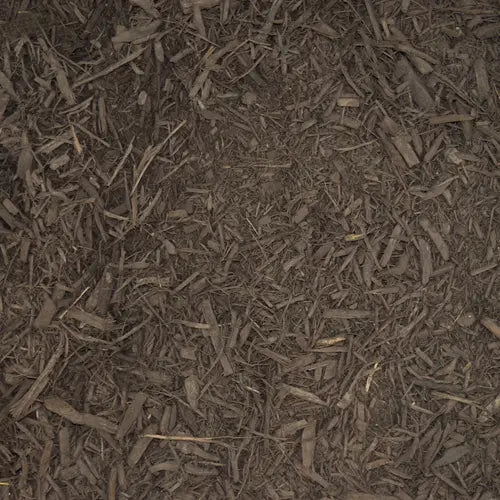
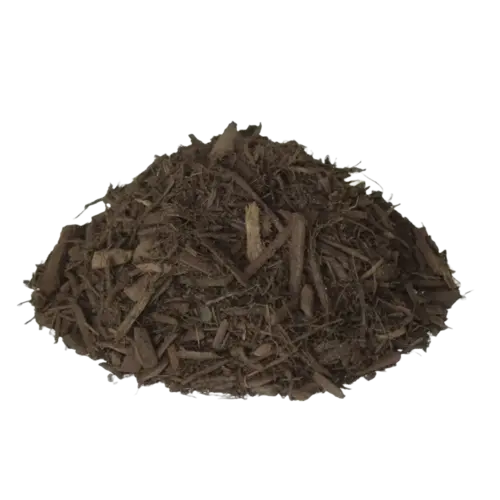
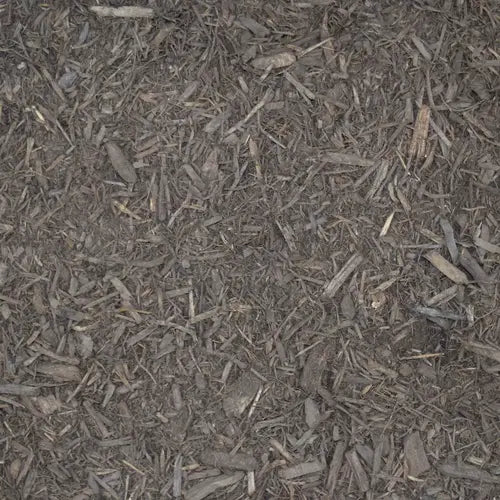
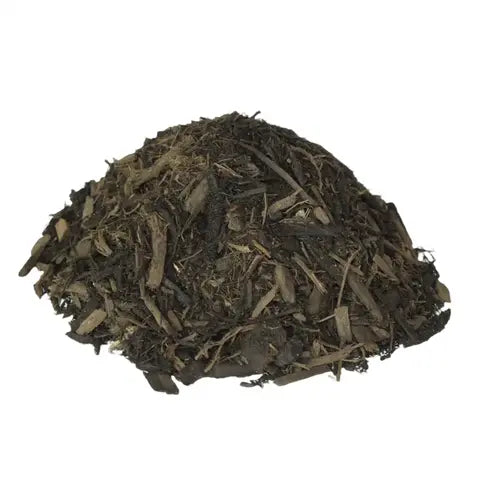
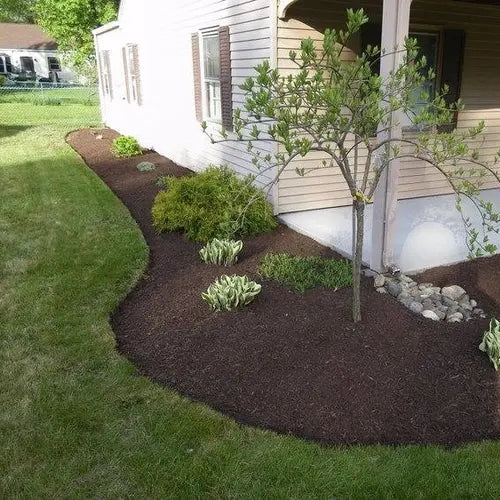
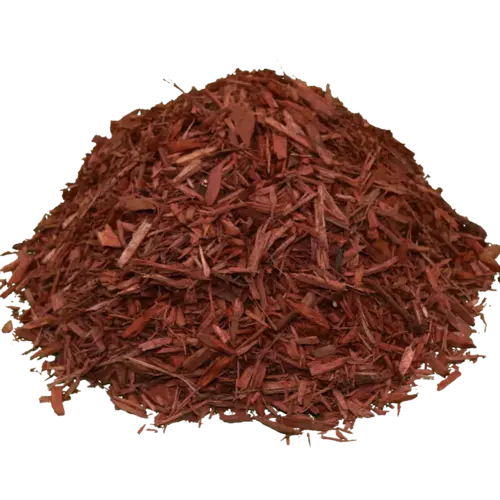
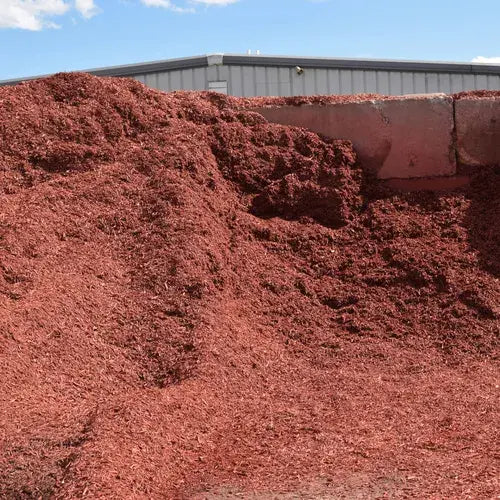
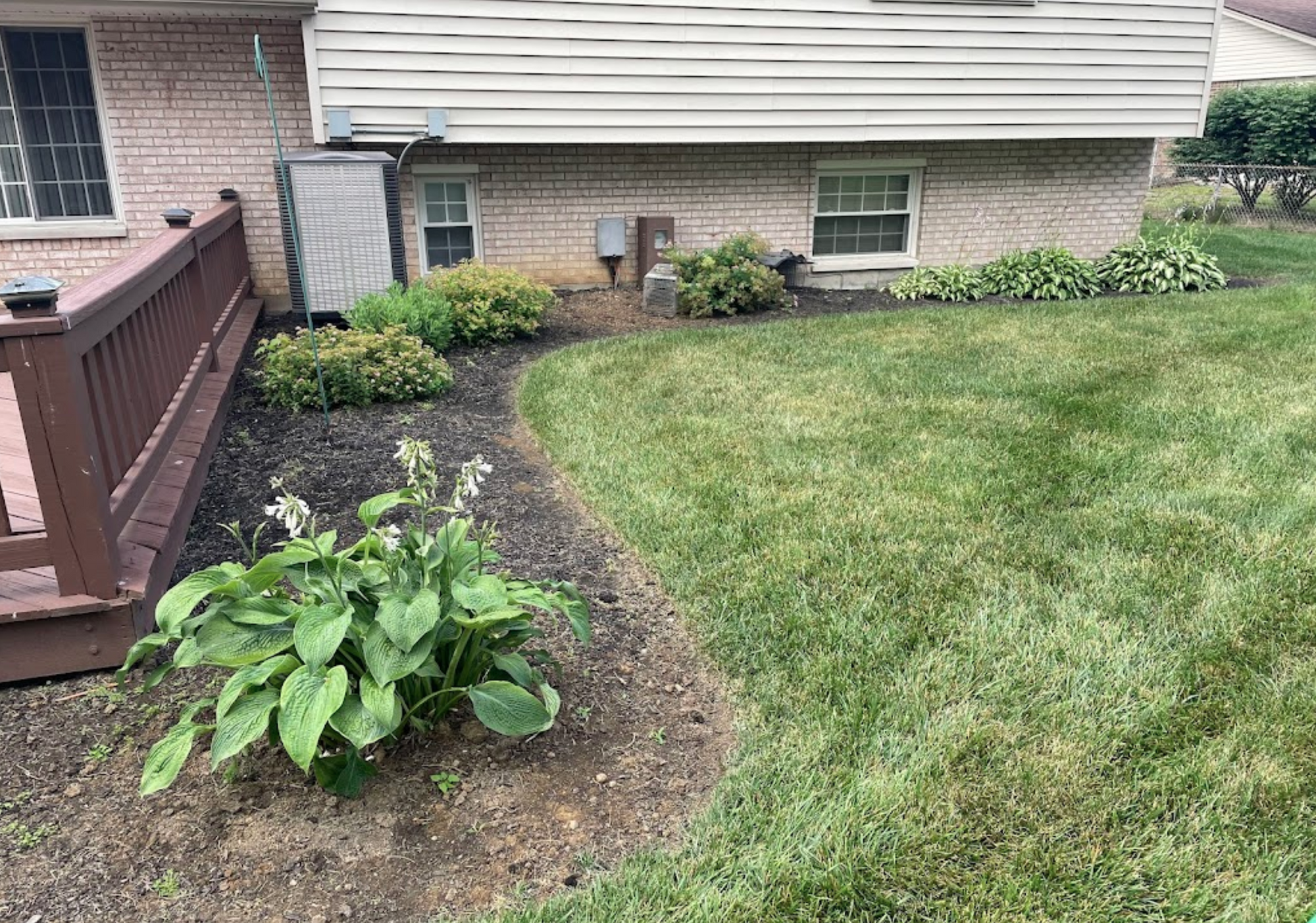
Warm brown double shredded mulch with lasting color that looks freshly applied for weeks. Spreads smooth, stays put, and gives beds a natural, polished appearance.
Good quality, great price, fast delivery. All online - no submitting forms and waiting for days for quotes. Getting mulch should be this easy from everyone. Only Mulch Mound is ACTUALLY this simple.
Tell us what you're looking for
Thanks! We received your request.
Something went wrong. Please try again.
How Much Material Do I Need?
For most Fond du Lac flower and shrub beds, two to three inches of mulch is the target depth, with three inches recommended for beds that face west or south and dry out faster during summer. Silt loam holds moisture better than sandy soils so you rarely need to exceed three inches to get full benefit.
Use our free mulch calculator
What is a yard?
A yard is approximately 27 cubic feet. As a general guideline, one yard of material can cover an area of about 100-160 square feet at a 2-3 inch depth.
We can't take orders for this right now. Tell us what you need and we'll get back to you.
What do you need?
Thanks! We received your request.
Something went wrong. Please try again.
Hand-picked local yards
4,000+ regional deliveries
Dedicated support
Why order through Mulch Mound
The best local mulch, without the guesswork.
We hand-pick and partner with the best yards in your region, keep only the ones our buyers rate well, and back each load with our guarantee.
Mulch Mound Guarantee
If your mulch isn't the quantity or quality you ordered, we'll make it right.
About this mulch
Warm brown double shredded mulch with lasting color that looks freshly applied for weeks. Spreads smooth, stays put, and gives beds a natural, polished appearance.
Good quality, great price, fast delivery. All online - no submitting forms and waiting for days for quotes. Getting mulch should be this easy from everyone. Only Mulch Mound is ACTUALLY this simple.
How Much Material Do I Need?
For most Fond du Lac flower and shrub beds, two to three inches of mulch is the target depth, with three inches recommended for beds that face west or south and dry out faster during summer. Silt loam holds moisture better than sandy soils so you rarely need to exceed three inches to get full benefit.
Use our free mulch calculator
What is a yard?
A yard is approximately 27 cubic feet. As a general guideline, one yard of material can cover an area of about 100-160 square feet at a 2-3 inch depth.
Good quality, great price, fast delivery. All online - no submitting forms and waiting for days for quotes. Getting mulch should be this easy fr...
Read full review
Good quality, great price, fast delivery. All online - no submitting forms and waiting for days for quotes. Getting mulch should be this easy from everyone. Only Mulch Mound is ACTUALLY this simple.
I highly recommend Mulch Mound. The quality of the mulch is very good. The ordering system on their website makes it very easy. The delivery driver...
Read full review
I highly recommend Mulch Mound. The quality of the mulch is very good. The ordering system on their website makes it very easy. The delivery driver did a great job placing the mulch on the driveway. To finish off, the pricing was very reasonable as well.
They offered a quick turnaround and delivered high quality mulch at a reasonable price. They also dropped it off exactly where I told them to put i...
Read full review
They offered a quick turnaround and delivered high quality mulch at a reasonable price. They also dropped it off exactly where I told them to put it. Good service!
Measure the length and width of each bed in feet and multiply to get the square footage, then use our calculator to find how many cubic yards you need at your target depth. Fond du Lac beds often have irregular shapes around established trees and shrubs, so breaking the area into smaller rectangles and adding them together gives a more accurate total. Rounding up by five to ten percent accounts for settling and the natural variation that comes with hand-spreading mulch.
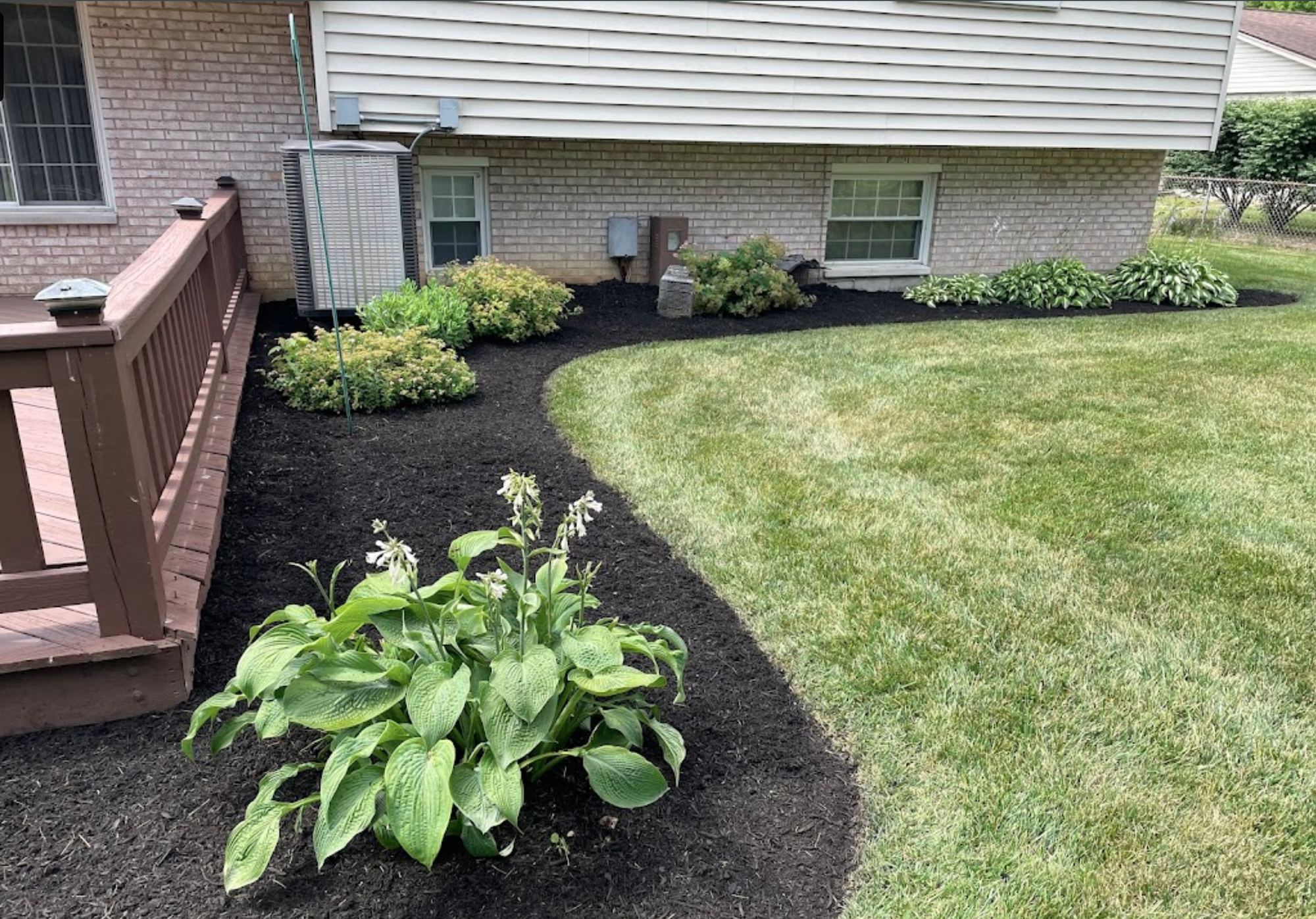
Mulch vs. No Mulch: The Difference
Fond du Lac's zone 5b climate puts both natural and dyed mulch through a demanding seasonal cycle, with hot and humid summers that accelerate breakdown and cold winters that test color retention. Natural hardwood mulch decomposes into the silt loam soil over one to two seasons, gradually improving its organic content and structure in ways that benefit long-term plant health. Dyed mulch breaks down at a similar rate but holds a consistent color longer, which is an advantage when curb appeal is the priority and you plan to refresh annually in spring.
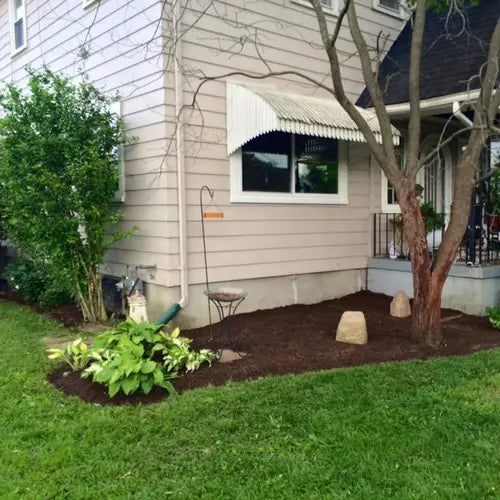
Before
After
Best Mulch Choice for Fond du Lac Lawns
Most yards in the Fond du Lac area sit on Silt Loam type of soil. Fond du Lac's silt loam soil compacts under rainfall and foot traffic, leaving plant beds with poor aeration and reduced water infiltration over time. Organic mulch on the surface slows that compaction process by cushioning raindrop impact and keeping the soil structure beneath more open and workable.
Hardwood Mulch
Hardwood mulch is especially well suited for silt loam beds because as it breaks down it adds coarse organic matter that improves drainage and reduces the soil's tendency to pack into a tight, water-shedding layer. Over several seasons of topping off with hardwood, Fond du Lac gardeners typically notice their beds draining more evenly and staying workable longer into wet spring months.
Mulch Types We Deliver in Fond du Lac
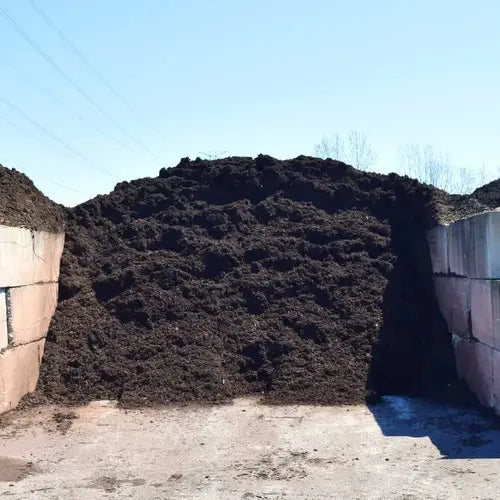
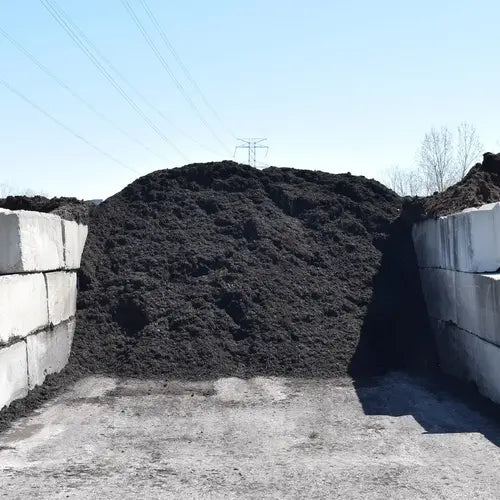
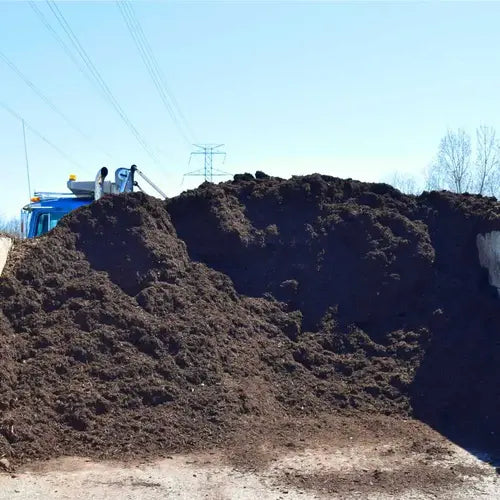
Mulch Mound delivers bulk mulch by the cubic yard to homes and properties across Fond du Lac, making it easy to cover raised beds, tree rings, and large sloped yards in a single drop. Ordering bulk mulch delivery near me by the yard is the most efficient way to get the volume a full landscape refresh demands.
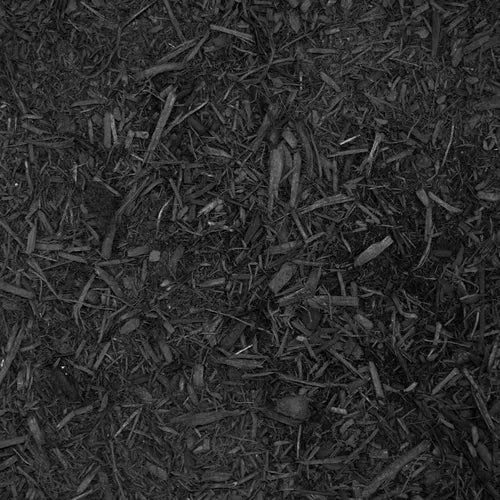
Dyed Black Mulch
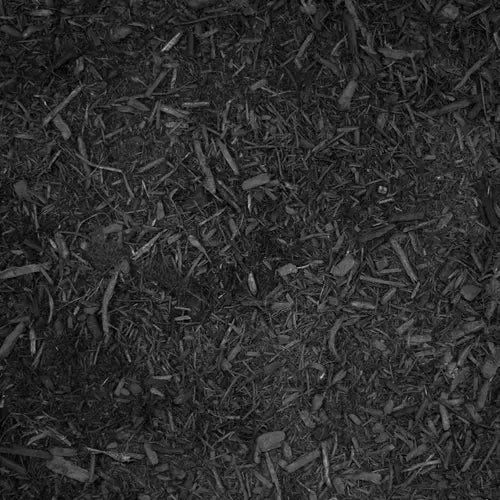
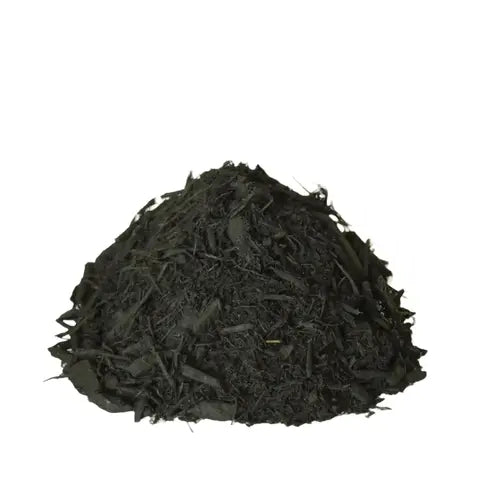
A top choice for homeowners who want a sharp, modern look in their beds. This double shredded mulch lays smooth over clay-heavy soil, and its bold color holds through Wisconsin's wet springs and hot summers, keeping landscape beds looking clean and well-kept all season long.
Dyed Brown Mulch
Warm brown double shredded mulch that complements the traditional home styles common throughout this part of Wisconsin. The color looks freshly applied for weeks through heavy spring rains, and the smooth texture spreads easily over large beds and gently sloped yards without washing out of place.
Natural Brown Mulch
An undyed double shredded mulch with a warm, earthy wood tone that pairs naturally with the mixed hardwood plantings and mature shade trees typical of Wisconsin yards. It breaks down steadily, adding organic matter to the clay soils common in this area over time.
Cedar Mulch
Double shredded cedar mulch with natural insect-repelling properties, a practical option for foundation plantings and vegetable beds during Wisconsin's warm, humid summers. The light cedar color brightens shaded spots under trees, and the scent stays noticeable for several weeks after delivery.
Complete Your Outdoor Mulch Project
Pairing mulch with a quality topsoil blend in new or renovated beds gives Fond du Lac's compaction-prone silt loam a nutrient boost before you lay the surface layer. Decorative stone works well alongside mulch for edging pathways, defining bed transitions, or covering areas near downspouts where mulch tends to wash away during heavy summer storms.
Fond du Lac's silt loam soil develops a surface crust quickly after heavy rain, which can prevent new transplants from establishing good root contact. Before spreading mulch in a new bed, work the top two inches of soil with a rake to break that crust and allow organic matter from decomposing mulch to work its way in more easily over the season. This small step makes a noticeable difference in how well perennials root through their first summer.
Mulch Mound Pro Tip
With a first frost typically arriving around October 19 in Fond du Lac, timing your fall mulch refresh matters. Apply a fresh layer in mid to late October after perennial tops have died back but before the ground freezes hard. This sequence lets the soil cool naturally first, which helps bulbs and perennials complete their dormancy properly, then the mulch holds that cold temperature steady through the repeated freeze-thaw cycles of winter.
Mulch Mound Pro Tip
Fond du Lac receives about 30 inches of rain per year, but that moisture arrives unevenly, with heavy downpours common in June and July that can dump a significant amount in a single event. Mulch acts as a buffer during those intense storms, slowing water as it hits the surface and giving silt loam soil time to absorb it rather than letting it run off and carry fine soil particles with it. Without that surface buffer, a single hard summer storm can erode weeks of careful bed preparation.
Frequently Asked Questions
Click a question to see the answer
Answer
When is the best time of year to put down mulch in Fond du Lac?
The ideal window is late April through mid-May, after the last frost around April 15 but before summer heat sets in. Applying mulch too early in spring can trap cold soil and slow warming, which matters in zone 5b where the ground takes extra time to recover from winter. A mid-spring application lets soil reach a workable temperature before you lock in moisture and begin protecting plant roots.
Answer
How deep should I apply mulch given our local rainfall?
Two to three inches is the right range for most beds in Fond du Lac. The region receives about 30 inches of rain per year, which is enough to keep beds reasonably moist, but silt loam soil loses surface moisture quickly during dry July and August stretches. Three inches gives you a meaningful moisture buffer without creating the waterlogged conditions that can rot plant crowns during wet springs.
Answer
Will mulch actually help protect my plants through a Fond du Lac winter?
Yes, and it matters more here than in milder climates. Zone 5b means temperatures can swing from above freezing to well below zero multiple times between October and March. Those freeze-thaw cycles push soil up and down, which can expose roots or stress them at the crown. A three-inch mulch layer slows those temperature swings and keeps root zones more stable through the long winter months.
Answer
Does colored or dyed mulch hold up through Wisconsin winters and summers?
Dyed mulch holds color reasonably well through one winter but tends to fade noticeably by the second season, especially after a full Wisconsin summer of UV exposure followed by snow cover. If color consistency matters to you, plan to refresh dyed mulch annually in spring. Natural hardwood mulch grays and breaks down more predictably and contributes organic matter back into your silt loam beds as it decomposes.
Answer
How often do I need to top off my mulch around Fond du Lac?
Most Fond du Lac homeowners find that refreshing mulch every one to two years keeps beds looking sharp and functioning well. The warm and humid summers here speed decomposition compared to drier climates, so hardwood mulch in particular breaks down into the silt loam below fairly quickly. Check your depth in early May each year and add an inch if the layer has thinned below two inches.
Answer
I have heard mulch can attract pests. Is that a concern in Fond du Lac?
Mulch does create habitat for some insects, but keeping it pulled back two inches from plant stems and foundation walls reduces that risk significantly. In Fond du Lac, the more relevant concern in mulched beds is voles, which are active all winter under snow cover and use thick mulch as protective tunneling corridors near woody stems. Avoid piling mulch against tree trunks or shrub bases and you greatly reduce the habitat those animals look for.
Answer
Should I pull out the old mulch before adding a fresh layer?
Generally no, as long as the existing layer has not matted into a dense crust that blocks water penetration. Old mulch that is actively breaking down is enriching your silt loam soil with organic matter, which is exactly what that soil type benefits from over time. If you notice a hydrophobic mat forming at the surface, rake it loose before adding fresh material so Fond du Lac's summer rainfall can still reach plant roots.
The Unique Landscape of Fond du Lac
Fond du Lac's silt loam soil holds moisture well but compacts easily under the region's 30 inches of annual rainfall, making mulch a critical layer between your plant beds and the weather. Zone 5b winters bring repeated freeze-thaw cycles between October and April that can heave shallow roots and crack unprotected soil surfaces. A consistent mulch layer insulates root zones through those temperature swings and prevents spring soil temperatures from crashing back below 40 degrees after warm spells. With a last frost around April 15, mulch also helps beds warm more gradually so perennials and annuals can establish before the growing season fully opens. Without regular mulching, Fond du Lac's silty beds tend to form a hard surface crust after summer rains, which sheds water rather than absorbing it.