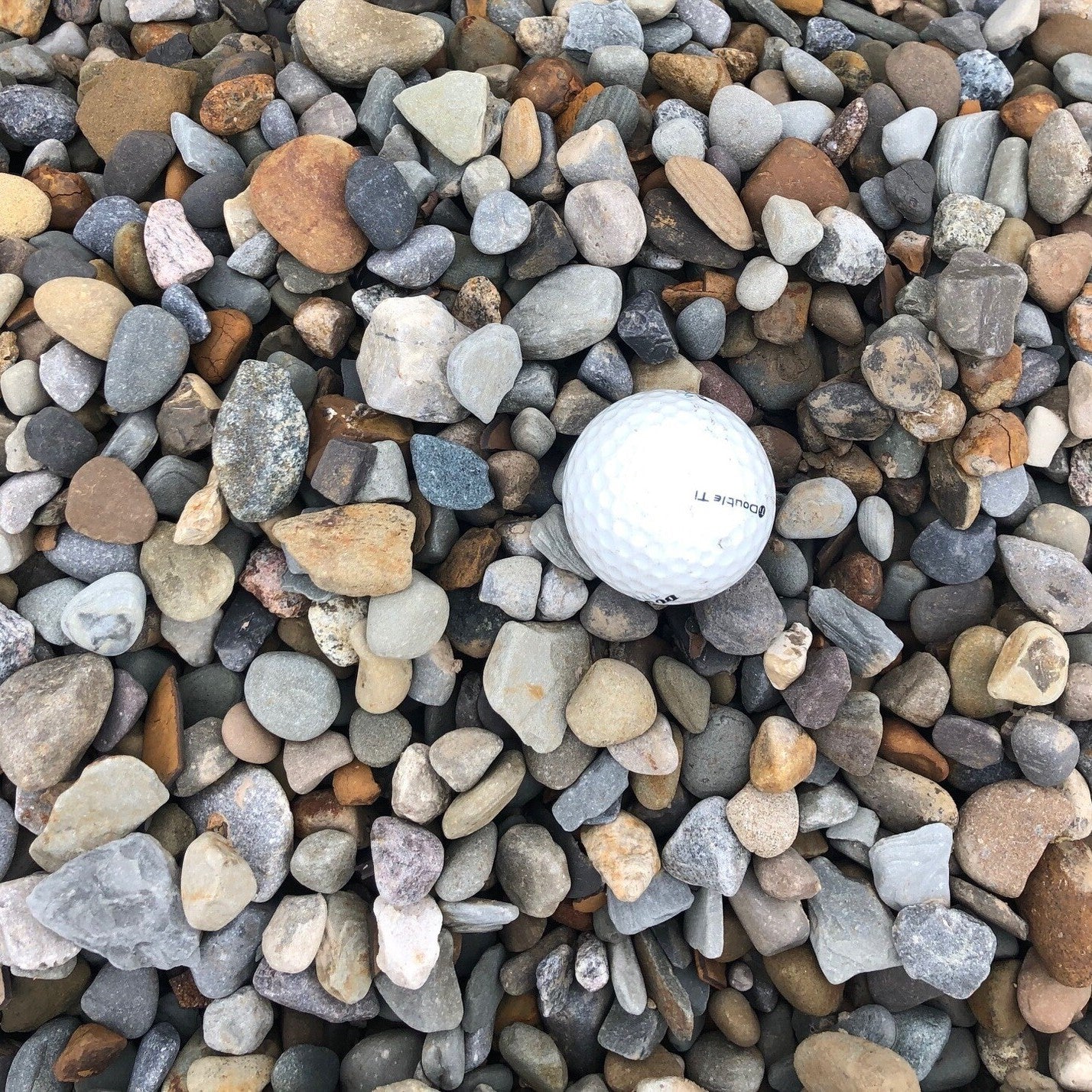
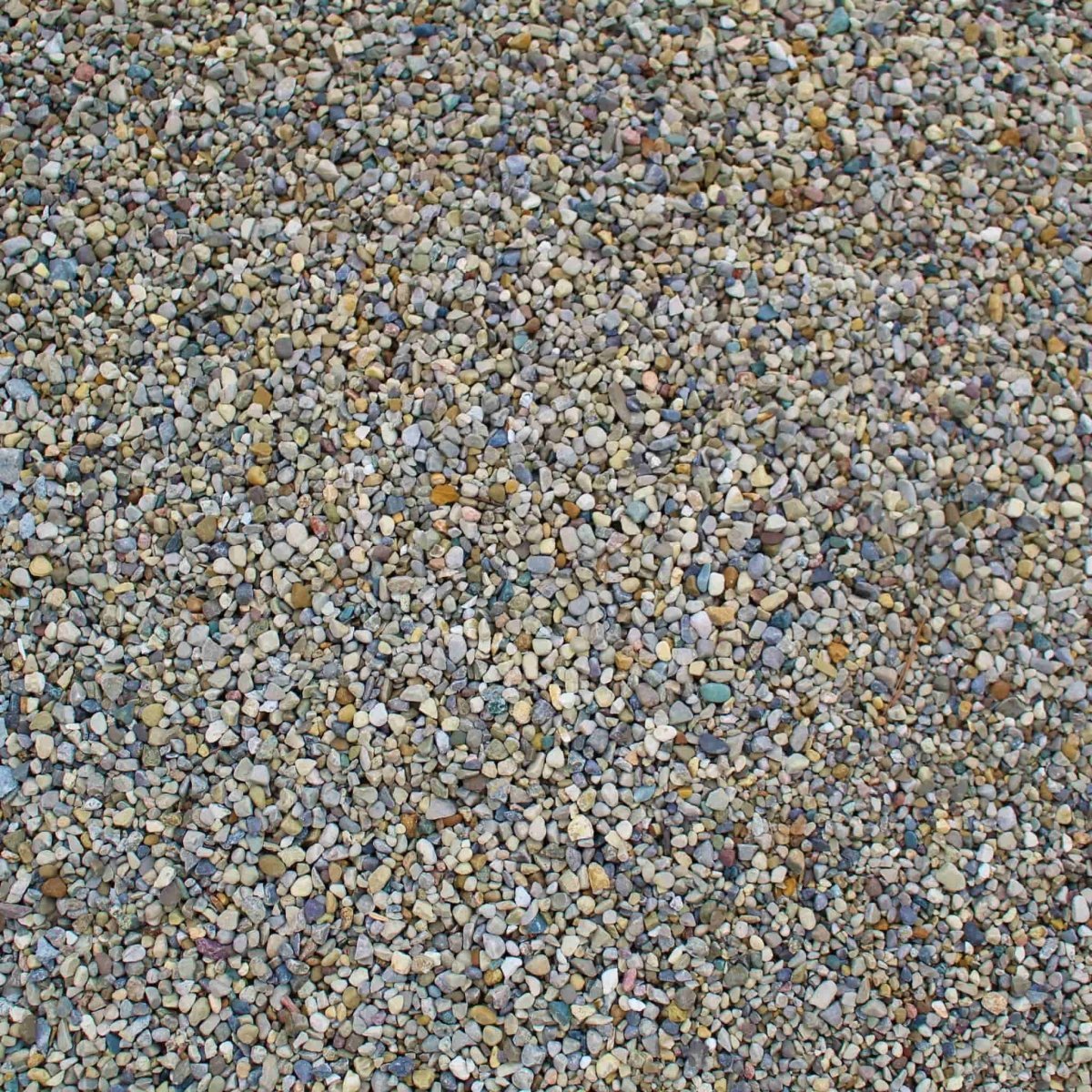
Number 57 crushed stone, angular limestone graded to about three quarters of an inch. The standard driveway, base and drainage gravel, it locks together under traffic and drains fast.
My experience with Mulch Mound was great and super easy. I ordered two yards of screened topsoil and was able to get it delivered within 2 days. They came in my requested time frame (afternoon) and dropped it off where I asked on my driveway. The topsoil was exactly what was a...
Tell us what you're looking for
Thanks! We received your request.
Something went wrong. Please try again.
How Much Material Do I Need?
For most decorative and pathway applications in Fond du Lac, plan on two to four inches of stone depending on the use and traffic level. High-traffic paths and areas near downspouts that receive concentrated water flow benefit from the deeper end of that range to stay stable through the region's repeated winter freeze-thaw cycles.
Use our free gravel calculator
What is a yard?
A yard is approximately 27 cubic feet. As a general guideline, one yard of material can cover an area of about 100-160 square feet at a 2-3 inch depth.
We can't take orders for this right now. Tell us what you need and we'll get back to you.
What do you need?
Thanks! We received your request.
Something went wrong. Please try again.
Hand-picked local yards
4,000+ regional deliveries
Dedicated support
Why order through Mulch Mound
The best local stone, without the guesswork.
We hand-pick and partner with the best yards in your region, keep only the ones our buyers rate well, and back each load with our guarantee.
Mulch Mound Guarantee
If your stone isn't the quantity or quality you ordered, we'll make it right.
About this stone
Number 57 crushed stone, angular limestone graded to about three quarters of an inch. The standard driveway, base and drainage gravel, it locks together under traffic and drains fast.
My experience with Mulch Mound was great and super easy. I ordered two yards of screened topsoil and was able to get it delivered within 2 days. They came in my requested time frame (afternoon) and dropped it off where I asked on my driveway. The topsoil was exactly what was a...
How Much Material Do I Need?
For most decorative and pathway applications in Fond du Lac, plan on two to four inches of stone depending on the use and traffic level. High-traffic paths and areas near downspouts that receive concentrated water flow benefit from the deeper end of that range to stay stable through the region's repeated winter freeze-thaw cycles.
Use our free gravel calculator
What is a yard?
A yard is approximately 27 cubic feet. As a general guideline, one yard of material can cover an area of about 100-160 square feet at a 2-3 inch depth.
My experience with Mulch Mound was great and super easy. I ordered two yards of screened topsoil and was able to get it delivered within 2 days. Th...
Read full review
My experience with Mulch Mound was great and super easy. I ordered two yards of screened topsoil and was able to get it delivered within 2 days. They came in my requested time frame (afternoon) and dropped it off where I asked on my driveway. The topsoil was exactly what was advertised, clean with no rocks or other debris. The price was reasonable. I plan to use them again in a couple weeks to order compost for my garden beds.
Measure your pathway or bed area in feet, multiply length by width, and enter those numbers into our calculator along with your desired depth to get a cubic yard total. Stone settles and compacts differently than mulch, so your starting depth will reduce somewhat over the first season, especially in pathways that receive regular foot traffic. Adding an extra five percent to your order accounts for that initial settling and any losses at the edges of the project area.
Stone Types We Deliver in Fond du Lac
Mulch Mound makes it easy to order bulk gravel by the yard in Fond du Lac, bringing quality stone straight to your driveway or job site without a trip to the landscape supply yard. Whether you are improving drainage around a Wisconsin home or finishing a backyard patio, we load and deliver by the cubic yard so you get exactly what your project needs. Our stone is sourced for durability in the freeze-thaw cycles common to this part of the state.
Pea Gravel
Smooth and rounded with warm earth tones, pea gravel is a popular choice for Fond du Lac homeowners looking to dress up pathways, patios, and garden beds. Its compact size allows for easy raking and natural drainage, making it well suited to the heavier clay soils common across this region of Wisconsin.
Complete Your Outdoor Stone Project
Pairing stone pathways and drainage areas with mulched planting beds creates a low-maintenance landscape that handles Fond du Lac's seasonal swings without constant upkeep. Adding topsoil to properly grade the area around stone features before installation ensures water drains away cleanly rather than pooling at the edges during spring thaw or after summer storms.
Before laying any stone in Fond du Lac, take time to grade the underlying soil so water moves away from structures and does not collect at low points. Silt loam compacts into a firm base over time but still shifts during the deep freeze-thaw cycles of zone 5b winters. Installing a two-inch layer of compacted crushed limestone base beneath decorative stone adds meaningful stability and prevents the surface material from sinking unevenly after the first few winters.
Mulch Mound Pro Tip
Landscape fabric under stone beds is worth the extra step in Fond du Lac because fine-textured silt loam will migrate upward into stone over time if there is no barrier between them. Use a woven geotextile fabric rather than solid plastic sheeting so water still drains through and does not pool beneath the stone during spring snowmelt. Overlap fabric edges by at least six inches at all seams to eliminate gaps where silt can push through and begin mixing with your stone.
Mulch Mound Pro Tip
Fond du Lac receives about 30 inches of rain annually, with the heaviest events concentrated in late spring and early summer when storms can deliver significant volume in a short window. Stone placed along natural drainage paths and at downspout outlets handles those high-flow events without washing away the way organic materials can. Matching stone size to the expected flow rate is important, so use larger two to three inch stone directly at downspout outlets and reserve smaller decorative gravel for areas where water moves more slowly across the surface.
The Unique Landscape of Fond du Lac
Stone is one of the most practical landscaping materials in Fond du Lac because it handles the region's freeze-thaw cycles without shifting the way organic materials do. With temperatures swinging repeatedly between above and below freezing from late October through April, compacted gravel pathways hold their shape far better than bare silt loam or mulched walkways that heave and erode with every thaw. Fond du Lac's native soil is also prone to erosion along slopes and near downspouts, where 30 inches of annual rainfall concentrated into summer storms can move significant amounts of fine silt. Stone placed in those vulnerable areas stops erosion at the source without requiring ongoing seasonal maintenance. Decorative stone also fills a practical gap for low-traffic landscape areas where mowing is difficult and mulch would need to be refreshed every season to remain effective.
Frequently Asked Questions
Click a question to see the answer
Answer
What size stone works best for a walking path in Fond du Lac?
Pea gravel and three-eighths inch crushed limestone are both popular for walking paths here because they compact well and stay relatively stable through zone 5b freeze-thaw cycles. Larger decorative stone tends to shift underfoot and spread outside path edges more easily, especially on the slight slopes common in many Fond du Lac yards. A compacted base of three to four inches gives paths the depth they need to hold their shape through winter without heaving.
Answer
Will stone pathways stay level through Fond du Lac winters?
Compacted crushed stone handles freeze-thaw cycles better than most other path materials in zone 5b. The key is a proper installation depth of three to four inches so the base does not shift when the ground freezes and thaws repeatedly between October and April. Poured surfaces and stepping stones set in native silt loam tend to heave far more than well-laid compacted gravel, which is one reason stone pathways are a practical long-term investment in this climate.
Answer
How do I use stone to manage drainage near my foundation or downspouts?
A four to six inch layer of washed river rock or larger drainage stone placed at the base of downspouts and along foundation walls absorbs water impact and slows runoff without washing away the way mulch can during a heavy storm. Fond du Lac gets intense rain events in June and July that dump significant water at single points, and stone at those locations is durable enough to handle that impact year after year without needing replacement. Grading the stone bed slightly away from the foundation helps direct water further from the house.
Answer
Is decorative stone really lower maintenance than mulch in this climate?
Yes, stone requires significantly less ongoing maintenance than mulch in Fond du Lac. Mulch breaks down and needs refreshing every one to two years, while stone lasts indefinitely with only occasional raking to redistribute material moved by foot traffic or heavy rain. The primary upkeep task with stone beds is removing leaves and organic debris each fall before they decompose into the material, which typically takes an hour with a leaf blower and keeps beds looking clean through winter.
Answer
What stone works best for erosion control on a slope in my Fond du Lac yard?
Large river rock or rip rap in the three inch and larger range works best for slope stabilization because it is heavy enough to stay in place during intense rain events. Fond du Lac's silt loam is particularly vulnerable to erosion on slopes because fine silt particles are easily mobilized by flowing water. Laying landscape fabric underneath the stone and overlapping it generously at the seams keeps silt from washing out from under the layer and causing the stone to settle unevenly over time.
Answer
Can I use stone around my trees instead of mulch?
Stone can be used around trees but comes with real tradeoffs compared to mulch in Fond du Lac's climate. Unlike mulch, stone does not contribute organic matter to the silt loam soil as it breaks down, and it can radiate heat back onto bark during summer. If you choose stone around trees, keep it pulled well back from the trunk with a clear gap at the base, and consider adding a thin compost layer inside the stone ring each spring to compensate for the loss of organic input that mulch would otherwise provide.
Answer
How much stone do I need to cover a bed or pathway?
For decorative beds, a two to three inch layer is standard and provides enough coverage to suppress weeds and fully cover landscape fabric. For pathways and high-traffic areas, three to four inches gives you the stability needed to hold up through Fond du Lac winters. Use our calculator with your area dimensions and target depth to get a cubic yard estimate, and add five to ten percent for settling and edge coverage.