







Easy to order, arrived when it was to arrive. Mulch was beautiful! Couldn’t be easier!
About this mulch
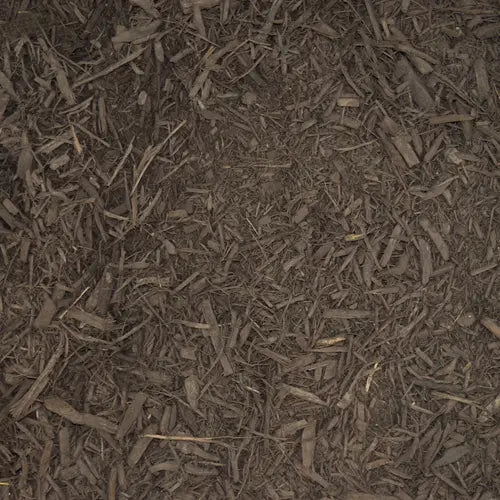
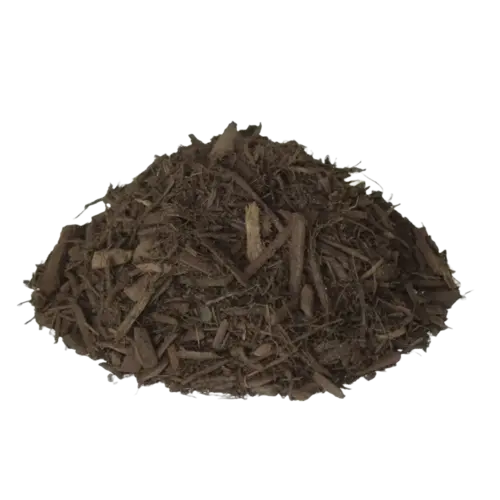
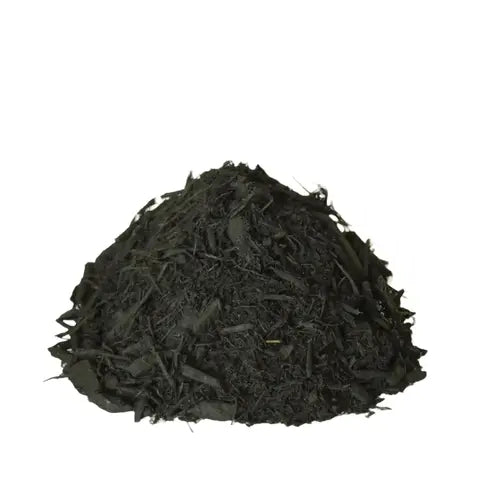
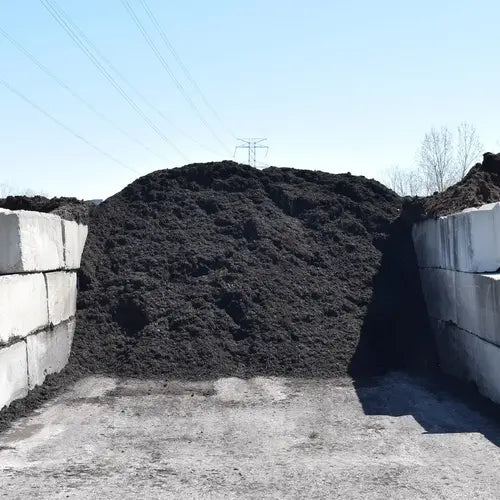
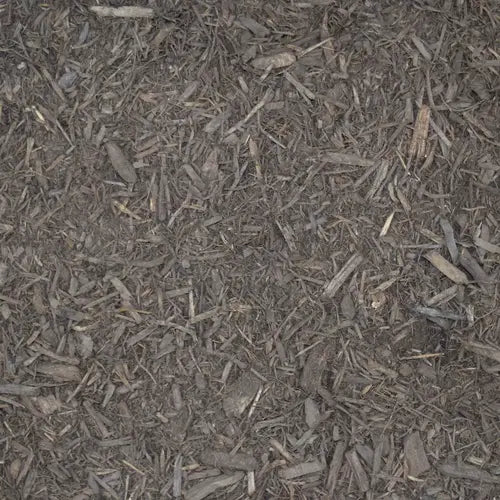
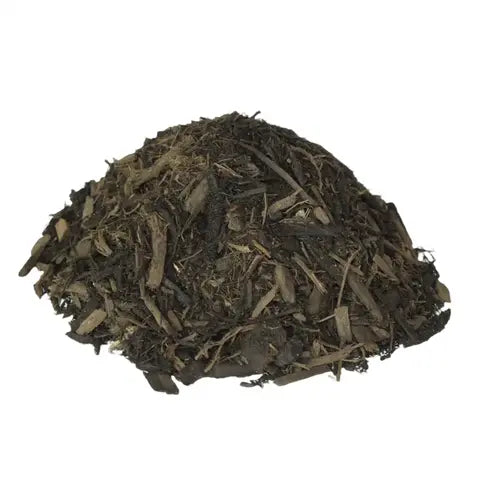
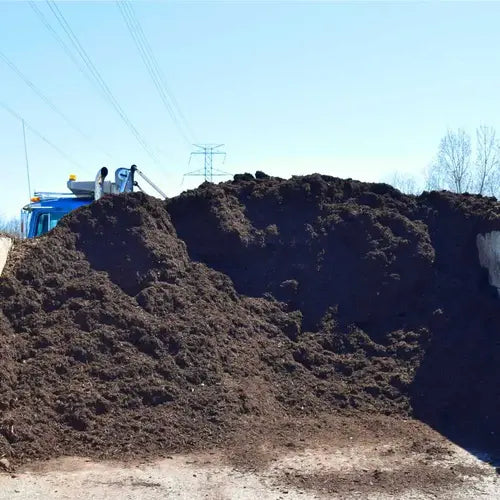
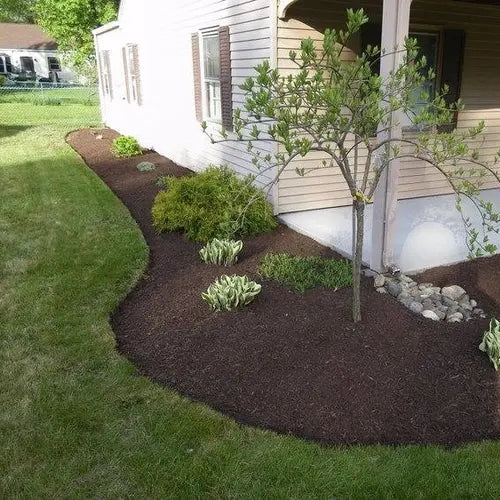
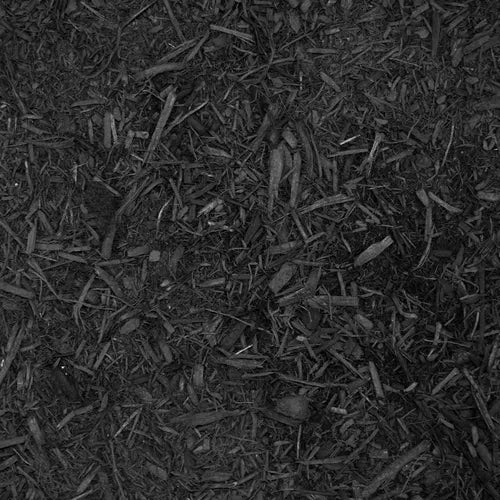
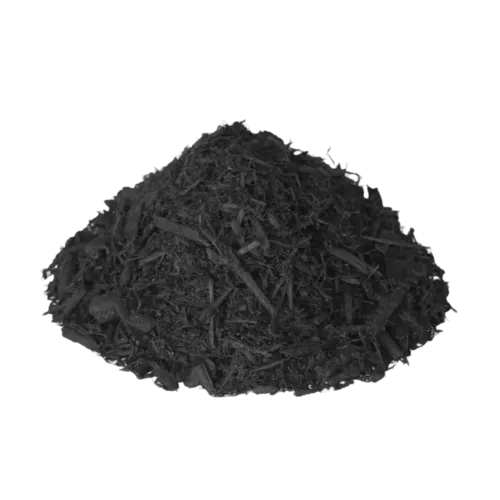
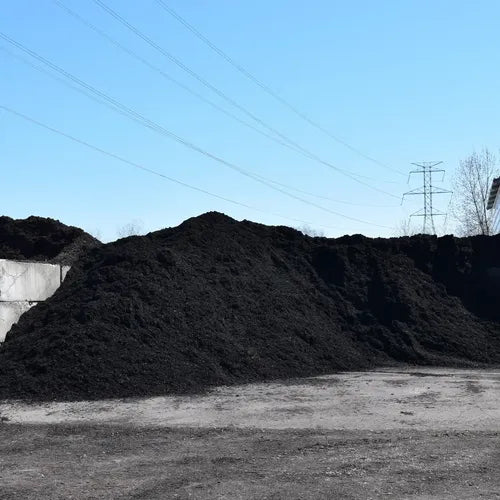
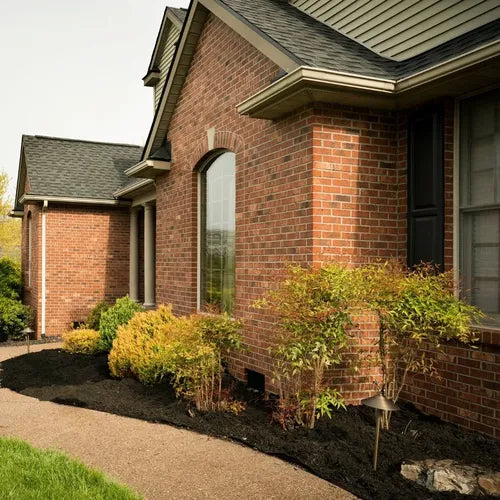
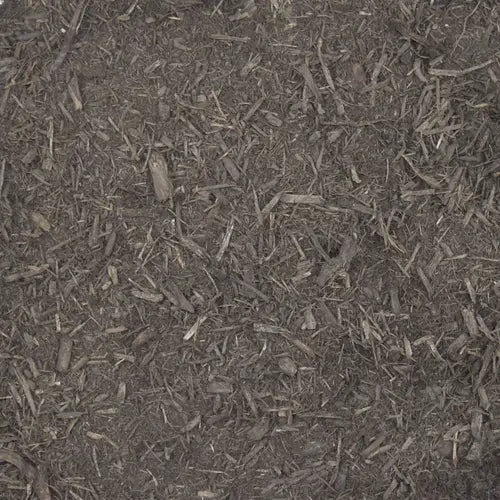
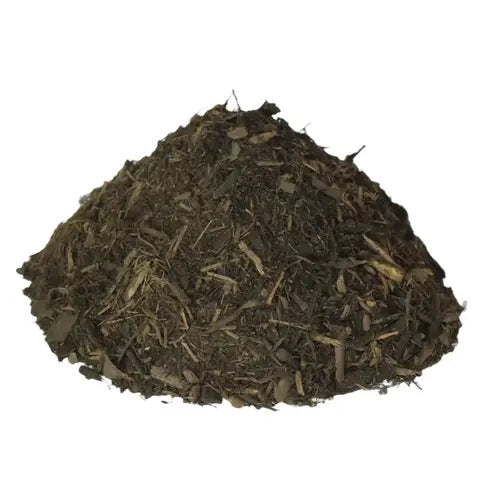
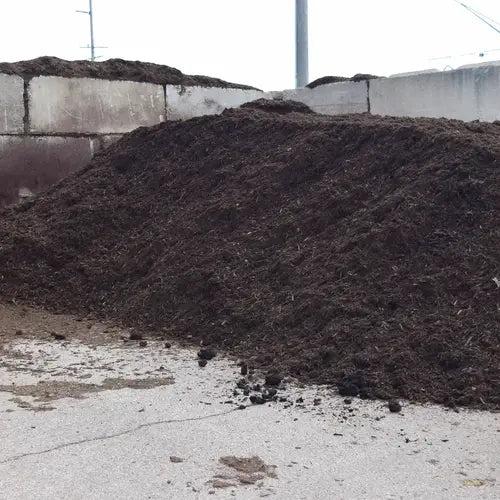
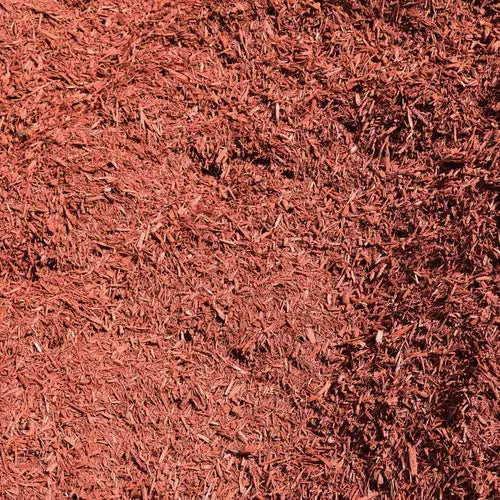
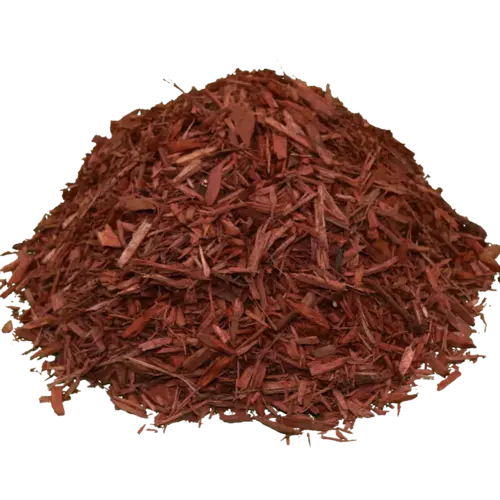
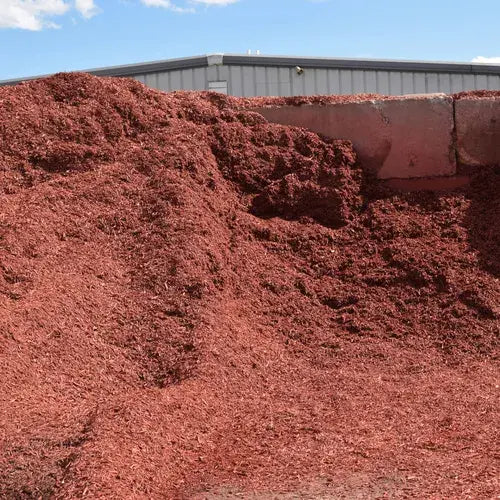
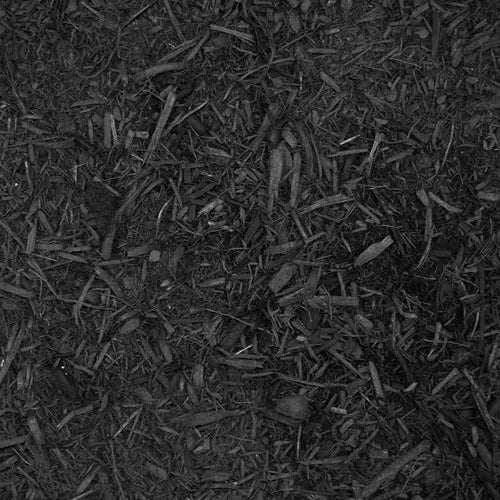
Warm brown double shredded mulch with lasting color that looks freshly applied for weeks. Spreads smooth, stays put, and gives beds a natural, polished appearance.
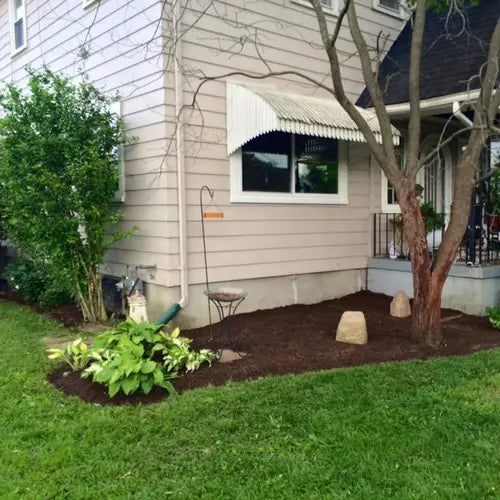
Easy to order, arrived when it was to arrive. Mulch was beautiful! Couldn’t be easier!
Tell us what you're looking for
Thanks! We received your request.
Something went wrong. Please try again.
How Much Material Do I Need?
How Much Material Do I Need?
For most planting beds over red clay soil in Fort Mill, apply mulch at three inches deep to protect roots, retain moisture between rain events, and slow surface compaction. Established tree rings can receive up to four inches, but keep mulch pulled back from the trunk base to prevent rot in Fort Mill's humid summers.
Use our free mulch calculator
What is a yard?
What is a yard?
FAQs
FAQs
Fort Mill Mulch Delivery
Fort Mill Mulch Delivery
Regular price
$81.00
per
yard
Regular price
Sale price
$81.00
Unit price
per
Shipping calculated at checkout.
Minimum of 3 yard
Couldn't load pickup availability
Not currently available
We can't take orders for this right now. Tell us what you need and we'll get back to you.
Hand-picked local yards
4,000+ regional deliveries
Dedicated support
Why order through Mulch Mound
The best local mulch, without the guesswork.
We hand-pick and partner with the best yards in your region, keep only the ones our buyers rate well, and back each load with our guarantee.
Mulch Mound Guarantee
If your mulch isn't the quantity or quality you ordered, we'll make it right.
About this mulch
Warm brown double shredded mulch with lasting color that looks freshly applied for weeks. Spreads smooth, stays put, and gives beds a natural, polished appearance.
Easy to order, arrived when it was to arrive. Mulch was beautiful! Couldn’t be easier!
How Much Material Do I Need?
How Much Material Do I Need?
For most planting beds over red clay soil in Fort Mill, apply mulch at three inches deep to protect roots, retain moisture between rain events, and slow surface compaction. Established tree rings can receive up to four inches, but keep mulch pulled back from the trunk base to prevent rot in Fort Mill's humid summers.
Use our free mulch calculator
What is a yard?
What is a yard?
FAQs
FAQs
Tell us what you're looking for
Thanks! We received your request.
Something went wrong. Please try again.
How It Works
Getting started is easy — just follow these simple steps
1
Choose your Mulch
Make sure you adjust the quantity to your home's needs. You can use our calculator to estimate how much you'll need.
2
Select your delivery date
Select a delivery date you'd like for the product to be dropped off at your home
3
Sit back and wait
Sit back, wait, and let us work our magic to make sure the highest quality product is delivered to your driveway.

Great experience! Easy to order, they delivered promptly and were very respectful of the property! Ordered the triple shredded brown mulch and it w...
Read full review
Great experience! Easy to order, they delivered promptly and were very respectful of the property! Ordered the triple shredded brown mulch and it was EXACTLY what I wanted. Very clean product too, no garbage or filler. Already put these guys in my calendar to order from next year! Keep up the good work.

Website was easy to use. Mulch was delivered on time and exactly where specified. It makes our front yard look great just in time for spring!
Calculate mulch for your Fort Mill project
For Fort Mill's Red Clay type of soil, we recommend 2-3 inches for best weed suppression and moisture retention
Try Our CalculatorMeasure the length and width of each planting area in feet and multiply to get square footage for each bed. Fort Mill's red clay soil benefits from a full three-inch mulch depth, so divide your total square footage by 108 to get the cubic yards needed. Add about ten percent to your estimate to account for settling and the extra depth needed on sloped areas common across Fort Mill's rolling terrain.

Best Mulch Choice for Fort Mill Lawns
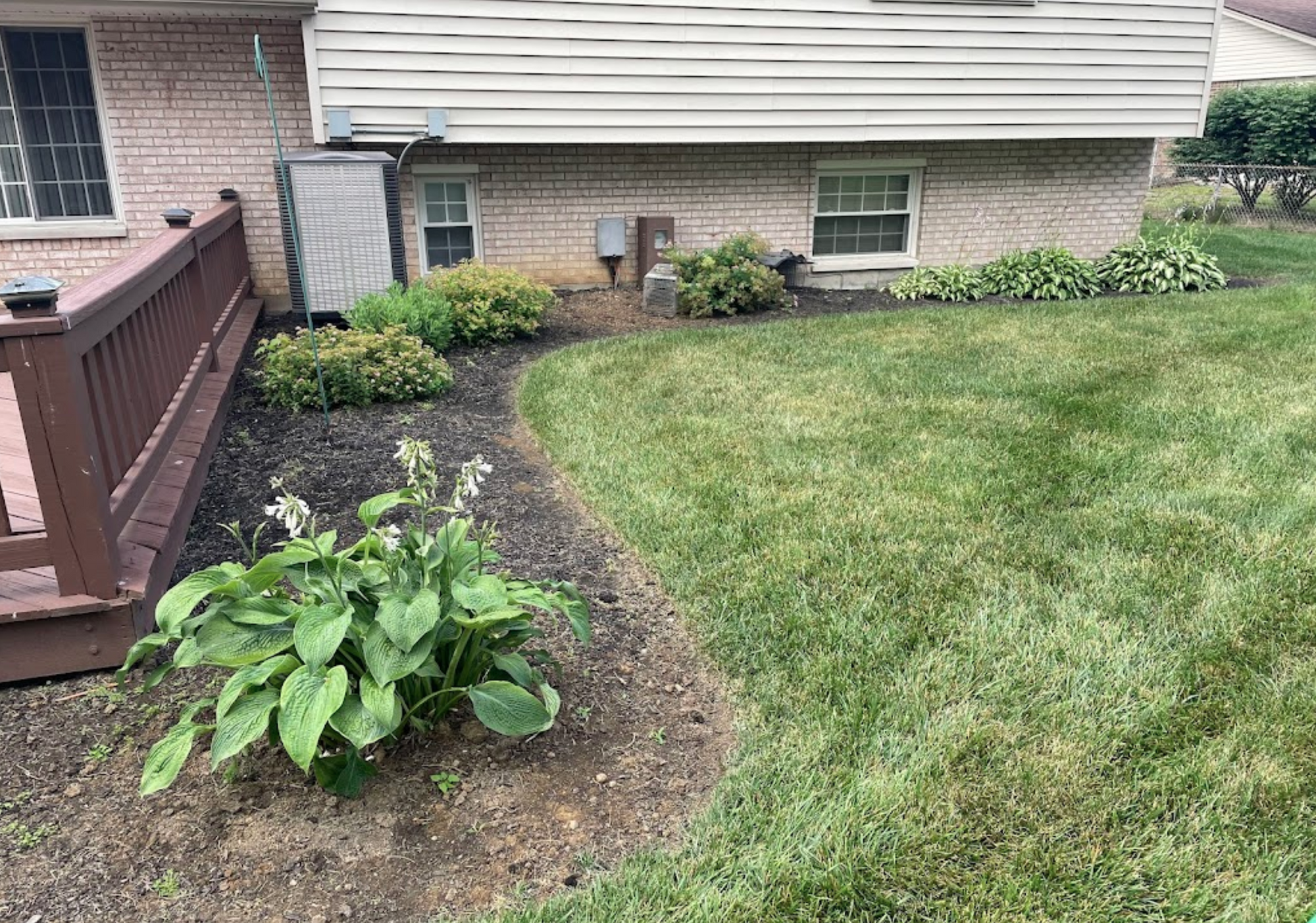
Most yards in the Fort Mill area sit on Red Clay type of soil. Fort Mill's red clay soil becomes dense and oxygen-poor over time, making it increasingly difficult for plant roots to establish and expand during the long growing season. Covering beds with a quality mulch layer slows the surface compaction cycle that red clay is prone to after alternating wet and dry periods throughout spring and summer.
Hardwood Mulch
Hardwood mulch is especially valuable over Fort Mill's red clay because as it decomposes, it releases organic acids and humus compounds that gradually loosen clay particles and improve soil structure. Over two to three seasons of regular topdressing with hardwood mulch, the organic matter measurably improves both the drainage and the nutrient-holding capacity of even the most compacted Fort Mill red clay beds.
Mulch Types We Deliver in Fort Mill
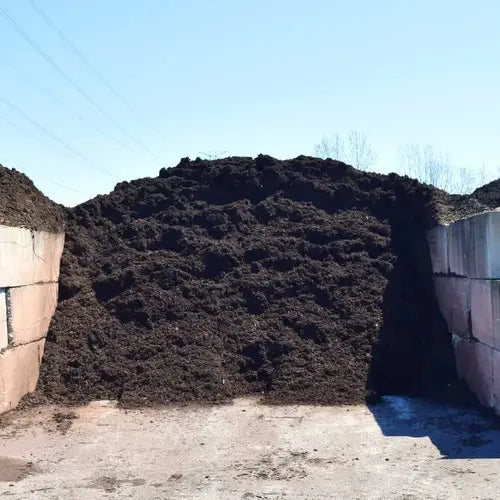
Mulch Mound makes bulk mulch delivery in Fort Mill straightforward, bringing fresh material by the cubic yard directly to your property. The Piedmont climate and dense clay soils common across this part of South Carolina make a solid layer of mulch essential for moisture retention and weed control. Order exactly the quantity you need and we will drop it right where your project begins.
Dyed Black Mulch
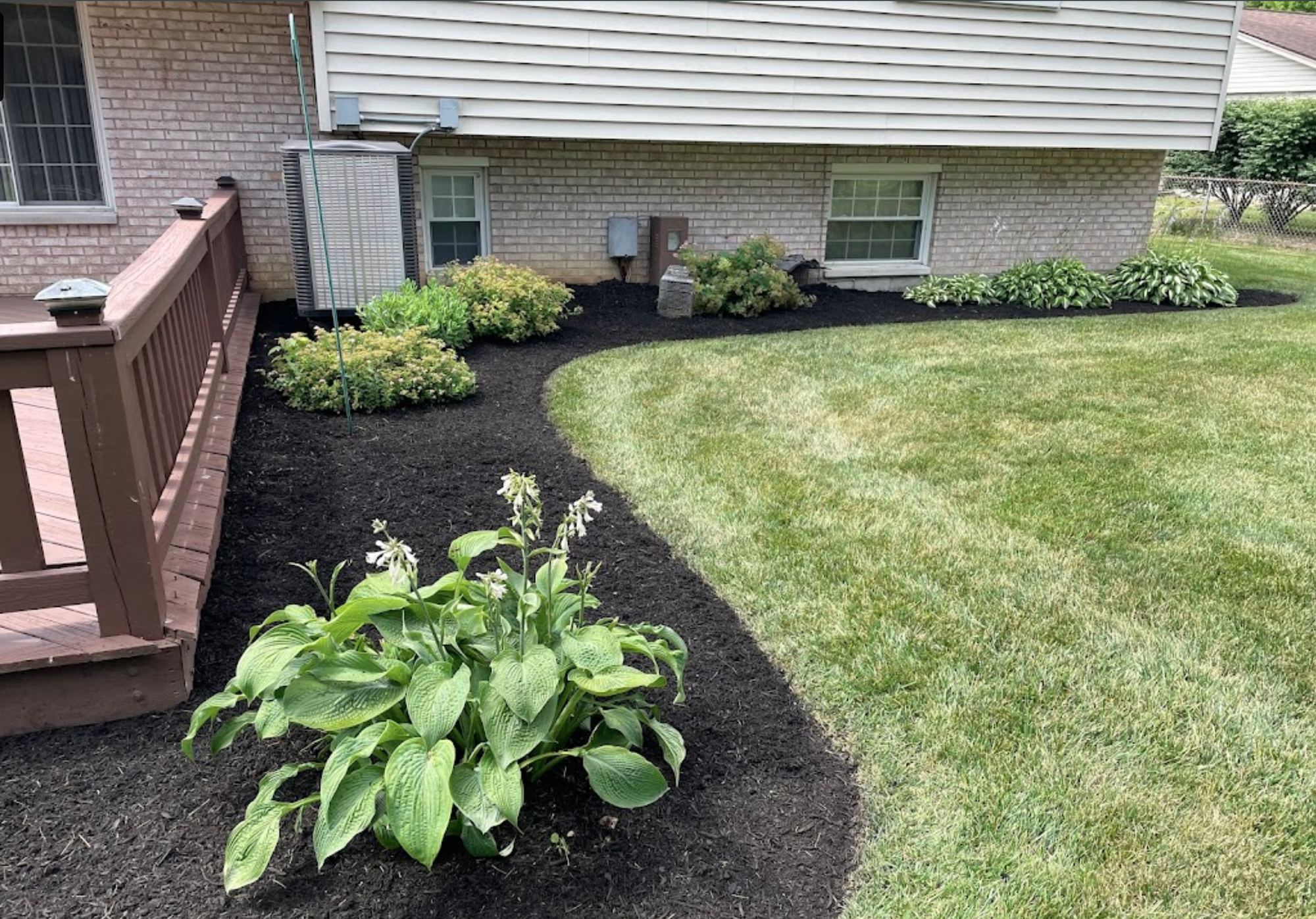
Bold double shredded mulch in a rich, deep black that creates strong contrast against the brick and stone home exteriors common in this part of South Carolina. The color holds well through hot, humid summers, and the smooth texture makes spreading across large front and backyard beds quick and easy.
Dyed Brown Mulch
Warm double shredded mulch in a lasting brown tone that blends naturally with the red clay soil and tree canopy typical of Piedmont landscapes. A popular pick for homeowners who want beds that look freshly maintained through the season without a bold color statement.
Natural Brown Mulch
Available in double or triple shredded options, this undyed mulch delivers a genuine earthy brown color straight from the wood. Triple shredded breaks down faster to improve the dense clay soils common in this region, while double shredded lasts longer as a clean surface cover for established beds.
Cedar Mulch
Double shredded cedar brings natural pest deterrent oils and a fresh woody aroma to any planting bed. The humid summers of the Piedmont region can draw insects and encourage fungal growth, making cedar a smart choice for homeowners who want effective protection alongside a clean, lasting appearance.
Complete Your Outdoor Mulch Project
If your beds need grading or improved drainage before mulching, a delivery of amended topsoil can fill low spots and give plant roots a better growing environment than raw red clay alone. Stone borders and pathway gravel also pair well with mulch beds to keep materials separated and reduce washout during Fort Mill's heavier summer rain events.


Service area
Areas we deliver mulch in Fort Mill, South Carolina
Mulch Mound Pro Tip
Fort Mill's red clay has a tendency to seal over after heavy rain, forming a hard surface crust that limits both air and water movement into the soil. Before spreading mulch each spring, loosen the top two inches of clay with a hand cultivator and work in a thin layer of compost along bed edges. This simple step allows the organic matter from decomposing mulch to actually reach and benefit the soil beneath rather than sitting on top of a compacted layer that blocks its progress.
Mulch Mound Pro Tip
Zone 8a winters in Fort Mill are mild enough that many perennials and shrubs maintain active root systems well into December. Applying a fresh mulch layer in late October before the first frost around November 8 gives those root systems an insulating buffer against the sharp cold snaps that can arrive in January and February. Keep mulch pulled back an inch from stems and crowns because the warmth it retains can encourage premature new growth that a late cold event will damage.
Mulch Mound Pro Tip
With 44 inches of annual rainfall landing on Fort Mill landscapes each year, moisture is rarely the limiting factor for plant growth, but it is often the cause of weed pressure and mulch thinning. Applying mulch at a consistent three-inch depth creates a physical barrier that prevents most weed seeds from reaching the light they need to germinate in the soil below. Inspect your beds after major summer storms and add a quick topdress layer anywhere the rain has thinned coverage below two inches to maintain continuous protection.
The Unique Landscape of Fort Mill
Fort Mill's heavy red clay soil compacts easily after rain and cracks during dry spells, creating a tough cycle for plant roots trying to establish through the growing season. With 44 inches of annual rainfall spread unevenly through the year, the stretches between storms can leave the top few inches of clay baked hard and moisture-depleted faster than most homeowners expect. A proper mulch layer moderates soil temperature through Zone 8a's wide seasonal swings, where summer surface soil temperatures can climb well above 90 degrees and stress shallow-rooted plants. Mulch also cushions the impact of heavy downpours that would otherwise splash clay particles onto plant stems and seal the soil surface against air and water movement. Applying mulch before Fort Mill's last frost around March 15 helps warm beds earlier in spring, giving perennials and new plantings a better start than bare red clay can provide.