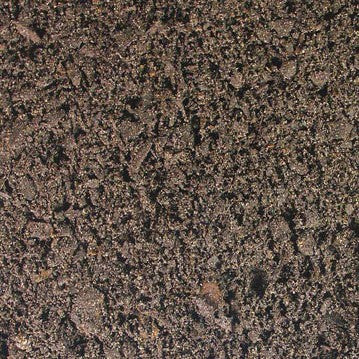
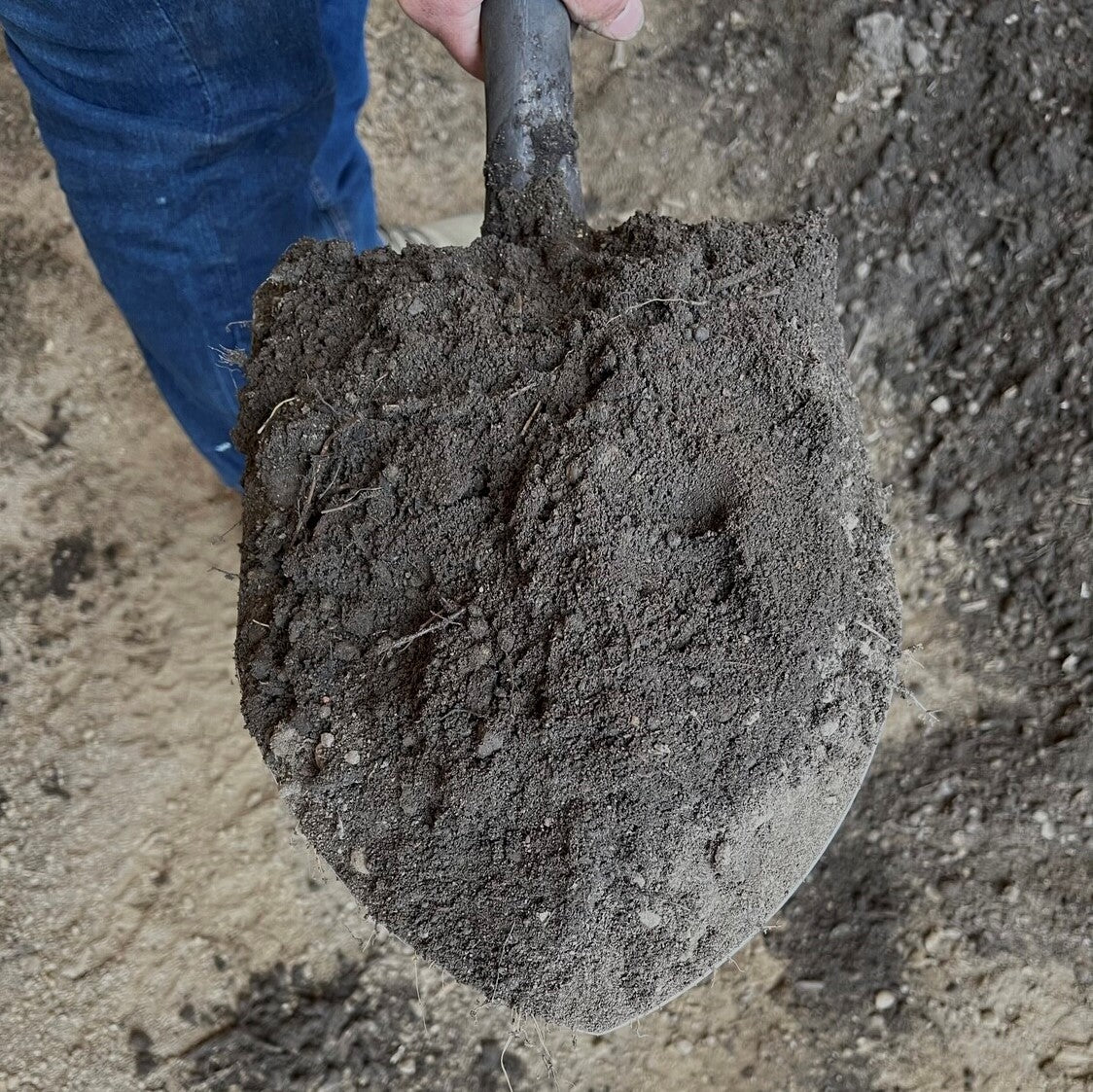
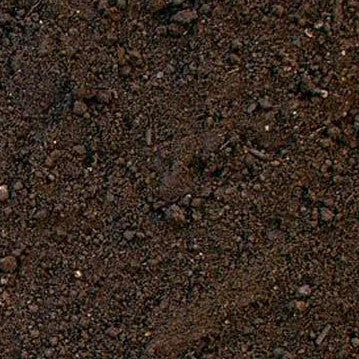
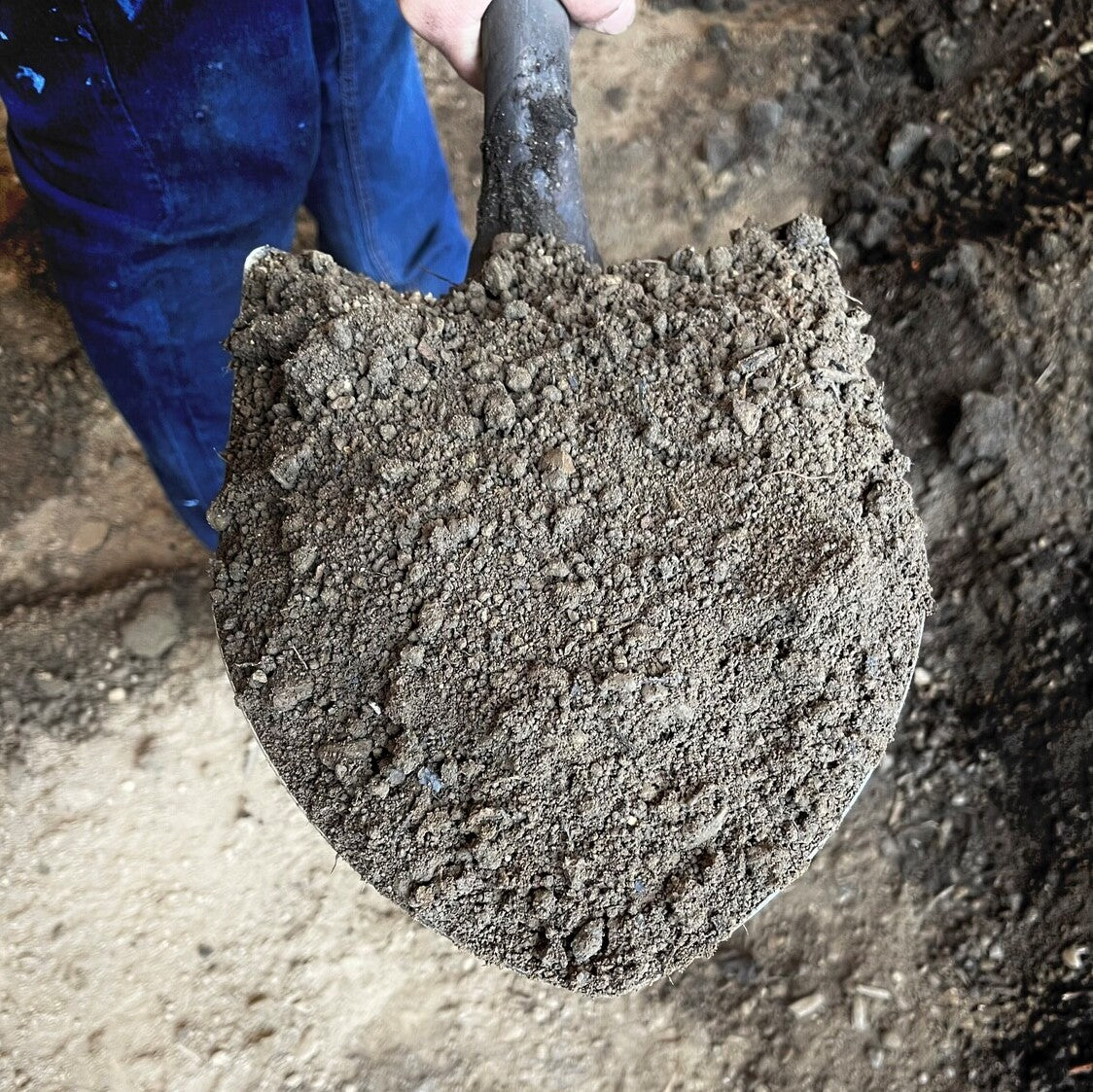
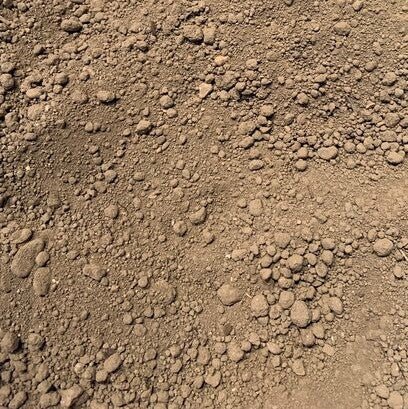
A balanced mix of topsoil and organic amendments ready for raised beds, flower gardens, and new planting areas. Good drainage, solid nutrients, easy to work with.
We got 3 yards of the gardening top soil. It was great quality, not many chunks and seems good for growing, just waiting for all my plants to love it.
We had more than enough soil to fill a raised bed we made and landscaped around a patio. I do wish we could do less tha...
Tell us what you're looking for
Thanks! We received your request.
Something went wrong. Please try again.
How Much Material Do I Need?
For planting beds over Fort Mill's red clay, plan for at least six inches of quality topsoil or garden blend to give roots a workable growing zone above the dense native clay. Lawn leveling and grading projects typically need two to three inches of screened topsoil spread and raked smooth to match existing grade without creating abrupt transitions.
Use our free soil calculator
What is a yard?
A yard is approximately 27 cubic feet. As a general guideline, one yard of material can cover an area of about 10 feet by 10 feet at a few inches deep.
What is a yards?
A yard is approximately 27 cubic feet. As a general guideline, one yard of material can cover an area of about 10 feet by 10 feet at a few inches deep.
We can't take orders for this right now. Tell us what you need and we'll get back to you.
What do you need?
Thanks! We received your request.
Something went wrong. Please try again.
Hand-picked local yards
4,000+ regional deliveries
Dedicated support
Why order through Mulch Mound
The best local soil, without the guesswork.
We hand-pick and partner with the best yards in your region, keep only the ones our buyers rate well, and back each load with our guarantee.
Mulch Mound Guarantee
If your soil isn't the quantity or quality you ordered, we'll make it right.
About this soil
A balanced mix of topsoil and organic amendments ready for raised beds, flower gardens, and new planting areas. Good drainage, solid nutrients, easy to work with.
We got 3 yards of the gardening top soil. It was great quality, not many chunks and seems good for growing, just waiting for all my plants to love it.
We had more than enough soil to fill a raised bed we made and landscaped around a patio. I do wish we could do less tha...
How Much Material Do I Need?
For planting beds over Fort Mill's red clay, plan for at least six inches of quality topsoil or garden blend to give roots a workable growing zone above the dense native clay. Lawn leveling and grading projects typically need two to three inches of screened topsoil spread and raked smooth to match existing grade without creating abrupt transitions.
Use our free soil calculator
What is a yard?
A yard is approximately 27 cubic feet. As a general guideline, one yard of material can cover an area of about 10 feet by 10 feet at a few inches deep.
What is a yards?
A yard is approximately 27 cubic feet. As a general guideline, one yard of material can cover an area of about 10 feet by 10 feet at a few inches deep.
We got 3 yards of the gardening top soil. It was great quality, not many chunks and seems good for growing, just waiting for all my plants to love ...
Read full review
We got 3 yards of the gardening top soil. It was great quality, not many chunks and seems good for growing, just waiting for all my plants to love it.
We had more than enough soil to fill a raised bed we made and landscaped around a patio. I do wish we could do less than 3 yds delivered but I understand the limitations.
My only concern was we requested it on the top left of our driveway since we had mulch on the other side, they ended up pouring it on top of the mulch (it was covered with a tarp so not ruined) making it difficult to complete our landscaping in a timely fashion.
Measure your project area in feet and multiply length by width to get square footage, then decide on the depth of soil you need in inches based on your project type. For Fort Mill lawn leveling, two to four inches is typical, while garden beds placed over red clay usually need six to eight inches of quality soil to give roots a workable zone. Divide square footage by 324 for a two-inch depth or by 162 for a four-inch depth to calculate the cubic yards to order.
Soil Types We Deliver in Fort Mill
Mulch Mound delivers bulk soil by the cubic yard to Fort Mill homeowners and contractors who want quality material without the hassle of hauling it themselves. Whether you are prepping new sod, building raised beds, or amending tired garden soil, we carry the varieties your project needs. Every load is measured and priced by the yard so you order exactly what you need.
Screened Top Soil
Our screened topsoil arrives with a fine, even texture that makes spreading and grading straightforward. Fort Mill yards often sit on dense red clay, so a quality top layer makes a real difference for new sod, lawn leveling, or raised garden beds. Delivered by the cubic yard.
Gardening Blend
A balanced mix of topsoil and organic amendments that works well for raised beds, flower gardens, and new planting areas in Fort Mill. The warm growing season rewards a well-amended soil, and this blend delivers solid nutrients with good drainage. Available in Standard and Premium grades.
Leaf Compost
Nutrient-rich leaf compost that revives compacted or worn-out soil. Mixing it into Fort Mill garden beds improves structure and water retention, which matters during dry summer stretches. It also feeds the beneficial microorganisms that keep plants healthy and productive through the long growing season.
Complete Your Outdoor Soil Project
Adding a mulch layer over new soil beds locks in moisture and slows erosion from Fort Mill's heavy summer rains, giving your new planting area the best conditions to establish quickly. Stone edging or gravel borders help define grade transitions and keep soil from washing out of raised beds or bermed areas during the more intense downpours Fort Mill receives through the summer months.
Can I just amend my existing red clay instead of buying new soil for my Fort Mill beds?
Amending red clay is possible over time, but for Fort Mill homeowners who want productive beds in a single growing season, importing screened topsoil or a quality garden blend is far more effective. Shifting red clay structure through amendment alone requires years of consistent effort and very large volumes of organic matter to produce meaningful change. Blending imported soil on top of or into the native clay gives plant roots a workable growing zone immediately while the clay layer slowly improves from organic breakdown over time.
Answer
How much soil do I need to level a low spot in my Fort Mill lawn?
For minor low spots in Fort Mill lawns, two to four inches of screened topsoil spread and graded to blend with surrounding turf is usually enough to restore a smooth surface. More significant depressions that hold standing water after Fort Mill's heavier rain events may need six inches or more of fill, graded carefully to redirect water toward a proper outlet or drainage path. Always slope added soil away from your home's foundation at roughly one inch of drop per foot for the first six feet to stay ahead of Fort Mill's wet weather.
Answer
What kind of soil works best for raised vegetable beds in Fort Mill?
A blend of screened topsoil, compost, and a small portion of coarse sand works well for raised vegetable beds in Fort Mill's Zone 8a growing environment. The region's long season, running from around March 15 to November 8, means raised bed soil gets heavy use and needs enough structure to hold up through multiple planting cycles without collapsing or compacting. Avoid using native red clay as a base layer inside raised beds because it will compact under irrigation and eliminate the drainage that vegetable roots need to thrive.
Answer
Will new topsoil wash away during Fort Mill's heavy summer rain events?
Freshly placed topsoil can erode on slopes during intense summer storms if it is not stabilized quickly after delivery. In Fort Mill, the best practice is to seed or sod any bare soil areas within a few days of placement, or cover them with erosion fabric or a light straw layer if planting will be delayed. On flat areas, topsoil settles well without significant erosion risk, especially once a mulch layer is applied over planting beds to absorb rainfall impact.
Answer
Is Fort Mill's native soil naturally low in nutrients because of the red clay composition?
Yes, Fort Mill's native red clay is typically low in organic matter and carries a naturally acidic pH that can lock up nutrients even when fertilizer is applied regularly. The clay's tight particle structure also limits the microbial activity that drives natural nutrient cycling in healthy soil ecosystems. Importing a quality topsoil or garden blend gives plants immediate access to a better nutrient environment while you work on building up the native clay through long-term organic amendment.
Answer
Can I use bulk soil to build a berm or raised planting area in my Fort Mill yard?
Bulk fill or topsoil works very well for building berms in Fort Mill yards, and raised berms are a smart strategy in this area because they lift plant roots above the water table during heavy rain periods when clay drainage falls behind. A berm of 18 to 24 inches gives most ornamental shrubs and perennials enough depth to thrive even in a wet year, while also adding visual interest and grade variation to otherwise flat areas.
Answer
How do I keep new topsoil from separating from my red clay base over time?
Over several growing seasons, root growth and earthworm activity will naturally blend the boundary between new topsoil and native red clay, which is actually beneficial for long-term soil structure improvement. If you need to maintain a sharp separation, such as beneath a contained raised bed, a layer of landscape fabric can slow the mixing process without blocking water movement. For most lawn and planting applications in Fort Mill, allowing gradual integration is the preferred approach because it helps the clay layer improve from the top down.
Mulch Mound Pro Tip
When placing new topsoil over Fort Mill's red clay, roughen the top surface of the clay with a tiller or garden fork before spreading the new material. This creates a mechanical bond between the two layers that reduces the risk of the new soil sliding or separating during heavy rainfall on sloped areas. Skipping this step often leads to a distinct layering effect that can actually trap water between the two soil types and suffocate plant roots in prolonged wet weather.
Mulch Mound Pro Tip
Fort Mill's Zone 8a growing season runs nearly eight months, from the last frost around March 15 to the first frost around November 8, which means soil placed in early spring gets put to work almost immediately. Mixing compost into fresh topsoil before planting boosts the microbial life that may be slow to colonize new material on its own. By midsummer, active root systems and earthworm populations will have begun integrating the new soil with the existing clay layer, improving the whole bed profile from the surface downward.
Mulch Mound Pro Tip
Fort Mill receives 44 inches of rain per year, and poor grading is one of the most common causes of landscape failure in this region regardless of how good the soil quality is. When placing bulk soil for any project, establish a consistent slope away from structures and toward natural drainage paths before planting anything. Even a modest grade of one percent, roughly one inch of drop per eight feet, is enough to keep water moving through the landscape rather than pooling against foundations and drowning plant roots in wet seasons.
The Unique Landscape of Fort Mill
Fort Mill sits on some of the most challenging red clay soil in the Carolina Piedmont, a dense subsoil that compacts easily under foot traffic and equipment, drains slowly after rain, and gives plant roots very little room to expand and breathe. Imported topsoil and quality soil blends are often the fastest way to create productive planting areas without waiting years for in-place clay amendment to take meaningful effect. With 44 inches of annual rainfall distributed unevenly through the year, any new soil placed in beds or used for grading needs to be matched carefully to existing terrain so water moves away from foundations and plant crowns rather than pooling at low points. Fort Mill's elevation of 645 feet means the local landscape rolls and drops in ways that concentrate runoff, and low spots with poor native soil drainage become genuine flooding concerns in wet years. Starting any planting or grading project with quality fill or garden soil creates the foundation that healthy lawns, raised beds, and landscape plantings need to handle the full range of Zone 8a conditions.