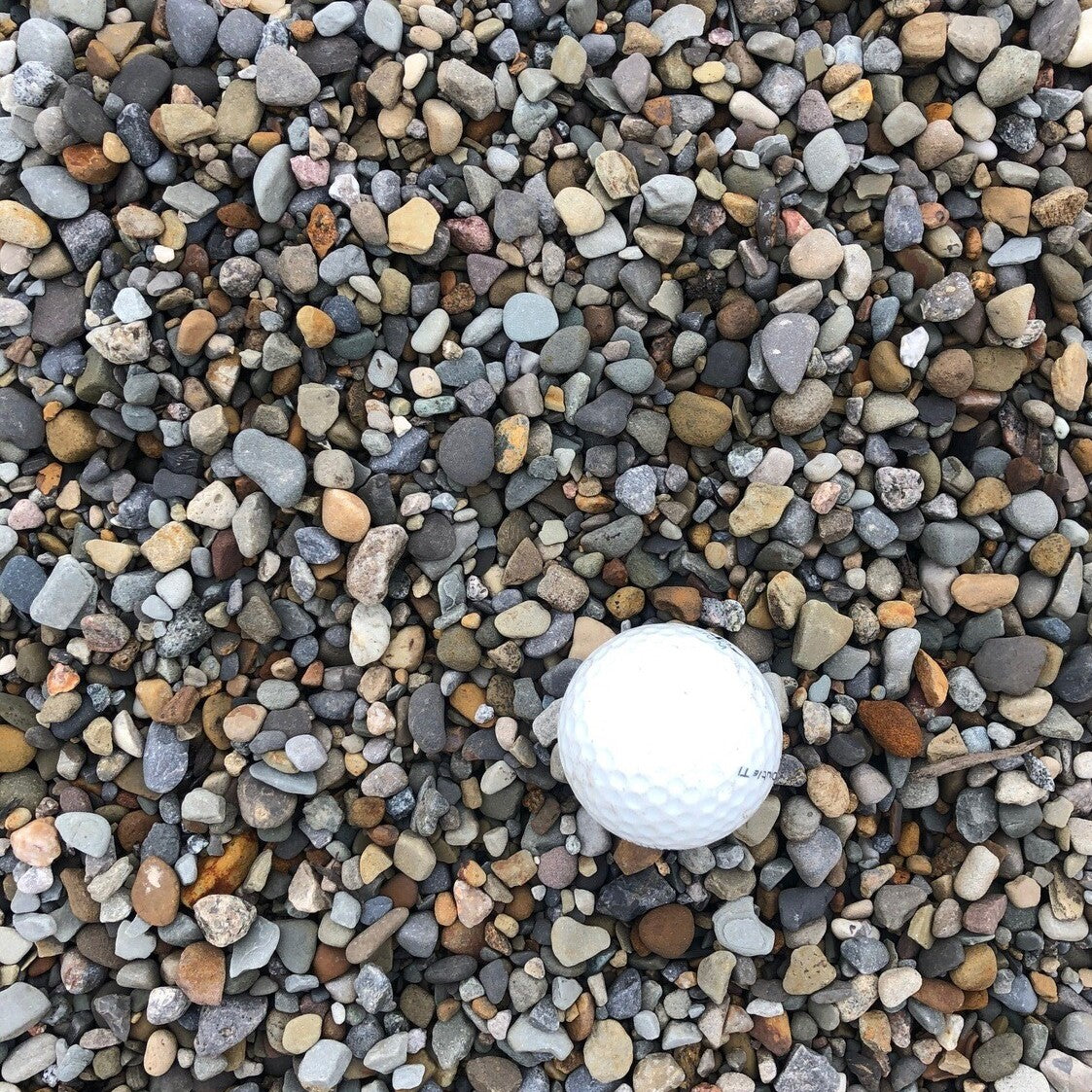
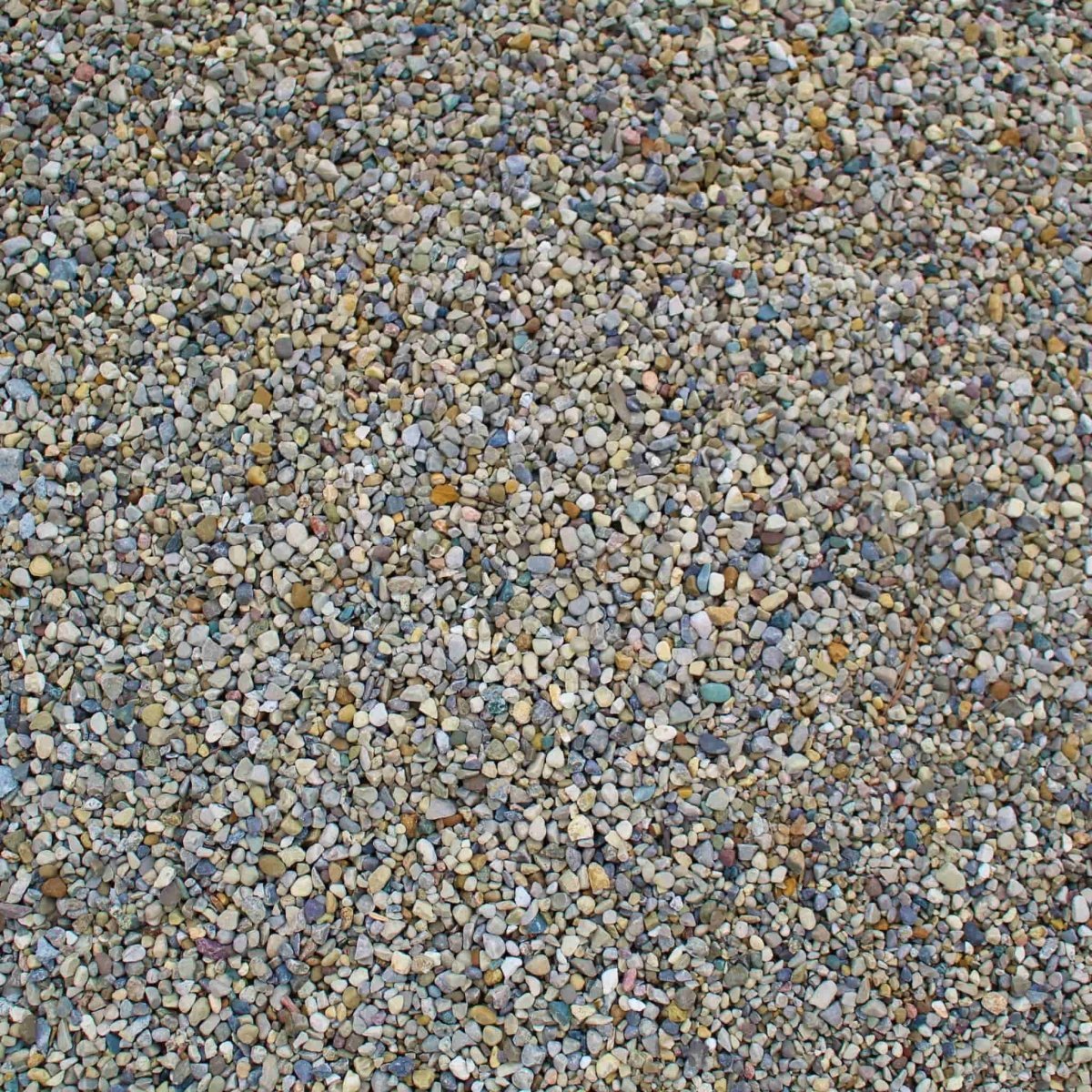
Classic pea gravel with smooth, rounded edges and natural earth tones. A versatile favorite for pathways, patios, drainage, and decorative ground cover.
I contacted Mulch Mound for #57 river rocks and it was easy and fast to get a delivery right before the holiday weekend. Stone was delivered as promised and place exactly where I asked. Excellent service! I will be ordering mulch next!
Classic pea gravel with smooth, rounded edges and natural earth tones. A versatile favorite for pathways, patios, drainage, and decorative ground cover.
I contacted Mulch Mound for #57 river rocks and it was easy and fast to get a delivery right before the holiday weekend. Stone was delivered as promised and place exactly where I asked. Excellent service! I will be ordering mulch next!
How Much Material Do I Need?
For decorative beds and foundation borders in Fort Mill, two to three inches of stone is the standard depth for good weed suppression and visual coverage over the red clay surface below. Drainage applications like dry creek beds and French drain trenches typically need a much deeper fill of six to twelve inches to handle the volumes of water that Fort Mill's rainfall events generate during summer storm season.
Use our free stone calculator
What is a yard?
A yard is approximately 27 cubic feet. As a general guideline, one yard of material can cover an area of about 100-160 square feet at a 2-3 inch depth.
I contacted Mulch Mound for #57 river rocks and it was easy and fast to get a delivery right before the holiday weekend. Stone was delivered as pro...
Read full review
I contacted Mulch Mound for #57 river rocks and it was easy and fast to get a delivery right before the holiday weekend. Stone was delivered as promised and place exactly where I asked. Excellent service! I will be ordering mulch next!
To calculate the stone needed for a pathway or decorative bed in Fort Mill, measure the area in feet and multiply length by width to get square footage. Divide that number by 100 for a two-inch depth or by 80 for a three-inch depth to get approximate cubic yards. Fort Mill's sloped terrain often means slightly more material is needed on angled areas to achieve even coverage, so adding ten percent to your estimate is a reliable habit.
Complete Your Outdoor Stone Project
Pairing stone borders with a quality mulch bed creates a clean and defined landscape that handles Fort Mill's weather well and holds its appearance through the long growing season without constant maintenance. Adding topsoil to any low spots near your stone drainage features before placing the stone ensures water is directed away from plant roots and foundation walls rather than pooling on the hard clay surface beneath.
One of the most practical and overlooked stone applications in Fort Mill yards is at downspout outlets where concentrated roof runoff hits the ground after rain. Red clay erodes quickly under that kind of direct water flow, and even moderate rainfall events create scouring and muddy channeling at these points over time. Placing a two-foot square pad of river rock at each downspout exit dissipates the water energy before it can carve into the clay beneath, protecting your grade and keeping muddy runoff from spreading across the lawn.
Mulch Mound Pro Tip
Fort Mill's growing season lasts nearly eight months, which means weed pressure under stone is active for most of the year from late winter through fall. Before installing any stone bed or pathway, remove existing vegetation thoroughly and allow the soil surface to dry for several days if possible, particularly in spring when Fort Mill soils stay saturated longer after rain. Installing landscape fabric on dry, settled soil creates a better seal and leaves fewer gaps for persistent weeds like nutsedge or wild violet to exploit from below.
Mulch Mound Pro Tip
With 44 inches of rain falling on Fort Mill each year, stone dry creek beds are not merely decorative features but functional drainage tools that protect the landscape from erosion and ponding. Sizing your dry creek bed to handle the peak flow from the drainage area it serves is the most important design decision you can make before ordering material. A bed that is too narrow will overflow onto adjacent red clay during heavy storms, undoing the erosion control benefit, so aim for a width of 18 to 24 inches and a depth of at least six inches to handle most residential drainage volumes in Fort Mill's typical storm patterns.
The Unique Landscape of Fort Mill
Stone is one of the most durable and low-maintenance landscaping choices for Fort Mill properties, where red clay soil and 44 inches of annual rainfall create ongoing challenges for planted areas and bare ground alike. Gravel and decorative stone do not break down in Fort Mill's summer heat the way organic materials do, making them ideal for high-traffic areas, dry creek beds, and drainage corridors that need to perform year after year. At 645 feet of elevation, many Fort Mill properties have natural slope changes that channel rainwater into erosive paths, and stone is one of the most effective materials for managing that runoff without constant maintenance. Stone pathways and borders also reduce the amount of bare clay that gets tracked into homes after rain events, a practical quality-of-life benefit that Fort Mill homeowners notice quickly. Whether used for decoration, drainage, erosion control, or ground cover in tough spots, stone delivers lasting results with minimal seasonal upkeep in this climate.
Frequently Asked Questions
Click a question to see the answer
Answer
What size gravel works best for a walking pathway in my Fort Mill yard?
Three-eighths inch pea gravel or a quarter-inch crushed granite are the most comfortable underfoot for residential pathways in Fort Mill and drain well after rain. Larger stones shift and roll more as you walk on them, making them less practical for regular foot traffic. In Fort Mill's frequent rain periods, a pathway material that drains freely and stays stable is far more useful than loose decorative stone that migrates after every storm.
Answer
Can stone help manage the drainage problems that red clay soil causes in my Fort Mill yard?
Stone is one of the most effective tools for managing drainage in a Fort Mill red clay landscape. A dry creek bed filled with river rock can redirect water that would otherwise pool on compacted clay surfaces after heavy rain and stay there for days. French drain trenches filled with clean crushed stone also perform very well in Fort Mill yards, giving water a fast path through or around areas where clay would trap it and cause standing water problems.
Answer
Will stone get too hot in Fort Mill's summer sun to use near plants or groundcovers?
Dark-colored stones like black slate or dark lava rock can absorb significant heat in Fort Mill's summer sun and radiate it back toward nearby plants during the hottest months of July and August. Lighter-colored options such as river rock, pea gravel, or light granite reflect more solar energy and are generally better choices for planting bed borders and areas adjacent to groundcovers or low shrubs. In full-shade areas of Fort Mill yards, stone color matters much less because direct sun exposure is minimal through the canopy.
Answer
How do I keep weeds from growing up through stone in my Fort Mill landscape?
A quality woven landscape fabric installed beneath stone before spreading is the most effective long-term weed barrier for Fort Mill properties. Fort Mill's warm Zone 8a climate supports weed growth from late February through November, making a fabric layer worth the extra installation effort compared to fighting weeds manually each season. Maintaining two to three inches of stone depth and refreshing the top layer periodically prevents soil and organic debris from accumulating on the surface and giving weed seeds a place to germinate above the fabric.
Answer
Is river rock or crushed gravel better for a drainage swale on my Fort Mill property?
For a visible dry creek bed or decorative drainage swale, river rock in the two to four inch range gives the most natural appearance and handles Fort Mill's storm water volumes well without washing downstream. For a functional French drain or underground drainage channel, clean crushed gravel in the half-inch to three-quarter-inch range carries fewer fine particles and allows faster water movement through the trench. In most Fort Mill drainage projects, combining both types works well, with crushed gravel in the trench fill and river rock on the surface for a finished look.
Answer
How much stone do I need to cover a planting bed or foundation border at my Fort Mill home?
For a standard foundation border or decorative planting bed in Fort Mill, two to three inches of stone depth provides solid ground cover and reliable weed suppression over the red clay beneath. Thinner layers allow persistent weeds to push through from below and do not look as finished or maintained over the long term. Measure the length and width of your border in feet, multiply to get square footage, and divide by 100 to estimate cubic yards needed for a two-inch application, then round up to account for irregular shapes and edges.
Answer
Does a stone border around my foundation help protect it from Fort Mill's wet weather?
Yes, a clean gravel border along a home's foundation is one of the best ways to manage the moisture that Fort Mill's 44 inches of annual rainfall puts against house foundations throughout the year. Stone drains almost immediately after rain rather than holding moisture against masonry and siding the way mulch or bare red clay can over time. A six to twelve inch wide band of crushed stone around the foundation perimeter, graded to slope away from the structure, helps protect against moisture intrusion and reduces the humid conditions that encourage mold growth and pest activity in Fort Mill's climate.