




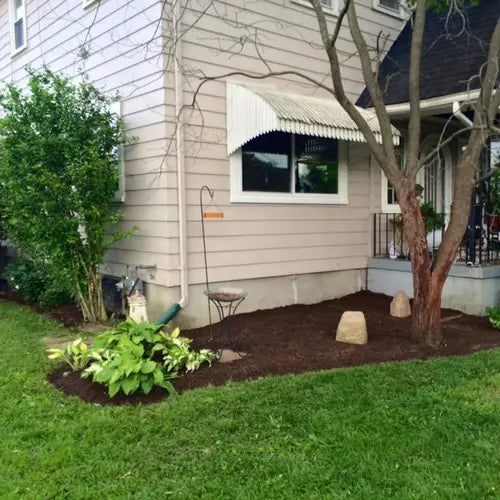




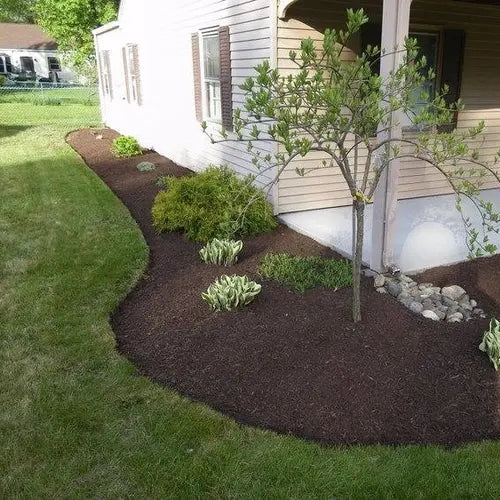

Our delivery was delayed but the new brown color mulch is a nice upgrade to our landscaping.
About this mulch
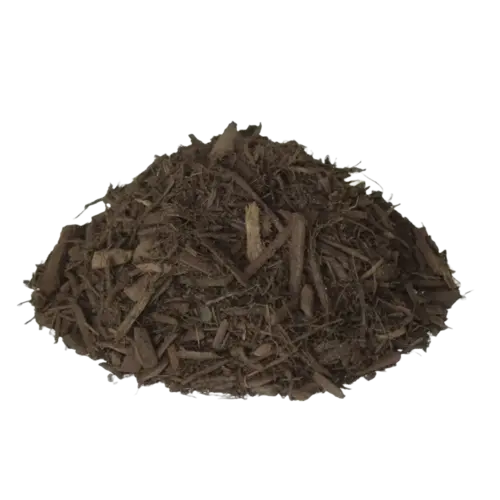
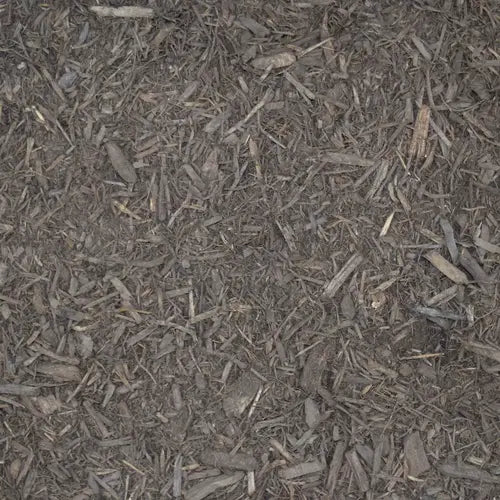
Warm brown double shredded mulch with lasting color that looks freshly applied for weeks. Spreads smooth, stays put, and gives beds a natural, polished appearance.
Our delivery was delayed but the new brown color mulch is a nice upgrade to our landscaping.
Tell us what you're looking for
Thanks! We received your request.
Something went wrong. Please try again.
How Much Material Do I Need?
How Much Material Do I Need?
For Georgetown's silt loam soil, a 3-inch mulch depth is the standard recommendation for most ornamental beds, providing enough coverage to retain moisture and suppress weeds without suffocating plant crowns at the soil surface.
Use our free mulch calculator
What is a yard?
What is a yard?
FAQs
FAQs
Georgetown Mulch Delivery
Georgetown Mulch Delivery
Regular price
$64.00
per
yard
Regular price
Sale price
$64.00
Unit price
per
Shipping calculated at checkout.
Minimum of 3 yard
Couldn't load pickup availability
Not currently available
We can't take orders for this right now. Tell us what you need and we'll get back to you.
Hand-picked local yards
4,000+ regional deliveries
Dedicated support
Why order through Mulch Mound
The best local mulch, without the guesswork.
We hand-pick and partner with the best yards in your region, keep only the ones our buyers rate well, and back each load with our guarantee.
Mulch Mound Guarantee
If your mulch isn't the quantity or quality you ordered, we'll make it right.
About this mulch
Warm brown double shredded mulch with lasting color that looks freshly applied for weeks. Spreads smooth, stays put, and gives beds a natural, polished appearance.
Our delivery was delayed but the new brown color mulch is a nice upgrade to our landscaping.
How Much Material Do I Need?
How Much Material Do I Need?
For Georgetown's silt loam soil, a 3-inch mulch depth is the standard recommendation for most ornamental beds, providing enough coverage to retain moisture and suppress weeds without suffocating plant crowns at the soil surface.
Use our free mulch calculator
What is a yard?
What is a yard?
FAQs
FAQs
Tell us what you're looking for
Thanks! We received your request.
Something went wrong. Please try again.

How It Works
Getting started is easy — just follow these simple steps
1
Choose your Mulch
Make sure you adjust the quantity to your home's needs. You can use our calculator to estimate how much you'll need.
2
Select your delivery date
Select a delivery date you'd like for the product to be dropped off at your home
3
Sit back and wait
Sit back, wait, and let us work our magic to make sure the highest quality product is delivered to your driveway.

Mulch Mound made it so easy! So happy with the pricing, turn around time, delivery and product. I submitted my online order on a Thursday. The mu...
Read full review
Mulch Mound made it so easy! So happy with the pricing, turn around time, delivery and product. I submitted my online order on a Thursday. The mulch was delivered to the designated location by a local landscape company at 8:30 a.m. the following Saturday morning. We had the job completed by that afternoon. We chose the natural brown mulch, and the plant beds are beautiful.

Good quality, great price, fast delivery. All online - no submitting forms and waiting for days for quotes.
Getting mulch should be this easy fr...
Read full review
Good quality, great price, fast delivery. All online - no submitting forms and waiting for days for quotes.
Getting mulch should be this easy from everyone. Only Mulch Mound is ACTUALLY this simple.
Calculate mulch for your Georgetown project
For Georgetown's Silt Loam type of soil, we recommend 2-3 inches for best weed suppression and moisture retention
Try Our CalculatorStart by measuring the length and width of each bed separately, then add those square footage numbers together before calculating material needed. Georgetown's silt loam tends to settle slightly after rain events, so ordering about 10 percent extra is a smart buffer for larger projects where running short would mean a second delivery.


Best Mulch Choice for Georgetown Lawns
Most yards in the Georgetown area sit on Silt Loam type of soil. Georgetown's silt loam soil has a naturally fine texture that holds moisture well but compacts easily when left bare and exposed to rainfall, making it difficult for plant roots to spread freely through the bed.
Hardwood Mulch
Hardwood mulch is a particularly good match for Georgetown's silt loam because as it decomposes it contributes coarse organic matter that loosens soil particle bonds, improves drainage, and introduces the microbial activity that silt loam needs to stay productive through multiple growing seasons.
Mulch Types We Deliver in Georgetown
Homeowners and landscapers across Georgetown count on bulk mulch delivery by the cubic yard to keep their beds looking sharp through the region's hot, humid summers. Central Kentucky's clay soil dries hard and crusts between rains, making a quality mulch layer one of the most practical additions to any landscape. We carry the most popular dyed and natural varieties so you can get the exact look you want delivered straight to your property.
Dyed Black Mulch
Bold and striking, this double shredded mulch makes flower beds and foundation plantings pop against the brick and neutral siding common in central Kentucky homes. The rich black color holds through sun and heavy summer rain, and the fine texture makes spreading quick and clean whether you are covering a small bed or a large property.
Dyed Brown Mulch
A warm brown tone that blends with central Kentucky's earthy landscape, this double shredded variety stays looking freshly applied for weeks even after heavy spring and summer rains. It spreads smoothly over clay soil and holds well on sloped beds, making it a dependable choice for new installs and seasonal refreshes alike.
Natural Brown Mulch
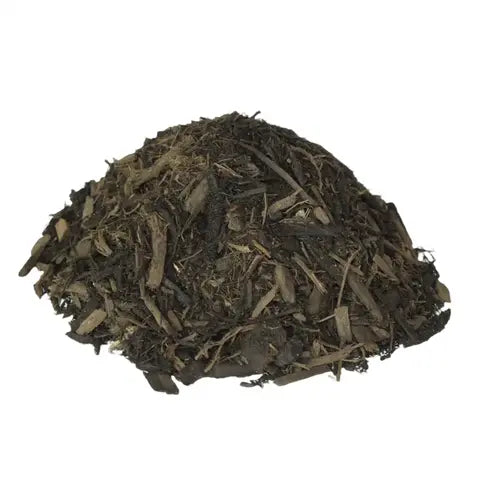
For homeowners who prefer an undyed, organic look, this double shredded natural brown mulch delivers a clean earthy appearance that suits the wooded lots and relaxed garden styles typical of this part of Kentucky. It breaks down over time to gently enrich the heavy clay soil common across the region.
Complete Your Outdoor Mulch Project
If you are building new beds alongside your mulch project, our bulk topsoil blends pair well with a fresh mulch layer to give Georgetown plants a nutrient-rich foundation from the start. Decorative stone is also a great low-maintenance complement for border edges and pathways around your mulched areas.

Service area
Areas we deliver mulch in Georgetown, Kentucky
Mulch Mound Pro Tip
Georgetown's silt loam forms a hard surface crust over winter, especially in exposed garden beds that receive repeated freeze-thaw cycles between November and March. Before spreading mulch in spring, loosen the top inch of soil with a garden rake to break up any compacted crust that formed over winter. This simple step dramatically improves how well the mulch bonds with the soil surface and allows spring moisture to penetrate instead of sheeting off.
Mulch Mound Pro Tip
If you are mulching around young trees in Georgetown, keep the mulch pulled back at least 3 inches from the bark and avoid the volcano mulch pile that is unfortunately common in many local yards. Georgetown's warm and humid summers create conditions where bark-to-mulch contact encourages fungal growth and insect activity that can damage root flares on young trees. A flat donut shape extending 2 to 3 feet out from the trunk base is the most effective and protective method.
Mulch Mound Pro Tip
Georgetown's 45 inches of annual rainfall is spread fairly evenly across the calendar but late summer storms can be heavy and fast-moving. A 3-inch mulch depth acts as a buffer that slows surface runoff and gives silt loam more time to absorb water during those intense rain events instead of letting it carry topsoil away. Check your mulch depth after major storms and redistribute any displaced material to maintain consistent coverage across the entire bed.
The Unique Landscape of Georgetown
Georgetown's silt loam soil has a naturally fine texture that forms a hard surface crust after heavy rain, and with 45 inches of annual rainfall moving through the area each year, exposed beds lose their open structure fast. A consistent mulch layer absorbs the impact of rainfall before it can compact the soil surface, keeping plant roots supplied with air and water even through Georgetown's wetter stretches. With the last frost typically clearing around April 15 and the first frost returning near October 28, Georgetown gardeners have a meaningful growing window that benefits from soil temperature regulation at both ends of the season. Hardwood mulch is especially effective here because it slowly breaks down into organic matter that feeds the silt loam and improves its drainage over time. Without a protective mulch layer, Georgetown's warm and humid summers accelerate weed seed germination in the loose, fine-grained topsoil, turning a clean bed into a maintenance problem within a few weeks.