




Ordered Dirt. Received Dirt. Would Buy Again.
About this soil
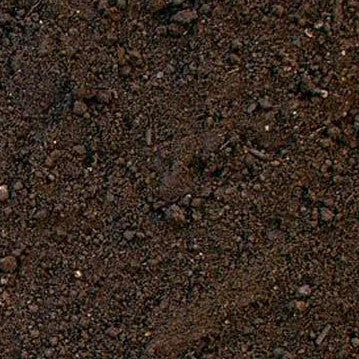
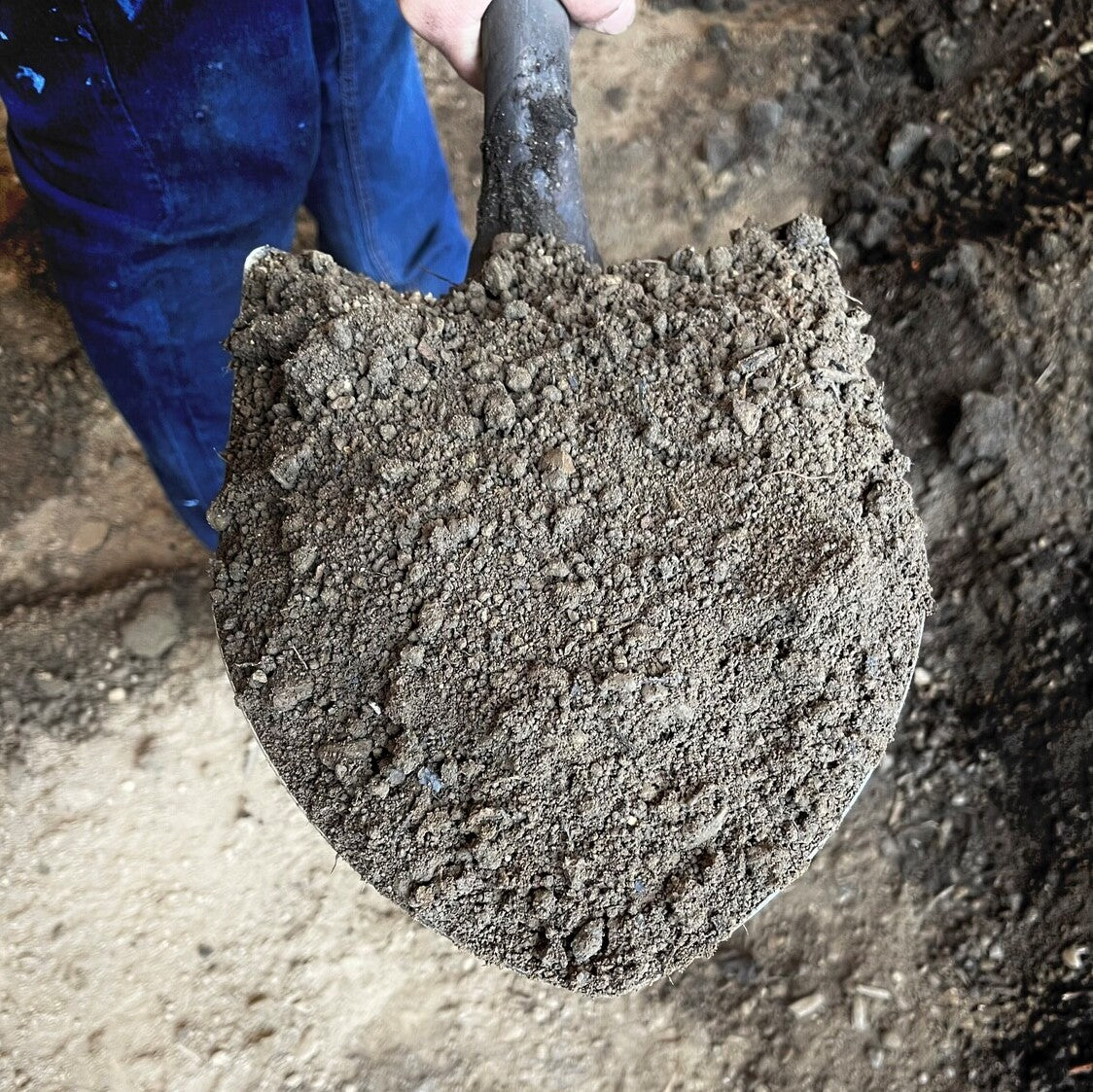
Quality topsoil for lawns, gardens, and landscape projects. Nutrient rich and ready to support strong root development and healthy plant establishment.
Ordered Dirt. Received Dirt. Would Buy Again.
Tell us what you're looking for
Thanks! We received your request.
Something went wrong. Please try again.
How Much Material Do I Need?
How Much Material Do I Need?
For garden bed preparation on top of Georgetown's native silt loam, plan on 4 to 6 inches of quality topsoil to give plant roots a nutrient-rich transition layer before they reach the denser native soil below.
Use our free soil calculator
What is a yard?
What is a yard?
FAQs
FAQs
Georgetown Soil Delivery
Georgetown Soil Delivery
Regular price
$64.00
per
yard
Regular price
Sale price
$64.00
Unit price
per
Shipping calculated at checkout.
Minimum of 3 yard
Couldn't load pickup availability
Not currently available
We can't take orders for this right now. Tell us what you need and we'll get back to you.
Hand-picked local yards
4,000+ regional deliveries
Dedicated support
Why order through Mulch Mound
The best local soil, without the guesswork.
We hand-pick and partner with the best yards in your region, keep only the ones our buyers rate well, and back each load with our guarantee.
Mulch Mound Guarantee
If your soil isn't the quantity or quality you ordered, we'll make it right.
About this soil
Quality topsoil for lawns, gardens, and landscape projects. Nutrient rich and ready to support strong root development and healthy plant establishment.
Ordered Dirt. Received Dirt. Would Buy Again.
How Much Material Do I Need?
How Much Material Do I Need?
For garden bed preparation on top of Georgetown's native silt loam, plan on 4 to 6 inches of quality topsoil to give plant roots a nutrient-rich transition layer before they reach the denser native soil below.
Use our free soil calculator
What is a yard?
What is a yard?
FAQs
FAQs
Tell us what you're looking for
Thanks! We received your request.
Something went wrong. Please try again.
How It Works
Getting started is easy — just follow these simple steps
1
Choose your soil
Make sure you adjust the quantity to your home's needs. You can use our calculator to estimate how much you'll need.
2
Select your delivery date
Select a delivery date you'd like for the product to be dropped off at your home
3
Sit back and wait
Sit back, wait, and let us work our magic to make sure the highest quality product is delivered to your driveway.


Placing an order online was so easy. Delivery was on time. When the driver realized we had a newly poured driveway they erred on the side of cautio...
Read full review
Placing an order online was so easy. Delivery was on time. When the driver realized we had a newly poured driveway they erred on the side of caution and opted not ti drive in it. The company even sent me a message explaining that call. Would recommend!
Need Help Calculating How Much Soil You Need?
Use our NEW Trace from Satellite tool to get an estimate for your project based on an aerial view of your property
Try Our CalculatorMeasure the length and width of each area you plan to fill or top-dress separately, then calculate square footage before entering your target depth into the calculator. For Georgetown projects involving grade correction, add 15 to 20 percent to your base estimate since silt loam subgrade often has subtle low spots that are hard to identify until the soil is actually spread across the area.
Soil Types We Deliver in Georgetown
Georgetown homeowners and landscapers count on us for bulk topsoil by the yard in Georgetown, delivered straight to your driveway or job site. Whether you are filling raised beds, grading a new lawn, or refreshing tired garden areas, we make it easy to get the right soil in the right quantity. We deliver by the cubic yard so you only pay for what your project actually needs.
Screened Top Soil
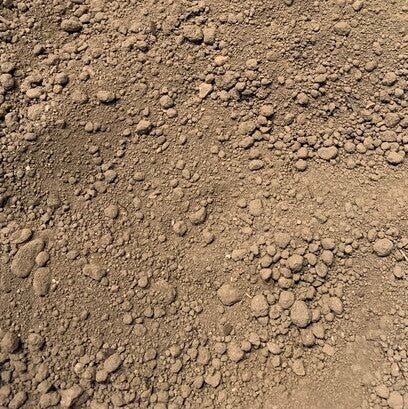
Our screened topsoil is processed to remove rocks, roots, and clumps, giving you a clean and workable base that spreads evenly across Kentucky's varied terrain. It is nutrient rich and well suited for establishing new lawns, filling garden beds, or supporting healthy root development in the clay-heavy soils common across this part of the state.
Complete Your Outdoor Soil Project
Once your beds are filled and graded, a layer of bulk mulch over the topsoil will protect your investment from Georgetown's frequent rainfall and prevent the surface from crusting between waterings. Decorative stone works well for edging and pathways around filled garden areas to finish the project cleanly.

Service area
Areas we deliver soil in Georgetown, Kentucky
Mulch Mound Pro Tip
Georgetown's silt loam compacts quickly when worked while wet, so timing your soil spreading for a stretch of dry days makes a significant difference in the end result. After a rain event, wait at least two days before spreading and raking topsoil, otherwise the traffic from wheelbarrows and foot movement will compress the new soil before it has a chance to settle naturally. This one timing adjustment dramatically affects how well roots penetrate and spread through the new soil layer.
Mulch Mound Pro Tip
If you are using bulk soil to level your Georgetown lawn, resist the temptation to add more than 1 inch at a time over existing grass. Silt loam topsoil spread too thickly over living turf can suffocate grass crowns, especially during Georgetown's hot and humid July and August when turf is already under heat stress. Work in thin layers and give each application a few weeks to integrate before considering another round of topdressing.
Mulch Mound Pro Tip
For raised beds in Georgetown, blending bulk topsoil with compost at roughly a 70 to 30 ratio creates a mix that drains well through the area's 45 inches of annual rainfall while still holding enough moisture and nutrients for vegetable crops. Georgetown's frost-free growing window from mid-April to late October is generous, and beds built with this ratio will support multiple plantings within the same season without requiring constant soil amendment between crops.
The Unique Landscape of Georgetown
Georgetown sits at 846 feet of elevation with silt loam as the dominant native soil type, which means most residential lots have a workable base but one that compacts under construction traffic and heavy rainfall over time. Bulk topsoil allows Georgetown homeowners to build up grade, fill low spots that collect standing water after the area's frequent rain events, and create raised beds with nutrient-dense growing conditions from the start. With 45 inches of rain per year, drainage is a real concern across the city, and a quality topsoil blend with good organic content helps water move through the root zone instead of pooling at the surface. Because Georgetown's last frost typically falls around April 15, having beds prepared and filled with fresh soil by late March puts gardens in position to plant right when conditions allow. Silt loam is fertile but benefits enormously from added organic topsoil in areas where existing soil has been disturbed, compacted, or depleted through years of lawn use and foot traffic.