About this mulch

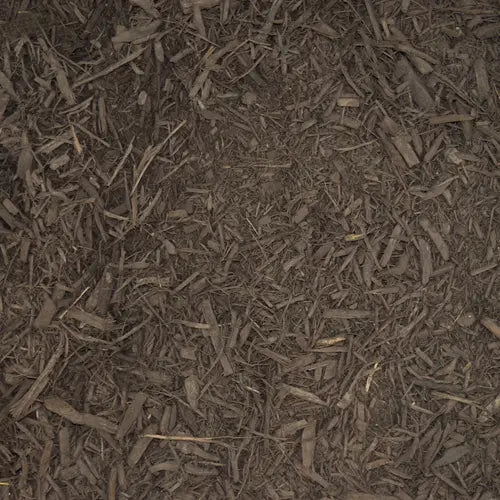
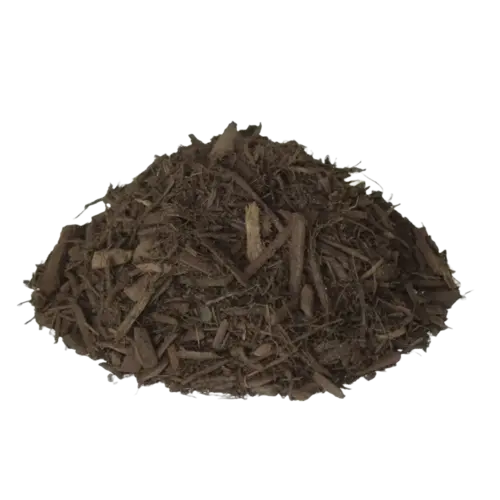
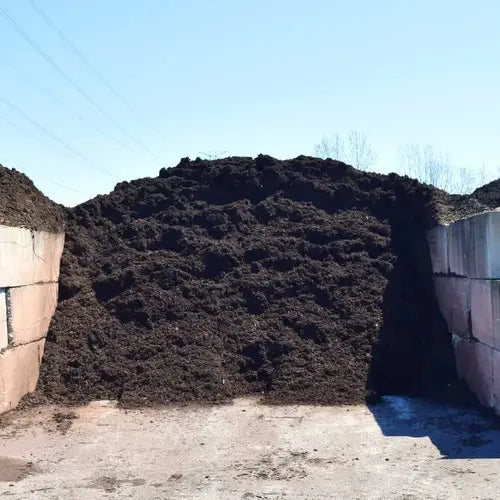
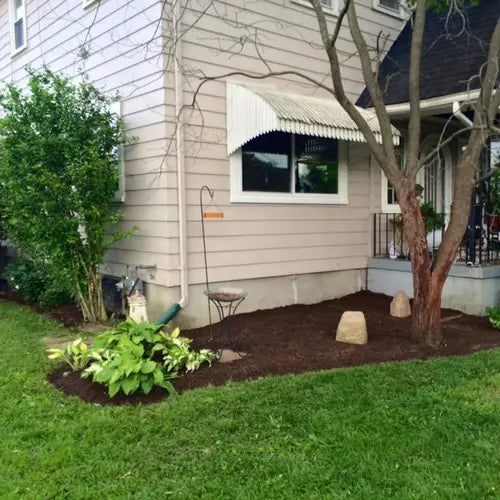
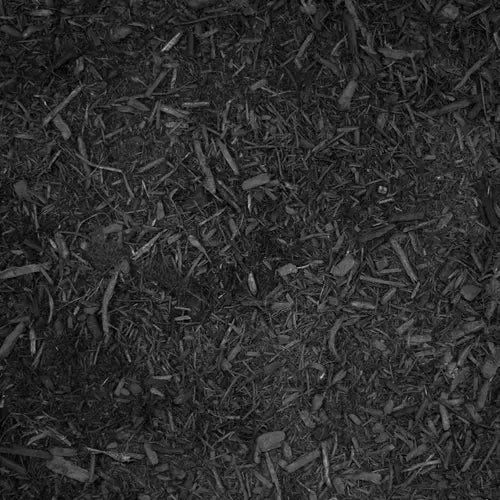
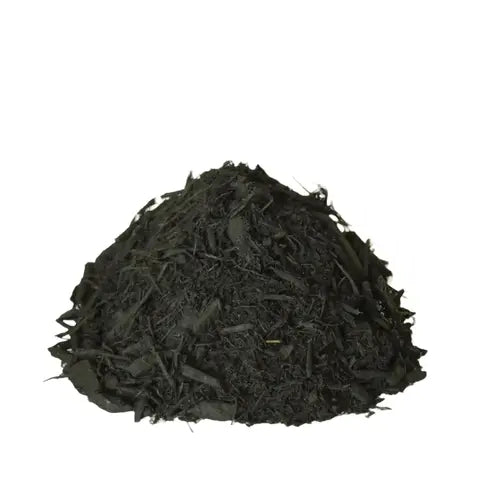
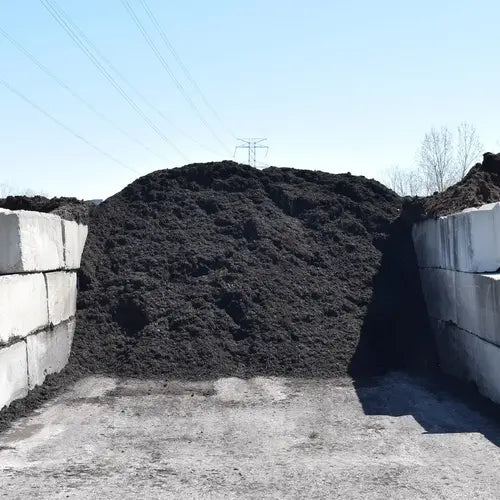
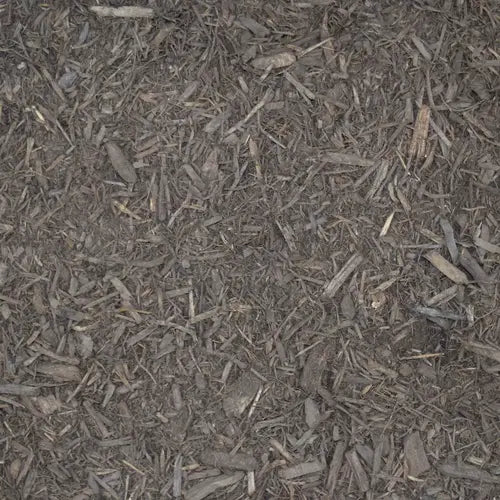
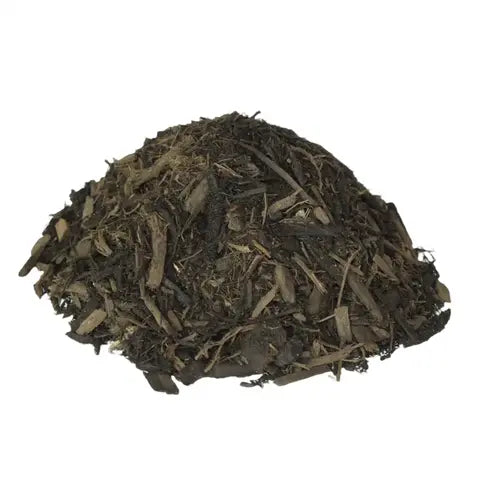
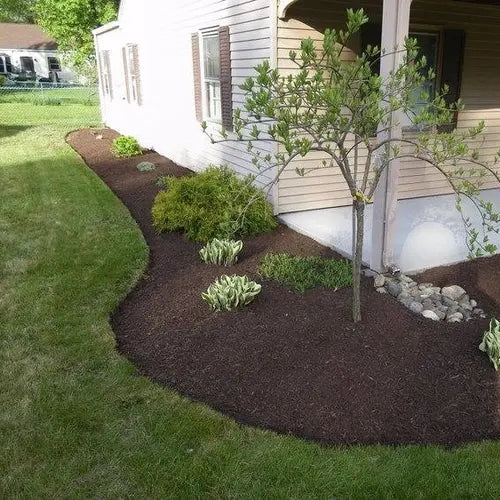
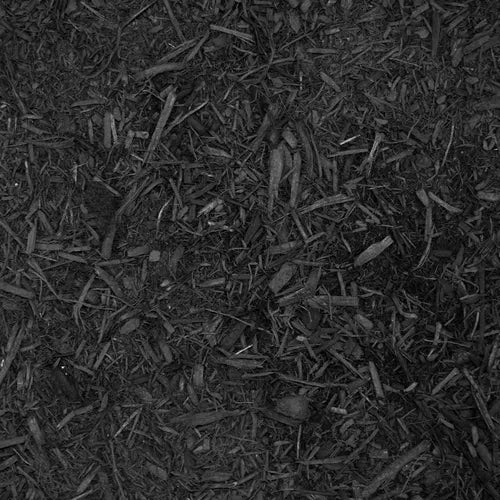
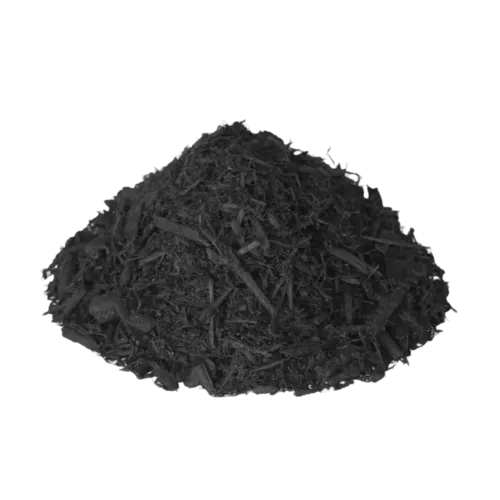
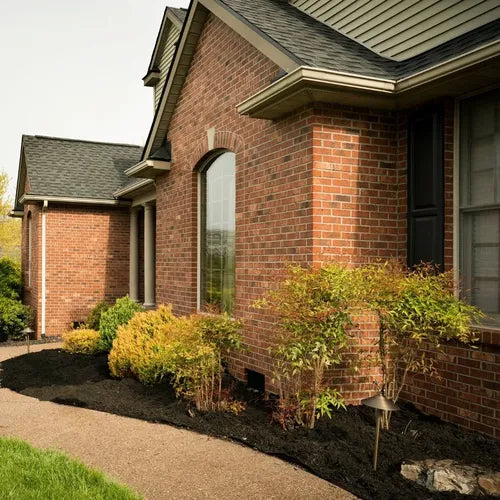
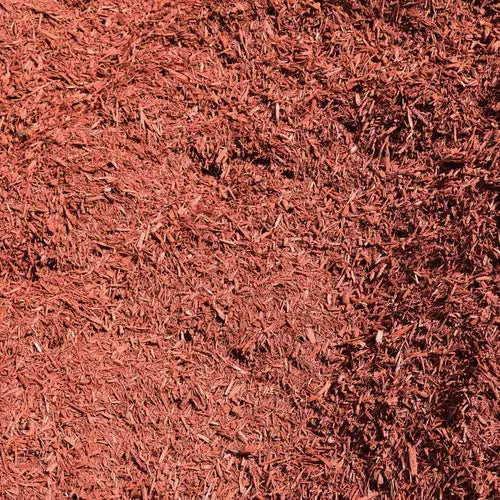
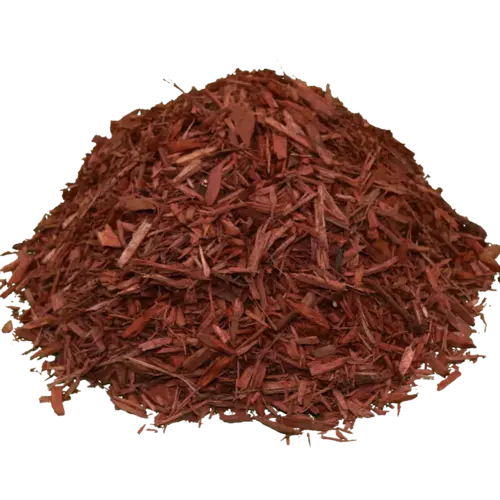
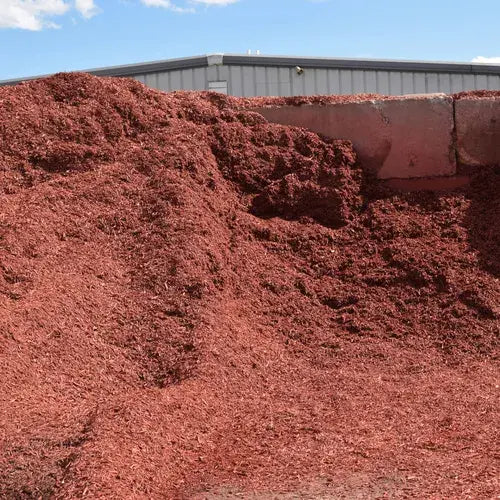
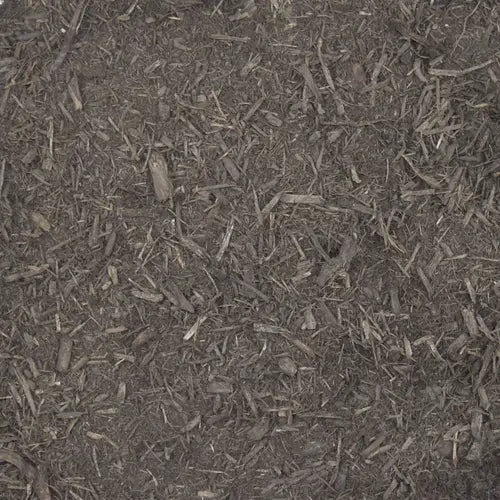
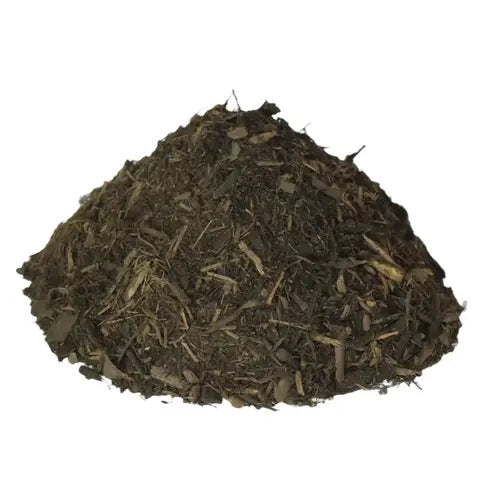
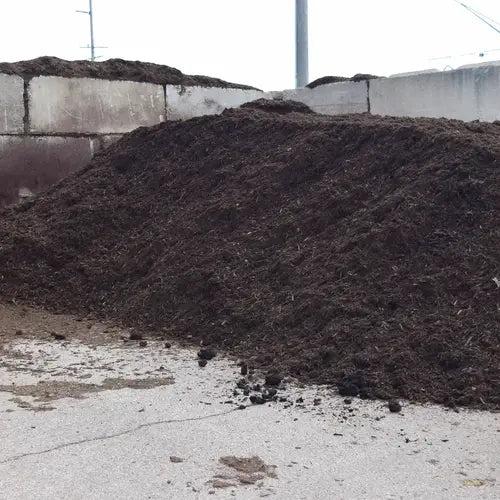
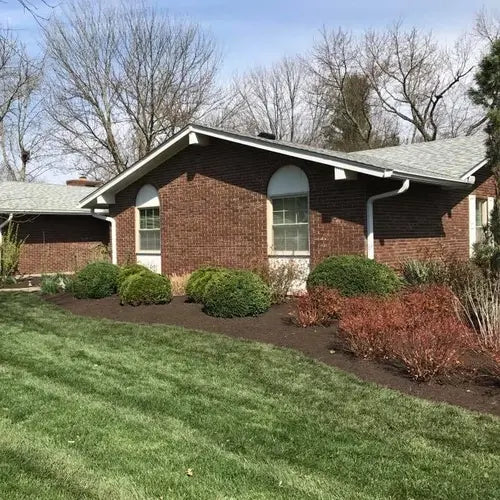
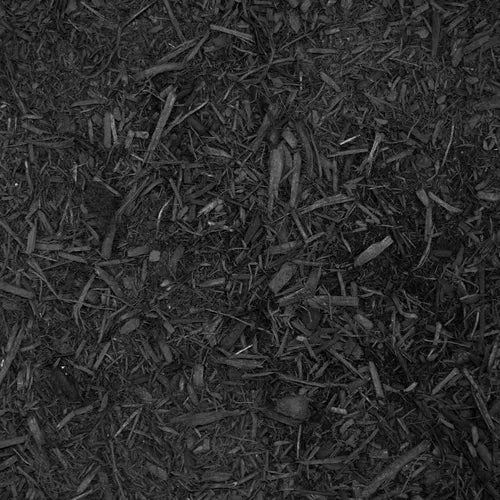
Warm brown double shredded mulch with lasting color that looks freshly applied for weeks. Spreads smooth, stays put, and gives beds a natural, polished appearance.

UPDATE!

I can’t say enough good things about Mulch Mound! If you read my review below you will see I had a problem with my order. Mulch Mound was quick to respond and solved the issue with my delivery. Will definitely be a customer next year.

First time purchase...

For most Greenlawn planting beds over sandy loam, a 3-inch application depth strikes the right balance between moisture retention and airflow. Areas with established shrubs or tree rings can often get by with 2 to 2.5 inches if they are already shaded naturally.
Use our free mulch calculator

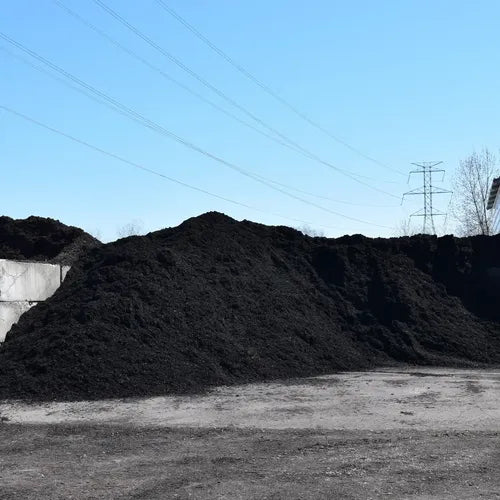
A yard is approximately 27 cubic feet. As a general guideline, one yard of material can cover an area of about 100-160 square feet at a 2-3 inch depth.

Greenlawn Mulch Delivery

Greenlawn Mulch Delivery

4.7
137 reviews
Regular price $55.00 per yard
Regular price Sale price $55.00
Sale Sold out
Color
Style
Minimum of 3 yard
Hand-picked local yards
4,000+ regional deliveries
Dedicated support
Why order through Mulch Mound

The best local mulch, without the guesswork.

We hand-pick and partner with the best yards in your region, keep only the ones our buyers rate well, and back each load with our guarantee.

Mulch Mound Guarantee

If your mulch isn't the quantity or quality you ordered, we'll make it right.

About this mulch

Warm brown double shredded mulch with lasting color that looks freshly applied for weeks. Spreads smooth, stays put, and gives beds a natural, polished appearance.

UPDATE!

I can’t say enough good things about Mulch Mound! If you read my review below you will see I had a problem with my order. Mulch Mound was quick to respond and solved the issue with my delivery. Will definitely be a customer next year.

First time purchase...

For most Greenlawn planting beds over sandy loam, a 3-inch application depth strikes the right balance between moisture retention and airflow. Areas with established shrubs or tree rings can often get by with 2 to 2.5 inches if they are already shaded naturally.
Use our free mulch calculator

A yard is approximately 27 cubic feet. As a general guideline, one yard of material can cover an area of about 100-160 square feet at a 2-3 inch depth.

View full details

How It Works

Getting started is easy — just follow these simple steps

1

Choose your Mulch

Make sure you adjust the quantity to your home's needs. You can use our calculator to estimate how much you'll need.

2

Select your delivery date

Select a delivery date you'd like for the product to be dropped off at your home

3

Sit back and wait

Sit back, wait, and let us work our magic to make sure the highest quality product is delivered to your driveway.

What Greenlawn Customers Are Saying

4.7
out of 5 based on 137 reviews
Google Reviews

Calculate mulch for your Greenlawn project

For Greenlawn's Sandy Loam type of soil, we recommend 2-3 inches for best weed suppression and moisture retention

Try Our Calculator
📍

Measure the length and width of each bed in feet and multiply to get square footage, then add up all your beds before calculating your total. For Greenlawn's sandy loam, we recommend targeting a 3-inch depth, which means you will need about 1 cubic yard for every 108 square feet of bed space. Having a small overage on hand is always useful since sandy soil areas can settle slightly after the first few rains.

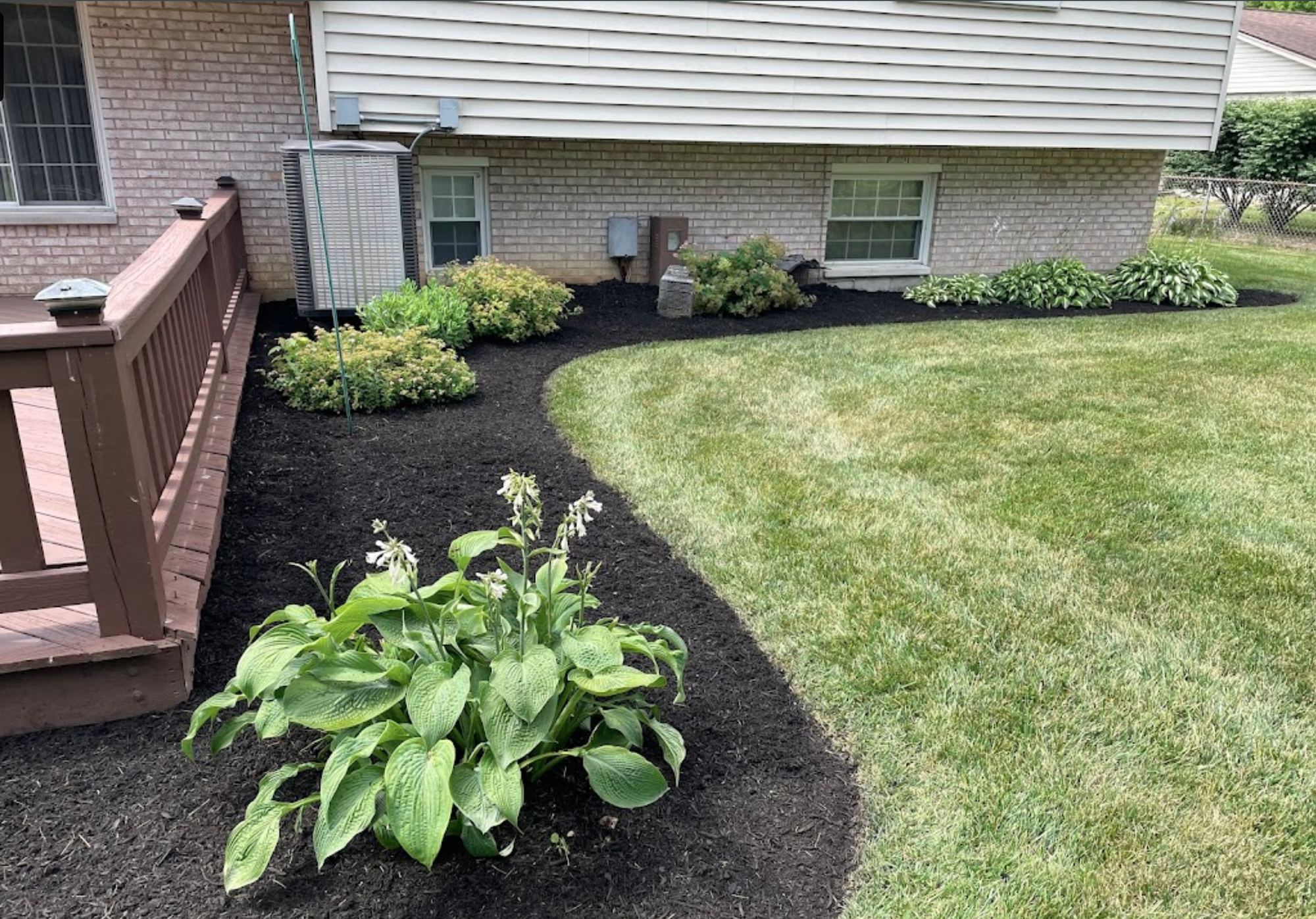
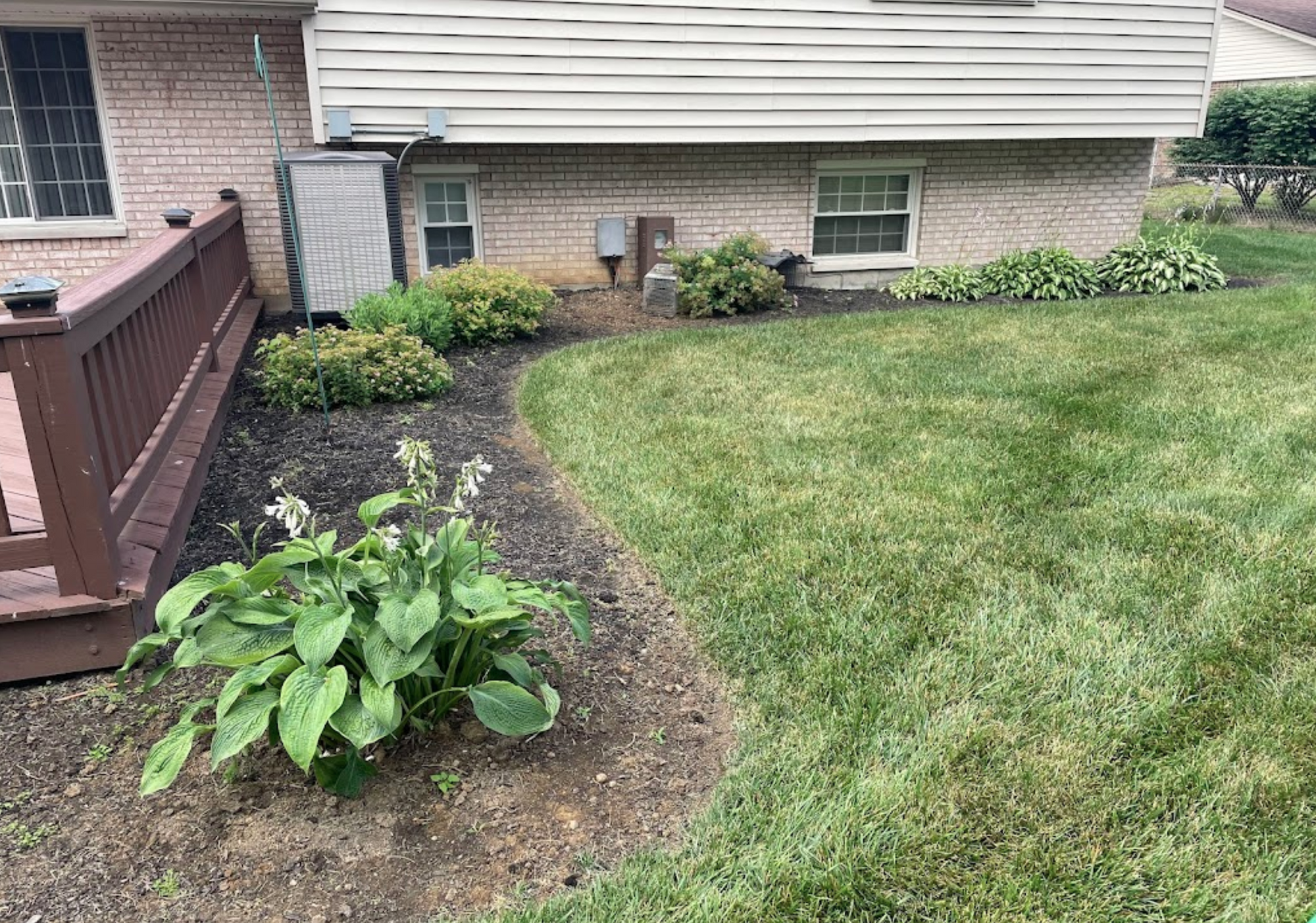
Mulch vs. No Mulch: The Difference

Greenlawn's combination of warm Zone 7b summers and 45 inches of annual rainfall means natural hardwood mulch breaks down at a moderate pace, feeding the sandy loam below while maintaining good coverage through the season. Dyed or colored mulch uses a more processed wood base that resists decomposition longer, keeping its appearance intact through summer rains but contributing less organic matter to the soil over time. For beds where you want both visual appeal and soil improvement, many Greenlawn gardeners alternate between a natural hardwood refresh one year and a dyed top-coat the next.

Before image
After image
Slider handle
Before
After

Mulch Types We Deliver in Greenlawn

Mulch Mound makes bulk mulch delivery in Greenlawn easy, bringing fresh material by the cubic yard straight to your driveway or job site. Long Island's sandy loam soil benefits from a generous mulch layer to hold moisture and steady soil temperature through humid summers and cold winters.

Dyed Black Mulch

Dyed black mulch is one of the most requested colors on Long Island, available in double shredded or triple shredded styles. The rich, dark finish creates strong contrast in beds around the foundation plantings and perennials common to homes in this area, and the color holds well through warm, humid summers.

Natural Brown Mulch

Natural brown mulch suits homeowners who prefer a clean, earthy look without added colorants. Available in double shredded or triple shredded, it breaks down gradually to enrich the sandy soil common across Long Island, adding organic matter while keeping moisture locked in around shrubs, perennials, and garden borders through the growing season.

Dyed Brown Mulch

Dyed brown mulch delivers the warm, polished look of natural wood with color that stays fresher longer through the season. It comes in double shredded or triple shredded, making it easy to spread across flat or sloped beds. A popular choice for Colonial and ranch-style homes common throughout this part of New York.

Cedar Mulch

Cedar mulch is a natural fit for Long Island gardens where insects and soil pests can be a seasonal concern. Its aromatic oils act as a mild deterrent, and the fine, slow-decomposing fiber holds its shape through wet springs and hot summers. Available in double shredded only.

Complete Your Outdoor Mulch Project

If your beds need more than a top-off, consider pairing mulch with a quality bulk topsoil to rebuild the planting layer before you mulch. Decorative stone works well alongside mulch for border edging or transition zones where Greenlawn's spring rains tend to cause surface washing.

Map of Greenlawn, New York

Areas we deliver mulch in Greenlawn, New York

No cities found for this region.

See All Locations
Mulch Mound Pro Tip

In Greenlawn, spring soil temperatures in sandy loam rise faster than in heavier soils, which means weed seeds germinate earlier than you might expect. Getting mulch down right after April 3 gives you a head start before those seeds can establish. Aim to finish mulching within the first two weeks of April to cover the most critical early-season germination window and reduce hand-weeding throughout the summer months.

Mulch Mound Pro Tip

Greenlawn's growing season runs about seven months, from early April through early November, which gives organic mulch time to partially decompose and feed the sandy loam below. Rather than removing old mulch each year, rake it lightly into the soil surface to add organic matter and then apply a fresh layer on top. This practice gradually improves nutrient retention in sandy loam, which naturally leaches minerals faster than clay or silt-based soils.

Mulch Mound Pro Tip

With 45 inches of annual rainfall, Greenlawn landscapes receive enough precipitation to compress and mat mulch layers over the course of a season. Check bed depth in midsummer and again in late September. If layers have compacted below 2 inches, a light fluffing with a rake restores airflow and prevents the dense surface crust that can actually shed water rather than absorb it during heavy late-summer storms.

Frequently Asked Questions

Click a question to see the answer

Answer

How thick should I apply mulch in Greenlawn given our sandy soil?

Because Greenlawn's sandy loam drains so freely, we recommend a full 3-inch layer in most planting beds. That depth holds enough moisture to offset how quickly water moves through the soil profile, without sitting wet against plant stems. In shadier spots that stay damp naturally, 2 inches is usually sufficient.

Answer

Will mulch break down too fast in Greenlawn's summer heat?

Zone 7b summers in Greenlawn are warm and humid enough to accelerate decomposition of finer mulch types. Hardwood bark and double-shredded hardwood hold their structure through the full growing season better than fine wood chips. Plan on topping off beds each spring, ideally in mid to late April after the last frost date around April 3.

Answer

Does colored mulch hold up well with the amount of rain we get here?

With roughly 45 inches of rain per year, Greenlawn landscapes do see some color fading, particularly after heavy spring storms. Dyed mulches that use colorfast pigments typically maintain their look for a full season. Placing mulch away from direct runoff channels helps preserve the color longer between deliveries.

Answer

When is the best time of year to mulch my beds in Greenlawn?

The ideal window is right after your last frost, which falls around April 3 in Greenlawn. Applying mulch at that point locks in soil warmth, suppresses the first wave of spring weeds, and gives beds a clean look heading into the growing season. A second light top-up in late October, just before the November 1 first frost, helps insulate perennial roots through winter.

Answer

Can I use mulch to help fix the weedy spots along my fence line?

Absolutely. A 3 to 4 inch layer of mulch along fence lines is one of the most practical weed control steps for Greenlawn properties. The sandy loam underneath does not compact as tightly as clay-based soils, so weeds that do germinate are easier to pull. Pair the mulch with a fabric barrier for truly persistent problem areas.

Answer

Does mulch attract pests that could damage plants in my area?

In Greenlawn, the main concern is keeping mulch pulled back an inch or two from woody plant stems, where moisture can encourage fungal issues in our humid summers. Hardwood mulch is less hospitable to termites and grubs than pine mulch when applied correctly. Keeping layers at the recommended depth and away from foundations reduces any pest risk significantly.

Answer

How much mulch do I typically need for a standard Greenlawn property?

A typical Greenlawn home with modest foundation beds and a few garden areas often needs between 3 and 5 cubic yards per refresh. If you have larger curved beds or extensive landscaping, 6 to 8 yards is a more realistic estimate. Our calculator on the product page helps you measure your exact square footage and choose the right quantity.

The Unique Landscape of Greenlawn

Greenlawn's sandy loam soil drains quickly, which means plant beds can dry out faster than homeowners expect, especially during the stretch between spring rains and summer heat. A well-applied layer of mulch slows that evaporation, keeping roots cooler and reducing how often you need to water during July and August. With 45 inches of annual rainfall spread unevenly across the year, mulch also buffers against soil compaction and surface erosion during heavy spring downpours. The growing season in Greenlawn runs from early April through the end of October, giving mulch nearly seven months to work as a weed barrier and insulator. Organic mulches break down at a moderate pace in Zone 7b conditions, gradually feeding the sandy loam and improving its ability to hold nutrients over time.