




I needed 3 yards of top soil and that's what I got! Right on time and right where I asked it to be placed (Order# 2041).
About this soil
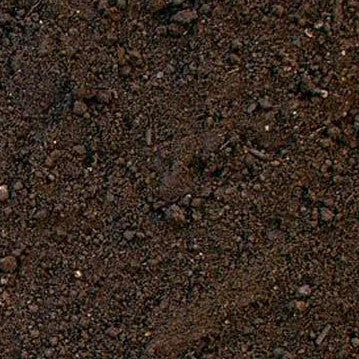
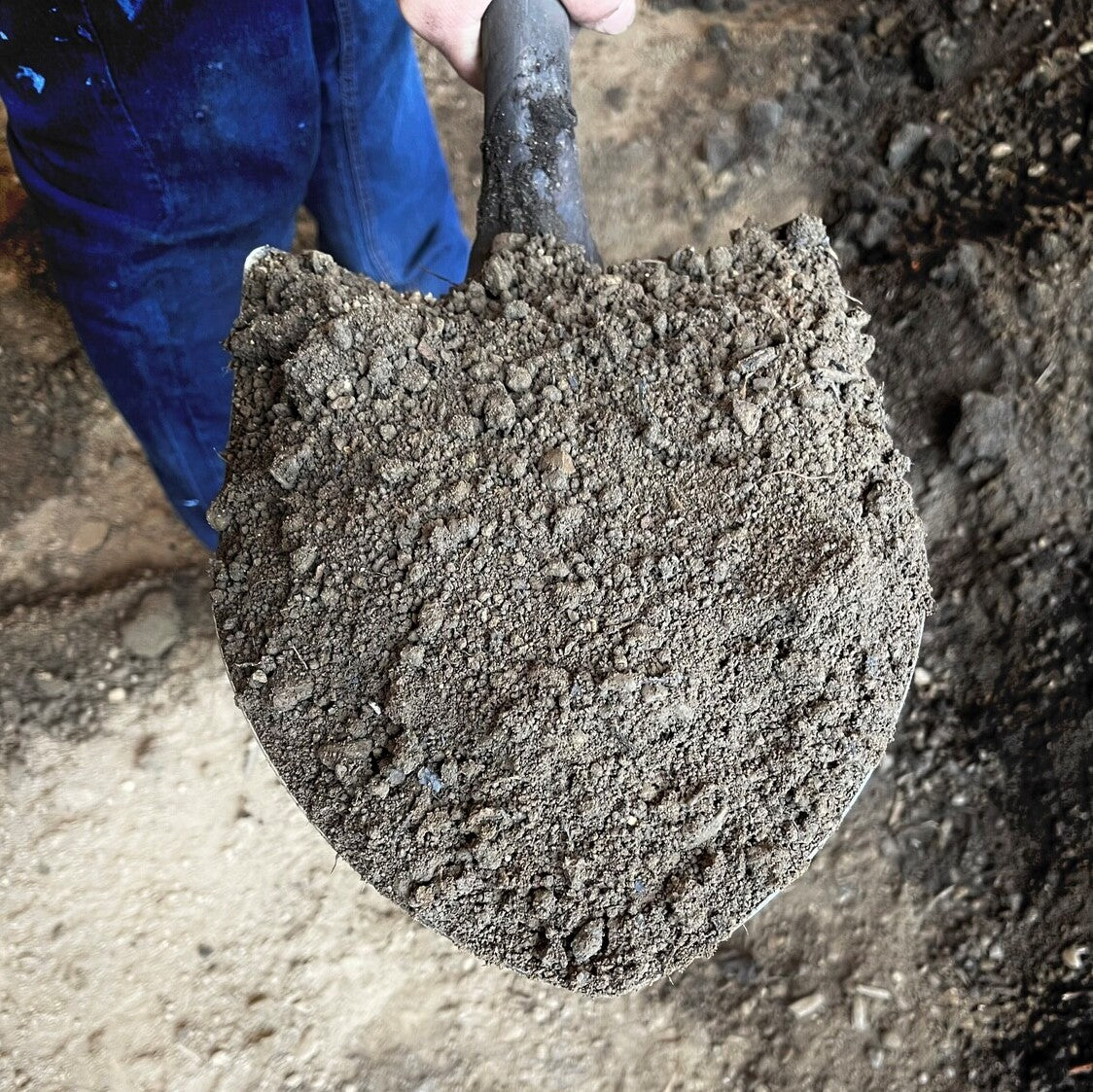
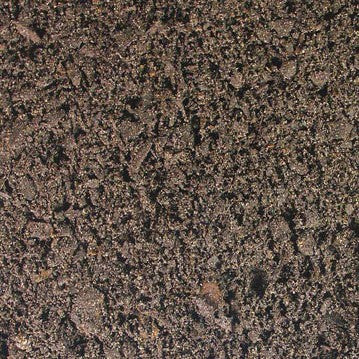
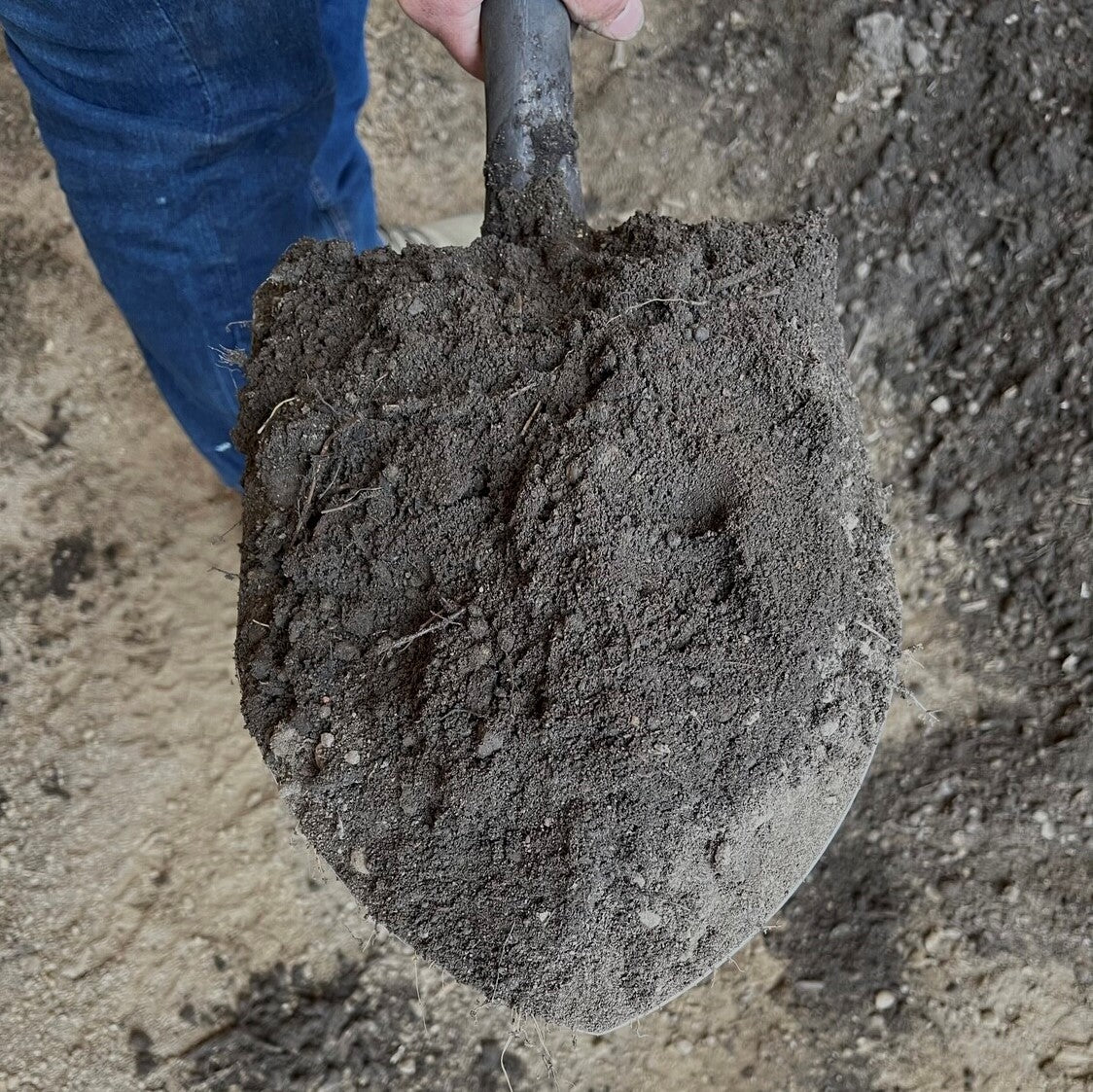
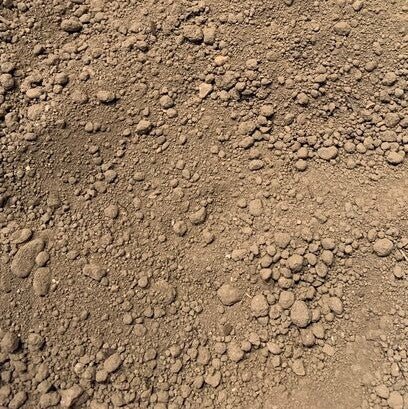
Quality topsoil for lawns, gardens, and landscape projects. Nutrient rich and ready to support strong root development and healthy plant establishment.
I needed 3 yards of top soil and that's what I got! Right on time and right where I asked it to be placed (Order# 2041).
Tell us what you're looking for
Thanks! We received your request.
Something went wrong. Please try again.
How Much Material Do I Need?
How Much Material Do I Need?
For lawn leveling over Greenlawn's sandy loam, a 1 to 2 inch topdressing is typically sufficient to fill low spots without smothering existing grass. New garden beds benefit from a full 6-inch layer to give roots a nutrient-rich zone above the native sandy layer.
Use our free soil calculator
What is a yard?
What is a yard?
FAQs
FAQs
Greenlawn Soil Delivery
Greenlawn Soil Delivery
Regular price
$43.00
per
yard
Regular price
Sale price
$43.00
Unit price
per
Shipping calculated at checkout.
Couldn't load pickup availability
Not currently available
We can't take orders for this right now. Tell us what you need and we'll get back to you.
Hand-picked local yards
4,000+ regional deliveries
Dedicated support
Why order through Mulch Mound
The best local soil, without the guesswork.
We hand-pick and partner with the best yards in your region, keep only the ones our buyers rate well, and back each load with our guarantee.
Mulch Mound Guarantee
If your soil isn't the quantity or quality you ordered, we'll make it right.
About this soil
Quality topsoil for lawns, gardens, and landscape projects. Nutrient rich and ready to support strong root development and healthy plant establishment.
I needed 3 yards of top soil and that's what I got! Right on time and right where I asked it to be placed (Order# 2041).
How Much Material Do I Need?
How Much Material Do I Need?
For lawn leveling over Greenlawn's sandy loam, a 1 to 2 inch topdressing is typically sufficient to fill low spots without smothering existing grass. New garden beds benefit from a full 6-inch layer to give roots a nutrient-rich zone above the native sandy layer.
Use our free soil calculator
What is a yard?
What is a yard?
FAQs
FAQs
Tell us what you're looking for
Thanks! We received your request.
Something went wrong. Please try again.
How It Works
Getting started is easy — just follow these simple steps
1
Choose your soil
Make sure you adjust the quantity to your home's needs. You can use our calculator to estimate how much you'll need.
2
Select your delivery date
Select a delivery date you'd like for the product to be dropped off at your home
3
Sit back and wait
Sit back, wait, and let us work our magic to make sure the highest quality product is delivered to your driveway.

Highest compliments. Great driver.
Website is easy to navigate. Just a seamless process. 5 stars!!

Need Help Calculating How Much Soil You Need?
Use our NEW Trace from Satellite tool to get an estimate for your project based on an aerial view of your property
Try Our CalculatorMeasure the length and width of each area in feet and multiply to find square footage, then decide on your target depth in inches before placing your order. For Greenlawn lawn leveling, a 1 to 2 inch topdressing requires about 1 cubic yard per 150 to 300 square feet. New planting beds at a 6-inch depth will need 1 cubic yard for roughly 50 square feet, so measuring carefully before ordering saves both time and cost.
Soil Types We Deliver in Greenlawn
Mulch Mound delivers bulk soil by the cubic yard throughout Greenlawn and the surrounding Long Island communities, bringing quality material directly to your driveway or job site. Whether you are repairing a thin lawn, filling raised beds, or starting a new garden from scratch, our soils arrive ready to work. We offer flexible quantities so you can order exactly what your project requires without waste.
Screened Top Soil
Our screened topsoil is a reliable foundation for lawns, planting beds, and grading work across Long Island properties. The screening process removes rocks and debris, leaving a fine, workable texture that settles evenly and supports strong root development. It suits both new lawn installations and filling low spots in existing yards.
Gardening Blend
This blended gardening soil combines topsoil and compost into a ready-to-plant mix that performs well in raised beds and new garden installations. Long Island's naturally sandy native soil benefits from the added organic matter, which helps retain moisture and nutrients throughout the growing season. A practical choice for homeowners starting a vegetable or flower garden.
Garden Compost
Our garden compost is a nutrient-rich organic amendment well suited for mixing into existing beds or layering as a top dressing. It builds healthy soil structure over time and improves water retention in the sandy soils common to this part of Long Island. A good choice for gardeners focused on long-term soil improvement.
Complete Your Outdoor Soil Project
Fresh topsoil works best when it is topped with a protective mulch layer, which prevents the surface from crusting during Greenlawn's dry summer stretches. Consider adding decorative stone borders around new beds to define edges and help manage the surface runoff that comes with our 45-inch annual rainfall.


Service area
Areas we deliver soil in Greenlawn, New York
Mulch Mound Pro Tip
When filling low spots in a Greenlawn lawn, resist the temptation to pile soil all at once. Apply in layers no deeper than 1 inch at a time, water each layer lightly, and allow it to settle before adding more. This approach prevents air pockets from forming in the sandy loam base beneath and gives grass roots a better chance to grow up through the new material rather than being buried and smothered by a deep single application.
Mulch Mound Pro Tip
If you are prepping a vegetable garden bed in Greenlawn, add your bulk topsoil in late September or early October before the first frost around November 1. Letting the soil settle and weather over winter improves its structure significantly by spring. The freeze and thaw cycles break up any clods, and the rains of fall and early spring help blend the new soil with the native sandy layer below.
Mulch Mound Pro Tip
Greenlawn's sandy loam is prone to nutrient leaching because rainfall moves through it quickly and carries soluble minerals deeper than plant roots can follow. When you bring in fresh topsoil, mix in a generous amount of compost to increase organic matter content before you plant. Higher organic matter slows nutrient movement, improves moisture retention, and gives beneficial soil microbes the food they need to keep the soil biology active throughout the full growing season.
The Unique Landscape of Greenlawn
Greenlawn's native sandy loam is workable and well-draining, but it lacks the organic depth and nutrient density that most garden beds, raised planters, and lawn renovation projects require. When you are grading a new bed, filling in low lawn spots, or building up a planting area from scratch, bringing in quality bulk topsoil gives you a foundation that the native soil alone cannot provide. Sandy loam also settles and compacts differently than mixed topsoil blends, so areas disturbed by construction or heavy foot traffic often develop drainage inconsistencies that fresh soil can correct. With Greenlawn's growing season running from early April through late October, having nutrient-rich, properly structured soil in place before planting gives roots the best possible start. The 45 inches of annual rainfall in this area also means that soil with poor structure will erode or shift over time, making proper soil preparation essential for long-term landscape stability.