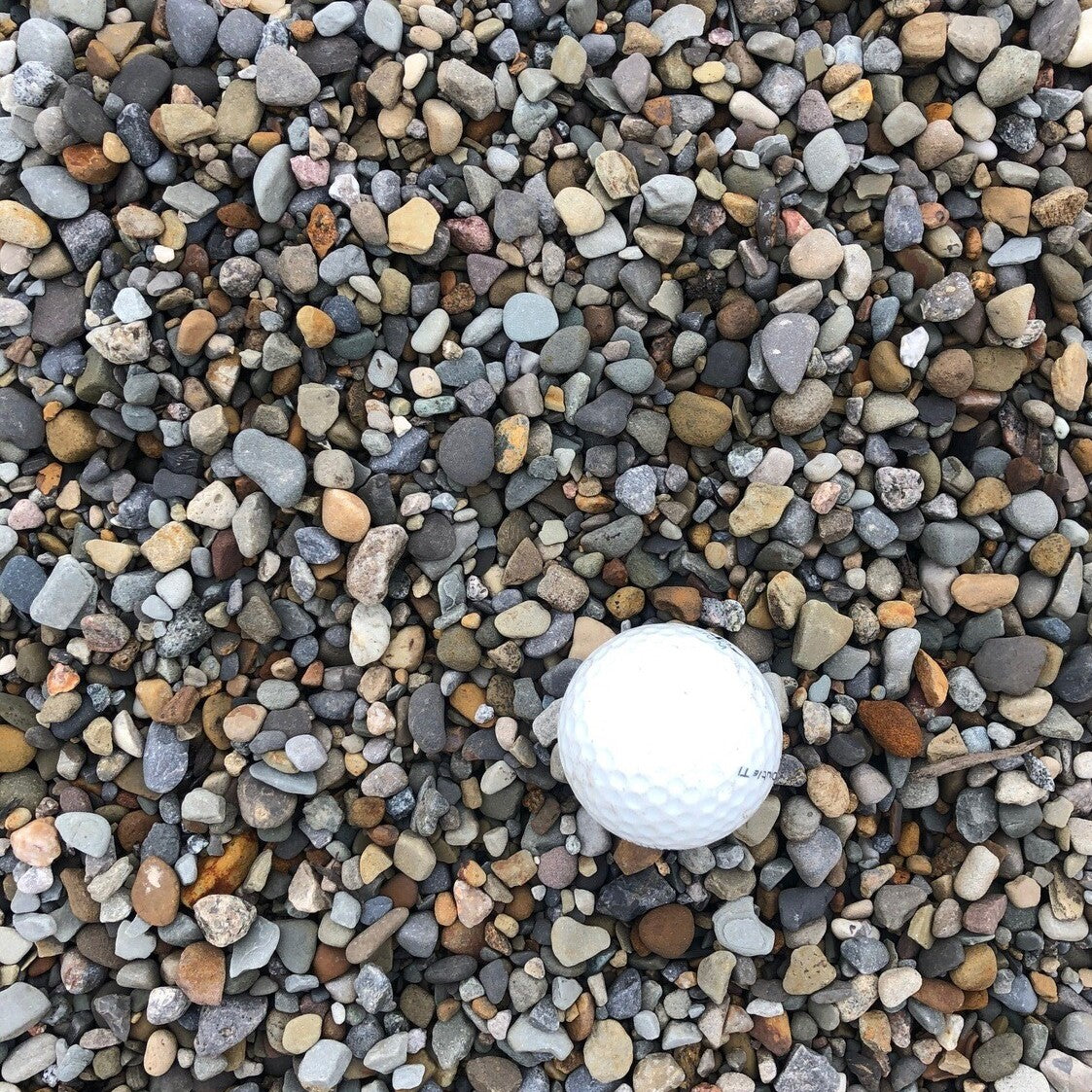
Classic pea gravel with smooth, rounded edges and natural earth tones. A versatile favorite for pathways, patios, drainage, and decorative ground cover.
I contacted Mulch Mound for #57 river rocks and it was easy and fast to get a delivery right before the holiday weekend. Stone was delivered as promised and place exactly where I asked. Excellent service! I will be ordering mulch next!
Classic pea gravel with smooth, rounded edges and natural earth tones. A versatile favorite for pathways, patios, drainage, and decorative ground cover.
I contacted Mulch Mound for #57 river rocks and it was easy and fast to get a delivery right before the holiday weekend. Stone was delivered as promised and place exactly where I asked. Excellent service! I will be ordering mulch next!
How Much Material Do I Need?
For pathways and drainage channels in Greenlawn, plan for 3 to 4 inches of depth to ensure stability through the freeze-thaw cycles common between November and April. Decorative border and accent applications typically need only 1 to 2 inches for full coverage of the sandy loam surface below.
Use our free stone calculator
What is a yard?
A yard is approximately 27 cubic feet. As a general guideline, one yard of material can cover an area of about 100-160 square feet at a 2-3 inch depth.
I contacted Mulch Mound for #57 river rocks and it was easy and fast to get a delivery right before the holiday weekend. Stone was delivered as pro...
Read full review
I contacted Mulch Mound for #57 river rocks and it was easy and fast to get a delivery right before the holiday weekend. Stone was delivered as promised and place exactly where I asked. Excellent service! I will be ordering mulch next!
To estimate stone coverage, measure the length and width of your area in feet and multiply for square footage, then decide on your installation depth before ordering. For pathway or drainage applications in Greenlawn, a 3-inch depth is standard, which works out to about 1 cubic yard per 108 square feet of coverage. For decorative surface applications only, a 1 to 2 inch layer is often sufficient and stretches your material further across larger areas.
Complete Your Outdoor Stone Project
Stone borders look their best when paired with fresh mulch in adjacent planting beds, creating a clean contrast that works well with Greenlawn's lush Zone 7b growing season. If drainage is part of your project, combining stone with quality topsoil for grading the surrounding areas ensures water moves away from structures effectively through every season.
In Greenlawn, one of the most underused applications for bulk stone is along the downhill side of sloped planting beds. Sandy loam on a slope loses surface material quickly during the heavy spring rains common in April and May. A row of larger cobblestones or a border of 1.5-inch crushed stone across the base of a slope acts like a small check dam, slowing water movement and keeping your topsoil and mulch in place throughout the wet season.
Mulch Mound Pro Tip
When installing a stone pathway on your Greenlawn property, take the time to remove the top 3 inches of soil and tamp the base before adding your stone. Greenlawn's sandy loam compacts fairly easily, giving you a firm sub-base that resists shifting. Skipping this step often leads to uneven surfaces after the first hard freeze in November, when water trapped under loose stone expands and disrupts the finished surface.
Mulch Mound Pro Tip
If you are using decorative stone around trees or large shrubs in Greenlawn, keep it at least 6 inches away from the trunk or main stem. Stone holds heat and can alter soil moisture levels directly at the base of the plant during our hot, humid summers. A small circle of mulch closest to the trunk, with stone used as a decorative ring around the outside edge, gives you the visual impact you want without creating the root stress that can weaken established plants over time.
The Unique Landscape of Greenlawn
Decorative and functional stone is one of the most durable landscaping investments a Greenlawn homeowner can make, requiring virtually no seasonal maintenance once it is properly installed. Greenlawn's 45 inches of annual rainfall makes erosion control a real concern, particularly on sloped properties or along foundation borders where sandy loam can wash and shift over time. Stone pathways, drainage channels, and garden borders provide a permanent structure that holds up through wet springs, summer storms, and the freeze-thaw cycles that occur between November and April. Unlike organic materials, stone does not break down in Zone 7b conditions or require annual replenishment, making it a cost-effective choice for high-traffic areas and low-maintenance landscape zones. The sandy loam soil common in Greenlawn provides a stable, free-draining base for stone installation, which means most DIY stone projects can be completed without major excavation or extensive base preparation work.
Frequently Asked Questions
Click a question to see the answer
Answer
What type of stone works best for a backyard pathway in Greenlawn?
Pea gravel and crushed stone are both popular for Greenlawn pathways because they compact well over the sandy loam base that is common in this area. Crushed stone in a 3/4-inch size creates a firm, stable surface that stays in place better during heavy rains. Pea gravel offers a softer look and feel but may require occasional raking to redistribute after significant storms roll through.
Answer
Will stone help with the drainage issues in my yard?
Stone is one of the most effective drainage solutions for Greenlawn properties. A French drain or dry creek bed filled with washed river stone or crushed gravel can redirect surface water away from foundations and low-lying areas where sandy loam becomes oversaturated during heavy spring rains. Stone channels move water efficiently without the erosion issues that come with bare soil swales.
Answer
How deep should I install stone for a gravel driveway or parking area?
For a gravel driveway over Greenlawn's sandy loam, a 4-inch base of compacted crushed stone is a reliable minimum. Because sandy loam drains freely, you typically do not need the deep base required in clay-heavy soils, but 4 inches provides enough depth to resist rutting from vehicle weight and to handle freeze-thaw movement between November and April. A layer of landscape fabric beneath the stone helps prevent migration down into the native soil over time.
Answer
Can I use decorative stone around my foundation to manage water runoff?
Yes, and this is a particularly smart move for Greenlawn properties given the 45 inches of annual rainfall. A 12 to 18 inch border of river stone or crushed gravel around your foundation slows runoff, reduces splash-back against siding, and prevents the erosion that can undermine foundation plantings over time. Make sure the grade still slopes away from the house before you install the stone border.
Answer
What is the difference between river stone and crushed stone for landscaping?
River stone is smooth and rounded, which makes it excellent for decorative applications like garden borders, dry creek beds, and accent areas in Greenlawn landscapes. Crushed stone has angular edges that lock together when compacted, making it better suited for pathways, driveways, and drainage applications where stability under foot or vehicle traffic matters. Both perform well over Greenlawn's sandy loam base.
Answer
How do I keep decorative stone from spreading into my lawn?
Edging is the key. In Greenlawn, plastic or metal landscape edging installed at a 3 to 4 inch depth keeps stone contained along bed and pathway borders, even after heavy rains shift surface material. Bender board edging is a popular choice because it curves cleanly around the rounded bed shapes common in this area. Without a solid edge, stone will migrate into the lawn, especially along slopes where our spring rainfall creates consistent surface flow.
Answer
Does stone get too hot in summer to use near plants in Greenlawn?
Light-colored stones like buff limestone or white marble chips reflect more heat and are safer choices near delicate plantings in Greenlawn's Zone 7b summers. Dark crushed stone and black lava rock can absorb significant heat and raise soil temperatures near roots during July and August. For decorative stone adjacent to perennial beds or foundation shrubs, stick to lighter tones or leave a small buffer of mulch between the stone and plant stems.