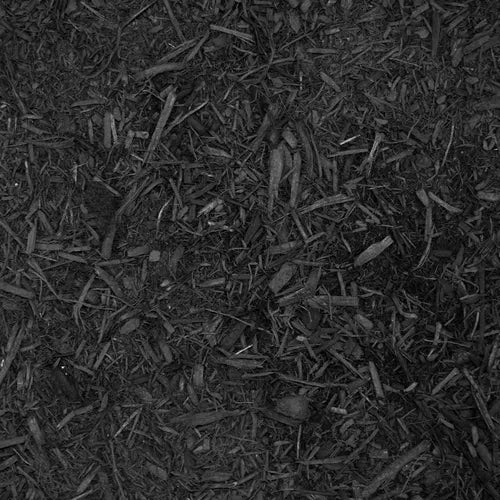
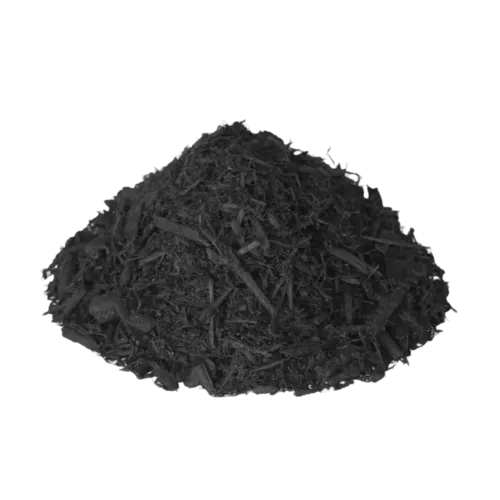
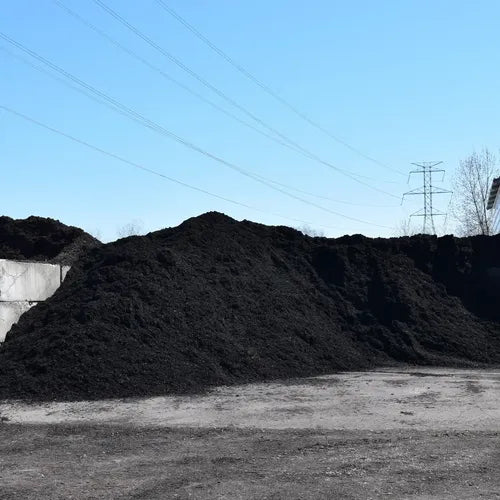
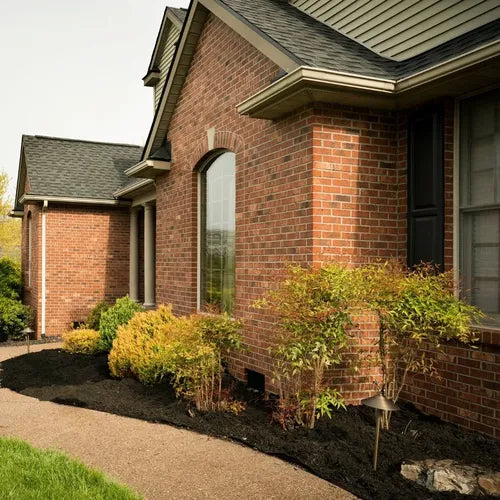
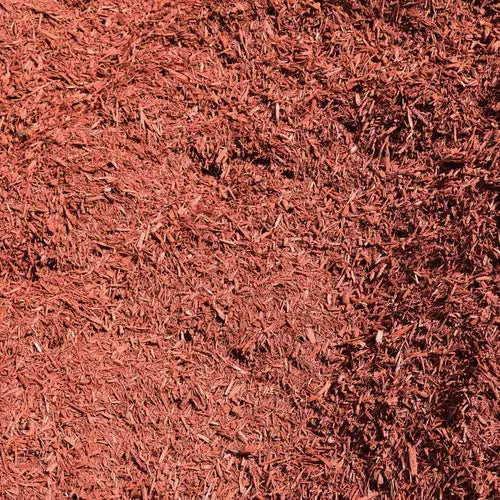
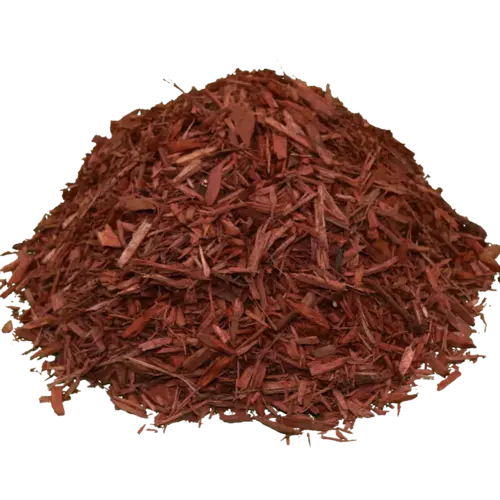
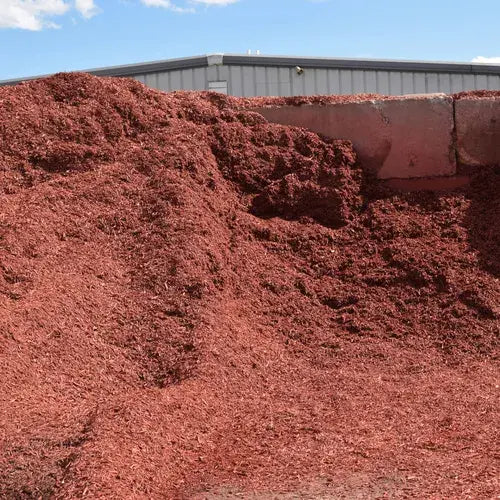
Warm brown double shredded mulch with lasting color that looks freshly applied for weeks. Spreads smooth, stays put, and gives beds a natural, polished appearance.
We needed mulch for our HOA common areas. Local providers were all holding high prices even for 40 yards of mulch. Mulch mound was easy to wowith & has great price for natural mulch + delivery schedule options. They called before delivery to ensure Delivery was exactly wher...
Tell us what you're looking for
Thanks! We received your request.
Something went wrong. Please try again.
How Much Material Do I Need?
For Griffin's red clay soil, a 3-inch mulch layer is the ideal target, deep enough to suppress weeds and retain moisture through dry spells but not so thick that it suffocates roots in our naturally dense, moisture-holding ground.
Use our free mulch calculator
What is a yard?
A yard is approximately 27 cubic feet. As a general guideline, one yard of material can cover an area of about 100-160 square feet at a 2-3 inch depth.
We can't take orders for this right now. Tell us what you need and we'll get back to you.
What do you need?
Thanks! We received your request.
Something went wrong. Please try again.
Hand-picked local yards
4,000+ regional deliveries
Dedicated support
Why order through Mulch Mound
The best local mulch, without the guesswork.
We hand-pick and partner with the best yards in your region, keep only the ones our buyers rate well, and back each load with our guarantee.
Mulch Mound Guarantee
If your mulch isn't the quantity or quality you ordered, we'll make it right.
About this mulch
Warm brown double shredded mulch with lasting color that looks freshly applied for weeks. Spreads smooth, stays put, and gives beds a natural, polished appearance.
We needed mulch for our HOA common areas. Local providers were all holding high prices even for 40 yards of mulch. Mulch mound was easy to wowith & has great price for natural mulch + delivery schedule options. They called before delivery to ensure Delivery was exactly wher...
How Much Material Do I Need?
For Griffin's red clay soil, a 3-inch mulch layer is the ideal target, deep enough to suppress weeds and retain moisture through dry spells but not so thick that it suffocates roots in our naturally dense, moisture-holding ground.
Use our free mulch calculator
What is a yard?
A yard is approximately 27 cubic feet. As a general guideline, one yard of material can cover an area of about 100-160 square feet at a 2-3 inch depth.
We needed mulch for our HOA common areas. Local providers were all holding high prices even for 40 yards of mulch. Mulch mound was easy to wowith...
Read full review
We needed mulch for our HOA common areas. Local providers were all holding high prices even for 40 yards of mulch. Mulch mound was easy to wowith & has great price for natural mulch + delivery schedule options. They called before delivery to ensure Delivery was exactly where we wanted it.
Delivery was on time and great quality Mulch. Got it done in a reasonable time and yard looks great. Couldn’t be happier!!! Thank you and will us...
Read full review
Delivery was on time and great quality Mulch. Got it done in a reasonable time and yard looks great. Couldn’t be happier!!! Thank you and will use again!!
Mulch Mound delivered a yard of pea gravel to us. Delivery was on time, driver was friendly and hit a bullseye on the “tarp target”. We used the ...
Read full review
Mulch Mound delivered a yard of pea gravel to us. Delivery was on time, driver was friendly and hit a bullseye on the “tarp target”. We used the pea gravel (which was diameter as specified) to fill several muskrat holes around our pond. I would definitely recommend Mulch Mound to a friend!
Measure the length and width of each bed in feet and multiply to get square footage, then use 3 inches as your standard depth for Griffin's clay-heavy soil. Because Griffin's terrain includes gentle rolls and slopes, beds on inclines may need a slightly deeper application to account for mulch gradually shifting downhill during heavy rain events. When your estimate lands between whole yard numbers, round up rather than short yourself.
Mulch vs. No Mulch: The Difference
Griffin's combination of heat, humidity, and nearly 49 inches of annual rainfall means natural hardwood mulch breaks down noticeably faster here than in cooler Georgia cities like Gainesville or Ellijay. Natural mulch feeds the soil as it decomposes, which is especially valuable for improving Griffin's dense red clay over time, but it requires more frequent replenishment to maintain consistent bed depth. Dyed mulch resists breakdown longer and holds color better through a single season, making it a popular choice among Griffin homeowners who want consistent curb appeal without mid-season top-offs.
Before
After
Best Mulch Choice for Griffin Lawns
Most yards in the Griffin area sit on Red Clay type of soil. Griffin's red clay soil drains poorly and crusts over during dry spells, making it difficult for plant roots to access water and oxygen simultaneously. Without a mulch layer, beds in Griffin can swing from waterlogged after a storm to hard, cracked surface within just a few days of dry weather.
Hardwood Mulch
As hardwood mulch slowly decomposes into Griffin's red clay, it introduces organic matter that begins opening up the soil's tight particle structure, improving both drainage and air circulation around roots. Over several seasons of consistent mulching, Griffin homeowners often notice their clay beds becoming measurably easier to dig and noticeably more hospitable to established perennials and newly planted shrubs.
Mulch Types We Deliver in Griffin
Griffin's warm, humid climate and heavy clay soils make regular mulching one of the smartest investments for your landscape beds. We deliver bulk mulch by the cubic yard straight to your door, making bulk mulch delivery in Griffin simple, affordable, and easy to get right.
Dyed Black Mulch
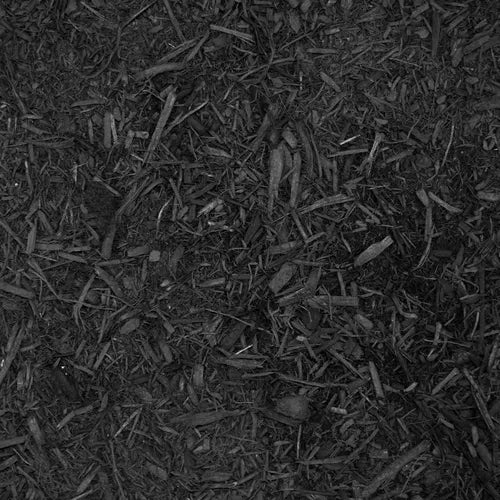
Available in a double shredded cut, dyed black mulch delivers bold, high-contrast color against green turf and flowering beds. The rich tone holds well through the region's rainy springs and humid summers, making it a popular pick for homeowners who want a sharp, dramatic finish.
Dyed Brown Mulch
Warm and natural-looking, dyed brown mulch comes in a double shredded texture that spreads smoothly and evenly. The lasting color stays fresh between applications, giving residential beds a clean, polished look that suits the traditional home styles common throughout this part of Georgia.
Dyed Red Mulch
Double shredded for a smooth, consistent spread, dyed red mulch brings vibrant color to front-yard beds and entryways. The bold tone holds well through the growing season and makes a strong accent against the brick and stone facades found throughout the region.
Natural Brown Mulch
Undyed and honest, natural brown mulch is double shredded to a smooth, even texture that settles cleanly into beds. It blends with the earthy tones of Georgia's landscape, suppresses weeds reliably, and breaks down over time to help improve clay-heavy garden soils.
Complete Your Outdoor Mulch Project
If you are refreshing neglected beds, consider pairing mulch with a quality bulk topsoil or garden mix to loosen Griffin's red clay layer before laying your mulch blanket. Stone edging or river rock borders are also a practical complement for Griffin landscapes, keeping mulch contained against the curb or bed edge during the area's frequent heavy downpours.
Griffin's red clay soil becomes nearly concrete-hard when dry after a summer hot spell and almost impermeable when baked under direct sun for weeks. Before laying fresh mulch, break the surface crust with a hard rake or garden fork so the first rains can actually penetrate rather than run sideways off the clay. This one extra step dramatically improves moisture retention beneath the mulch and gives plants a much better chance of staying hydrated through July and August.
Mulch Mound Pro Tip
Griffin's Zone 8a climate means mild winters overall, but unpredictable cold snaps can arrive between the first frost on November 6 and the return of consistent warmth in mid-March. Pull mulch back a few inches from tree trunks and shrub bases before winter sets in to prevent bark rot during prolonged wet spells, then push it snugly back around the root zone once temperatures drop consistently below 40 degrees to insulate against freeze damage.
Mulch Mound Pro Tip
With 49 inches of rainfall annually, Griffin homeowners should think of mulch as erosion armor rather than just a decorative bed covering. Apply mulch in a consistent, even depth across entire beds rather than piling it near plants, and tuck it firmly against any edging or border stone to prevent it washing onto lawns and sidewalks during Griffin's fast-moving spring storm cells. Patchy or thin mulch application is almost always undone by the first significant rain of the season.
Frequently Asked Questions
Click a question to see the answer
Answer
How thick should I apply mulch over Griffin's red clay soil?
A 3-inch layer is ideal for most Griffin landscapes. Red clay compacts easily and sheds water when dry, so a deeper mulch application helps slow rainfall absorption and prevents runoff during Griffin's heavier spring storms. Avoid going over 4 inches, as excessive depth can trap too much moisture against plant crowns in our naturally humid conditions.
Answer
Will mulch help with the standing water I get in my yard after heavy rains?
Mulch alone will not resolve drainage issues caused by Griffin's dense red clay, but it does meaningfully slow the rate at which rainfall hits the soil surface, giving water more time to absorb rather than sheet off. For persistent standing water problems, pairing a fresh mulch layer with a soil amendment or a French drain installation addresses the underlying clay drainage challenge far more effectively.
Answer
When is the best time of year to mulch beds in Griffin?
Early spring, just before Griffin's last frost date around March 15, is an excellent time to apply mulch so beds are protected as new growth begins pushing out of the clay. A second application in late October before the November 6 first frost helps insulate root systems through winter. Avoid laying fresh mulch over bone-dry clay in midsummer without watering first, as the hardened surface will resist moisture penetration and reduce the mulch's effectiveness.
Answer
Does dyed mulch hold its color well in Griffin's rainy weather?
Quality dyed mulch holds color reasonably well through a season, but Griffin's 49 inches of annual rainfall does accelerate fading compared to drier climates. You can expect vibrant color for roughly one full growing season with a proper 3-inch application. Many Griffin homeowners apply a thin refresh layer each spring to keep beds looking sharp without a full replacement.
Answer
Will natural hardwood mulch break down too fast in Griffin's heat and humidity?
Griffin's warm Zone 8a summers do speed up decomposition of natural hardwood mulch compared to cooler Georgia regions, and you will likely need to replenish beds every 12 to 18 months. The upside is that as hardwood mulch breaks down into Griffin's red clay, it adds valuable organic matter that gradually improves drainage and loosens that dense, compacted clay structure in ways that synthetic materials never could.
Answer
Can I use mulch around vegetable garden beds in Griffin?
Absolutely. Shredded hardwood or straw mulch around vegetable beds retains soil moisture between Griffin's sometimes irregular summer rain events and keeps soil temperatures from spiking dangerously during July and August heat. Keep mulch pulled back a few inches from plant stems to prevent rot in Griffin's humid conditions, especially for tomatoes and peppers that are sensitive to crown moisture.
Answer
How many cubic yards of mulch do I need for a typical Griffin front yard bed?
Measure your bed's length and width in feet, multiply them together to get square footage, then divide by 108 to estimate cubic yards for a 3-inch application. A typical Griffin front yard bed around 200 square feet would need roughly 2 cubic yards. Ordering a little extra is wise since Griffin's gently rolling terrain means mulch can settle unevenly into low spots along bed edges, leaving thin areas near clay slopes.
The Unique Landscape of Griffin
Griffin's native red clay soil is dense, slow to drain, and prone to surface crusting between rain events, creating harsh conditions for plant roots even in well-established beds. With nearly 49 inches of rainfall each year, bare soil in Griffin erodes quickly and washes across sidewalks, driveways, and lawns with every significant storm. A consistent mulch layer acts as a buffer between that hard clay surface and the elements, regulating soil temperature through Zone 8a's long warm season and protecting roots when the first frost arrives around November 6. Because Griffin's growing season stretches from mid-March through early November, mulch also extends planting viability by keeping soil temperatures stable during late-season cold snaps and early spring warm-ups. Without mulch, the combination of baking summer heat and pounding seasonal rains accelerates surface compaction in Griffin beds at a pace that consistently outpaces what plants can tolerate.