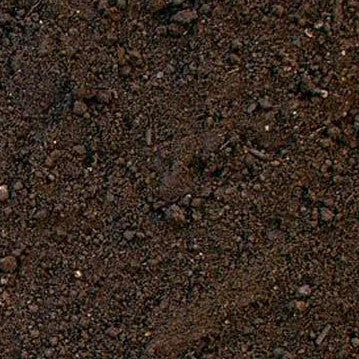
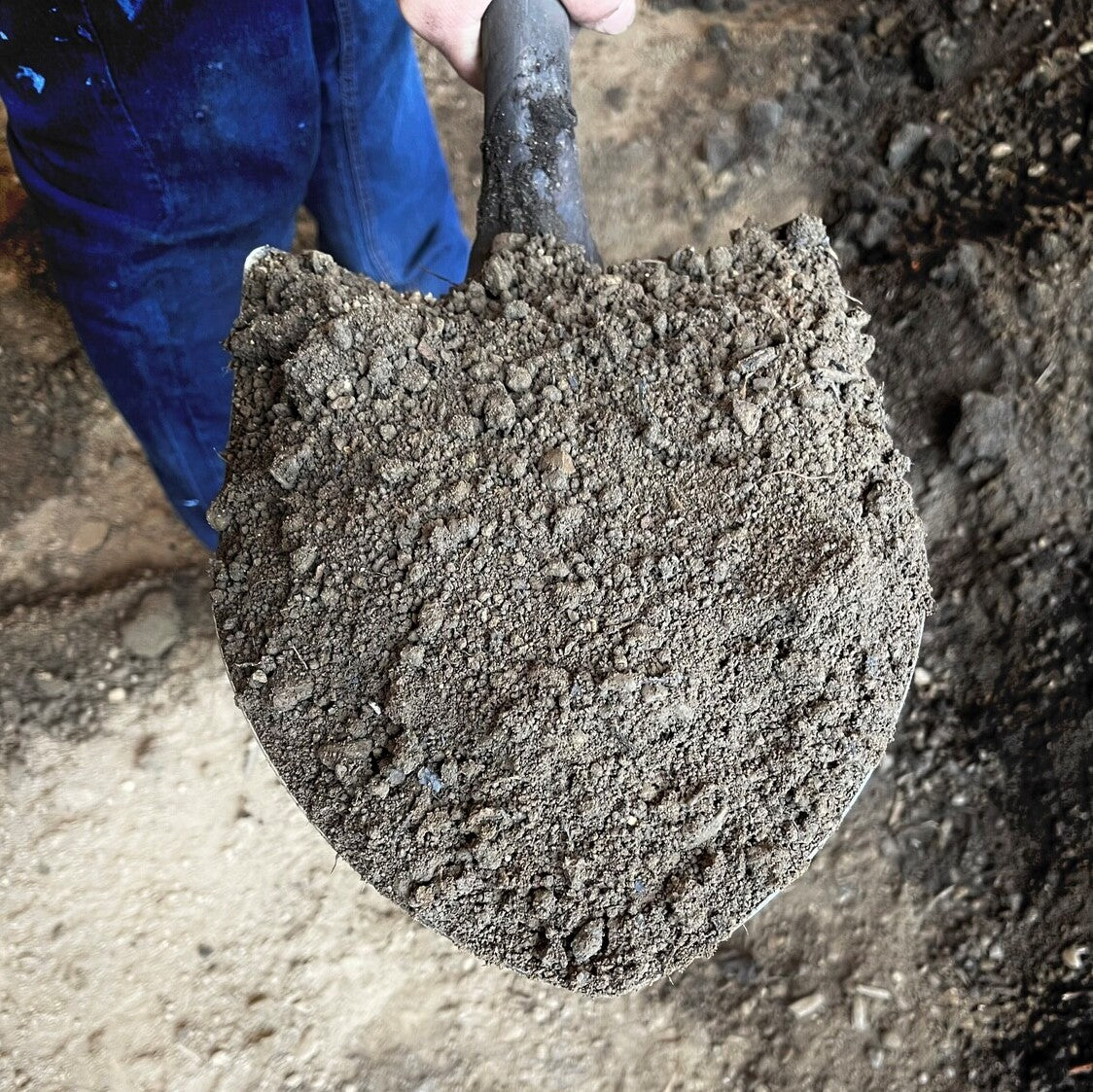
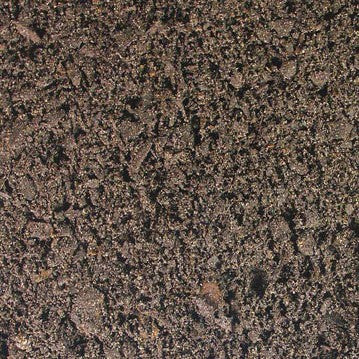
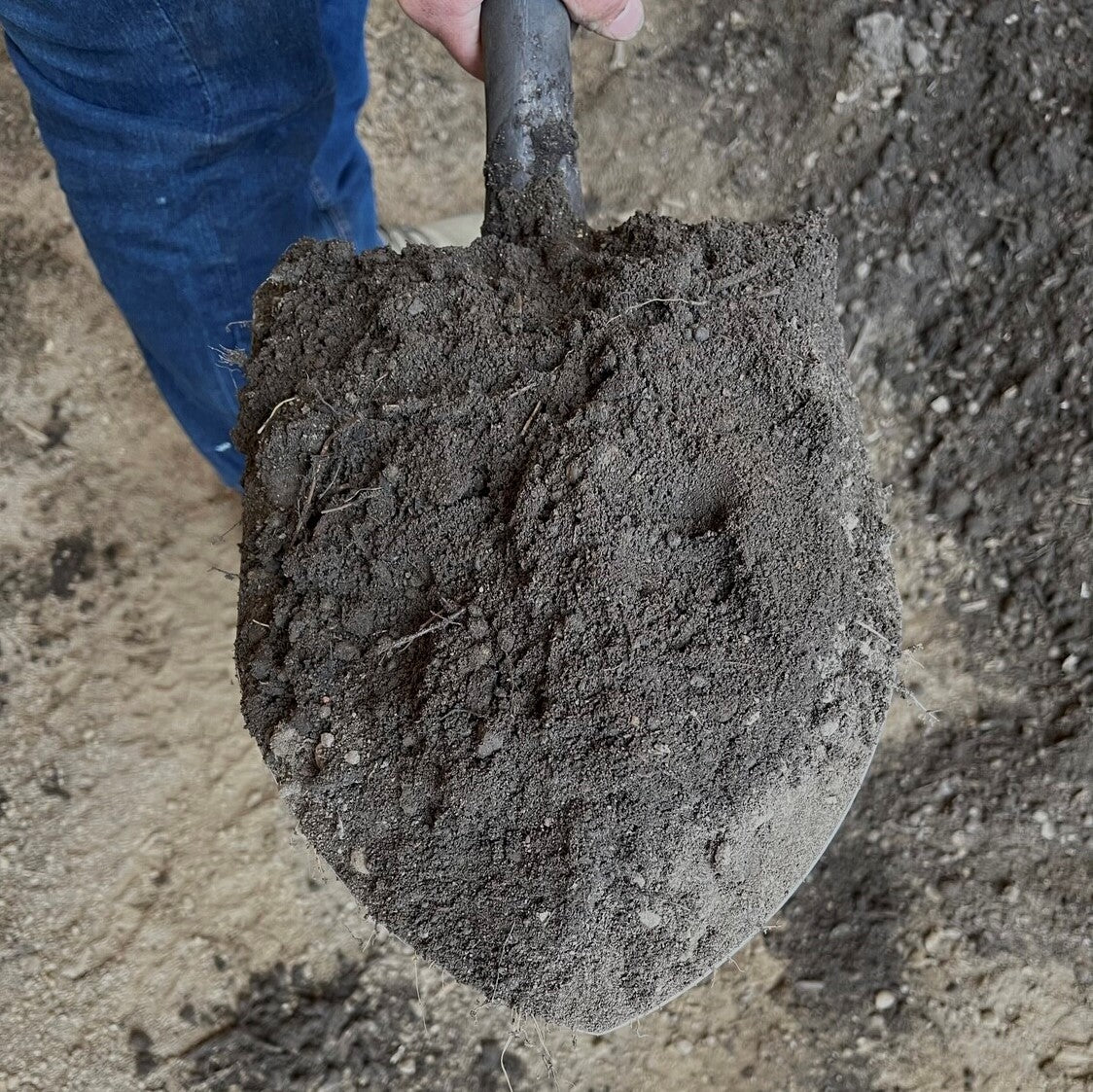
Quality topsoil for lawns, gardens, and landscape projects. Nutrient rich and ready to support strong root development and healthy plant establishment.
My experience with Mulch Mound was great and super easy. I ordered two yards of screened topsoil and was able to get it delivered within 2 days. They came in my requested time frame (afternoon) and dropped it off where I asked on my driveway. The topsoil was exactly what was a...
Tell us what you're looking for
Thanks! We received your request.
Something went wrong. Please try again.
How Much Material Do I Need?
For lawn leveling in Griffin, a 1 to 2 inch layer of topsoil spread over low areas is the typical starting point for most projects. For new garden beds placed directly over red clay, aim for at least 6 to 8 inches of imported soil so roots have meaningful growing room above the dense native layer.
Use our free soil calculator
What is a yard?
A yard is approximately 27 cubic feet. As a general guideline, one yard of material can cover an area of about 100-160 square feet at a 2-3 inch depth.
What is a yards?
A yard is approximately 27 cubic feet. As a general guideline, one yard of material can cover an area of about 10 feet by 10 feet at a few inches deep.
We can't take orders for this right now. Tell us what you need and we'll get back to you.
What do you need?
Thanks! We received your request.
Something went wrong. Please try again.
Hand-picked local yards
4,000+ regional deliveries
Dedicated support
Why order through Mulch Mound
The best local soil, without the guesswork.
We hand-pick and partner with the best yards in your region, keep only the ones our buyers rate well, and back each load with our guarantee.
Mulch Mound Guarantee
If your soil isn't the quantity or quality you ordered, we'll make it right.
About this soil
Quality topsoil for lawns, gardens, and landscape projects. Nutrient rich and ready to support strong root development and healthy plant establishment.
My experience with Mulch Mound was great and super easy. I ordered two yards of screened topsoil and was able to get it delivered within 2 days. They came in my requested time frame (afternoon) and dropped it off where I asked on my driveway. The topsoil was exactly what was a...
How Much Material Do I Need?
For lawn leveling in Griffin, a 1 to 2 inch layer of topsoil spread over low areas is the typical starting point for most projects. For new garden beds placed directly over red clay, aim for at least 6 to 8 inches of imported soil so roots have meaningful growing room above the dense native layer.
Use our free soil calculator
What is a yard?
A yard is approximately 27 cubic feet. As a general guideline, one yard of material can cover an area of about 100-160 square feet at a 2-3 inch depth.
What is a yards?
A yard is approximately 27 cubic feet. As a general guideline, one yard of material can cover an area of about 10 feet by 10 feet at a few inches deep.
My experience with Mulch Mound was great and super easy. I ordered two yards of screened topsoil and was able to get it delivered within 2 days. Th...
Read full review
My experience with Mulch Mound was great and super easy. I ordered two yards of screened topsoil and was able to get it delivered within 2 days. They came in my requested time frame (afternoon) and dropped it off where I asked on my driveway. The topsoil was exactly what was advertised, clean with no rocks or other debris. The price was reasonable. I plan to use them again in a couple weeks to order compost for my garden beds.
To estimate bulk soil needs, measure the length, width, and desired fill depth of your project area in feet, multiply all three together, and divide by 27 to convert cubic feet into cubic yards. For Griffin lawn leveling projects specifically, keep depth estimates conservative since the red clay base underneath limits how much the new soil settles over time. Adding 10 to 15 percent to your final estimate accounts for normal compaction after Griffin's rain events and foot traffic on top of the fresh layer.
Soil Types We Deliver in Griffin
Mulch Mound delivers bulk soil by the cubic yard across Griffin, making it easy to fill raised beds, repair lawns, or install new landscape plantings without hauling material yourself. Our varieties are chosen to work well with this part of Georgia's clay-heavy Piedmont soil, giving your plants a better foundation from the start.
Top Soil
Available in screened and unscreened grades, this topsoil suits Griffin homeowners filling low spots, spreading across bare lawns, or building up thin garden beds. Screened topsoil blends smoothly for a finished look, while unscreened is a practical, cost-effective choice for bulk fill and grading work.
Gardening Blend
This premium blend of topsoil and compost is ready to plant straight from delivery, making it ideal for raised beds and new garden areas. It gives Griffin gardeners working with dense clay soil the loose, nutrient-rich texture that vegetables, herbs, and flowers need from the start.
Landscape Mix
A standard-grade blend of topsoil and compost suited for larger projects like new garden installs, tree planting, and broad yard renovations. The consistent mix provides organic matter and structure, helping plants get established quickly during Georgia's warm growing season.
Organic Compost
Our premium aged leaf compost is a natural soil amendment that works well in Griffin yards where clay tends to compact and shed water. Work it into beds or blend it with native soil to loosen texture, raise organic matter, and improve the moisture retention your plants depend on.
Complete Your Outdoor Soil Project
After grading with bulk topsoil, topping beds with a layer of hardwood mulch is the natural next step to protect Griffin's newly prepared soil surface from eroding during heavy seasonal rains. Stone edging along bed borders helps contain soil on Griffin's gently sloped terrain and keeps lawn and planting areas cleanly defined through the growing season.
My Griffin yard is mostly red clay. Can I just amend it instead of bringing in new soil?
Amending native red clay is genuinely possible with enough compost and gypsum worked in consistently over several seasons, but for most Griffin homeowners tackling a defined project, bringing in quality topsoil or garden mix is far more practical. Amending heavy Griffin clay takes years of patient effort, while imported soil gives your plants an immediate healthy rooting environment above the native clay layer without waiting for slow biological transformation.
Answer
What is the difference between topsoil and garden soil for Griffin landscaping projects?
Topsoil is best suited for grading and leveling Griffin lawns or filling low spots, providing a stable, dense base layer that stays put. Garden soil or a blended mix has more organic matter and built-in drainage, making it ideal for raised vegetable beds or flower borders where Griffin's native clay would otherwise hold excess moisture around roots and stunt growth during wet springs.
Answer
How much topsoil do I need to level a low spot in my Griffin lawn?
For minor depressions up to 2 inches deep, you can fill and overseed in a single pass with reasonable success. Measure the length, width, and average depth of the low area in feet, multiply all three together, then divide by 27 to get cubic yards needed. Griffin's sloped neighborhoods mean surface low spots are common after heavy seasonal rains erode the topsoil layer, so ordering a half yard extra for future touch-up is always a practical choice.
Answer
When should I add soil to my Griffin garden beds before planting season?
The ideal window in Griffin is 2 to 4 weeks before the last frost date of March 15, giving new soil time to settle and allowing you to work it into existing clay without the ground being saturated from winter rains. Fall preparation in late October, just before the November 6 first frost, is another excellent opportunity to build out beds and let Griffin's winter rainfall help naturally integrate the new soil into the clay layer below.
Answer
Will new topsoil wash away on my sloped Griffin yard during heavy spring rains?
Freshly placed topsoil is genuinely vulnerable to erosion during Griffin's heavy spring storms, particularly on the gentle slopes common throughout the city's 974-foot elevation terrain. Seeding immediately after spreading, or covering with straw or mulch within a day of delivery, dramatically reduces washoff losses. For steeper grade changes, pairing soil with erosion-control blankets or stone border edging helps lock material in place until grass roots establish and anchor the surface.
Answer
Can I use bulk soil for filling raised garden beds in Griffin?
Yes, a blended garden mix or topsoil amended with compost works very well for raised bed filling in Griffin. Raised beds are actually the ideal solution for Griffin vegetable gardeners because they completely bypass the red clay drainage problem by creating a new, controlled growing environment above the native soil. Aim for at least 12 inches of quality soil depth in raised beds to give vegetable roots adequate room well above the dense clay layer beneath.
Answer
Does Griffin's rainfall affect how I should grade soil around my home's foundation?
Absolutely. With 49 inches of annual rainfall, proper grade sloping away from your foundation is critically important in Griffin. When adding soil near your home, maintain at least 6 inches of drop over the first 10 feet measured away from the foundation. Griffin's red clay can funnel water directly toward homes when grade is flat or slightly negative, and proper sloping during any soil project protects foundations from long-term water intrusion and moisture damage.
Mulch Mound Pro Tip
When spreading new topsoil over Griffin's red clay, resist the urge to skip tilling the native surface below. Even a shallow 2 to 3 inch rototill pass into the existing clay before adding your imported soil helps the two layers bond rather than creating a hard barrier where roots stop growing downward. That interface between new and native soil is where most Griffin gardeners lose plants, not in the fresh material on top.
Mulch Mound Pro Tip
Griffin's frequent spring rains can saturate freshly placed soil before it has a chance to settle and firm up, especially during March and April. If you are adding topsoil to a lawn area before seeding, try to time your delivery ahead of a stretch of mild, dry weather rather than directly before a heavy rain forecast. Soil that erodes or shifts before seed germinates means doubling your material and labor costs, and Griffin's spring storm cells can arrive with very little advance warning.
Mulch Mound Pro Tip
For Griffin homeowners building raised vegetable beds, consider the timing of your soil delivery relative to the March 15 last frost date. Ordering and filling beds in late February gives the soil time to settle with the tail end of winter rainfall and allows you to plant cool-season crops the moment frost risk passes. That head start can add a full extra harvest cycle of lettuce, spinach, or snap peas to your Griffin garden calendar before summer heat sets in.
The Unique Landscape of Griffin
Griffin's native red clay is one of the most demanding soil types for gardening and landscaping across the Southeast, and it shapes nearly every decision a serious Griffin homeowner makes about their yard. It compacts under foot traffic and repeated rainfall, drains poorly after storms, and bakes into a nearly concrete-like surface during summer dry stretches. At an elevation of 974 feet, Griffin's terrain also tends toward gentle slopes where topsoil erodes easily without established ground cover or protective amendment. Bringing in quality bulk topsoil or garden soil allows Griffin homeowners to build productive raised beds, level uneven lawn areas caused by clay heave and erosion, and give new plantings a genuine fighting chance above the dense native clay. Whether you are establishing a new lawn after construction work or preparing vegetable beds before Griffin's last frost around March 15, the right imported soil transforms growing conditions that red clay simply cannot offer on its own.