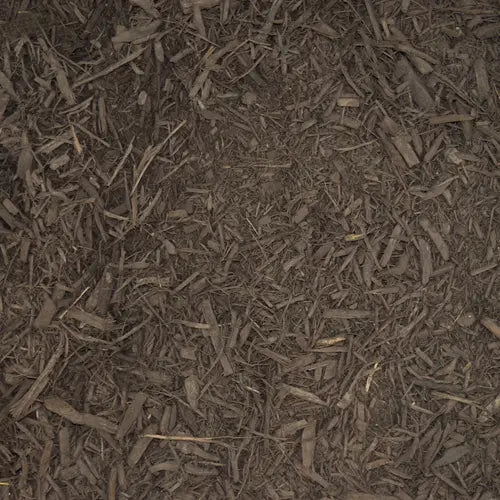
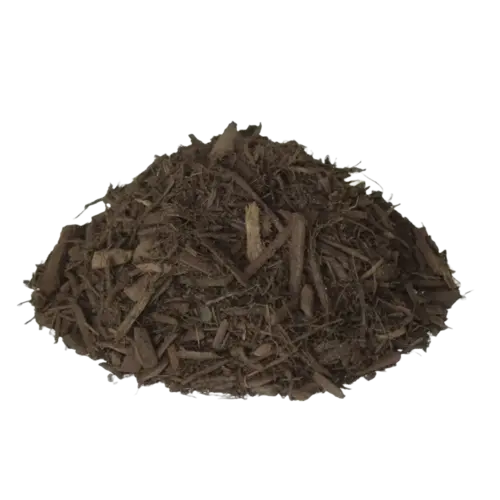
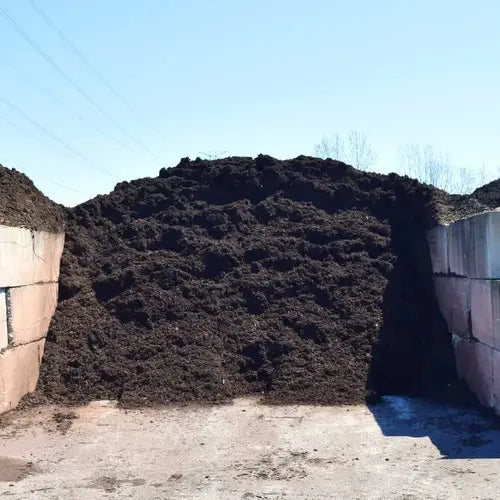
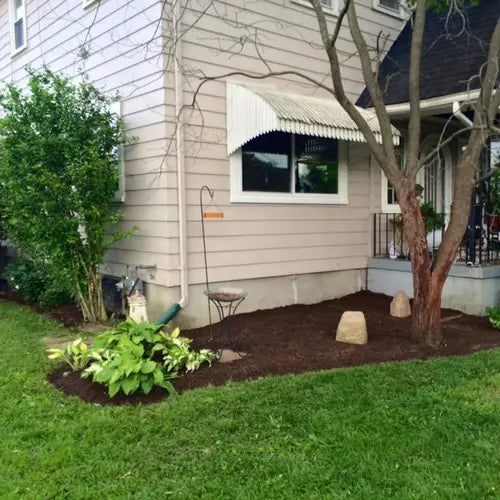
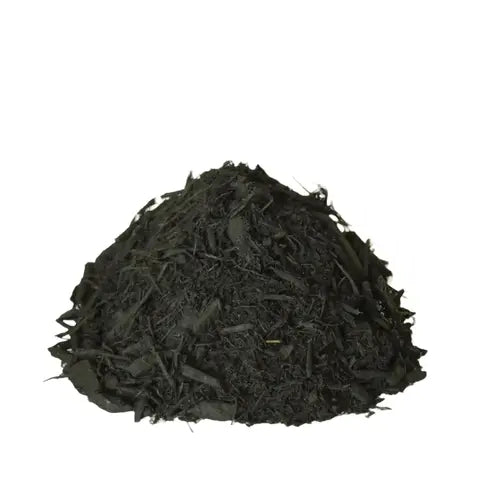
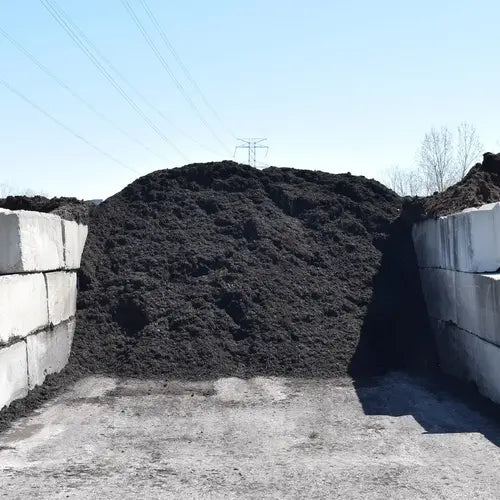
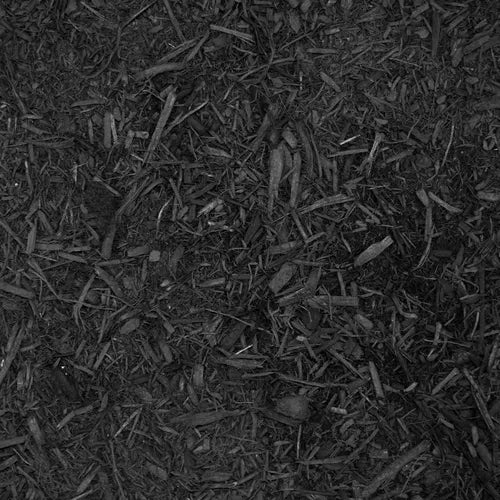
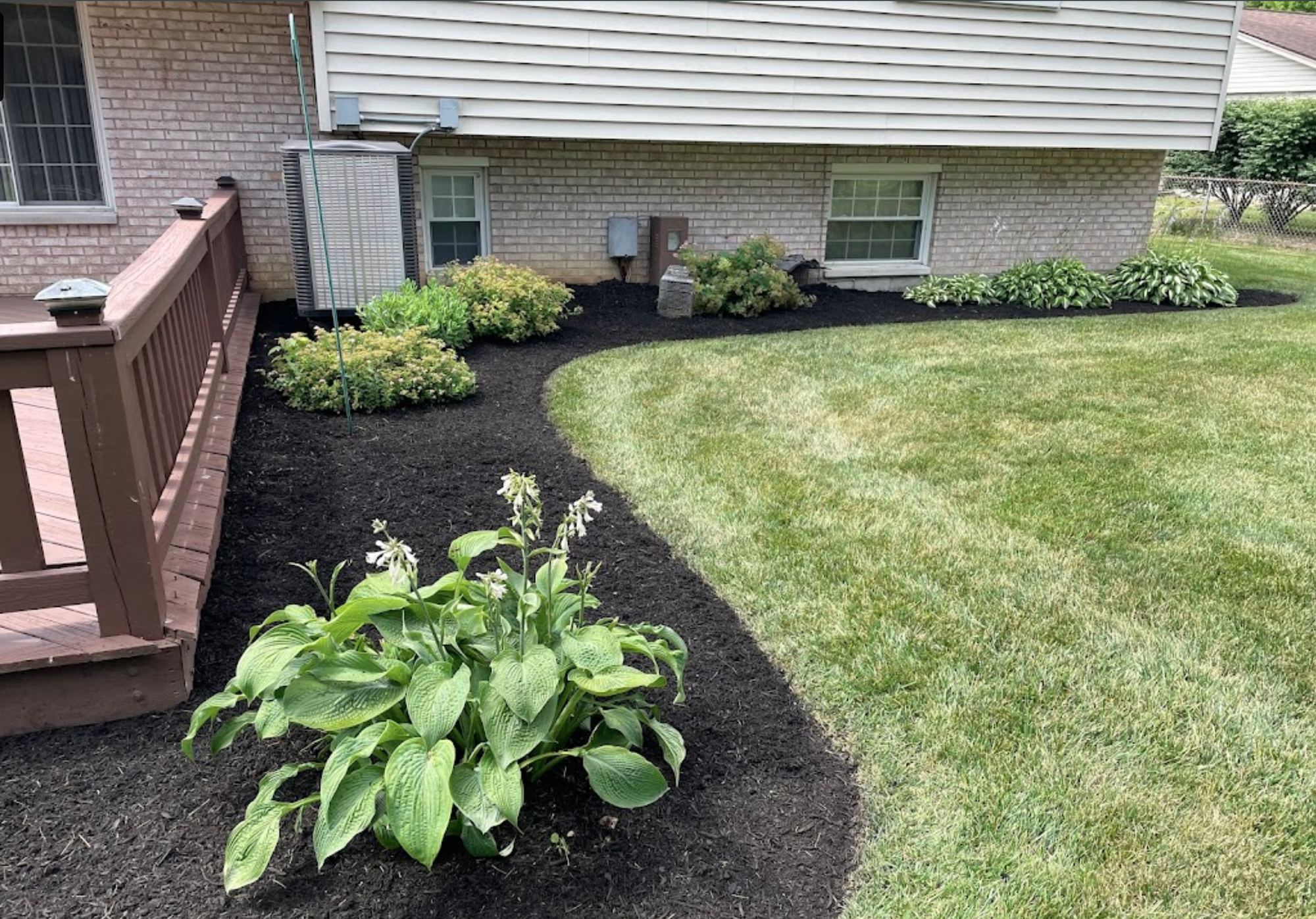
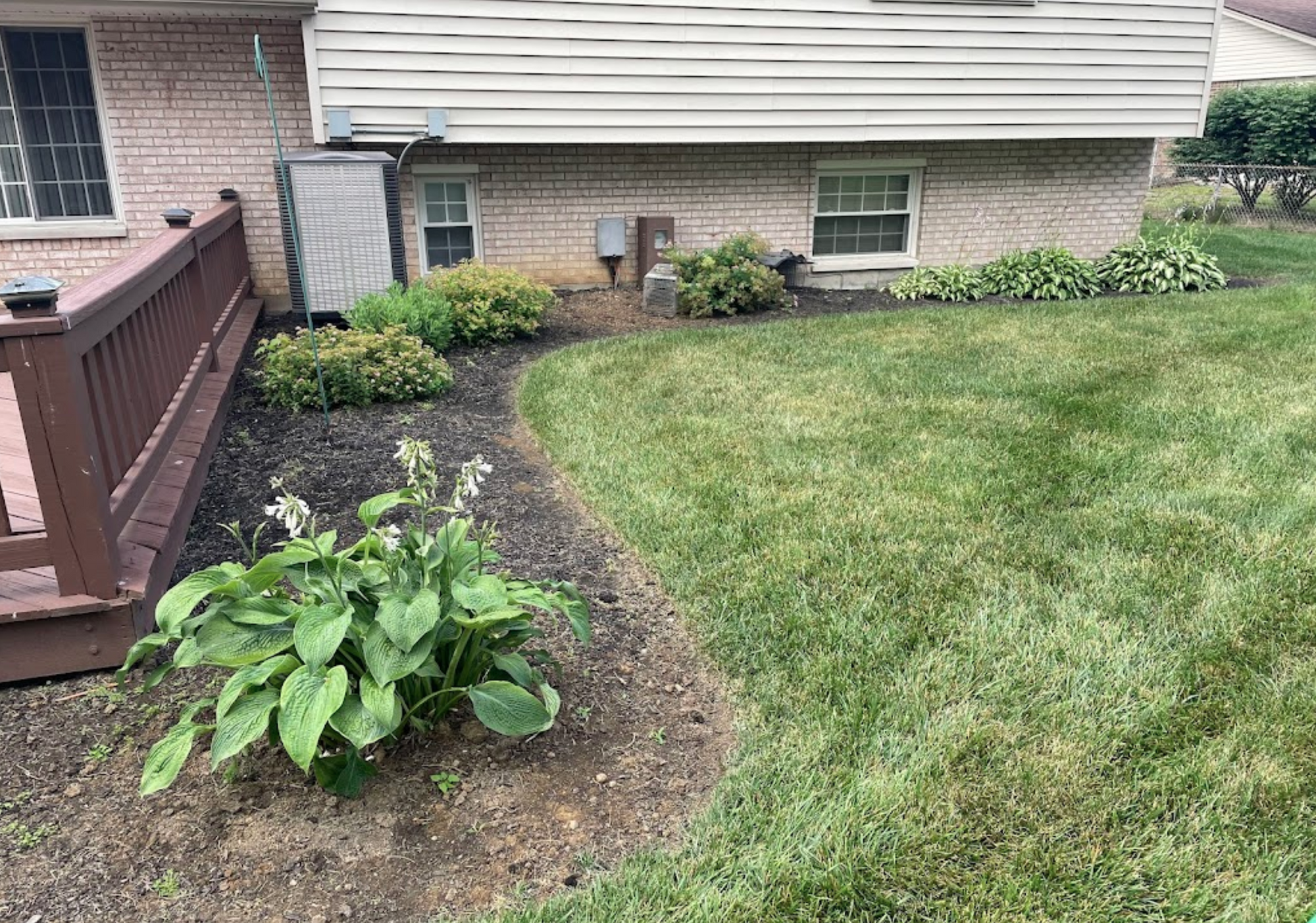
Warm brown double shredded mulch with lasting color that looks freshly applied for weeks. Spreads smooth, stays put, and gives beds a natural, polished appearance.
Good quality, great price, fast delivery. All online - no submitting forms and waiting for days for quotes. Getting mulch should be this easy from everyone. Only Mulch Mound is ACTUALLY this simple.
Tell us what you're looking for
Thanks! We received your request.
Something went wrong. Please try again.
How Much Material Do I Need?
For Hazleton's sandy loam soil, apply 3 to 4 inches of mulch to achieve meaningful moisture retention and effective weed suppression. Beds situated under mature tree canopies may need slightly less because existing leaf litter supplements coverage naturally.
Use our free mulch calculator
What is a yard?
A yard is approximately 27 cubic feet. As a general guideline, one yard of material can cover an area of about 100-160 square feet at a 2-3 inch depth.
We can't take orders for this right now. Tell us what you need and we'll get back to you.
What do you need?
Thanks! We received your request.
Something went wrong. Please try again.
Hand-picked local yards
4,000+ regional deliveries
Dedicated support
Why order through Mulch Mound
The best local mulch, without the guesswork.
We hand-pick and partner with the best yards in your region, keep only the ones our buyers rate well, and back each load with our guarantee.
Mulch Mound Guarantee
If your mulch isn't the quantity or quality you ordered, we'll make it right.
About this mulch
Warm brown double shredded mulch with lasting color that looks freshly applied for weeks. Spreads smooth, stays put, and gives beds a natural, polished appearance.
Good quality, great price, fast delivery. All online - no submitting forms and waiting for days for quotes. Getting mulch should be this easy from everyone. Only Mulch Mound is ACTUALLY this simple.
How Much Material Do I Need?
For Hazleton's sandy loam soil, apply 3 to 4 inches of mulch to achieve meaningful moisture retention and effective weed suppression. Beds situated under mature tree canopies may need slightly less because existing leaf litter supplements coverage naturally.
Use our free mulch calculator
What is a yard?
A yard is approximately 27 cubic feet. As a general guideline, one yard of material can cover an area of about 100-160 square feet at a 2-3 inch depth.
Good quality, great price, fast delivery. All online - no submitting forms and waiting for days for quotes. Getting mulch should be this easy fr...
Read full review
Good quality, great price, fast delivery. All online - no submitting forms and waiting for days for quotes. Getting mulch should be this easy from everyone. Only Mulch Mound is ACTUALLY this simple.
I highly recommend Mulch Mound. The quality of the mulch is very good. The ordering system on their website makes it very easy. The delivery driver...
Read full review
I highly recommend Mulch Mound. The quality of the mulch is very good. The ordering system on their website makes it very easy. The delivery driver did a great job placing the mulch on the driveway. To finish off, the pricing was very reasonable as well.
They offered a quick turnaround and delivered high quality mulch at a reasonable price. They also dropped it off exactly where I told them to put i...
Read full review
They offered a quick turnaround and delivered high quality mulch at a reasonable price. They also dropped it off exactly where I told them to put it. Good service!
Start by measuring the length and width of each bed in feet, then multiply those numbers together to get square footage. At the 3 to 4 inch depth recommended for Hazleton's fast-draining sandy loam, divide your total square footage by 100 to get a rough cubic yard estimate. Ordering a bit more than your calculation suggests is wise because Hazleton's high rainfall can compact and thin mulch faster than expected, and topping off mid-season is easier when you have material on hand.
Mulch vs. No Mulch: The Difference
Hazleton's combination of high annual rainfall and cool elevation temperatures means organic mulch goes through noticeable seasonal breakdown, and the type you choose affects both longevity and long-term soil health. Natural hardwood mulch decomposes into organic matter that genuinely improves Hazleton's sandy loam over multiple seasons, while dyed mulches hold their color longer through the area's wet springs but contribute less to soil structure as they break down. Understanding that tradeoff helps Hazleton homeowners choose a product that serves both their aesthetic goals and their soil's ongoing needs.
Before
After
Best Mulch Choice for Hazleton Lawns
Most yards in the Hazleton area sit on Sandy Loam type of soil. Sandy loam in Hazleton holds very little organic matter on its own, which means planting beds dry out quickly and nutrients wash through the profile with every significant rain. Adding a quality organic mulch on top is one of the most effective ways to stabilize moisture and feed the soil steadily over time.
Hardwood Mulch
Hardwood mulch breaks down into humus that binds sandy loam particles together, gradually improving the soil's capacity to retain water and hold nutrients near the surface. Over two or three seasons of consistent hardwood mulch applications, many Hazleton gardeners notice their beds needing less frequent supplemental watering because the underlying soil structure itself has measurably improved.
Mulch Types We Deliver in Hazleton
Mulch Mound brings bulk mulch delivery in Hazleton right to your door, measured and sold by the cubic yard so you order exactly what your project needs. This corner of northeastern Pennsylvania sees a cool, wet climate that rewards properly mulched beds with healthier soil and fewer weeds. Whether you are refreshing a small garden or covering large landscape areas, our mulch varieties are chosen to hold up through the seasons common to this region.
Dyed Black Mulch
Available in double shredded style, Dyed Black Mulch delivers a bold, clean contrast well suited to the older brick and stone homes found throughout this part of Pennsylvania. The rich color holds strong through northeastern rain and full sun, and the smooth texture spreads evenly for a polished, finished look.
Dyed Brown Mulch
Available in double shredded style, Dyed Brown Mulch offers a warm, natural tone that complements the wooded hillsides and earthy garden beds typical of northeastern Pennsylvania. The color stays rich for weeks after rain, and the smooth texture holds firmly in place on sloped ground.
Complete Your Outdoor Mulch Project
If your beds need better structure before mulching, our bulk topsoil and garden mix blends can fill low spots common in Hazleton yards where sandy loam has eroded or settled over time. Decorative stone from our inventory pairs well with mulched beds to define clean borders and reduce edging maintenance through Hazleton's long and wet spring season.
Hazleton's sandy loam loses nutrients quickly because water moves through it fast. Before laying fresh mulch each season, scratch a slow-release balanced fertilizer into the top inch of soil so rain carries nutrients down to root depth rather than past it entirely. Mulch applied immediately after feeding slows evaporation and helps those nutrients stay available in the root zone through the heat of July and August.
Mulch Mound Pro Tip
Hazleton's first frost arrives around October 7, which can catch gardeners off guard after warm September weather. Pull mulch a few inches back from the crowns of perennials in late August to let them harden off naturally, then push it back against the crowns in late September to give root systems insulation heading into the freeze. This two-step approach protects plants more effectively than a single late-season application done in a hurry.
Mulch Mound Pro Tip
With 50 inches of rain falling across Hazleton each year, mulch piled directly against plant stems and tree trunks stays wet for extended periods and creates ideal conditions for crown rot and fungal disease. Keep a 2 to 3 inch gap between your mulch and any woody stem or tree bark. This simple adjustment dramatically reduces disease pressure without sacrificing the moisture-retention benefits that make mulch so valuable for managing Hazleton's quick-draining sandy loam beds.
Frequently Asked Questions
Click a question to see the answer
Answer
How thick should I apply mulch in Hazleton given the sandy loam soil?
Sandy loam drains so freely that a thin mulch layer will not provide meaningful moisture retention. In Hazleton, aim for 3 to 4 inches across your planting beds. That depth slows evaporation noticeably, which matters most in July and August when Hazleton can go two or three weeks between significant rain events even with its 50 inch annual average.
Answer
When is the best time to mulch my beds in Hazleton?
The ideal window in Hazleton is right after your last frost, which typically falls around May 10. Mulching at that point helps the soil warm evenly and gets weed suppression in place before summer annual weeds germinate. A second light refresh applied in late September, just before the October 7 average first frost, helps insulate root systems heading into the cold months.
Answer
Will mulch break down faster here because of how much rain Hazleton gets?
Hazleton receives about 50 inches of rain per year, which is higher than many Pennsylvania communities at lower elevations. That consistent moisture does accelerate the decomposition of organic mulch, especially shredded hardwood varieties. You can expect to refresh your beds every 12 to 18 months to maintain the right coverage depth. The benefit is that decomposing mulch gradually adds organic matter to Hazleton's sandy loam, improving the soil's ability to hold water over time.
Answer
Does the high elevation in Hazleton affect which mulch type I should choose?
Elevation affects how sharply temperatures swing between spring and fall. At nearly 1,900 feet, Hazleton gardens can see frost well into May and again in early October. A coarser hardwood shred buffers those temperature swings better than fine-textured products and holds its position on sloped beds better during the heavy rain events that move through this part of Luzerne County.
Answer
Can mulch help with the weeds that keep coming back in my Hazleton garden beds?
Sandy loam in Hazleton germinates wind-blown and bird-deposited weed seeds very easily because the loose, open texture gives seeds good contact with soil. A 3 to 4 inch mulch layer blocks the light those seeds need to sprout. Combined with Hazleton's short growing window between May 10 and October 7, getting ahead of weeds early in the season makes the rest of summer significantly easier to manage.
Answer
Is dyed mulch safe to use around my vegetable garden in Hazleton?
Most dyed mulches use iron oxide or carbon-based colorants that are considered safe around edible plants, but if you are growing vegetables in raised beds or kitchen gardens in Hazleton, a natural undyed hardwood or double-ground bark mulch is the more conservative choice. Natural mulch also integrates better into Hazleton's sandy loam as it breaks down, contributing organic matter and improving soil structure without any colorant residue.
Answer
How much mulch do I need for a typical Hazleton front yard foundation bed?
A standard front foundation bed on a Hazleton home might run 40 to 60 square feet. At the 3 inch depth we recommend for sandy loam soils, that comes out to roughly half a cubic yard. Our calculator on this page will give you a precise number based on your actual bed dimensions, and buying in bulk through MulchMound means you can cover your entire property in one efficient delivery.
The Unique Landscape of Hazleton
Hazleton sits at nearly 1,900 feet in elevation, which means soil temperatures drop sharply each fall and warm slowly each spring well into May. The sandy loam soil that covers most Hazleton yards drains so freely that moisture disappears within a day or two after rain, even with the area's generous 50 inches of annual rainfall. A consistent layer of mulch slows that moisture loss dramatically, giving plant roots more time to absorb water between rain events and reducing the stress that dry spells place on established beds. With a last frost as late as May 10 and a first frost arriving as early as October 7, Hazleton's growing season is tight, so keeping beds productive and weed-free from the very start of the season matters more here than in lower, warmer parts of the state. Mulch also moderates the wide soil temperature swings that come with Hazleton's elevation, protecting root systems from the late spring cold snaps and hard freezes that can arrive in early October.