




Good quality top soil and was delivered exactly where I wanted it. Nice Job!
About this soil
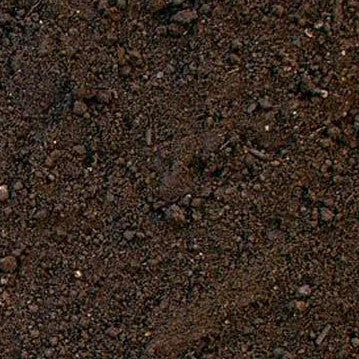
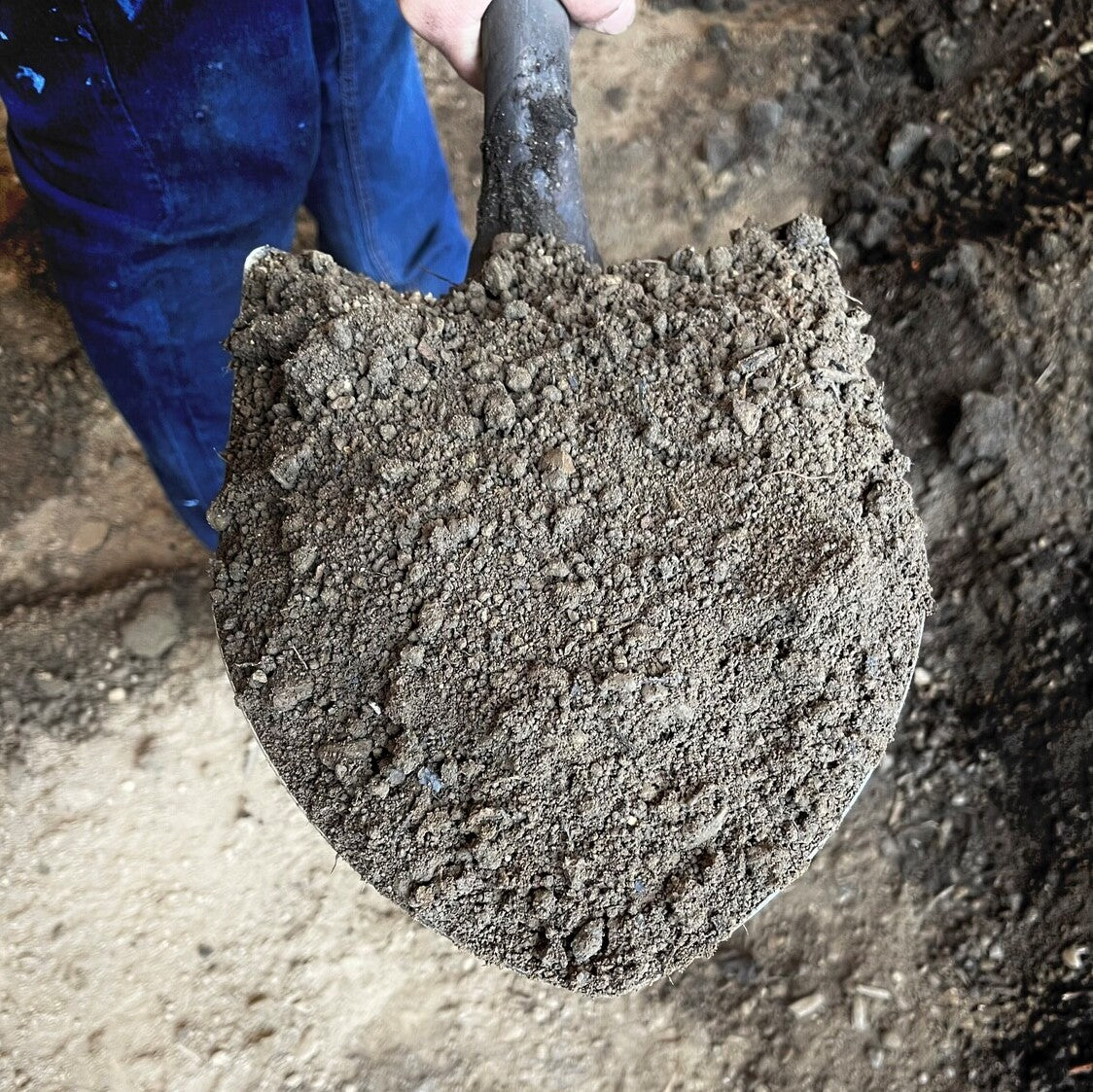
Quality topsoil for lawns, gardens, and landscape projects. Nutrient rich and ready to support strong root development and healthy plant establishment.
Good quality top soil and was delivered exactly where I wanted it. Nice Job!
Tell us what you're looking for
Thanks! We received your request.
Something went wrong. Please try again.
How Much Material Do I Need?
How Much Material Do I Need?
Hazleton's sandy loam settles faster than clay-based soils after heavy rain, so plan to order slightly more than your base calculation suggests for any grading or lawn project. For raised garden beds, 12 to 18 inches of quality soil ensures roots stay out of the native layer entirely and have access to consistent nutrition throughout the growing season.
Use our free soil calculator
What is a yard?
What is a yard?
FAQs
FAQs
Hazleton Soil Delivery
Hazleton Soil Delivery
Regular price
$74.00
per
yard
Regular price
Sale price
$74.00
Unit price
per
Shipping calculated at checkout.
Minimum of 3 yard
Couldn't load pickup availability
Not currently available
We can't take orders for this right now. Tell us what you need and we'll get back to you.
Hand-picked local yards
4,000+ regional deliveries
Dedicated support
Why order through Mulch Mound
The best local soil, without the guesswork.
We hand-pick and partner with the best yards in your region, keep only the ones our buyers rate well, and back each load with our guarantee.
Mulch Mound Guarantee
If your soil isn't the quantity or quality you ordered, we'll make it right.
About this soil
Quality topsoil for lawns, gardens, and landscape projects. Nutrient rich and ready to support strong root development and healthy plant establishment.
Good quality top soil and was delivered exactly where I wanted it. Nice Job!
How Much Material Do I Need?
How Much Material Do I Need?
Hazleton's sandy loam settles faster than clay-based soils after heavy rain, so plan to order slightly more than your base calculation suggests for any grading or lawn project. For raised garden beds, 12 to 18 inches of quality soil ensures roots stay out of the native layer entirely and have access to consistent nutrition throughout the growing season.
Use our free soil calculator
What is a yard?
What is a yard?
FAQs
FAQs
Tell us what you're looking for
Thanks! We received your request.
Something went wrong. Please try again.
How It Works
Getting started is easy — just follow these simple steps
1
Choose your soil
Make sure you adjust the quantity to your home's needs. You can use our calculator to estimate how much you'll need.
2
Select your delivery date
Select a delivery date you'd like for the product to be dropped off at your home
3
Sit back and wait
Sit back, wait, and let us work our magic to make sure the highest quality product is delivered to your driveway.

Online ordering was really simple and I liked the transparent pricing.

Easy to order, great service, and great product. We enjoy the final look of a very neglected beds we inherited!
Need Help Calculating How Much Soil You Need?
Use our NEW Trace from Satellite tool to get an estimate for your project based on an aerial view of your property
Try Our CalculatorMeasure the length and width of the area you plan to cover, then decide on your target depth in inches. For lawn leveling in Hazleton, 1 to 2 inches is typical, while garden beds benefit from 4 to 6 inches of new material over the existing sandy loam. Divide your total cubic foot volume by 27 to get cubic yards, and add about 10 percent to account for settling, which is more pronounced in Hazleton because the frequent rainfall consolidates loose soil more quickly than in drier climates.
Soil Types We Deliver in Hazleton
Mulch Mound delivers bulk topsoil by the yard in Hazleton and the surrounding area, bringing screened and fill options straight to your driveway or job site. Northeastern Pennsylvania's clay-heavy native ground often needs amendment before new grass or plantings can take hold, making quality imported soil a practical first step. Whether you are leveling a slope, refreshing a garden bed, or prepping a new lawn, we carry the right material for the job.
Top Soil
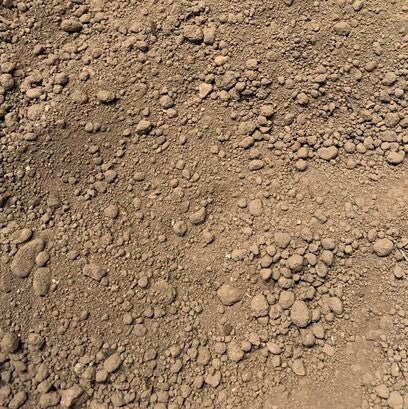
Our topsoil comes in screened and unscreened grades to match different project needs around your property. Screened topsoil delivers a fine, workable texture well suited to lawns, garden beds, and new plantings where the region's compact, clay-influenced ground makes good imported soil especially valuable. Unscreened topsoil is a practical option for general landscape builds where a perfectly uniform texture is not required.
Fill Dirt
Fill dirt is unscreened topsoil suited for grading, rough leveling, and building up low spots around foundations or drainage slopes. Because many older properties in northeastern Pennsylvania settle unevenly over time, fill dirt offers an affordable way to correct ground elevation before adding finished topsoil or seed on top.
Complete Your Outdoor Soil Project
After grading or building beds with bulk soil, a layer of mulch from our inventory prevents Hazleton's 50 inches of annual rainfall from eroding your fresh grade and conserves the moisture that sandy loam loses so quickly in summer. Crushed stone or gravel borders around new beds also help manage the runoff that accompanies Hazleton's heavy spring rain events and gives the finished project a clean and lasting edge.


Service area
Areas we deliver soil in Hazleton, Pennsylvania
Mulch Mound Pro Tip
Hazleton's growing season is short and the ground stays cold longer at nearly 1,900 feet of elevation. Laying new soil a week or two before planting gives it time to warm and settle rather than going straight from delivery to transplanting. Covering fresh soil with black plastic sheeting for several days before you seed or plant accelerates warming, which can make a meaningful difference when you are trying to get a productive start on the brief window between the May 10 last frost and the heat of summer.
Mulch Mound Pro Tip
Slopes are common on Hazleton residential lots and bare soil on a grade will erode quickly under the area's heavy spring rainfall. When you add topsoil to a sloped section of your property, rough up the surface of the existing soil first to create a mechanical bond between the old and new material. Seed immediately after spreading and consider a light straw cover to hold moisture and reduce splash erosion while germination gets underway.
Mulch Mound Pro Tip
Sandy loam soil in Hazleton tends to compact over time as frequent rain packs the loose particles together, especially in high-traffic lawn areas. When you add fresh topsoil, work a generous amount of compost into the mix before final grading. The organic matter creates pore space that resists compaction and helps the soil hold water longer between rain events, reducing the cycle of wet and dry extremes that stresses lawns and garden plants through a Hazleton summer.
The Unique Landscape of Hazleton
The native sandy loam found throughout most of Hazleton's neighborhoods is light and workable, but it comes with real limitations for anyone trying to grow a productive lawn or garden. Sandy loam in this area drains so freely that organic nutrients leach below the root zone before plants can use them, and the surface often compacts into a hard crust on slopes where Hazleton's 50 inches of annual rainfall runs off quickly. Brought-in bulk topsoil or amended garden mix fills the gaps that native sandy loam cannot, whether you are grading a low spot, building raised beds, or refreshing lawn areas after Hazleton's hard winters. At nearly 1,900 feet of elevation, the ground here stays cold longer into spring, which means soil prepared with nutrient-rich topsoil warms faster and gives plants a better start within the short window between the May 10 last frost and the October 7 first frost. For Hazleton homeowners dealing with thin topsoil on hillside lots, which is common throughout this part of Luzerne County, bulk soil delivery is often the most practical and permanent solution.