




Easy to order, arrived when it was to arrive. Mulch was beautiful! Couldn’t be easier!
About this mulch
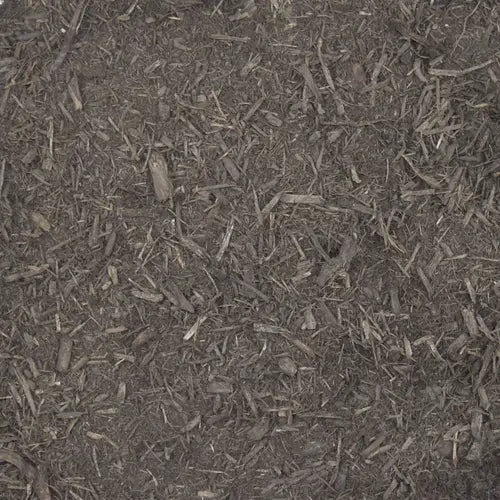
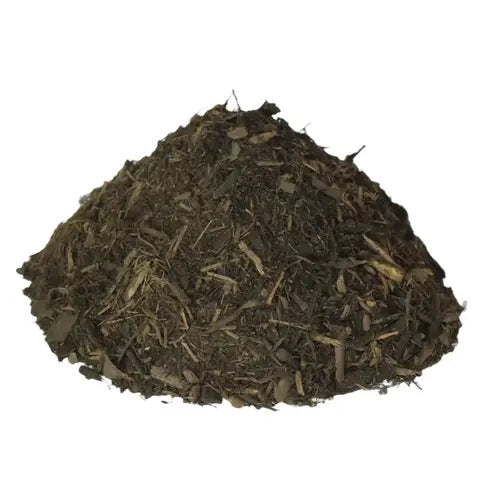
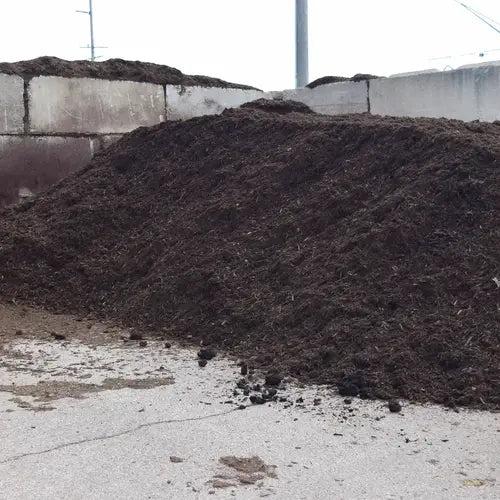
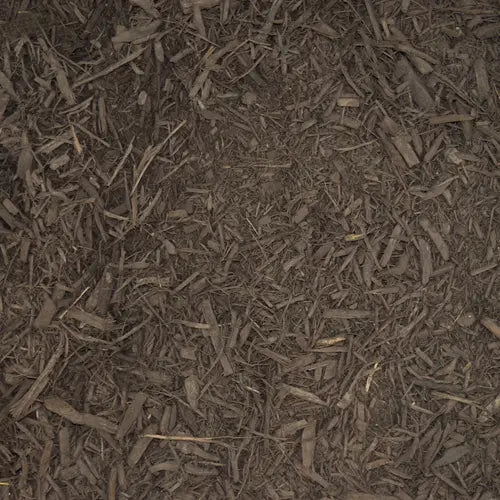
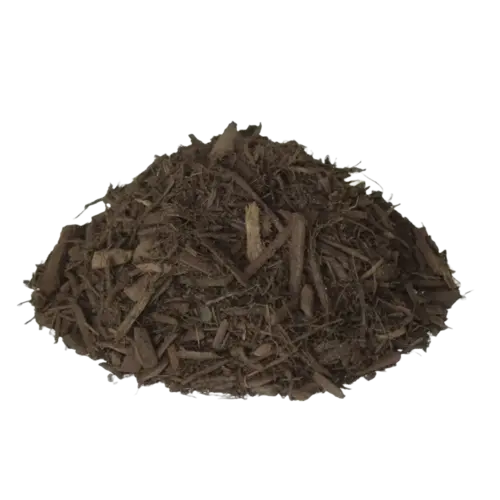
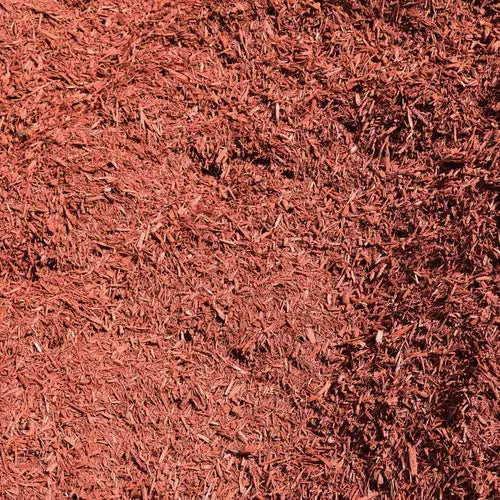
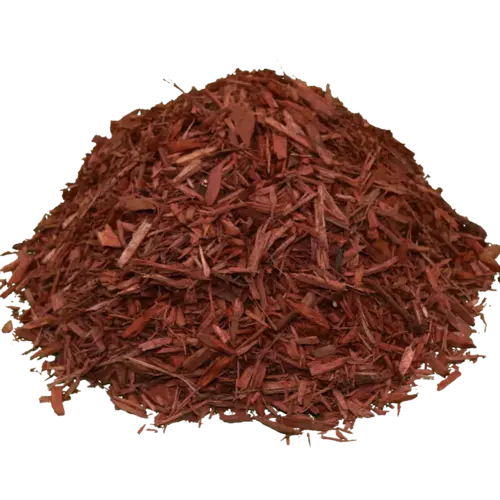
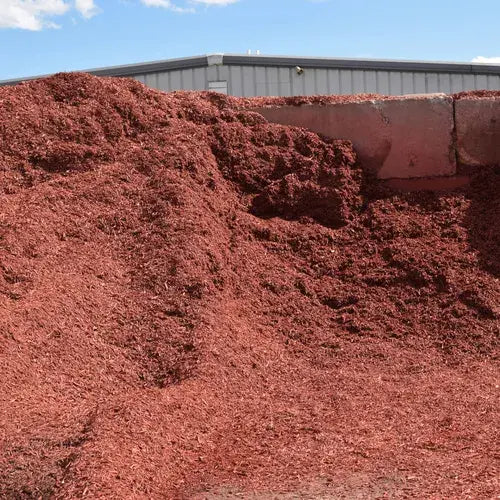
Double shredded pine bark with a distinctive reddish brown color and earthy aroma. Excellent drainage and moisture retention, especially great for acid loving plants.
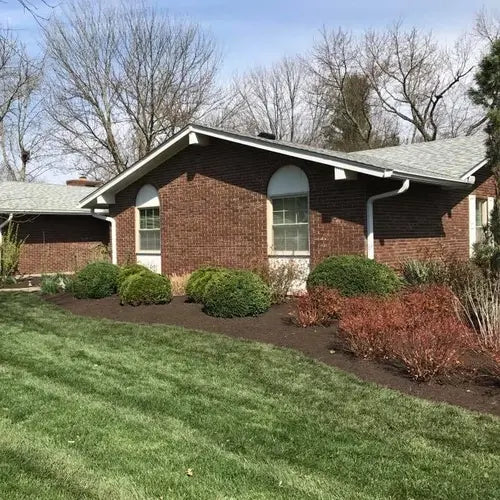
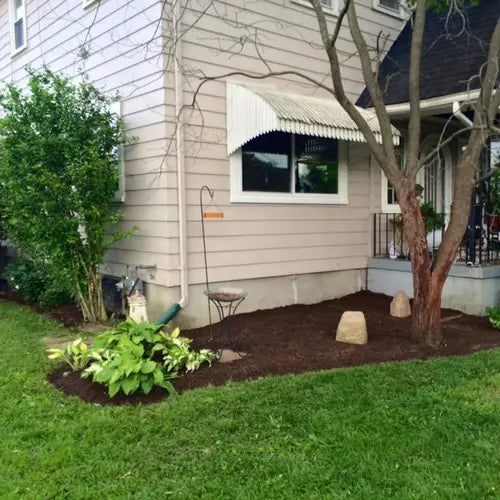
Easy to order, arrived when it was to arrive. Mulch was beautiful! Couldn’t be easier!
Tell us what you're looking for
Thanks! We received your request.
Something went wrong. Please try again.
How Much Material Do I Need?
How Much Material Do I Need?
In Henderson's red clay landscape beds, apply mulch at 3 inches deep for new installations and top off existing beds with 1 to 2 inches each season to maintain that protective layer. Because clay soil shifts and settles, adding slightly more material near bed edges and low spots will keep coverage even through the summer heat.
Use our free mulch calculator
What is a yard?
What is a yard?
FAQs
FAQs
Henderson Mulch Delivery
Henderson Mulch Delivery
Regular price
$61.00
per
yard
Regular price
Sale price
$61.00
Unit price
per
Shipping calculated at checkout.
Minimum of 3 yard
Couldn't load pickup availability
Not currently available
We can't take orders for this right now. Tell us what you need and we'll get back to you.
Hand-picked local yards
4,000+ regional deliveries
Dedicated support
Why order through Mulch Mound
The best local mulch, without the guesswork.
We hand-pick and partner with the best yards in your region, keep only the ones our buyers rate well, and back each load with our guarantee.
Mulch Mound Guarantee
If your mulch isn't the quantity or quality you ordered, we'll make it right.
About this mulch
Double shredded pine bark with a distinctive reddish brown color and earthy aroma. Excellent drainage and moisture retention, especially great for acid loving plants.
Easy to order, arrived when it was to arrive. Mulch was beautiful! Couldn’t be easier!
How Much Material Do I Need?
How Much Material Do I Need?
In Henderson's red clay landscape beds, apply mulch at 3 inches deep for new installations and top off existing beds with 1 to 2 inches each season to maintain that protective layer. Because clay soil shifts and settles, adding slightly more material near bed edges and low spots will keep coverage even through the summer heat.
Use our free mulch calculator
What is a yard?
What is a yard?
FAQs
FAQs
Tell us what you're looking for
Thanks! We received your request.
Something went wrong. Please try again.
How It Works
Getting started is easy — just follow these simple steps
1
Choose your Mulch
Make sure you adjust the quantity to your home's needs. You can use our calculator to estimate how much you'll need.
2
Select your delivery date
Select a delivery date you'd like for the product to be dropped off at your home
3
Sit back and wait
Sit back, wait, and let us work our magic to make sure the highest quality product is delivered to your driveway.

Great experience! Easy to order, they delivered promptly and were very respectful of the property! Ordered the triple shredded brown mulch and it w...
Read full review
Great experience! Easy to order, they delivered promptly and were very respectful of the property! Ordered the triple shredded brown mulch and it was EXACTLY what I wanted. Very clean product too, no garbage or filler. Already put these guys in my calendar to order from next year! Keep up the good work.

Website was easy to use. Mulch was delivered on time and exactly where specified. It makes our front yard look great just in time for spring!
Calculate mulch for your Henderson project
For Henderson's Red Clay type of soil, we recommend 2-3 inches for best weed suppression and moisture retention
Try Our CalculatorMeasure each bed by multiplying its length by its width in feet, then add all totals together for your overall square footage. For Henderson beds with red clay soil, plan on a full 3-inch depth rather than cutting it to 2 inches, since clay's tendency to compact means you want a generous layer to maintain coverage through the season. Divide your total square footage by 108 to get the cubic yards needed for a 3-inch application.
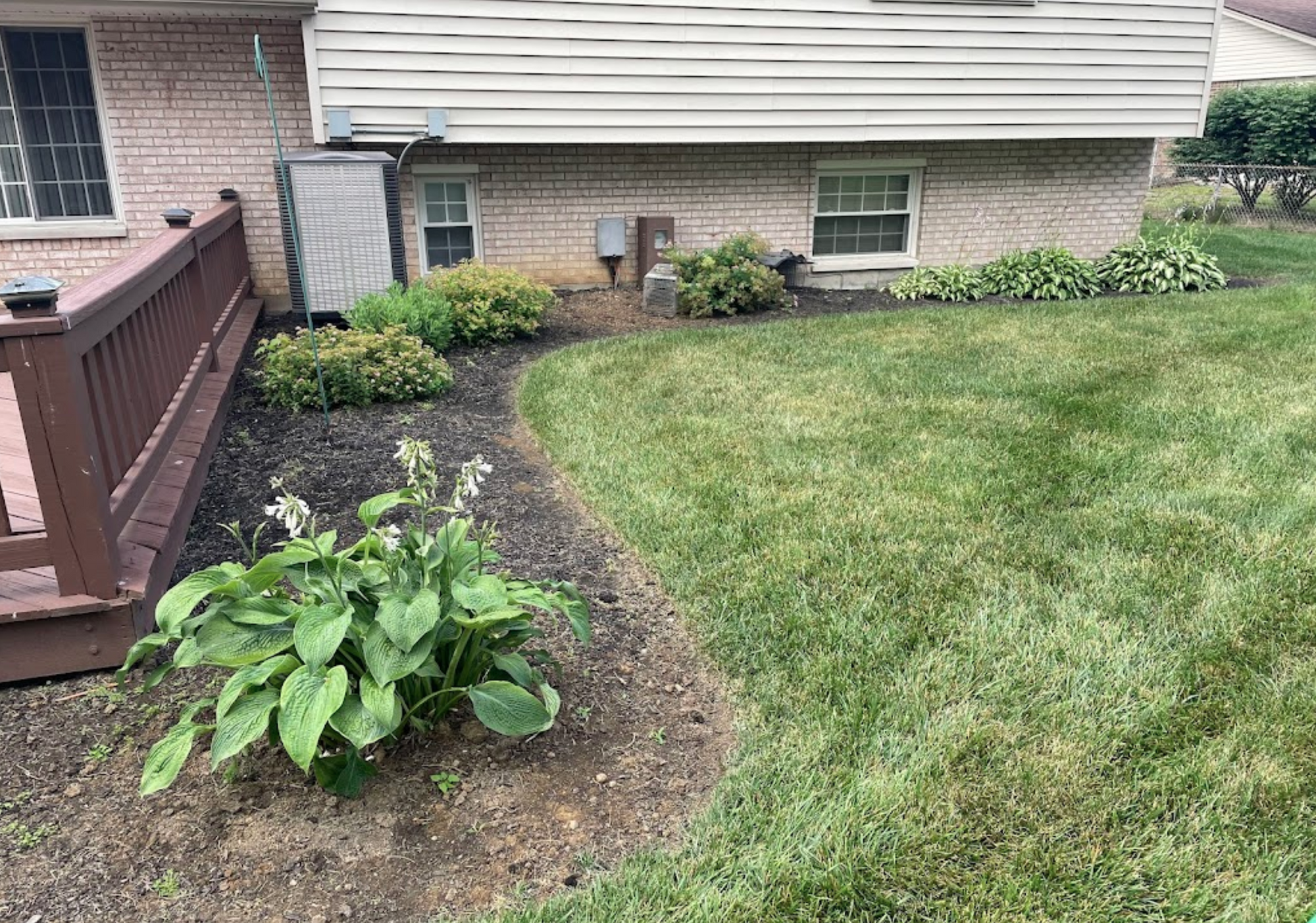

Best Mulch Choice for Henderson Lawns
Most yards in the Henderson area sit on Red Clay type of soil. Henderson's red clay soil is naturally dense and low in organic matter, which makes plant bed establishment genuinely difficult without consistent soil amendment and surface protection.
Hardwood Mulch
Hardwood mulch is particularly well-suited to Henderson's clay soil because as it decomposes it releases humic acids and fine organic particles that work into the clay structure over time, gradually improving drainage and making the soil more hospitable to roots through each growing season.
Mulch Types We Deliver in Henderson
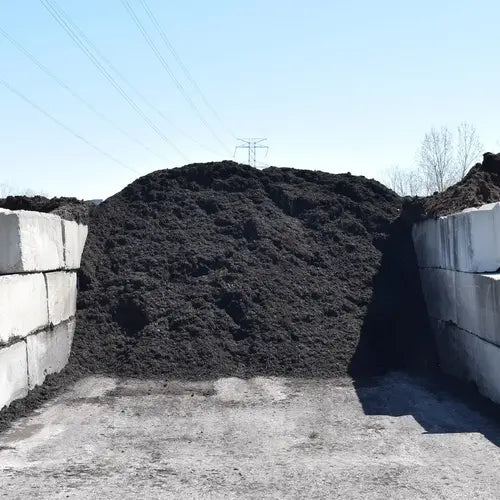
We make bulk mulch delivery in Henderson simple, delivering fresh material by the cubic yard straight to your property. Henderson's warm summers and dense clay soils make a consistent mulch layer essential for moisture retention and weed control. Whether you are refreshing a few beds or covering a large yard, we carry the varieties most local homeowners reach for.
Natural Brown Mulch
Triple shredded to a smooth, even finish, this undyed option suits homeowners who prefer an earthy, natural look. It blends well into Henderson's wooded residential settings, pairs naturally with the area's clay soils, and helps lock in moisture through dry summer stretches without altering the character of your beds.
Dyed Black Mulch
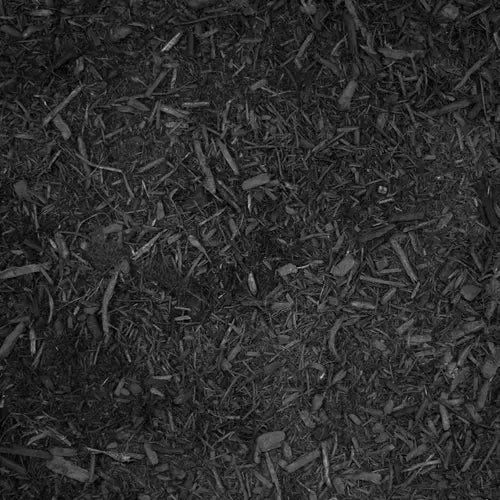
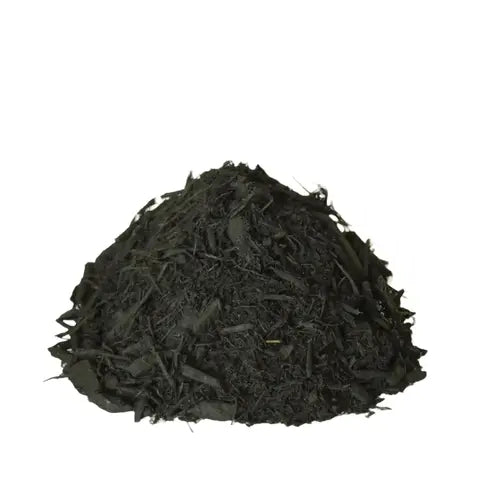
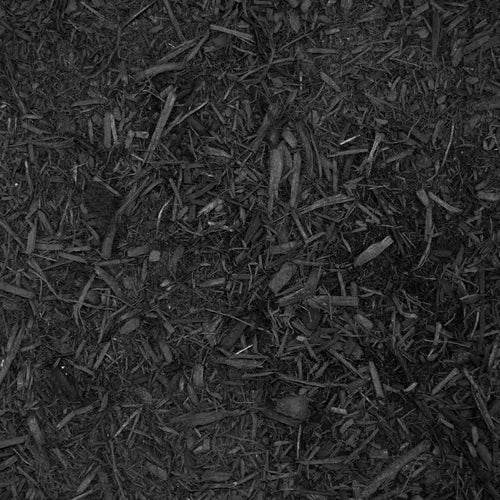
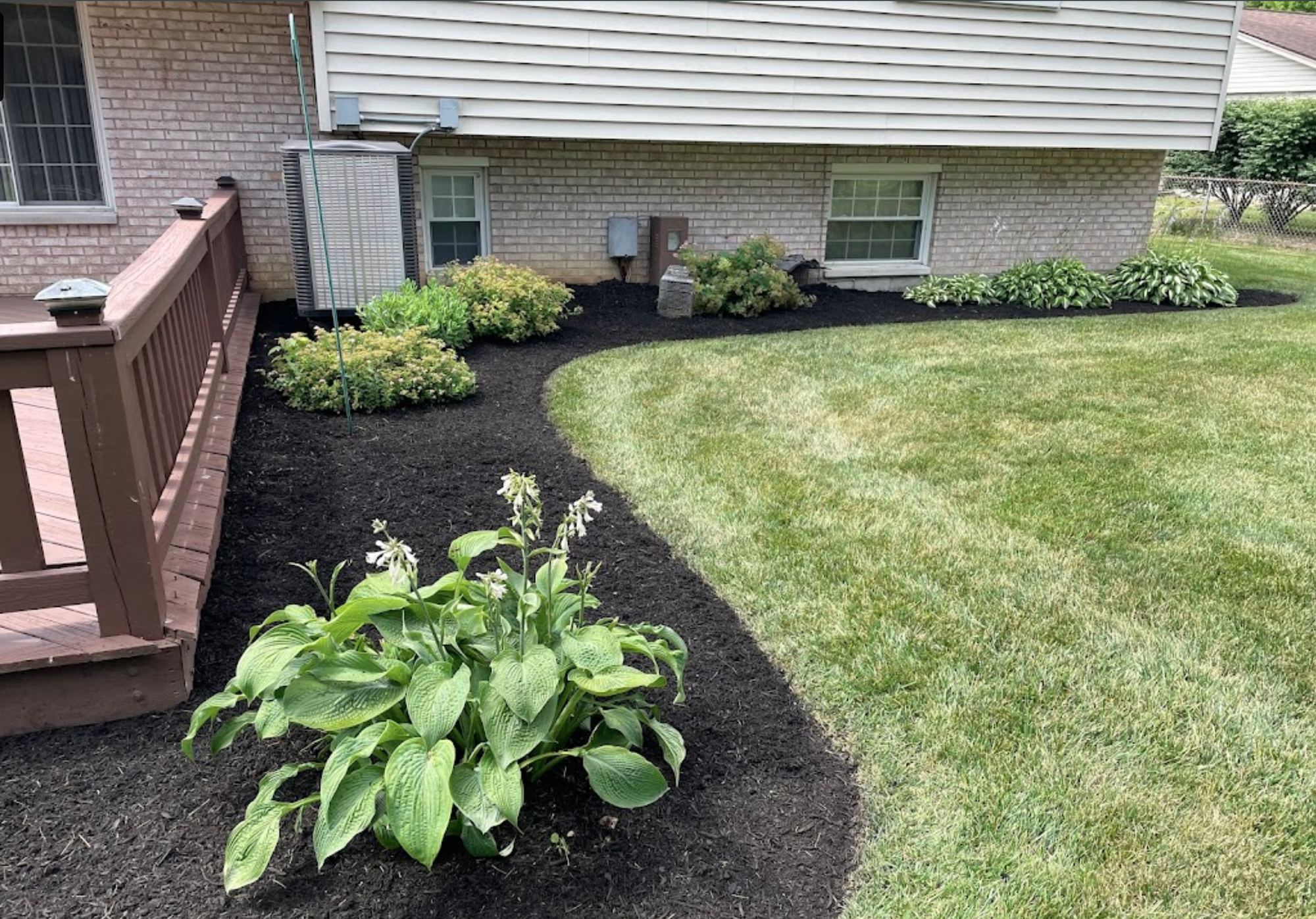
Triple shredded for a fine, uniform texture, this deep black mulch creates bold contrast against green lawns and plantings. It holds color well through the region's humid summers and suits foundation plantings, flower beds, and any landscape where a sharp, finished edge makes an impression.
Dyed Brown Mulch
Triple shredded and dyed a warm brown tone, this variety maintains a freshly applied appearance for weeks even through the heat and rain of a North Carolina summer. It suits traditional home landscapes of all sizes and gives beds a neat, polished finish that holds up through the season.
Complete Your Outdoor Mulch Project
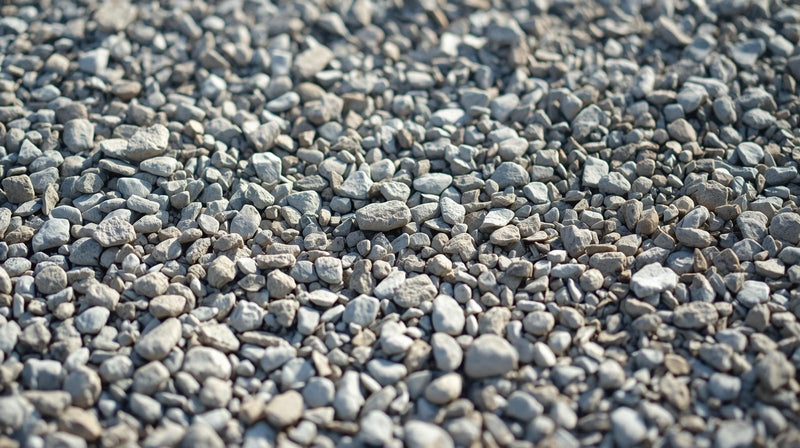
If your beds need rebuilding before mulching, our bulk topsoil and garden mix can correct Henderson's compacted clay base and give your plants a more workable root zone to establish in. Adding stone edging or river rock along bed borders helps lock mulch in place during Henderson's heavier rainstorms and creates a clean, finished appearance that holds up all season.

Mulch Mound Pro Tip
Henderson's red clay tends to form a hard surface crust in midsummer, and even a well-watered bed can turn hydrophobic if the soil dries out completely before mulch goes down. Before laying fresh mulch, loosen the top inch of soil with a cultivator and water the bed deeply so moisture is already present in the clay. This gives newly planted roots the best possible start and helps the mulch perform its moisture-retention job from day one rather than sitting on top of a dry, impenetrable clay surface.
Mulch Mound Pro Tip
Pull mulch back about 3 to 4 inches from the base of shrubs and tree trunks before Henderson's first frost date of October 18. Mulch piled against woody stems stays damp through the cool, wet fall and winter months, creating conditions that invite fungal rot and rodent nesting. A neat mulch-free ring around each plant costs nothing and protects the long-term investment you have made in your landscape.
Mulch Mound Pro Tip
Henderson receives about 45 inches of rain per year, and a significant portion falls in spring and early summer thunderstorms that can move a surprising amount of mulch in a short time. Installing a simple steel or aluminum bed edging along any bed that borders a lawn or driveway acts as a dam and keeps your mulch where you put it. After a heavy storm, a quick check and minor redistribution with a rake is all it takes to keep beds looking fresh all season long.
The Unique Landscape of Henderson
Henderson sits at 502 feet in the North Carolina Piedmont, where red clay soil dominates nearly every yard and planting bed. That clay bakes into a hard, cracked surface during the dry stretches of July and August, then turns into a waterlogged mess after heavy autumn rains. A consistent layer of mulch is one of the most effective tools Henderson gardeners have for managing these wild swings in soil moisture and temperature across the growing season. With an average of 45 inches of rain spread unevenly throughout the year, mulch slows surface runoff and helps water penetrate the clay rather than sheet off it. From the last frost around April 21 through the first frost near October 18, plants are actively competing with weeds that thrive in Henderson's warm, humid summers. Keeping fresh mulch in your beds is a season-long investment in healthier roots, fewer weeds, and a better-looking landscape.