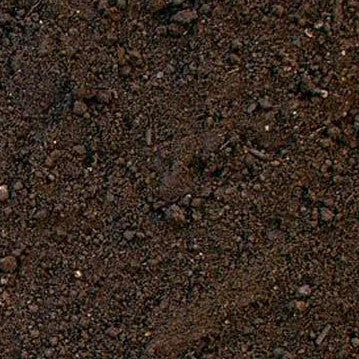
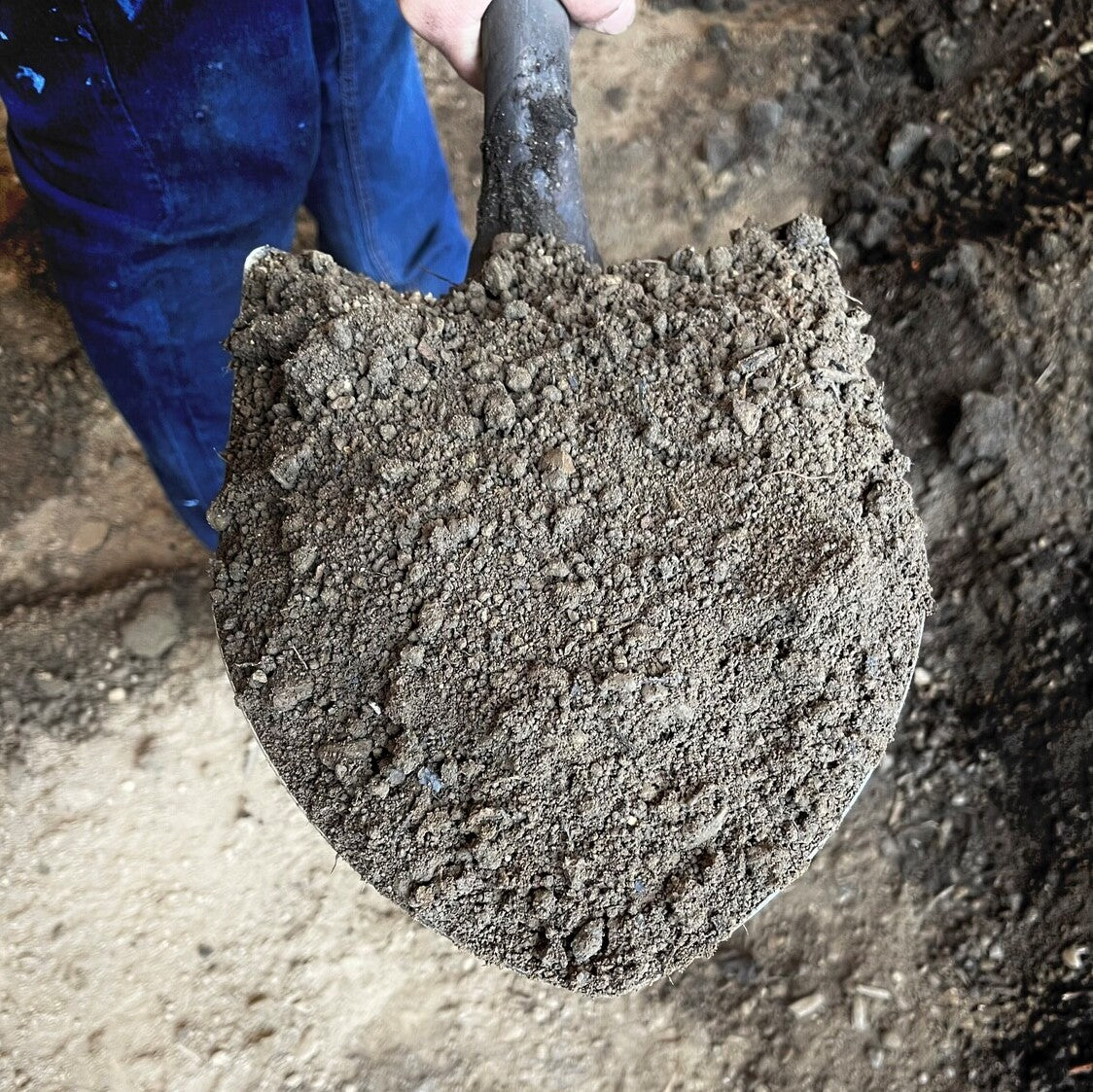
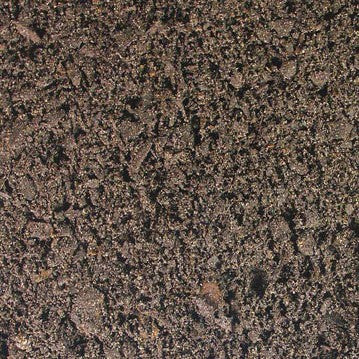
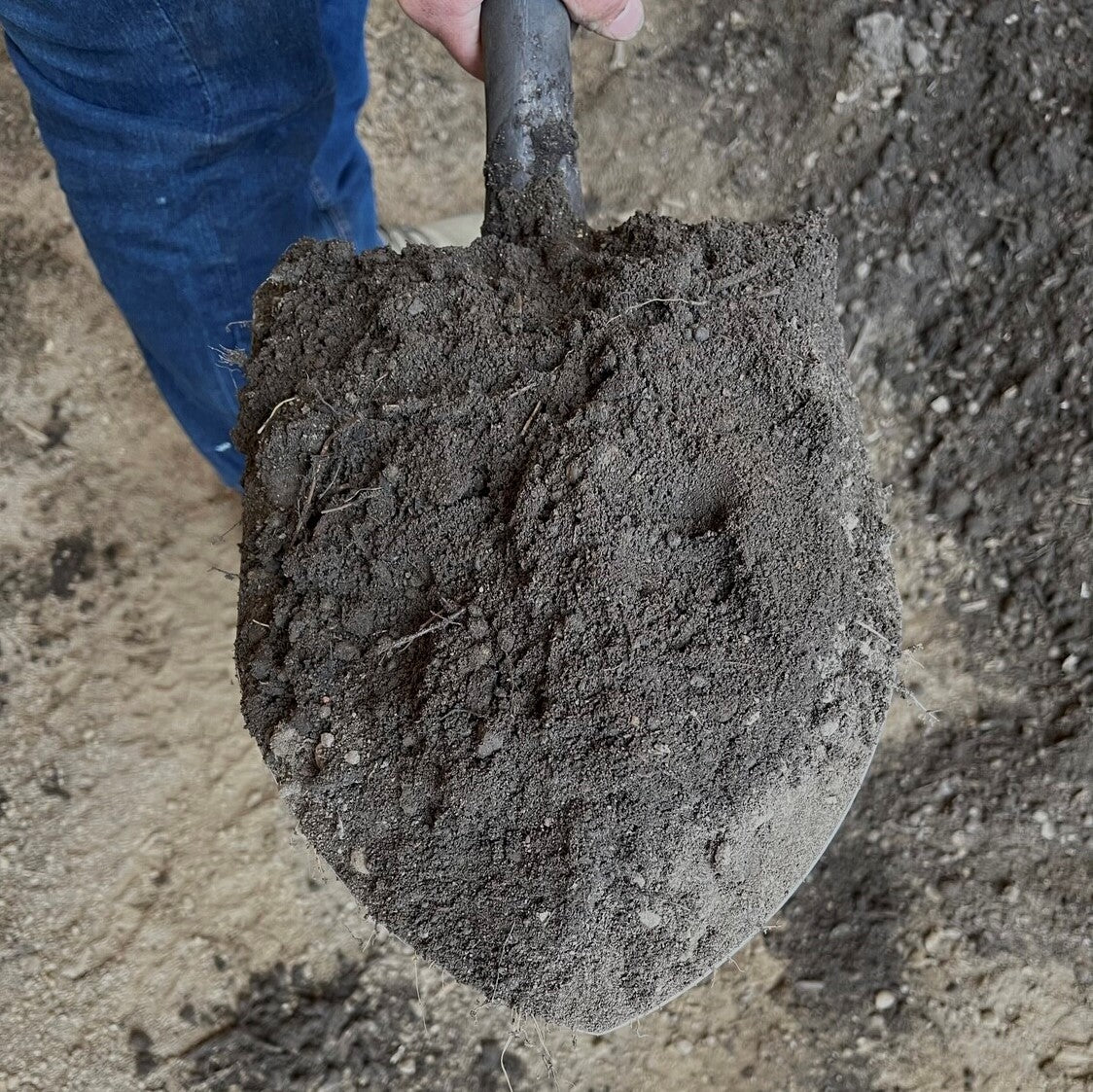
Quality topsoil for lawns, gardens, and landscape projects. Nutrient rich and ready to support strong root development and healthy plant establishment.
We got 3 yards of the gardening top soil. It was great quality, not many chunks and seems good for growing, just waiting for all my plants to love it.
We had more than enough soil to fill a raised bed we made and landscaped around a patio. I do wish we could do less tha...
Tell us what you're looking for
Thanks! We received your request.
Something went wrong. Please try again.
How Much Material Do I Need?
For new planting beds on top of Henderson's red clay, plan on 4 to 6 inches of topsoil or garden mix, which works out to roughly 1.2 to 1.9 cubic yards per 100 square feet. Lawn leveling and grading work typically uses thinner layers of 1 to 3 inches spread across a larger surface area.
Use our free soil calculator
What is a yard?
A yard is approximately 27 cubic feet. As a general guideline, one yard of material can cover an area of about 100-160 square feet at a 2-3 inch depth.
We can't take orders for this right now. Tell us what you need and we'll get back to you.
What do you need?
Thanks! We received your request.
Something went wrong. Please try again.
Hand-picked local yards
4,000+ regional deliveries
Dedicated support
Why order through Mulch Mound
The best local soil, without the guesswork.
We hand-pick and partner with the best yards in your region, keep only the ones our buyers rate well, and back each load with our guarantee.
Mulch Mound Guarantee
If your soil isn't the quantity or quality you ordered, we'll make it right.
About this soil
Quality topsoil for lawns, gardens, and landscape projects. Nutrient rich and ready to support strong root development and healthy plant establishment.
We got 3 yards of the gardening top soil. It was great quality, not many chunks and seems good for growing, just waiting for all my plants to love it.
We had more than enough soil to fill a raised bed we made and landscaped around a patio. I do wish we could do less tha...
How Much Material Do I Need?
For new planting beds on top of Henderson's red clay, plan on 4 to 6 inches of topsoil or garden mix, which works out to roughly 1.2 to 1.9 cubic yards per 100 square feet. Lawn leveling and grading work typically uses thinner layers of 1 to 3 inches spread across a larger surface area.
Use our free soil calculator
What is a yard?
A yard is approximately 27 cubic feet. As a general guideline, one yard of material can cover an area of about 100-160 square feet at a 2-3 inch depth.
We got 3 yards of the gardening top soil. It was great quality, not many chunks and seems good for growing, just waiting for all my plants to love ...
Read full review
We got 3 yards of the gardening top soil. It was great quality, not many chunks and seems good for growing, just waiting for all my plants to love it.
We had more than enough soil to fill a raised bed we made and landscaped around a patio. I do wish we could do less than 3 yds delivered but I understand the limitations.
My only concern was we requested it on the top left of our driveway since we had mulch on the other side, they ended up pouring it on top of the mulch (it was covered with a tarp so not ruined) making it difficult to complete our landscaping in a timely fashion.
For garden beds and raised beds in Henderson, measure the length and width of the area in feet and multiply by the intended depth in feet to get cubic feet, then divide by 27 to convert to cubic yards. Because Henderson's red clay tends to have an uneven surface with low spots and settled humps from years of compaction, walk the area before measuring and note any spots that need extra filling. A small surplus on your order is always easier to manage than running short mid-project.
Soil Types We Deliver in Henderson
Henderson homeowners and gardeners rely on quality bulk soil delivery to build up yards, raised beds, and planting areas across the region. Whether you are starting a new lawn or refreshing a garden, ordering bulk topsoil by the yard in Henderson is the most practical way to get the volume you need. We deliver directly to your property so you can get to work right away.
Screened Top Soil
Our screened topsoil is finely processed to remove rocks, clumps, and debris, giving you a clean and workable base for lawns, garden beds, and grading projects. It is nutrient rich and well suited to the sandy or clay-heavy native soils common in this part of North Carolina, helping establish strong, healthy root systems.
Gardening Blend Soil
This standard gardening blend is formulated to give vegetable gardens, flower beds, and raised planters a nutrient-dense growing environment. It works especially well in Henderson yards where native soil may need amendment, providing the organic matter and loose texture that supports vigorous plant establishment through the region's warm growing seasons.
Complete Your Outdoor Soil Project
After establishing your new soil base, finishing your beds with a 3-inch layer of hardwood mulch will protect the investment by locking in moisture and slowing the re-compaction that Henderson's clay naturally encourages over time. If you are grading or creating pathways around garden areas, our stone products provide durable, low-maintenance borders and walkway surfaces that pair well with fresh topsoil installations.
My yard is almost pure red clay. How much topsoil do I need to add before planting?
For a new planting bed in Henderson's red clay, adding 4 to 6 inches of quality topsoil or garden mix on top of the loosened native clay gives roots a workable zone to establish before they reach the denser soil below. If you are growing shallow-rooted annuals or ground covers, 4 inches is often enough. For shrubs and perennials that will be in the ground for years, the full 6 inches gives them the best long-term environment. Tilling the top few inches of the native clay before adding new soil helps the two layers bond rather than sitting as separate, distinct zones.
Answer
Can I use bulk topsoil to fix the low spots and standing water in my Henderson lawn?
Yes, and this is one of the most common uses for bulk topsoil delivery in Henderson. Low spots collect water after heavier rainfalls and can stay wet for days in red clay soil that drains very slowly. Filling and grading those low spots with topsoil encourages better drainage and gives grass roots a healthier growing environment. Apply in layers no thicker than an inch or two at a time over existing turf so the grass can grow through rather than being smothered.
Answer
What is the difference between topsoil and garden mix, and which one should I be using in Henderson?
Topsoil is a screened, natural mineral soil that works well for grading, filling, and general lawn repairs. Garden mix blends topsoil with compost and other organic matter to create a richer, looser growing medium. In Henderson's red clay conditions, garden mix is the better choice for any planting bed because it provides both the nutrients young plants need and the open texture that makes it easy for roots to spread. Save screened topsoil for grading work, lawn leveling, and situations where you simply need volume to fill a space.
Answer
When is the best time of year to bring in new soil for my Henderson yard?
Early spring, just after the last frost date around April 21, is ideal for soil work tied to planting beds and vegetable gardens. The soil is workable, plants are about to enter their active growth phase, and you have the full Henderson growing season ahead to see results. Fall soil work done in September or early October before the first frost around October 18 works well for lawn repairs and grading projects, since cool-season grasses establish reliably in the mild fall temperatures Henderson typically sees.
Answer
How do I keep new topsoil from washing away on my sloped Henderson lot?
Slope erosion is a genuine concern in Henderson given the combination of clay-heavy native soil and rainfalls that can be intense and concentrated. On slopes, apply topsoil in a firm, compacted layer and seed or plant it as quickly as possible after spreading. Covering fresh soil with a light layer of straw or an erosion control blanket buys you time for root establishment before the next rain event. Installing stone edging or a simple retaining border at the downhill edge of any raised bed also keeps material from migrating downhill.
Answer
Will adding topsoil and regrading help with the water pooling near my foundation?
Topsoil can be part of a grading solution if the issue is that the ground near your foundation slopes toward the house rather than away from it. Regrading with topsoil to create a positive slope, dropping at least 6 inches over the first 10 feet away from the foundation, redirects water effectively. However, if the drainage problem stems from Henderson's underlying clay holding water in a specific low spot, you may also need a gravel-filled French drain or stone drainage channel alongside the regrading work.
Answer
How much soil should I order for a raised vegetable garden bed?
A standard raised bed that is 4 feet by 8 feet and 12 inches deep requires about 1.2 cubic yards of soil. Henderson vegetable gardeners often prefer raised beds precisely because they allow you to completely bypass the red clay below and create an ideal growing environment from scratch. For a 10-inch-deep bed, which is plenty for most vegetables, the same 4-by-8 footprint takes about 1 cubic yard. Ordering a slight surplus is smart since soil settles after watering and you will likely want to top off your beds at the start of each new growing season.
Mulch Mound Pro Tip
When you spread new topsoil over Henderson's red clay, take the extra step of tilling or aerating the native clay surface to a depth of 3 to 4 inches before placing your new material. If you simply lay fresh soil on top of undisturbed clay, the boundary between the two layers can become a barrier where water pools and roots stall. Breaking up that interface layer creates a gradual transition that lets roots and water move more naturally between the new soil and the dense clay below.
Mulch Mound Pro Tip
Henderson's warm Zone 7b climate means your new soil will be biologically active for a long stretch of the year, from late April through mid-October. Adding a layer of compost to the top of fresh topsoil before planting introduces the microbial life that drives nutrient cycling and helps plant roots colonize new soil quickly. Even a half-inch of quality compost worked into the top few inches of your new bed can dramatically improve how fast plants establish in that critical first season.
Mulch Mound Pro Tip
For vegetable and herb gardens started after the April 21 last frost date, avoid compacting your new soil by working from outside the bed rather than stepping inside the growing area. Henderson's fine-textured topsoil and garden mixes are far more prone to compaction than sandy or loamy soils, and foot traffic on a newly installed bed can undo the open, workable structure you paid for. Using a kneeling board or building beds narrow enough to reach the center from the sides keeps your soil loose and productive season after season.
The Unique Landscape of Henderson
Henderson's native red clay soil creates a frustrating cycle for homeowners trying to grow lawns, gardens, and landscape beds. It compacts under foot traffic and heavy rain, drains poorly after storms, and dries into a surface so hard that roots struggle to penetrate it during the dry stretches of summer. At 502 feet of elevation in the North Carolina Piedmont, the terrain around Henderson also has enough slope variation that soil erosion after heavy rains is a real and recurring problem. Bringing in quality bulk topsoil or garden soil lets you break that cycle by creating a root zone that actually supports plant growth above the dense clay layer beneath. Whether you are building raised vegetable beds, grading a low spot in the lawn, or establishing a new planting area, starting with the right soil makes every other landscaping effort more effective. Henderson's growing window from the last frost around April 21 to the first frost near October 18 gives you a generous stretch of season to see strong results when you begin with a solid soil foundation.