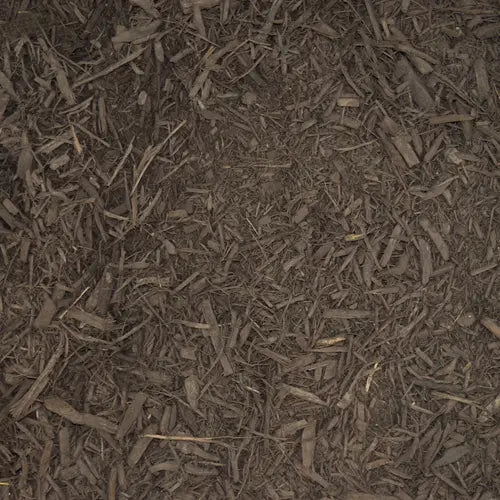
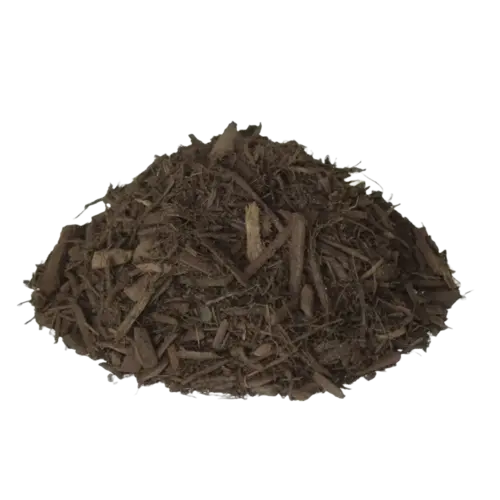
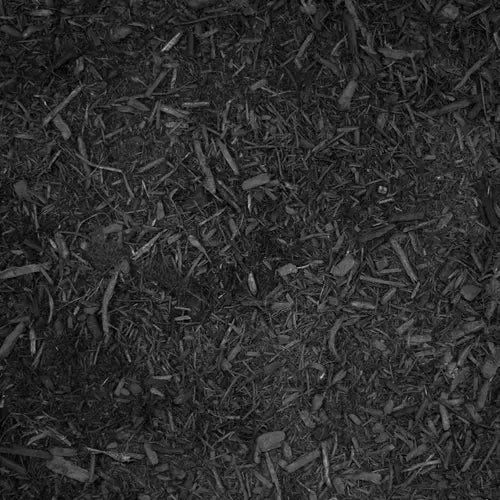
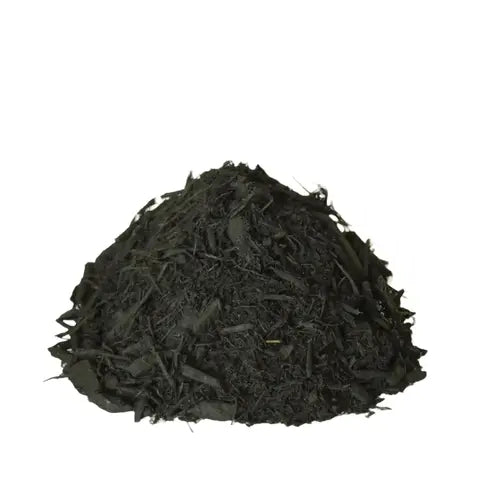
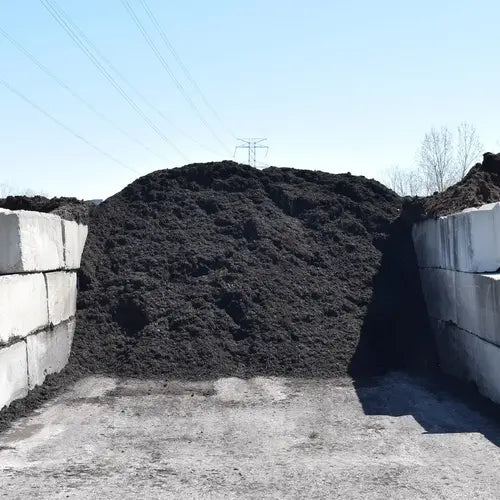
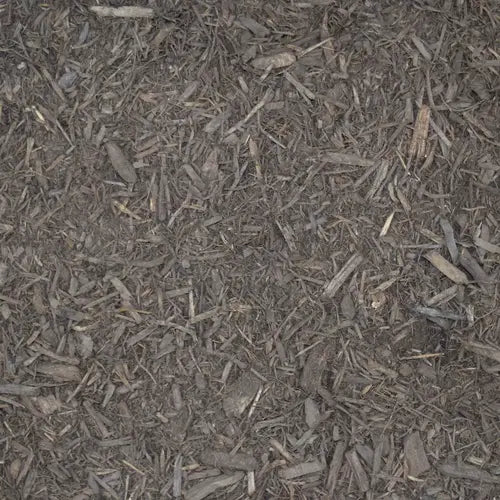
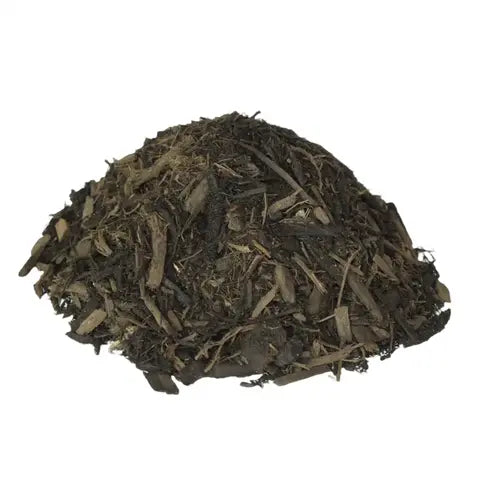
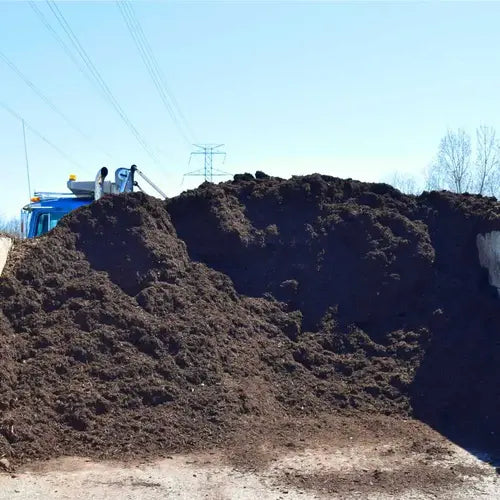
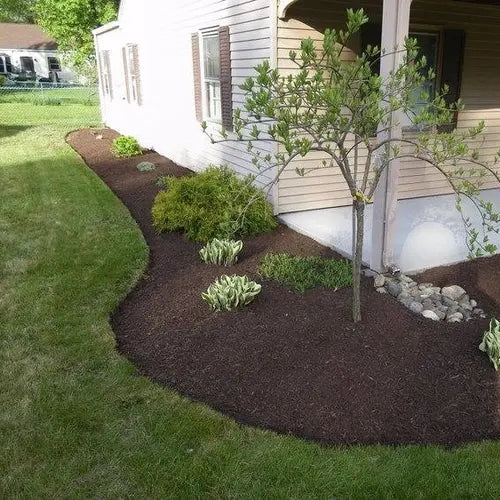
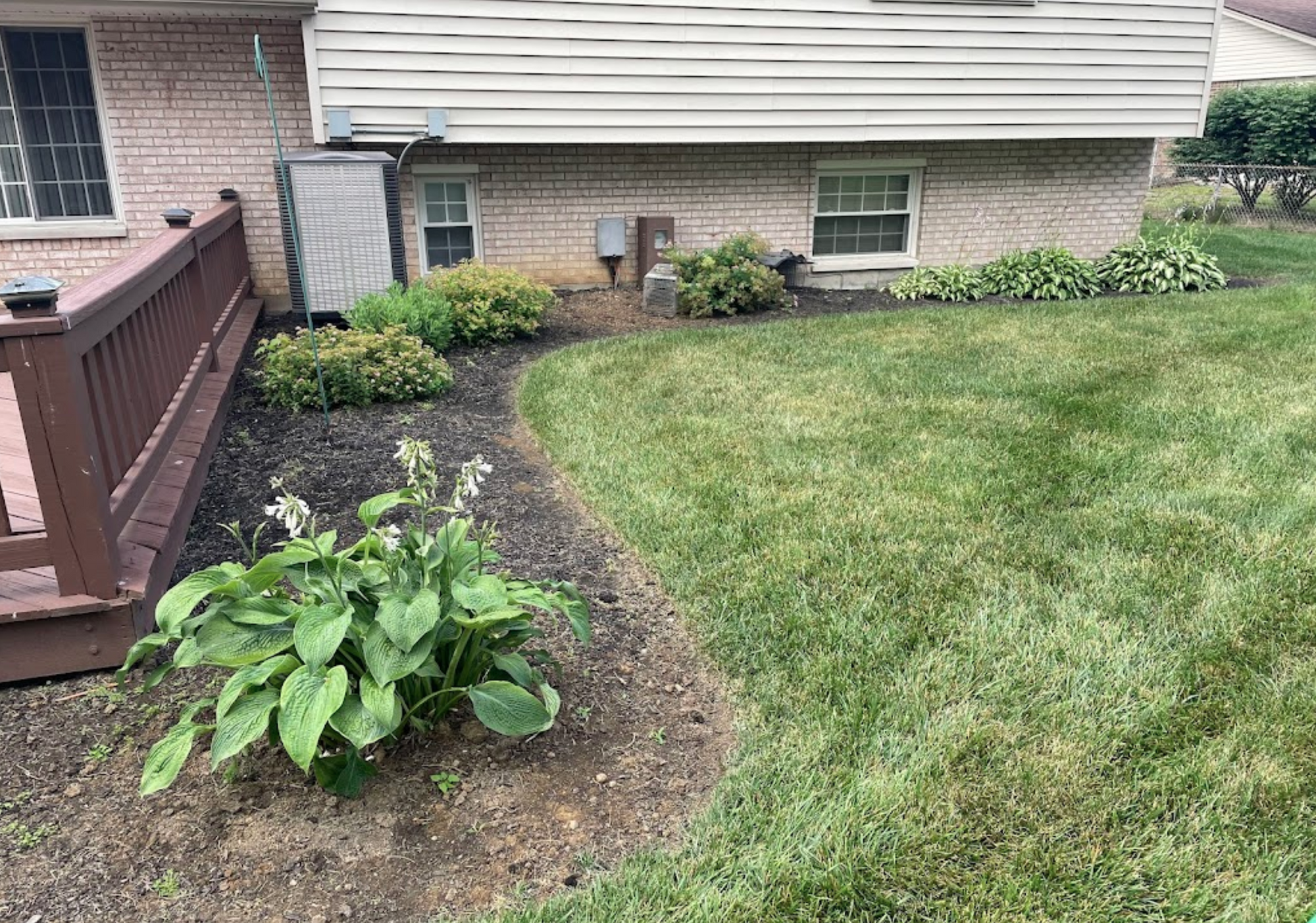
Warm brown double shredded mulch with lasting color that looks freshly applied for weeks. Spreads smooth, stays put, and gives beds a natural, polished appearance.
Mulch Mound made it so easy! So happy with the pricing, turn around time, delivery and product. I submitted my online order on a Thursday. The mulch was delivered to the designated location by a local landscape company at 8:30 a.m. the following Saturday morning. We had the...
Tell us what you're looking for
Thanks! We received your request.
Something went wrong. Please try again.
How Much Material Do I Need?
For Hillsdale's clay loam soil, apply mulch at 2 to 3 inches deep, staying toward the lower end in low-lying areas prone to standing water and toward the higher end on slopes where erosion from the area's frequent heavy rains is a concern.
Use our free mulch calculator
What is a yard?
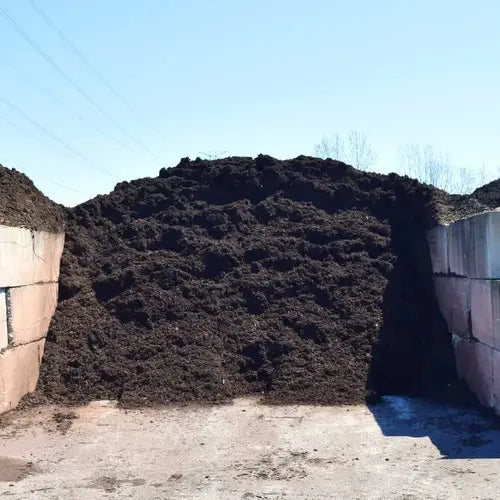
A yard is approximately 27 cubic feet. As a general guideline, one yard of material can cover an area of about 100-160 square feet at a 2-3 inch depth.
We can't take orders for this right now. Tell us what you need and we'll get back to you.
What do you need?
Thanks! We received your request.
Something went wrong. Please try again.
Hand-picked local yards
4,000+ regional deliveries
Dedicated support
Why order through Mulch Mound
The best local mulch, without the guesswork.
We hand-pick and partner with the best yards in your region, keep only the ones our buyers rate well, and back each load with our guarantee.
Mulch Mound Guarantee
If your mulch isn't the quantity or quality you ordered, we'll make it right.
About this mulch
Warm brown double shredded mulch with lasting color that looks freshly applied for weeks. Spreads smooth, stays put, and gives beds a natural, polished appearance.
Mulch Mound made it so easy! So happy with the pricing, turn around time, delivery and product. I submitted my online order on a Thursday. The mulch was delivered to the designated location by a local landscape company at 8:30 a.m. the following Saturday morning. We had the...
How Much Material Do I Need?
For Hillsdale's clay loam soil, apply mulch at 2 to 3 inches deep, staying toward the lower end in low-lying areas prone to standing water and toward the higher end on slopes where erosion from the area's frequent heavy rains is a concern.
Use our free mulch calculator
What is a yard?
A yard is approximately 27 cubic feet. As a general guideline, one yard of material can cover an area of about 100-160 square feet at a 2-3 inch depth.
Mulch Mound made it so easy! So happy with the pricing, turn around time, delivery and product. I submitted my online order on a Thursday. The mu...
Read full review
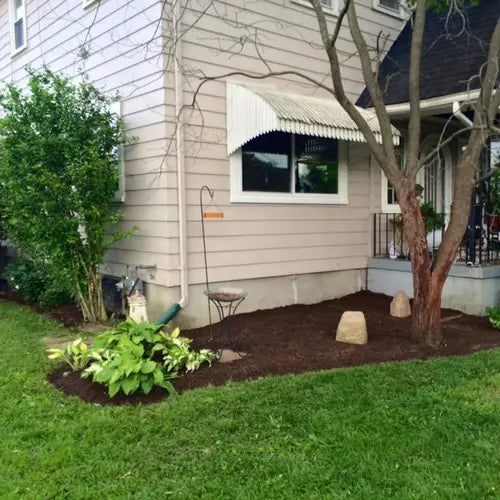
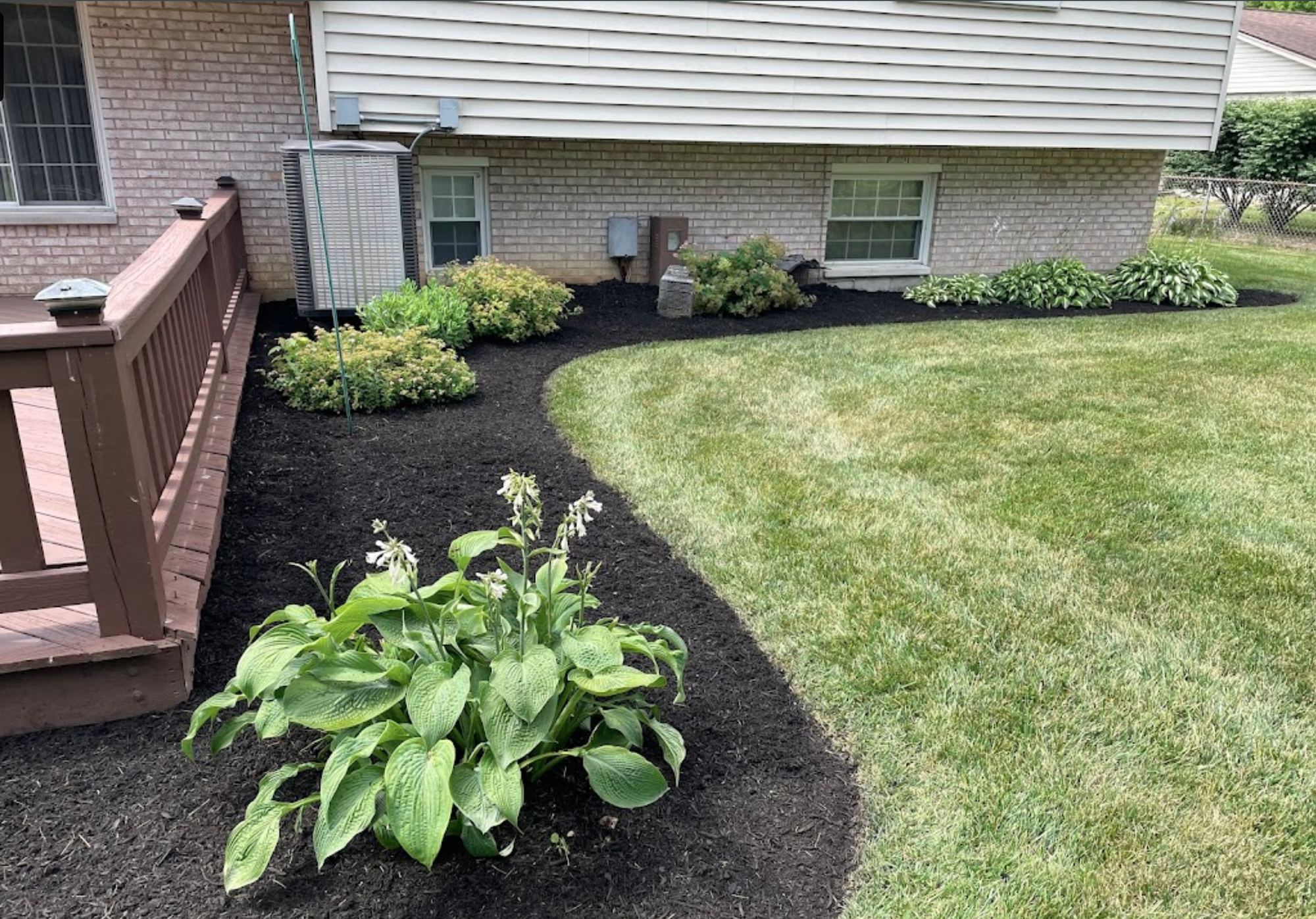
Mulch Mound made it so easy! So happy with the pricing, turn around time, delivery and product. I submitted my online order on a Thursday. The mulch was delivered to the designated location by a local landscape company at 8:30 a.m. the following Saturday morning. We had the job completed by that afternoon. We chose the natural brown mulch, and the plant beds are beautiful.
Good quality, great price, fast delivery. All online - no submitting forms and waiting for days for quotes. Getting mulch should be this easy fr...
Read full review
Good quality, great price, fast delivery. All online - no submitting forms and waiting for days for quotes. Getting mulch should be this easy from everyone. Only Mulch Mound is ACTUALLY this simple.
I highly recommend Mulch Mound. The quality of the mulch is very good. The ordering system on their website makes it very easy. The delivery driver...
Read full review
I highly recommend Mulch Mound. The quality of the mulch is very good. The ordering system on their website makes it very easy. The delivery driver did a great job placing the mulch on the driveway. To finish off, the pricing was very reasonable as well.
To get an accurate estimate for your Hillsdale beds, measure each planting area in feet and calculate the square footage before entering it into the calculator. Because clay loam soil is dense and can form a hard crust when exposed, we recommend planning for a full 3 inch application to ensure even coverage and effective weed suppression across the season. Adding up irregular shapes is easiest if you sketch out your beds first and break them into rough rectangles before measuring.
Mulch vs. No Mulch: The Difference
Hillsdale's 48 inches of annual rainfall speeds up the breakdown of natural hardwood mulch, which means it feeds clay loam soil with organic matter more quickly but also requires more frequent replenishment than it would in drier climates. Dyed or color-enhanced mulch uses a more processed wood base that resists decomposition longer, holding its appearance through wet summers and heavy spring rains that would otherwise fade a natural product within one season. Choosing between them often comes down to whether you prioritize long-term soil-building benefits or consistent visual appeal through Hillsdale's active growing months.
Before
After
Best Mulch Choice for Hillsdale Lawns
Most yards in the Hillsdale area sit on Clay Loam type of soil. Hillsdale's clay loam soil can form a dense, compacted surface layer over time that makes it difficult for water and nutrients to penetrate to the root zone during the growing season.
Hardwood Mulch
Hardwood mulch breaks down steadily in Hillsdale's moist climate, releasing organic matter that gradually loosens the clay loam's tight particle structure and improves both drainage and aeration across multiple growing seasons.
Mulch Types We Deliver in Hillsdale
Mulch Mound makes bulk mulch delivery in Hillsdale easy, delivering material by the cubic yard straight to your property. Bergen County's wet springs and warm summers reward a quality mulch that holds its color and helps soil retain moisture through the growing season.
Dyed Black Mulch
A top choice for bold contrast, dyed black mulch makes plantings and stone edging stand out. Available in double shredded and triple shredded styles, it holds its rich color through rain and sun and spreads smoothly over the clay soils common in this area.
Dyed Brown Mulch
Warm and natural looking, dyed brown mulch suits the traditional home styles common throughout this part of New Jersey. Choose double shredded for an even spread or triple shredded for a finer finish on formal beds. The color stays fresh through summer heat.
Natural Brown Mulch
Natural brown mulch skips the dye and lets the wood's own earthy tone do the work, making it a clean choice for organic and naturalistic gardens. Available in double shredded and triple shredded styles, it pairs well with the wooded lots common in Bergen County.
Cedar Mulch
Cedar mulch is naturally aromatic and acts as a mild insect deterrent, which suits the wooded yards common in this part of Bergen County. Available in double shredded only, it has a fine texture and breaks down slowly for lasting coverage.
Complete Your Outdoor Mulch Project
If your beds need a soil refresh before mulching, pair your mulch order with a bulk topsoil or garden soil delivery to improve drainage in Hillsdale's dense clay loam base first. Adding a border of decorative stone along bed edges also helps contain mulch during heavy rain events that are common across the area throughout the year.
Hillsdale's clay loam soil tends to compact under foot traffic and heavy rainfall, forming a surface crust that reduces water absorption. Before laying fresh mulch each spring, loosen the top inch or two of soil with a hand cultivator to break up any hardened surface layer. This simple step helps water and nutrients move through the soil more freely and allows the mulch layer to bond more naturally with the ground beneath it, improving overall plant bed health through the growing season.
Mulch Mound Pro Tip
Time your mulch applications around Hillsdale's frost calendar for best results. Spreading mulch after the last frost, typically around April 10, prevents you from locking cold temperatures into the soil just as it is trying to warm up for the growing season. A light mulch refresh in mid to late October, before the first frost around the 29th, protects root systems through winter without trapping excess moisture that can encourage rot during the cold wet months that follow.
Mulch Mound Pro Tip
With Hillsdale receiving roughly 48 inches of rain annually, organic mulch breaks down faster here than in drier regions, which is actually a benefit for the local clay loam soil. Decomposing mulch adds organic matter that gradually loosens the dense soil structure and improves both drainage and aeration over multiple seasons. Plan to replenish your mulch layer every spring to maintain consistent depth, because skipping a year can leave soil exposed to compaction and aggressive weed pressure during the wettest parts of the growing season.
Frequently Asked Questions
Click a question to see the answer
Answer
How thick should I apply mulch in my Hillsdale yard given the clay loam soil underneath?
In Hillsdale's clay loam soil, aim for a 2 to 3 inch layer of mulch. Clay loam already retains moisture well on its own, so applying mulch too thickly, say 4 or more inches, can trap excess water and lead to root rot or fungal issues, especially during the wet spring season when the area sees some of its heaviest rainfall. Keeping the layer at 2 to 3 inches strikes the right balance between weed suppression and healthy drainage in these dense native soils.
Answer
When is the best time to put down fresh mulch in Hillsdale?
The ideal time to mulch in Hillsdale is shortly after the last frost, which typically falls around April 10. Applying mulch too early in spring can insulate cold soil and slow its warming, which delays planting and root activity. A mid to late April application lets the soil warm naturally and then locks in moisture as the growing season ramps up, giving your plants a strong start through Hillsdale's warm summer months.
Answer
Will mulch actually help with the weeds that keep coming back in my Hillsdale beds?
Yes, a consistent mulch layer is one of the most effective weed management tools available to Hillsdale homeowners. Clay loam soil holds onto weed seeds well, and with 48 inches of annual rainfall keeping the soil surface moist for much of the year, weed germination stays active across most of the growing season. A 2 to 3 inch mulch layer blocks sunlight from reaching the soil surface and cuts down dramatically on weed sprouting without relying on chemical treatments.
Answer
Does mulch decompose faster in Hillsdale because of all the rainfall the area gets?
It does break down somewhat faster than in drier climates. Hillsdale receives about 48 inches of rain per year, and that consistent moisture accelerates the decomposition of organic mulch, especially shredded hardwood varieties. This is actually beneficial because decomposing mulch adds organic matter to the clay loam soil below, improving its structure and drainage over time. Plan to top off your mulch layer once a year, typically each spring after the last frost passes.
Answer
Should I use natural hardwood mulch or dyed mulch around my shrubs and garden beds?
Both work well in Hillsdale, but the choice comes down to your priorities. Natural hardwood mulch decomposes faster in the area's rainy climate and feeds the clay loam soil with organic matter that helps loosen its dense texture over several seasons. Dyed mulch holds its color longer through Hillsdale's wet summers and is a good choice for high-visibility beds where appearance matters most. Either way, keep mulch pulled back a few inches from plant stems to prevent moisture buildup at the crown.
Answer
How do I figure out how many yards of mulch I need for my Hillsdale property?
Measure the length and width of each bed in feet, multiply them together to get square footage, then multiply by your desired depth expressed in feet, which is 0.17 for a 2 inch layer or 0.25 for a 3 inch layer. Divide that result by 27 to convert cubic feet to cubic yards. For the irregular bed shapes common in Hillsdale's landscaped yards, break each area into smaller rectangles and add the totals. Our online calculator can also walk you through the process step by step.
Answer
Can mulch help protect my plants if a late frost hits after I have already started planting in spring?
Mulch provides meaningful root protection but is not a reliable barrier for above-ground plant tissue during a late frost. In Hillsdale, the last frost typically lands around April 10, and occasional late cold snaps can follow a warm spell and catch gardeners by surprise. A mulch layer does help moderate soil temperature swings, which protects roots from sudden cold, but for above-ground plant protection you will want frost cloth or covers on vulnerable specimens. Mulch is most effective for root zone insulation through the cooler shoulder seasons on either side of winter.
The Unique Landscape of Hillsdale
Hillsdale's clay loam soil holds moisture well but can become compacted and slow-draining after the area's heavy spring rains, making a protective mulch layer especially important for maintaining healthy plant beds. With 48 inches of annual rainfall spread across wet springs and humid summers, exposed soil is prone to surface crusting that blocks oxygen and water from reaching roots in these dense native soils. The zone 7a growing season runs from the last frost around April 10 through the first frost near October 29, giving plants a long window that benefits enormously from consistent moisture buffering at the soil surface. Without mulch, Hillsdale beds see aggressive weed pressure during the warm, moist summer months when clay loam soils stay damp near the surface for extended periods. Keeping a fresh mulch layer in place year-round also helps moderate soil temperatures through late-spring cold snaps and the heat that builds in low-elevation yards across Hillsdale's residential neighborhoods.