


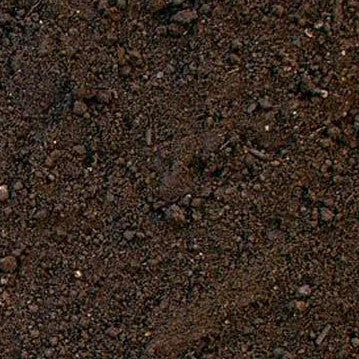
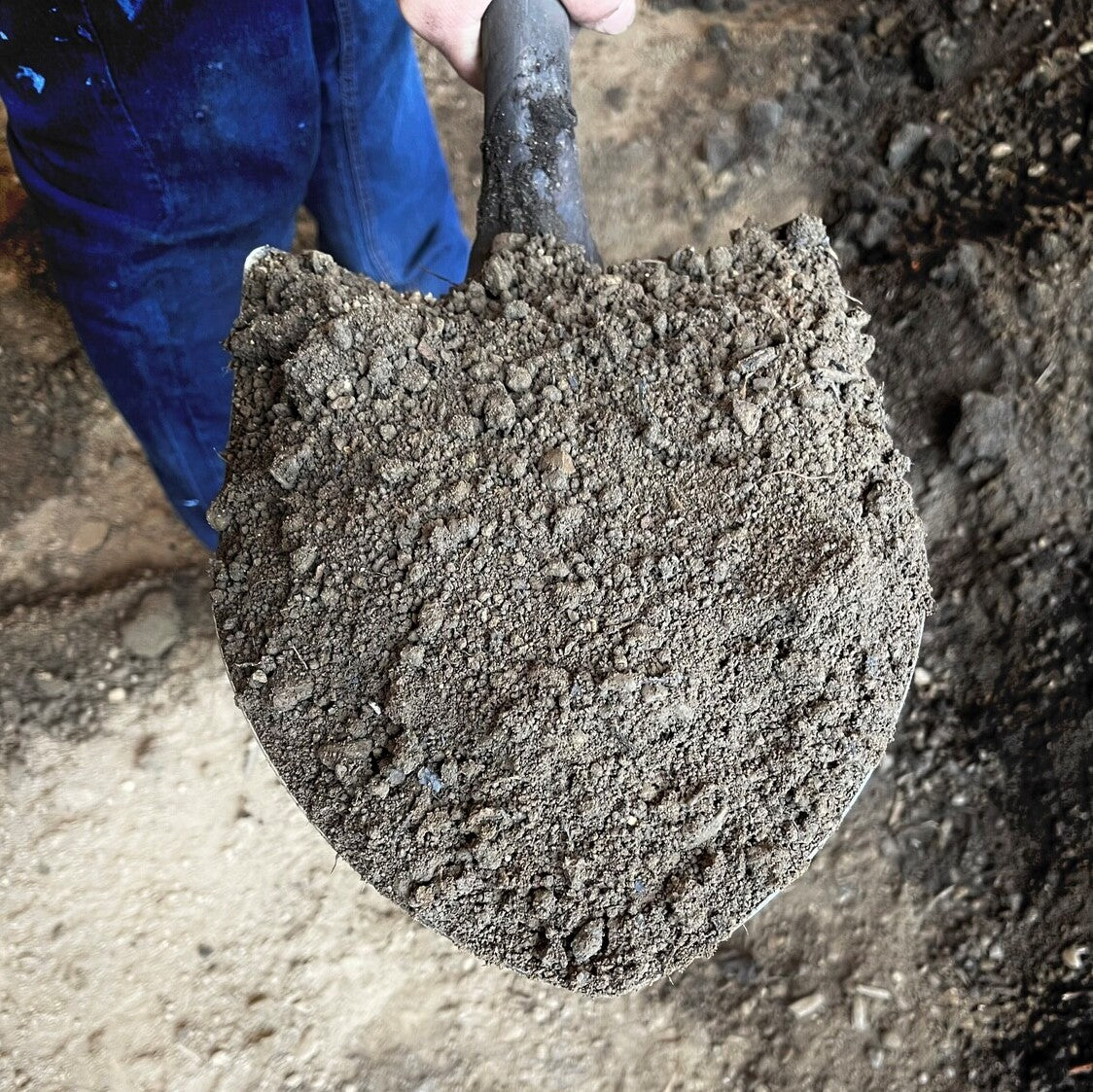


Good quality top soil and was delivered exactly where I wanted it. Nice Job!
About this soil
Quality topsoil for lawns, gardens, and landscape projects. Nutrient rich and ready to support strong root development and healthy plant establishment.
Good quality top soil and was delivered exactly where I wanted it. Nice Job!
Tell us what you're looking for
Thanks! We received your request.
Something went wrong. Please try again.
How Much Material Do I Need?
How Much Material Do I Need?
For garden bed preparation in Hopkinsville, plan on at least 6 inches of quality soil over existing silt loam to give roots a workable, well-structured growing zone through the long zone 7a season. For lawn leveling and surface drainage corrections, a 2 to 3 inch top-dress layer is typically sufficient to correct minor low spots and improve water movement across the yard.
Use our free soil calculator
What is a yard?
What is a yard?
FAQs
FAQs
Hopkinsville Soil Delivery
Hopkinsville Soil Delivery
Regular price
$64.00
per
yard
Regular price
Sale price
$64.00
Unit price
per
Shipping calculated at checkout.
Minimum of 3 yard
Couldn't load pickup availability
Not currently available
We can't take orders for this right now. Tell us what you need and we'll get back to you.
Hand-picked local yards
4,000+ regional deliveries
Dedicated support
Why order through Mulch Mound
The best local soil, without the guesswork.
We hand-pick and partner with the best yards in your region, keep only the ones our buyers rate well, and back each load with our guarantee.
Mulch Mound Guarantee
If your soil isn't the quantity or quality you ordered, we'll make it right.
About this soil
Quality topsoil for lawns, gardens, and landscape projects. Nutrient rich and ready to support strong root development and healthy plant establishment.
Good quality top soil and was delivered exactly where I wanted it. Nice Job!
How Much Material Do I Need?
How Much Material Do I Need?
For garden bed preparation in Hopkinsville, plan on at least 6 inches of quality soil over existing silt loam to give roots a workable, well-structured growing zone through the long zone 7a season. For lawn leveling and surface drainage corrections, a 2 to 3 inch top-dress layer is typically sufficient to correct minor low spots and improve water movement across the yard.
Use our free soil calculator
What is a yard?
What is a yard?
FAQs
FAQs
Tell us what you're looking for
Thanks! We received your request.
Something went wrong. Please try again.
How It Works
Getting started is easy — just follow these simple steps
1
Choose your soil
Make sure you adjust the quantity to your home's needs. You can use our calculator to estimate how much you'll need.
2
Select your delivery date
Select a delivery date you'd like for the product to be dropped off at your home
3
Sit back and wait
Sit back, wait, and let us work our magic to make sure the highest quality product is delivered to your driveway.

Online ordering was really simple and I liked the transparent pricing.

Easy to order, great service, and great product. We enjoy the final look of a very neglected beds we inherited!
Need Help Calculating How Much Soil You Need?
Use our NEW Trace from Satellite tool to get an estimate for your project based on an aerial view of your property
Try Our CalculatorMeasure your project area in feet and decide how many inches of soil depth you need, then use our calculator to convert those numbers into cubic yards for ordering. In Hopkinsville, where silt loam is present but often compacted or eroded in high-traffic areas, even a 3 to 4 inch top-dress of fresh quality soil can make a meaningful difference in bed productivity and surface drainage.
Soil Types We Deliver in Hopkinsville
Whether you are refreshing a lawn, building up a garden bed, or grading a new landscape, having quality soil delivered by the cubic yard makes the job far easier. We offer bulk topsoil by the yard in Hopkinsville, dropped right where you need it so you can get to work without hauling bags from a store. Western Kentucky's clay-heavy native ground means imported topsoil can make a real difference for roots, drainage, and long-term plant health.
Screened Top Soil
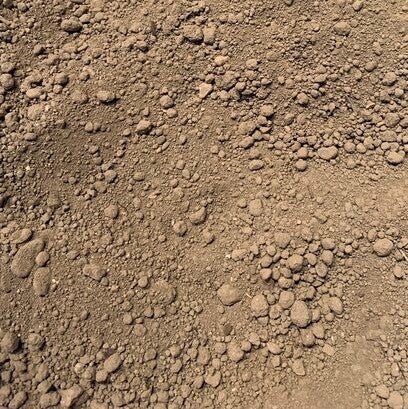
Our screened topsoil is run through a mesh to remove rocks, clumps, and debris, leaving a fine, workable blend that spreads evenly and settles well. It suits lawn repairs, raised beds, and general grading projects common to homes across the Hopkinsville area, and its nutrient-rich composition gives new plantings a strong start in our warm growing season.
Complete Your Outdoor Soil Project
After grading and filling with bulk soil, topping your beds with a layer of shredded hardwood mulch protects Hopkinsville's silt loam from compaction during heavy rains and keeps moisture locked in through the hot humid summer months. Adding decorative stone edging around newly graded areas helps define borders and keeps soil and mulch from washing into lawn zones during Hopkinsville's frequent storm events.


Service area
Areas we deliver soil in Hopkinsville, Kentucky
Mulch Mound Pro Tip
When filling raised beds or correcting grade in Hopkinsville, water the fresh soil thoroughly after placing it and allow it to settle for a few days before planting. Silt loam and most topsoil blends will compact by several inches after the first few heavy rains, and planting into unsettled soil means your plant crowns may end up sitting below grade once the bed compresses. A quick water-and-settle cycle before you plant saves you from having to re-grade or re-raise the area later in the season.
Mulch Mound Pro Tip
Hopkinsville's long growing season means that garden soil in active beds loses organic matter faster than in cooler climates, because warm humid summers keep soil microbes working nearly year-round breaking down organic content. Adding a 1 to 2 inch top-dress of compost or organic-rich soil each spring is a practical way to replenish what breaks down over the previous season. This is especially important in raised beds where there is no deep native soil reservoir below to compensate for nutrient depletion over time.
Mulch Mound Pro Tip
If you are using bulk soil to level a lawn area in Hopkinsville, try to schedule your delivery and spreading on a day when the forecast shows at least 48 hours without heavy rainfall. Hopkinsville's 52 inches of annual rainfall can wash freshly spread soil off a leveled surface before it has had time to settle and bond with the turf below. Spreading during a dry window and raking the soil gently into the existing grass gives it the best chance to settle in place before the next significant storm arrives.
The Unique Landscape of Hopkinsville
Hopkinsville sits on native silt loam soils that are naturally fertile but compact under heavy use and rainfall, making imported bulk soil essential for grade work, raised beds, and garden bed preparation across the area. With 52 inches of rain per year, poorly graded yards in Hopkinsville develop standing water problems that erode topsoil and kill turf, and bringing in fresh soil to correct those low spots is often the most practical and lasting fix. The region's zone 7a growing season lasts nearly six months, so building productive garden beds with quality amended soil pays real dividends from late April all the way through October. Hopkinsville homeowners also face the challenge that heavier clay pockets can exist beneath the silt loam surface layer, creating drainage barriers that are best addressed with raised bed construction or strategic grade corrections using well-structured fill soil. Fresh bulk soil allows you to build up problem areas and create the ideal root environment for vegetables, flowers, and lawn grass throughout Hopkinsville properties.