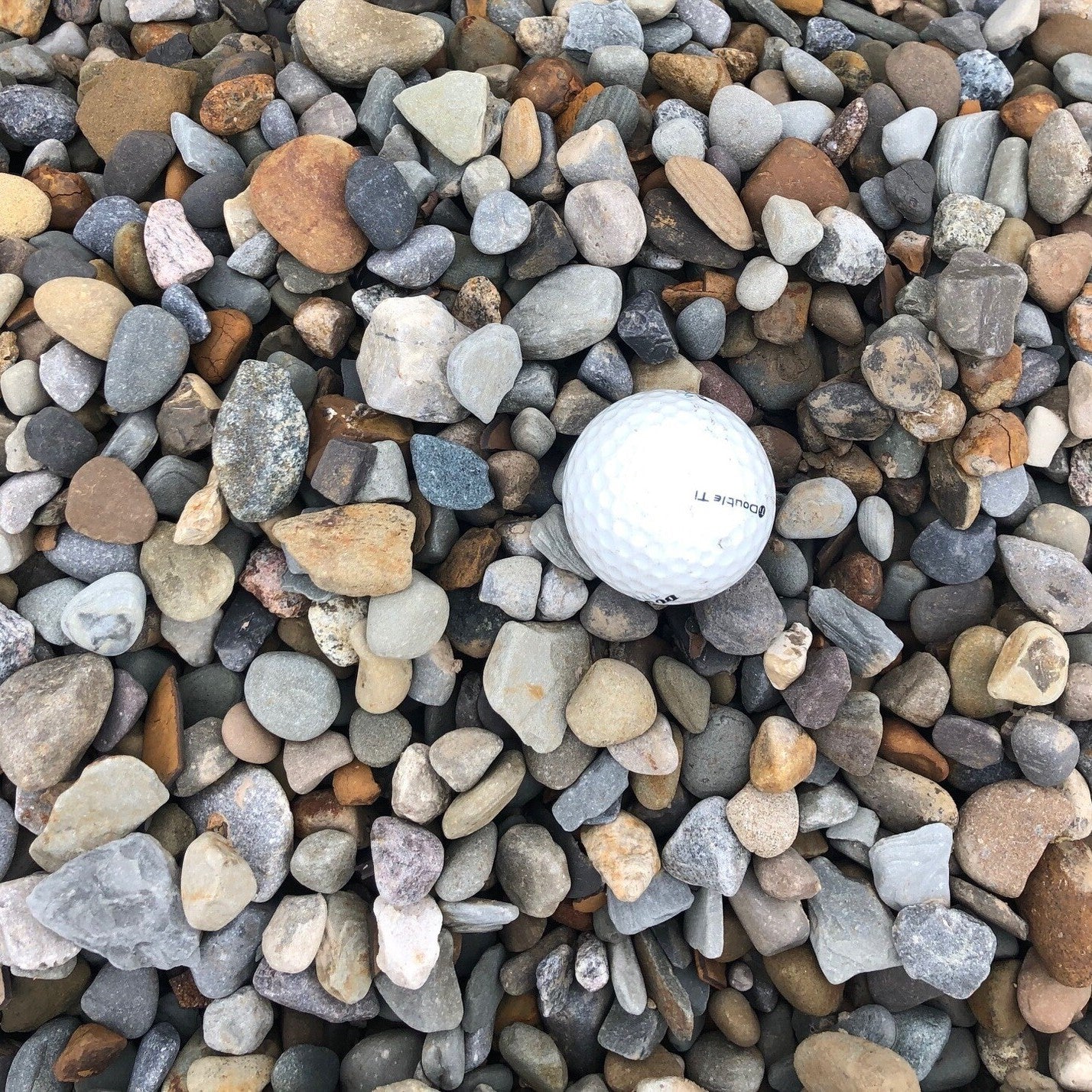
Number 57 crushed stone, angular limestone graded to about three quarters of an inch. The standard driveway, base and drainage gravel, it locks together under traffic and drains fast.
My experience with Mulch Mound was great and super easy. I ordered two yards of screened topsoil and was able to get it delivered within 2 days. They came in my requested time frame (afternoon) and dropped it off where I asked on my driveway. The topsoil was exactly what was a...
Tell us what you're looking for
Thanks! We received your request.
Something went wrong. Please try again.
How Much Material Do I Need?
For most decorative and drainage applications in Hopkinsville, a 2 to 3 inch layer of stone provides adequate coverage and stability through the area's heavy rain events. Pathway and high-traffic areas benefit from a full 3-inch depth to compensate for the gradual settling that occurs in Hopkinsville's silt loam-based ground after repeated rainfall.
Use our free gravel calculator
What is a yard?
A yard is approximately 27 cubic feet. As a general guideline, one yard of material can cover an area of about 100-160 square feet at a 2-3 inch depth.
We can't take orders for this right now. Tell us what you need and we'll get back to you.
What do you need?
Thanks! We received your request.
Something went wrong. Please try again.
Hand-picked local yards
4,000+ regional deliveries
Dedicated support
Why order through Mulch Mound
The best local stone, without the guesswork.
We hand-pick and partner with the best yards in your region, keep only the ones our buyers rate well, and back each load with our guarantee.
Mulch Mound Guarantee
If your stone isn't the quantity or quality you ordered, we'll make it right.
About this stone
Number 57 crushed stone, angular limestone graded to about three quarters of an inch. The standard driveway, base and drainage gravel, it locks together under traffic and drains fast.
My experience with Mulch Mound was great and super easy. I ordered two yards of screened topsoil and was able to get it delivered within 2 days. They came in my requested time frame (afternoon) and dropped it off where I asked on my driveway. The topsoil was exactly what was a...
How Much Material Do I Need?
For most decorative and drainage applications in Hopkinsville, a 2 to 3 inch layer of stone provides adequate coverage and stability through the area's heavy rain events. Pathway and high-traffic areas benefit from a full 3-inch depth to compensate for the gradual settling that occurs in Hopkinsville's silt loam-based ground after repeated rainfall.
Use our free gravel calculator
What is a yard?
A yard is approximately 27 cubic feet. As a general guideline, one yard of material can cover an area of about 100-160 square feet at a 2-3 inch depth.
My experience with Mulch Mound was great and super easy. I ordered two yards of screened topsoil and was able to get it delivered within 2 days. Th...
Read full review
My experience with Mulch Mound was great and super easy. I ordered two yards of screened topsoil and was able to get it delivered within 2 days. They came in my requested time frame (afternoon) and dropped it off where I asked on my driveway. The topsoil was exactly what was advertised, clean with no rocks or other debris. The price was reasonable. I plan to use them again in a couple weeks to order compost for my garden beds.
Measure the length and width of your project area in feet, then decide on your coverage depth. A 2-inch depth works for most decorative beds while pathways and drainage areas in Hopkinsville benefit from 3 inches to account for settling in the silt loam base. Use our calculator to convert your square footage and chosen depth into cubic yards before you order.
Stone Types We Deliver in Hopkinsville
Mulch Mound delivers bulk stone by the cubic yard straight to homes and properties across Hopkinsville, making it easy to tackle landscaping projects without hauling material yourself. Whether you are searching for bulk gravel by the yard in Hopkinsville or just need a practical ground cover solution, we bring the material right to your driveway. Our delivery is sized for real projects, from small garden borders to full yard renovations common in this part of western Kentucky.
Pea Gravel
Pea gravel is one of the most popular choices for Hopkinsville homeowners, thanks to its smooth, rounded texture and warm earth tones that complement the brick and neutral-sided homes common in this region. It works beautifully for garden pathways, patio bases, and drainage beds, and it holds up well through the wet springs and humid summers typical of western Kentucky.
Complete Your Outdoor Stone Project
Pairing stone borders with mulched interior beds is a popular and practical combination in Hopkinsville, where stone holds mulch in place during heavy rains and adds a clean visual edge to planting areas. Adding bulk topsoil to low or eroded areas before laying stone ensures a stable and level base that will hold its grade through Hopkinsville's long wet season.
Before placing any stone in Hopkinsville beds or drainage areas, install a quality woven landscape fabric beneath the stone layer to prevent silt loam from migrating upward into the rock over time. Hopkinsville's fine-textured native soil is especially prone to working its way into gravel and stone installations through rain infiltration, which eventually muddies the stone surface and creates conditions for weed growth. A proper fabric barrier significantly extends the clean appearance and effectiveness of any stone installation on Hopkinsville properties.
Mulch Mound Pro Tip
In Hopkinsville's zone 7a climate, stone acts as a thermal mass that absorbs daytime heat and releases it slowly after sunset, which can moderately raise the soil temperature around plants near stone borders. This effect is beneficial in early spring before Hopkinsville's last frost around April 30, as stone-edged beds tend to warm up faster than open mulched areas and can give cool-season vegetables or spring bulbs a head start. Positioning cold-sensitive transplants near stone borders is a simple way to take advantage of this natural heat accumulation.
Mulch Mound Pro Tip
Hopkinsville's 52 inches of annual rainfall means that stone used in drainage applications needs to be inspected and rinsed periodically to prevent silt and organic debris from clogging the void spaces between rocks. Flush drainage stone with a garden hose once or twice a year, particularly after the heavy spring rain season, to clear out the fine silt particles that Hopkinsville's native silt loam deposits into gravel installations over time. Keeping those void spaces open ensures the stone continues to move water efficiently rather than slowly becoming a packed and impermeable layer.
The Unique Landscape of Hopkinsville
Hopkinsville's combination of fine-textured silt loam soil and 52 inches of annual rainfall creates persistent drainage and erosion challenges in yards, making decorative and functional stone one of the most reliable landscaping solutions available to local homeowners. Stone does not wash away during heavy rain events the way organic mulch can, making it particularly well suited for slope plantings, foundation borders, and drainage channels throughout Hopkinsville properties. The zone 7a climate brings mild winters with minimal deep ground freeze, so stone installations remain stable and do not heave or shift as dramatically as they would in harsher northern climates. Low-maintenance stone ground covers are also especially popular in Hopkinsville for areas under mature trees where grass struggles to compete and organic mulch decomposes quickly in the humid summer heat. Whether used for pathways, erosion control, decorative accents, or drainage swales, stone is a long-lasting investment that performs dependably through Hopkinsville's wet springs and hot summers alike.
Frequently Asked Questions
Click a question to see the answer
Answer
What kind of stone works best for drainage along a Hopkinsville home's foundation?
For foundation drainage in Hopkinsville, a clean washed river gravel or crushed limestone in the half-inch to one-inch range works well to channel water away from the house and prevent the soil saturation that 52 inches of annual rainfall can cause near foundations. The stone creates a permeable layer that lets water move down and away rather than pooling against silt loam that has compacted tightly against your foundation walls. A 6 to 8 inch wide stone border along the foundation with a slight grade sloping away from the house is both practical and visually clean.
Answer
Will stone stay in place through Hopkinsville's wet winters without shifting or sinking?
Yes, stone is one of the most stable landscaping materials for Hopkinsville's climate because zone 7a winters are mild enough that deep ground freeze and significant heave are uncommon. Unlike organic mulch, stone does not decompose through the wet season and will generally stay in place through heavy rain events as long as it is contained with proper edging. River rock and crushed stone both perform very well through Hopkinsville winters with minimal annual maintenance required.
Answer
How deep should I lay stone for a backyard pathway in Hopkinsville?
For a stable walking pathway in Hopkinsville, plan on a 2 to 3 inch layer of compacted gravel base with an inch or two of decorative stone on top for a total depth of 3 to 4 inches. Because Hopkinsville's silt loam can shift and settle after heavy rains, a proper base layer prevents the pathway from developing dips or soft spots over time. Using landscape fabric beneath the base gravel also keeps fine silt from migrating up into the stone layer through Hopkinsville's frequent rain events.
Answer
Can I use stone to control erosion on a sloped area of my Hopkinsville yard?
Stone is one of the most effective erosion control materials for sloped Hopkinsville yards, particularly in areas where grass is thin and organic mulch tends to wash downhill during storms. Larger river rock or fieldstone placed over landscape fabric on a slope creates a stable surface that absorbs the impact of heavy rainfall without losing material. For steeper slopes in Hopkinsville, combining stone with established ground cover plants gives both the visual appeal and root stability needed to hold the hillside through the wet season.
Answer
Does decorative stone get uncomfortably hot to walk on during a Hopkinsville summer?
Darker stone varieties like black lava rock or dark crushed granite can get quite hot in Hopkinsville's full summer sun during July and August when temperatures regularly push into the upper 80s and 90s. Lighter colored stones such as tan river gravel or cream-colored limestone chips reflect more heat and remain cooler underfoot. For pathways and patio borders in Hopkinsville where barefoot foot traffic is expected through summer, lighter stone colors are a more comfortable choice.
Answer
How much stone do I need to cover a planting bed in Hopkinsville?
For a decorative stone ground cover in a Hopkinsville planting bed, a 2-inch layer is typically enough to suppress weed growth and protect the silt loam surface from erosion during rain events. One cubic yard of stone will cover approximately 160 square feet at a 2-inch depth. Measure your bed square footage and use our calculator to determine the right amount before ordering, keeping in mind that stone is significantly heavier per cubic yard than mulch and will require appropriate equipment to spread.
Answer
Is stone a practical alternative to mulch under trees in Hopkinsville?
Stone can work well under trees in Hopkinsville, particularly in spots where organic mulch decomposes very quickly due to the warm humid summers and high annual rainfall. However, stone does not feed organic matter back into the silt loam the way hardwood mulch does, so trees in stone-covered areas may need more supplemental fertilization over time. For well-established trees in Hopkinsville, stone is a low-maintenance and attractive option, but for young or recently planted trees, organic mulch tends to support early root development more effectively.