


















Prompt, accommodating, lovely mulch.
About this mulch
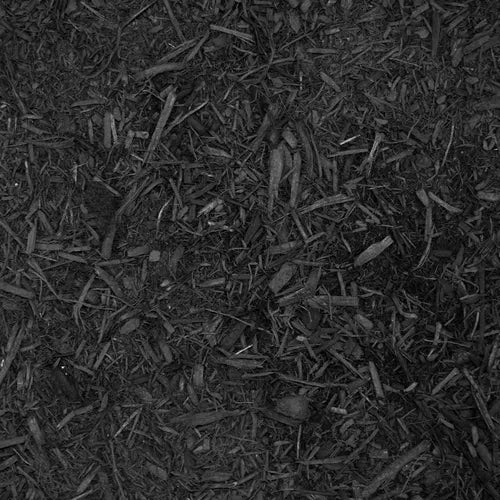
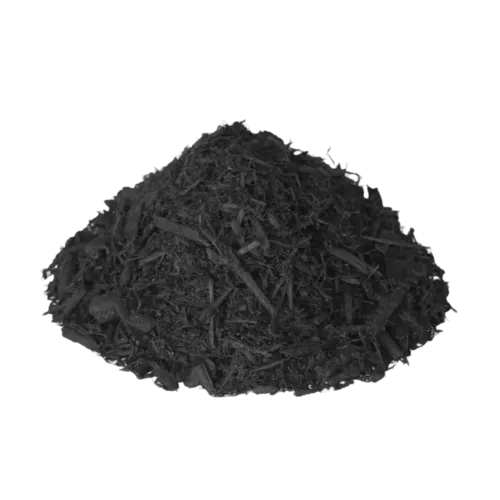
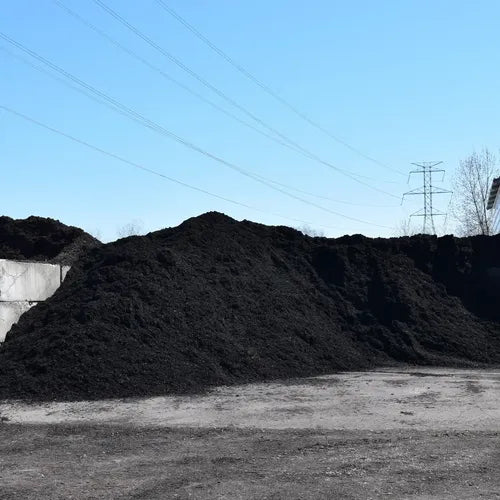
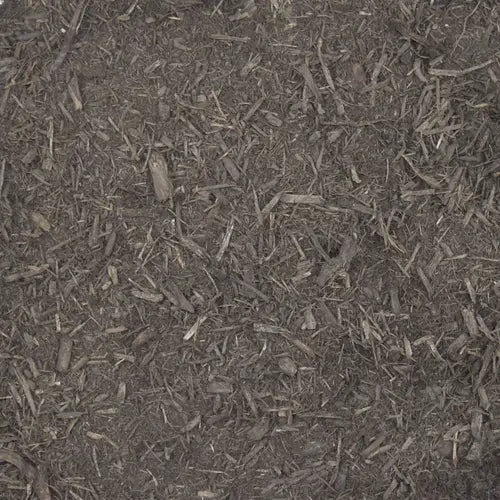
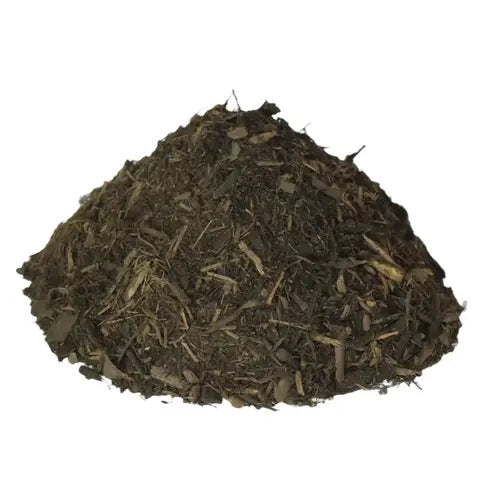
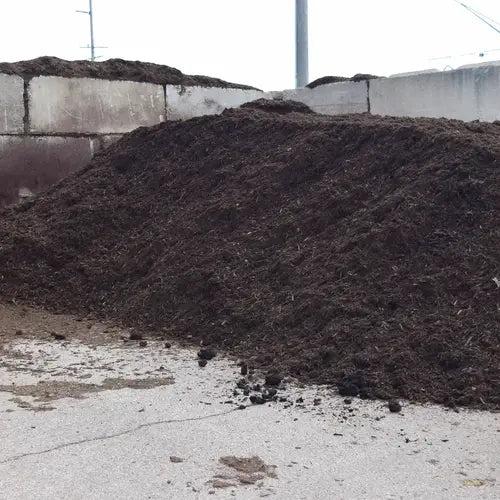
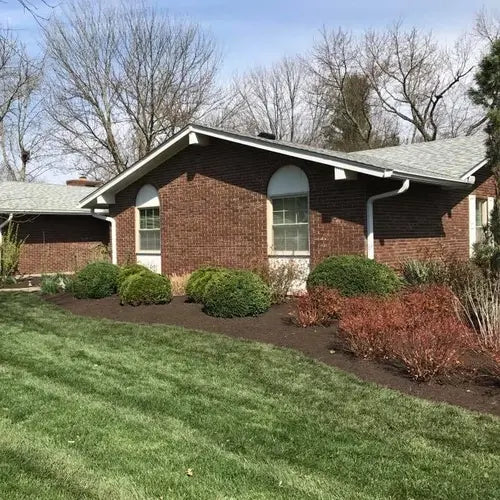
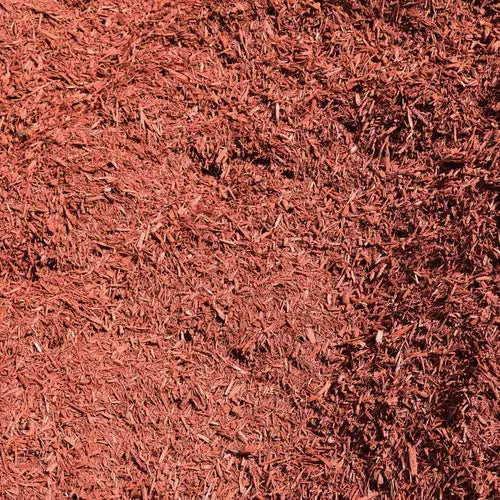
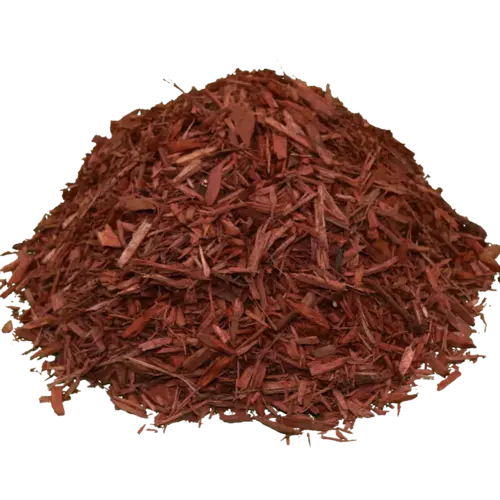
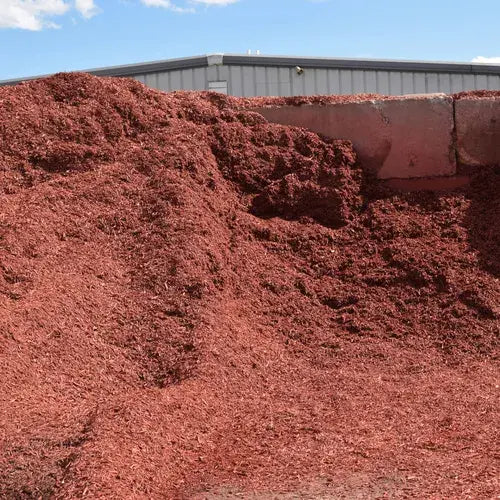
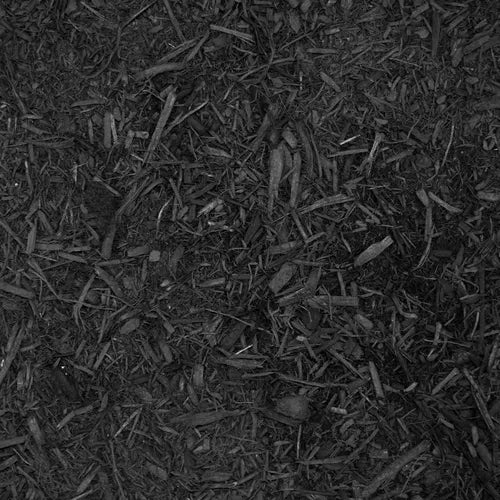
Bold black double shredded mulch that transforms beds instantly. The rich color holds strong through sun and rain, and the smooth texture spreads effortlessly.
Prompt, accommodating, lovely mulch.
Tell us what you're looking for
Thanks! We received your request.
Something went wrong. Please try again.
How Much Material Do I Need?
How Much Material Do I Need?
For most Huntersville planting beds over red clay, aim for a consistent two-to-three-inch layer—deep enough to suppress weeds and buffer soil temperature without creating a moisture-trapping barrier over soil that already drains slowly. Stick to the lower end of that range in established beds with good canopy cover, and go the full three inches in new beds, sun-exposed areas, or any spot where the clay beneath is particularly compacted and bare.
Use our free mulch calculator
What is a yard?
What is a yard?
FAQs
FAQs
Huntersville Mulch Delivery
Huntersville Mulch Delivery
Regular price
$48.00
per
yard
Regular price
Sale price
$48.00
Unit price
per
Shipping calculated at checkout.
Minimum of 3 yard
Couldn't load pickup availability
Not currently available
We can't take orders for this right now. Tell us what you need and we'll get back to you.
Hand-picked local yards
4,000+ regional deliveries
Dedicated support
Why order through Mulch Mound
The best local mulch, without the guesswork.
We hand-pick and partner with the best yards in your region, keep only the ones our buyers rate well, and back each load with our guarantee.
Mulch Mound Guarantee
If your mulch isn't the quantity or quality you ordered, we'll make it right.
About this mulch
Bold black double shredded mulch that transforms beds instantly. The rich color holds strong through sun and rain, and the smooth texture spreads effortlessly.
Prompt, accommodating, lovely mulch.
How Much Material Do I Need?
How Much Material Do I Need?
For most Huntersville planting beds over red clay, aim for a consistent two-to-three-inch layer—deep enough to suppress weeds and buffer soil temperature without creating a moisture-trapping barrier over soil that already drains slowly. Stick to the lower end of that range in established beds with good canopy cover, and go the full three inches in new beds, sun-exposed areas, or any spot where the clay beneath is particularly compacted and bare.
Use our free mulch calculator
What is a yard?
What is a yard?
FAQs
FAQs
Tell us what you're looking for
Thanks! We received your request.
Something went wrong. Please try again.
How It Works
Getting started is easy — just follow these simple steps
1
Choose your Mulch
Make sure you adjust the quantity to your home's needs. You can use our calculator to estimate how much you'll need.
2
Select your delivery date
Select a delivery date you'd like for the product to be dropped off at your home
3
Sit back and wait
Sit back, wait, and let us work our magic to make sure the highest quality product is delivered to your driveway.

I am very happy with Mulch Mound service and with the triple shredded mulch. It looks great, and I would use them again.

Mulch Mound is an excellent supplier. My online ordering process was quick and easy and they stuck to their delivery date. Highly recommend!
Calculate mulch for your Huntersville project
For Huntersville's Red Clay type of soil, we recommend 2-3 inches for best weed suppression and moisture retention
Try Our CalculatorTo estimate mulch for your Huntersville yard, measure each bed's length and width in feet, multiply for square footage, and use three inches as your target depth given the area's slow-draining red clay. Multiply square footage by 0.25 and divide by 27 to convert to cubic yards. Because Huntersville's clay compacts and settles after rain, add a small buffer of 10 to 15 percent to your estimate for sloped beds that tend to thin out faster than flat areas.



Best Mulch Choice for Huntersville Lawns
Most yards in the Huntersville area sit on Red Clay type of soil. Huntersville's red clay drains poorly and compacts under the combined pressure of rainfall and foot traffic, leaving plant roots in a cycle of waterlogging and oxygen deprivation that few ornamentals can sustain without a protective surface layer above them.
Hardwood Mulch
Hardwood mulch is particularly well-matched to Huntersville's red clay because as it decomposes it contributes lignin-rich organic matter that physically opens up clay's tight particle structure, gradually improving both drainage and aeration while feeding the soil biology that continues breaking down compaction long after the mulch itself is gone.
Mulch Types We Deliver in Huntersville
Mulch Mound offers bulk mulch delivery in Huntersville by the cubic yard, bringing fresh landscape materials straight to your driveway or backyard. Whether you are refreshing a few beds or overhauling a full landscape, we deliver the exact amount you need. The clay soils and warm summers common in this part of North Carolina make proper mulching essential for retaining moisture and protecting plant roots.
Dyed Black Mulch
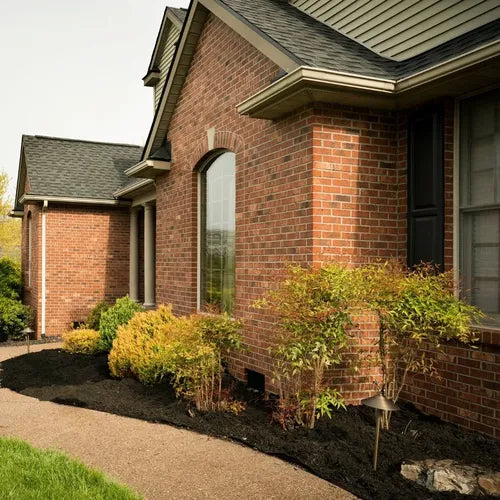
A bold option for any landscape bed, this double shredded mulch delivers a deep black color that holds up through summer heat and afternoon rains. It spreads effortlessly and creates a sharp contrast against green plants and the brick or stone exteriors common in this area.
Natural Brown Mulch
Available in double shredded or triple shredded styles, this natural mulch contains no dyes and lets warm brown tones work with the landscape. The triple shredded cut offers an especially fine, smooth finish that suits gardeners who want a refined look without adding synthetic color to their soil.
Dyed Brown Mulch
This warm brown double shredded mulch holds its color through humid summers and heavy afternoon rains common in this part of North Carolina. It suits homeowners who want a natural appearance backed by lasting color, and spreads smoothly across beds of any size.
Cedar Mulch
Double shredded cedar carries natural oils that deter insects and resist decay, along with a woody aroma that stays fresh through the season. It performs especially well in the warmer climate here, where organic mulches can break down more quickly than in cooler regions.
Complete Your Outdoor Mulch Project
If your beds need more than a surface refresh, pair your mulch order with a bulk amended topsoil delivery to loosen and enrich Huntersville's dense red clay before mulching—the two together deliver far better root conditions than either product alone. Adding a decorative stone border around your beds also helps contain mulch during the heavy rainfall events common to the Huntersville area while giving beds a clean, defined edge year-round.


Service area
Areas we deliver mulch in Huntersville, North Carolina
Mulch Mound Pro Tip
Before spreading fresh mulch each spring, rake back whatever remains of last year's layer and inspect the soil beneath. Huntersville's red clay develops a hard surface crust over winter that can actually shed water even when covered with mulch. Breaking that crust lightly with a hand cultivator before applying new material dramatically improves how well moisture moves into the root zone—and that extra fifteen minutes of prep pays dividends every time a summer storm rolls through.
Mulch Mound Pro Tip
Time your fall mulch application to the two weeks before Huntersville's first frost, typically around October 28, while the ground still holds residual warmth from the growing season. Mulching soil that's already cold provides far less insulation value than mulching warm soil. Locking in that late-season soil heat gives perennials and marginally hardy shrubs a longer buffer before true dormancy, reducing winter dieback on plants at the edges of Zone 8a's cold tolerance.
Mulch Mound Pro Tip
With 43 inches of annual rainfall hitting Huntersville's clay-covered slopes, mulch displacement during intense spring and summer storms is a real maintenance burden. Choosing a shredded hardwood mulch over a coarse-chipped or nugget product makes a measurable difference—shredded material interlocks as it settles and resists being carried off by sheeting rainwater far better than loose chunks. You'll spend significantly less time redistributing material back into beds after every significant storm system passes through the area.
The Unique Landscape of Huntersville
Huntersville's red clay soil creates a persistent cycle of compaction and surface crusting that suffocates plant roots and sheds water rather than absorbing it. A properly applied layer of mulch breaks that cycle by insulating the soil surface, moderating temperatures during Zone 8a's sweltering July and August heat while protecting root systems during the cold snaps that arrive around late October. With 43 inches of annual rainfall distributed unevenly through spring and early summer, mulch acts as a critical buffer—slowing runoff across hard clay and giving moisture more time to percolate before it races off the surface. Sitting at 819 feet of elevation, Huntersville experiences more pronounced temperature swings than the lower Charlotte basin, making consistent soil temperature regulation especially valuable for perennial root systems through the shoulder seasons. Regular mulching also steadily improves the clay beneath it as organic material decomposes and works into the top few inches, gradually loosening what is otherwise a nearly impenetrable substrate.