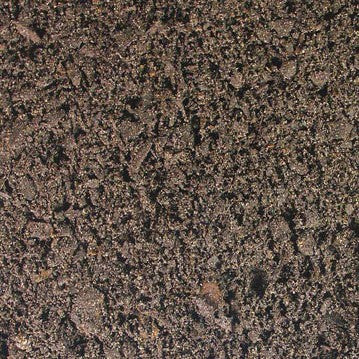
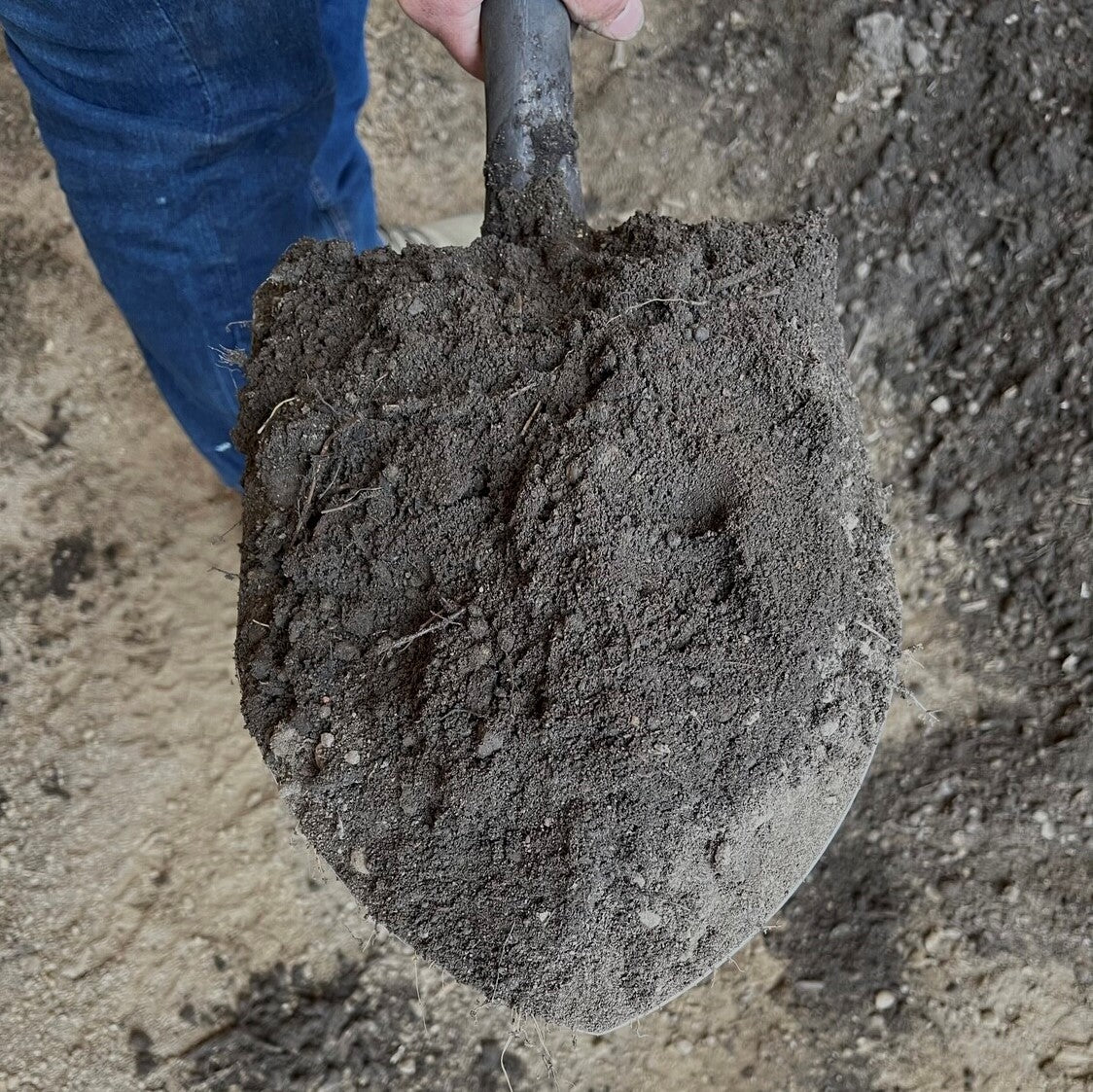
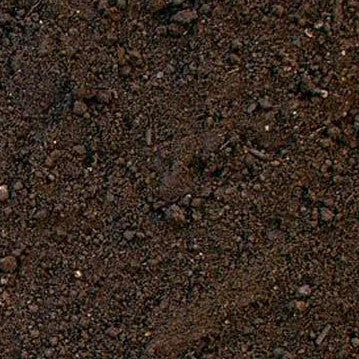
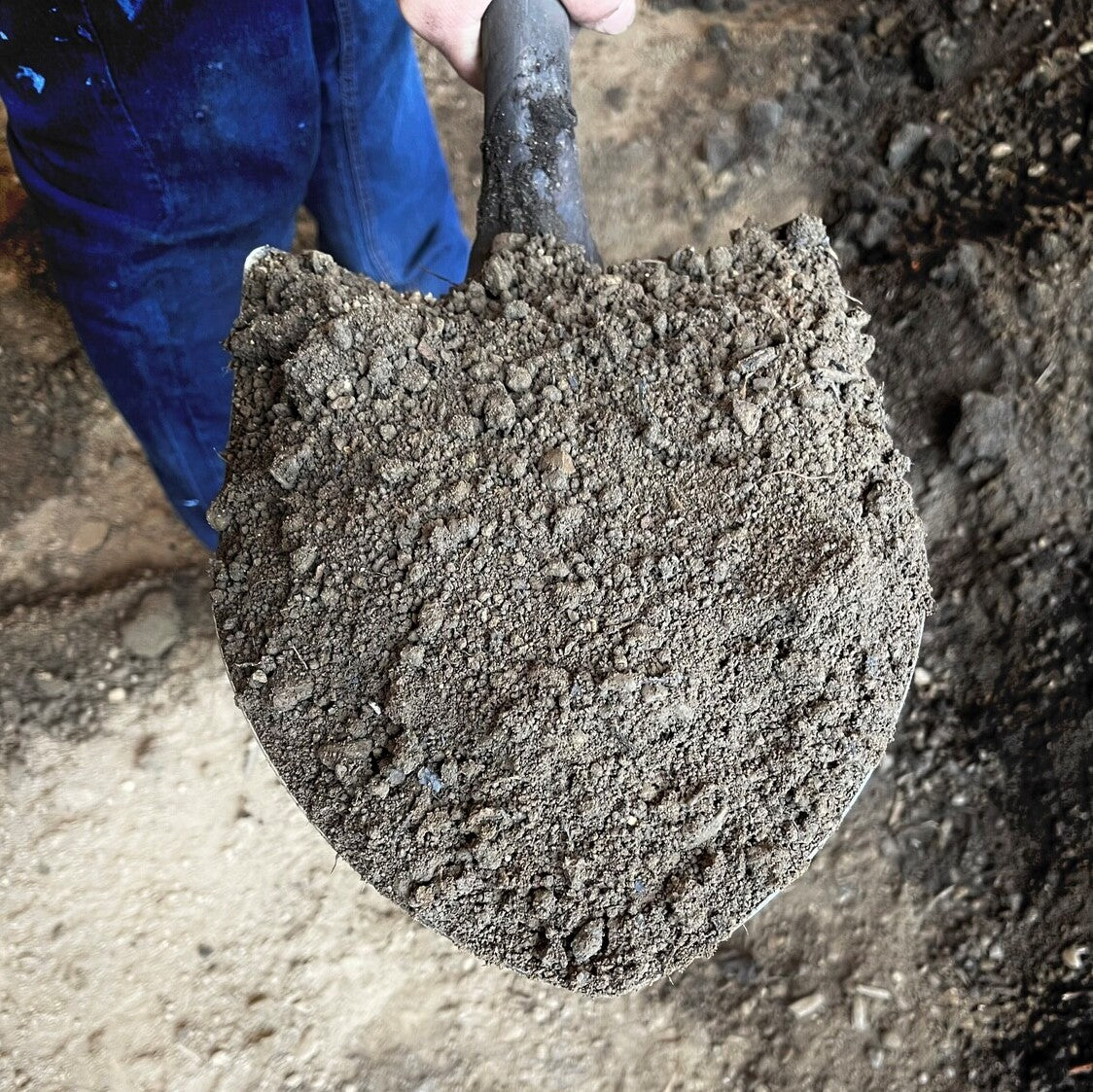
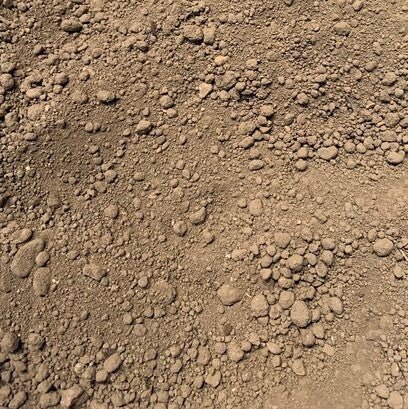
A balanced mix of topsoil and organic amendments ready for raised beds, flower gardens, and new planting areas. Good drainage, solid nutrients, easy to work with.
I used Mulch Mound to have 3 cubic yards of garden soil delivered. The process was easy and I love that I didn't have to call anyone. I placed my order online, picked my delivery date, laid out my tarp and the dirt was delivered. My delivery had to be pushed back, but I was ke...
Tell us what you're looking for
Thanks! We received your request.
Something went wrong. Please try again.
How Much Material Do I Need?
For topdressing Huntersville lawns with screened topsoil, a half-inch application covers roughly 65 square feet per cubic yard. For new garden beds built over red clay, plan on a minimum of four to six inches of amended garden soil—approximately one cubic yard for every 50 square feet—to create a root zone that gives plants a genuine alternative to the clay layer below.
Use our free soil calculator
What is a yard?
A yard is approximately 27 cubic feet. As a general guideline, one yard of material can cover an area of about 10 feet by 10 feet at a few inches deep.
What is a yards?
A yard is approximately 27 cubic feet. As a general guideline, one yard of material can cover an area of about 10 feet by 10 feet at a few inches deep.
We can't take orders for this right now. Tell us what you need and we'll get back to you.
What do you need?
Thanks! We received your request.
Something went wrong. Please try again.
Hand-picked local yards
4,000+ regional deliveries
Dedicated support
Why order through Mulch Mound
The best local soil, without the guesswork.
We hand-pick and partner with the best yards in your region, keep only the ones our buyers rate well, and back each load with our guarantee.
Mulch Mound Guarantee
If your soil isn't the quantity or quality you ordered, we'll make it right.
About this soil
A balanced mix of topsoil and organic amendments ready for raised beds, flower gardens, and new planting areas. Good drainage, solid nutrients, easy to work with.
I used Mulch Mound to have 3 cubic yards of garden soil delivered. The process was easy and I love that I didn't have to call anyone. I placed my order online, picked my delivery date, laid out my tarp and the dirt was delivered. My delivery had to be pushed back, but I was ke...
How Much Material Do I Need?
For topdressing Huntersville lawns with screened topsoil, a half-inch application covers roughly 65 square feet per cubic yard. For new garden beds built over red clay, plan on a minimum of four to six inches of amended garden soil—approximately one cubic yard for every 50 square feet—to create a root zone that gives plants a genuine alternative to the clay layer below.
Use our free soil calculator
What is a yard?
A yard is approximately 27 cubic feet. As a general guideline, one yard of material can cover an area of about 10 feet by 10 feet at a few inches deep.
What is a yards?
A yard is approximately 27 cubic feet. As a general guideline, one yard of material can cover an area of about 10 feet by 10 feet at a few inches deep.
I used Mulch Mound to have 3 cubic yards of garden soil delivered. The process was easy and I love that I didn't have to call anyone. I placed my o...
Read full review
I used Mulch Mound to have 3 cubic yards of garden soil delivered. The process was easy and I love that I didn't have to call anyone. I placed my order online, picked my delivery date, laid out my tarp and the dirt was delivered. My delivery had to be pushed back, but I was kept informed via text, which was great. So why not 5 stars? The description of garden soil on the website is "A balanced mix of topsoil and organic amendments ready for raised beds, flower gardens, and new planting areas. Good drainage, solid nutrients, easy to work with." What I got was more like fill dirt. It had a lot of gravel, a lot of clay, and random trash mixed in. I didn't test the soil to see if it actually had "amendments" because I already have compost and alpaca manure ready to add, but if I'd known the quality of the dirt was going to be the same as the bagged dirt I bought last year, I probably would have gotten 2 yards of top soil and a yard of leaf compost for better quality, especially since the leaf compost is cheaper. Photo of my mountain of dirt and just some of the trash I found in it.
For Huntersville lawn leveling projects, measure the square footage of each low area, multiply by the average fill depth in feet, and divide by 27 for cubic yards. For garden bed projects over red clay, add ten to fifteen percent to your calculated estimate—the clay beneath compresses new soil as it settles over the first few weeks, and a second delivery to top off a freshly built bed is an avoidable expense. When in doubt, err slightly on the high side and use any excess for topdressing thin lawn areas.
Soil Types We Deliver in Huntersville
Mulch Mound delivers bulk soil by the cubic yard straight to your driveway or job site in Huntersville. Whether you are refreshing a tired lawn, building out a raised bed, or prepping a new planting area, the right soil makes all the difference. Our loads arrive clean and ready to spread, so your project moves forward without delay.
Screened Top Soil
Our screened topsoil is finely textured and free of clumps, making it a natural choice for new lawn installations, sod prep, and grade corrections. Homes in this part of North Carolina often sit on dense clay, so a layer of quality screened topsoil gives grass and ground covers a reliable start.
Gardening Blend
The Gardening Blend combines topsoil with organic amendments to create a ready-to-use mix for raised beds, flower gardens, and new planting areas. It comes in Standard and Premium grades, with the Premium option carrying a higher amendment ratio that suits the warm, humid growing season common across this region.
Leaf Compost
Leaf Compost is a nutrient-rich amendment that rebuilds tired soil structure and improves moisture retention through the hot, dry spells that hit this part of North Carolina in summer. It feeds beneficial microorganisms already present in your beds, gradually improving texture and reducing the need for heavy fertilizer applications.
Complete Your Outdoor Soil Project
Once your soil is graded and settled, finish new garden beds with a two-to-three-inch layer of mulch to protect your improved growing medium from Huntersville's heavy rains and summer heat—without a mulch cover, exposed topsoil will erode, compact, and crust quickly. If you're edging the new bed areas with a defined border, a river rock or crushed stone edge complements the improved drainage you've created and keeps mulch and soil clearly separated from lawn areas.
Can I just spread topsoil on top of my red clay without tilling, or do I need to mix them together?
Surface application works better than leaving clay completely untouched, but results improve significantly when you rough up the clay surface first. Huntersville's red clay is dense enough that a sharp boundary between new topsoil and undisturbed clay can create a perched water table—where moisture pools right at the interface instead of draining through. Scratching the top two to three inches of clay before adding new soil encourages the materials to integrate and water to move more naturally through the bed.
Answer
How much soil do I need to level the low spots in my Huntersville lawn that collect standing water?
For depressions shallower than two inches, a topdressing approach with screened topsoil—roughly half an inch spread and raked smooth—followed by overseeding is often enough. Deeper low spots that reliably collect standing water after Huntersville's frequent spring rains may need four to six inches of compacted fill material before a finish layer of quality topsoil and seed. Addressing the grade is always the more durable fix compared to planting through recurring pooling.
Answer
What's the difference between topsoil and garden soil, and which one is right for my project?
Topsoil is a general-purpose grading and fill material—screened for debris and workable, but without additional amendments or elevated organic content. Garden soil is blended with compost, aged bark, or other organic matter specifically to support active plant growth. For Huntersville vegetable gardens and ornamental beds that are fighting against native clay, a garden soil blend gives you immediate drainage and fertility advantages that topsoil alone doesn't provide. For lawn leveling and grade correction, bulk topsoil is the more economical and appropriate choice.
Answer
My in-ground garden beds are essentially pure red clay and very little grows well in them. How do I fix that?
For in-ground beds in Huntersville, adding four to six inches of quality garden soil or amended topsoil on top of loosened clay—then working the two together with a tiller or fork—creates a blended root zone that drains meaningfully better while still anchoring plants. For new raised beds built directly on top of clay, aim for at least ten to twelve inches of good soil to give roots a complete growing environment above the clay layer, which is especially important during the hot, dry stretches of Zone 8a's summer.
Answer
Will a bulk soil delivery damage my lawn where the load is dropped?
The delivery itself can compact a small footprint on the drop site, particularly on Huntersville's clay-heavy lawns that are already prone to compaction. When possible, direct the driver to a driveway or paved surface, or to an area of lawn you plan to renovate as part of your project anyway. If the load must go on established turf you want to preserve, core aerate that section thoroughly after the project wraps up to restore structure.
Answer
Is there a wrong time of year to bring in and work topsoil in Huntersville?
Working soil when it's saturated is the main thing to avoid. Huntersville's red clay becomes nearly impossible to properly work after significant rainfall—it smears, clumps, and re-compacts as it dries rather than breaking into workable crumbs. Wait at least two to three days after a heavy rain before tilling, spreading, or blending soil. Late March through early April is an ideal window: the ground has thawed, it's drying from winter moisture, and you have time to get beds set before the last frost around April 11.
Answer
How do I use topsoil to address the chronic drainage problems in my Huntersville yard?
Regrading low areas with topsoil to direct surface water away from problem spots is an effective first step, but it works best alongside soil amendment rather than alone. Blending organic material or a looser loam into the clay beneath as you regrade opens up permeability over time. For the most persistent drainage issues—spots that flood after every significant rain and stay wet for days—pairing a topsoil regrade with a stone-lined swale or French drain gives you a solution that handles Huntersville's high-rainfall spring season reliably.
Mulch Mound Pro Tip
Before spreading new topsoil on a Huntersville lawn, core aerate the existing clay surface first. Huntersville's red clay compacts so tightly that new soil placed on an unaerated base creates a problematic interface where drainage stalls—essentially a soggy pocket just below your new lawn layer that promotes shallow roots and disease. Aerating shatters that hard cap, allows the new topsoil to bond with what's beneath, and gives grass roots a reason to push deeper into the improved profile.
Mulch Mound Pro Tip
Plan your soil delivery and installation for a dry stretch in late March or early April, not immediately following a heavy rain. Huntersville's clay-based subgrade is deceptive when wet—it feels workable on the surface but smears and re-compacts under tools and foot traffic rather than breaking into usable crumbs. Even waiting two to three days after a significant rain event allows the clay to firm enough that your tilling and blending work produces a genuinely uniform, well-structured soil profile rather than compacted slabs.
Mulch Mound Pro Tip
Huntersville gardeners who want fast results without spending years amending their native clay should strongly consider building raised bed frames and filling them entirely with a quality garden soil blend. With Huntersville's last frost typically clearing around April 11, a raised bed filled with loose, warm, well-drained soil will be ready to plant almost immediately—whereas in-ground clay beds often take several additional weeks to warm sufficiently and dry out enough for transplants. The investment in framing and fill soil typically pays back in the first season through dramatically better germination and plant establishment.
The Unique Landscape of Huntersville
Building anything productive in a Huntersville yard—a kitchen garden, a leveled lawn section, a raised planting bed—starts with acknowledging that the native red clay is a deeply challenging foundation. It compacts under foot traffic and machinery, shrinks and cracks during late summer dry spells, and swells with absorbed moisture during the heavy spring rains that Huntersville receives, making it inhospitable to most ornamentals and vegetables without deliberate amendment. Bringing in quality bulk topsoil or garden soil creates a workable growing medium on top of or blended into that clay, giving roots the loose, nutrient-available environment they need to establish and thrive. At 819 feet of elevation, Huntersville's growing season begins in earnest after the last frost around April 11, so having beds prepped and filled with productive soil before that date makes a measurable difference in how quickly warm-season plants establish and begin producing. Whether you're filling a chronically low spot that pools runoff after every storm or constructing raised bed rows for a first vegetable garden, quality soil is the non-negotiable starting point for everything else you'll do in the landscape.