


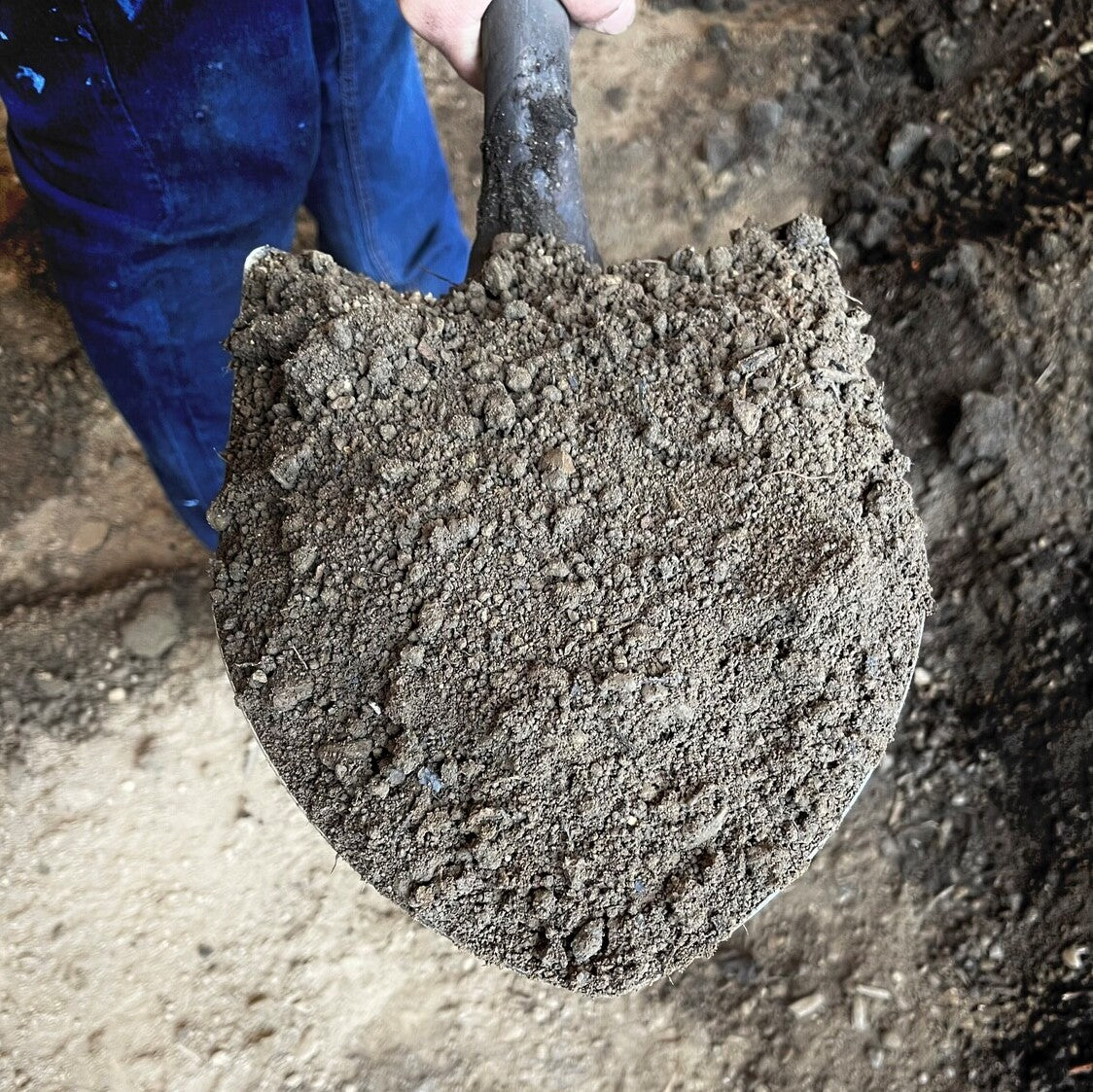


Good quality top soil and was delivered exactly where I wanted it. Nice Job!
About this soil
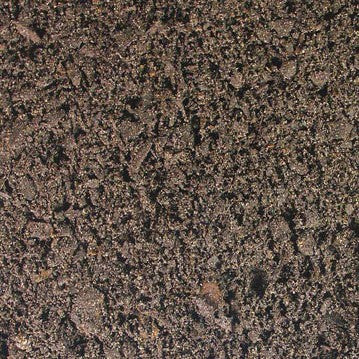
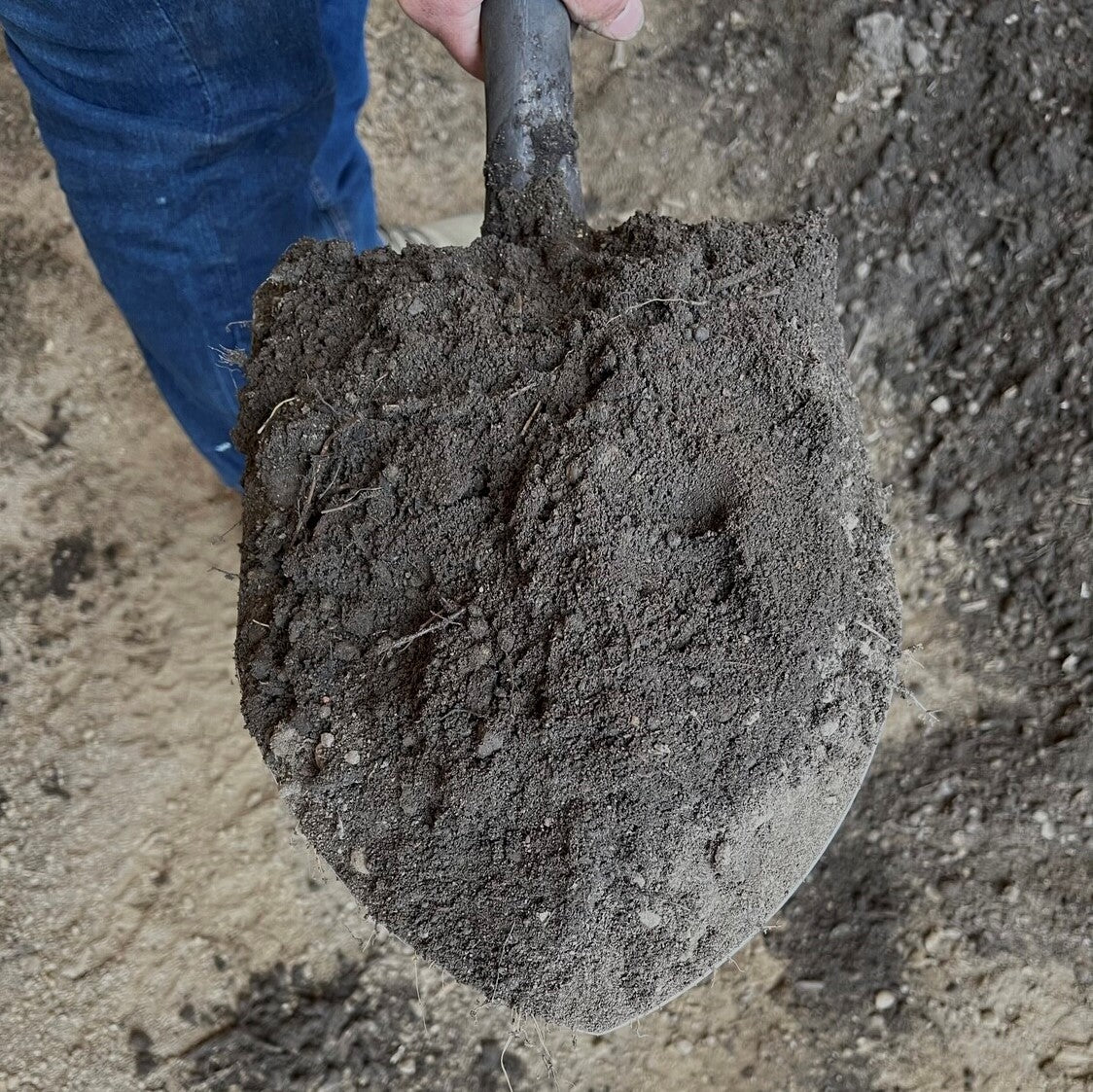
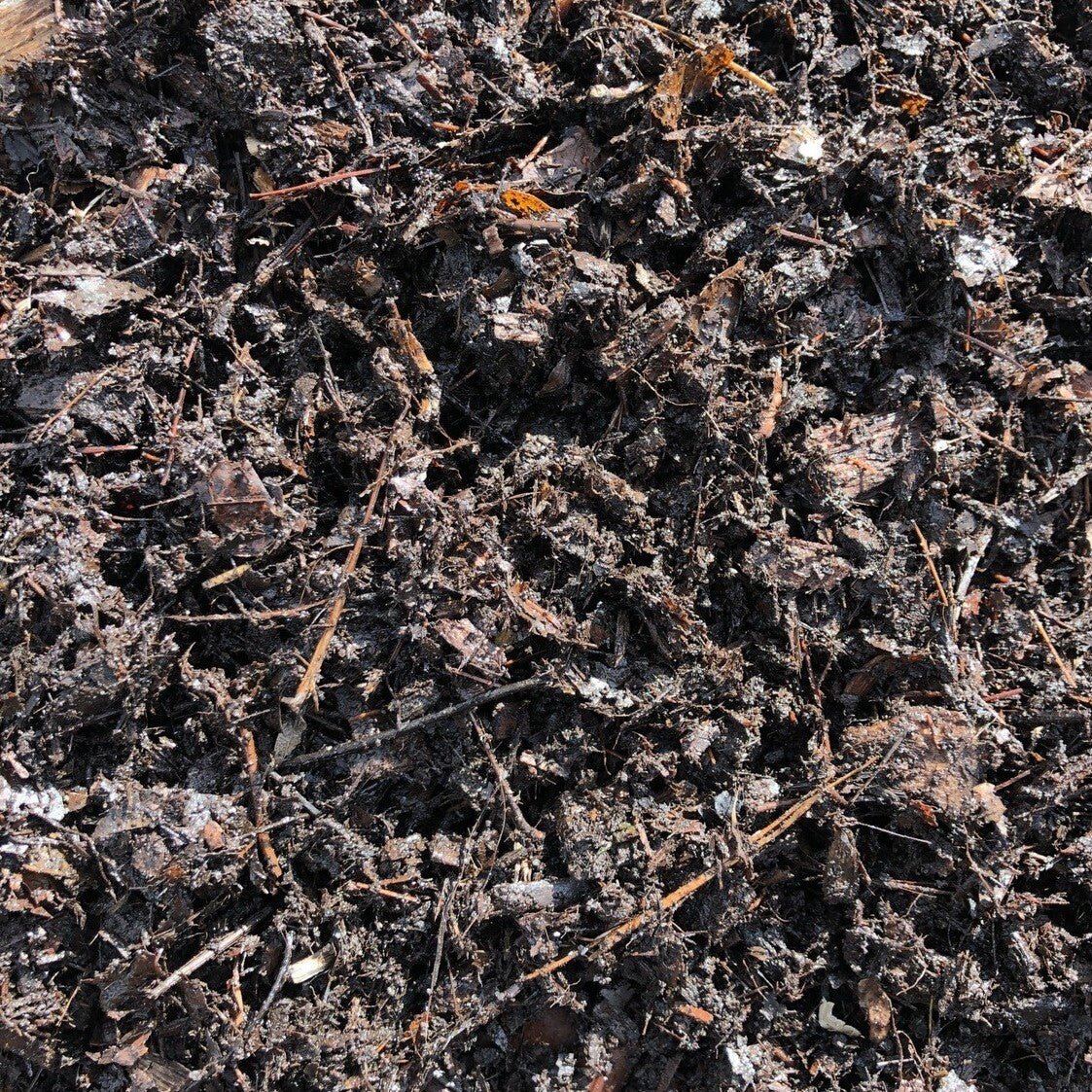
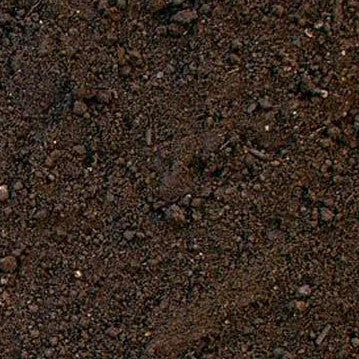
A balanced mix of topsoil and organic amendments ready for raised beds, flower gardens, and new planting areas. Good drainage, solid nutrients, easy to work with.
Good quality top soil and was delivered exactly where I wanted it. Nice Job!
Tell us what you're looking for
Thanks! We received your request.
Something went wrong. Please try again.
Huntersville Soil Delivery
Huntersville Soil Delivery
Regular price
$78.00
per
yard
Regular price
Sale price
$78.00
Unit price
per
Minimum of 3
Couldn't load pickup availability
1 tree planted for every order
About this soil
A balanced mix of topsoil and organic amendments ready for raised beds, flower gardens, and new planting areas. Good drainage, solid nutrients, easy to work with.
Good quality top soil and was delivered exactly where I wanted it. Nice Job!
How Much Material Do I Need?
How Much Material Do I Need?
For topdressing Huntersville lawns with screened topsoil, a half-inch application covers roughly 65 square feet per cubic yard. For new garden beds built over red clay, plan on a minimum of four to six inches of amended garden soil—approximately one cubic yard for every 50 square feet—to create a root zone that gives plants a genuine alternative to the clay layer below.
Use our free soil calculator
What is a yard?
What is a yard?
What is a yards?
What is a yards?
FAQs
FAQs
Tell us what you're looking for
Thanks! We received your request.
Something went wrong. Please try again.
How It Works
Getting started is easy — just follow these simple steps
1
Choose your soil
Make sure you adjust the quantity to your home's needs. You can use our calculator to estimate how much you'll need.
2
Select your delivery date
Select a delivery date you'd like for the product to be dropped off at your home
3
Sit back and wait
Sit back, wait, and let us work our magic to make sure the highest quality product is delivered to your driveway.


Need Help Calculating How Much Soil You Need?
Use our NEW Trace from Satellite tool to get an estimate for your project based on an aerial view of your property
Try Our CalculatorFor Huntersville lawn leveling projects, measure the square footage of each low area, multiply by the average fill depth in feet, and divide by 27 for cubic yards. For garden bed projects over red clay, add ten to fifteen percent to your calculated estimate—the clay beneath compresses new soil as it settles over the first few weeks, and a second delivery to top off a freshly built bed is an avoidable expense. When in doubt, err slightly on the high side and use any excess for topdressing thin lawn areas.
Complete Your Outdoor Soil Project
Once your soil is graded and settled, finish new garden beds with a two-to-three-inch layer of mulch to protect your improved growing medium from Huntersville's heavy rains and summer heat—without a mulch cover, exposed topsoil will erode, compact, and crust quickly. If you're edging the new bed areas with a defined border, a river rock or crushed stone edge complements the improved drainage you've created and keeps mulch and soil clearly separated from lawn areas.


Mulch Mound Pro Tip
Before spreading new topsoil on a Huntersville lawn, core aerate the existing clay surface first. Huntersville's red clay compacts so tightly that new soil placed on an unaerated base creates a problematic interface where drainage stalls—essentially a soggy pocket just below your new lawn layer that promotes shallow roots and disease. Aerating shatters that hard cap, allows the new topsoil to bond with what's beneath, and gives grass roots a reason to push deeper into the improved profile.
Mulch Mound Pro Tip
Plan your soil delivery and installation for a dry stretch in late March or early April, not immediately following a heavy rain. Huntersville's clay-based subgrade is deceptive when wet—it feels workable on the surface but smears and re-compacts under tools and foot traffic rather than breaking into usable crumbs. Even waiting two to three days after a significant rain event allows the clay to firm enough that your tilling and blending work produces a genuinely uniform, well-structured soil profile rather than compacted slabs.
Mulch Mound Pro Tip
Huntersville gardeners who want fast results without spending years amending their native clay should strongly consider building raised bed frames and filling them entirely with a quality garden soil blend. With Huntersville's last frost typically clearing around April 11, a raised bed filled with loose, warm, well-drained soil will be ready to plant almost immediately—whereas in-ground clay beds often take several additional weeks to warm sufficiently and dry out enough for transplants. The investment in framing and fill soil typically pays back in the first season through dramatically better germination and plant establishment.
The Unique Landscape of Huntersville
Building anything productive in a Huntersville yard—a kitchen garden, a leveled lawn section, a raised planting bed—starts with acknowledging that the native red clay is a deeply challenging foundation. It compacts under foot traffic and machinery, shrinks and cracks during late summer dry spells, and swells with absorbed moisture during the heavy spring rains that Huntersville receives, making it inhospitable to most ornamentals and vegetables without deliberate amendment. Bringing in quality bulk topsoil or garden soil creates a workable growing medium on top of or blended into that clay, giving roots the loose, nutrient-available environment they need to establish and thrive. At 819 feet of elevation, Huntersville's growing season begins in earnest after the last frost around April 11, so having beds prepped and filled with productive soil before that date makes a measurable difference in how quickly warm-season plants establish and begin producing. Whether you're filling a chronically low spot that pools runoff after every storm or constructing raised bed rows for a first vegetable garden, quality soil is the non-negotiable starting point for everything else you'll do in the landscape.
Explore other options for landscape supply delivery in Huntersville, North carolina