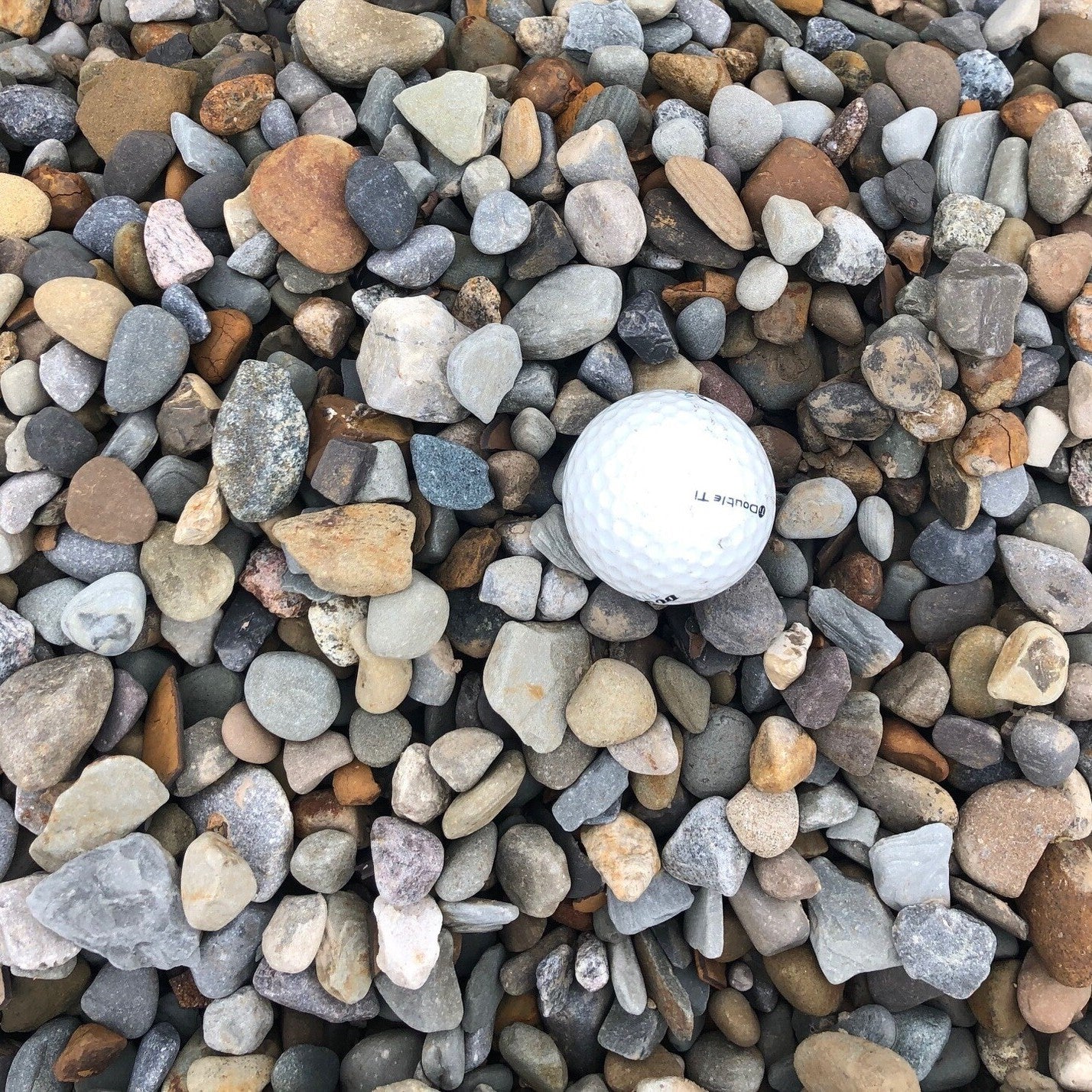
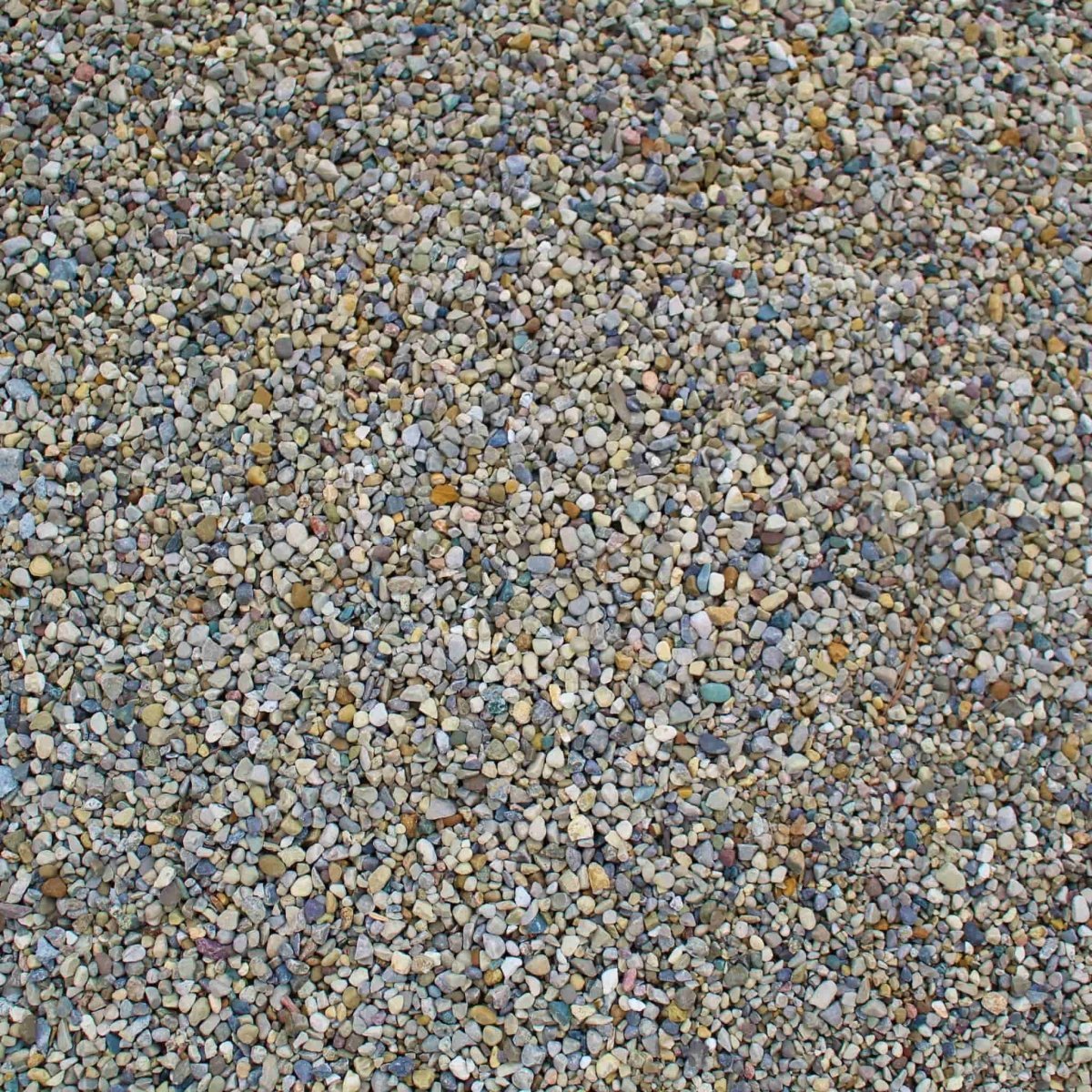
Number 57 crushed stone, angular limestone graded to about three quarters of an inch. The standard driveway, base and drainage gravel, it locks together under traffic and drains fast.
I contacted Mulch Mound for #57 river rocks and it was easy and fast to get a delivery right before the holiday weekend. Stone was delivered as promised and place exactly where I asked. Excellent service! I will be ordering mulch next!
Tell us what you're looking for
Thanks! We received your request.
Something went wrong. Please try again.
How Much Material Do I Need?
For decorative stone beds and borders in Huntersville, a two-inch layer is a functional minimum for appearance, but three inches is preferable on any area sitting over clay—the clay expansion during wet periods can thin a shallow stone application noticeably within a single season. At three inches, one cubic yard covers approximately 100 square feet, giving you a stable, weed-resistant, and visually consistent surface.
Use our free gravel calculator
What is a ton?
A ton is 2,000 pounds of material. As a general guideline, one ton covers roughly 100 square feet at 2 inches deep, depending on the size and density of the material.
We can't take orders for this right now. Tell us what you need and we'll get back to you.
What do you need?
Thanks! We received your request.
Something went wrong. Please try again.
Hand-picked local yards
4,000+ regional deliveries
Dedicated support
Why order through Mulch Mound
The best local stone, without the guesswork.
We hand-pick and partner with the best yards in your region, keep only the ones our buyers rate well, and back each load with our guarantee.
Mulch Mound Guarantee
If your stone isn't the quantity or quality you ordered, we'll make it right.
About this stone
Number 57 crushed stone, angular limestone graded to about three quarters of an inch. The standard driveway, base and drainage gravel, it locks together under traffic and drains fast.
I contacted Mulch Mound for #57 river rocks and it was easy and fast to get a delivery right before the holiday weekend. Stone was delivered as promised and place exactly where I asked. Excellent service! I will be ordering mulch next!
How Much Material Do I Need?
For decorative stone beds and borders in Huntersville, a two-inch layer is a functional minimum for appearance, but three inches is preferable on any area sitting over clay—the clay expansion during wet periods can thin a shallow stone application noticeably within a single season. At three inches, one cubic yard covers approximately 100 square feet, giving you a stable, weed-resistant, and visually consistent surface.
Use our free gravel calculator
What is a ton?
A ton is 2,000 pounds of material. As a general guideline, one ton covers roughly 100 square feet at 2 inches deep, depending on the size and density of the material.
I contacted Mulch Mound for #57 river rocks and it was easy and fast to get a delivery right before the holiday weekend. Stone was delivered as pro...
Read full review
I contacted Mulch Mound for #57 river rocks and it was easy and fast to get a delivery right before the holiday weekend. Stone was delivered as promised and place exactly where I asked. Excellent service! I will be ordering mulch next!
To size your stone order for a Huntersville project, measure the area in square feet and choose a two-to-three-inch depth—deeper for drainage applications, pathway bases, and areas on clay that will see foot traffic, and at the shallower end for purely decorative flat-surface coverage. Multiply square footage by depth in feet, divide by 27 for cubic yards, and add about ten percent for settling and edge spillage. Stone itself doesn't compress like mulch, but the clay beneath it can shift during Huntersville's wet spring season, thinning out shallow applications over the first year.
Stone Types We Deliver in Huntersville
Homeowners and contractors throughout this part of the Charlotte metro count on local bulk stone delivery by the cubic yard for everything from backyard patios to drainage corrections along property lines. If you have been searching for bulk gravel by the yard in Huntersville, our straightforward ordering process and reliable drop-off service make getting the right material simple and affordable. We deliver directly to your driveway or job site, so you can start your project without the hassle of hauling.
Pea Gravel
Pea Gravel is a popular choice for North Carolina yards, offering smooth, rounded stones in warm earth tones that complement the region's red clay soil and mature tree canopy. Homeowners use it in garden pathways, patios, drainage channels, and decorative planting beds, and its gentle texture stays comfortable underfoot for families and pets through hot Carolina summers.
Complete Your Outdoor Stone Project
Stone pathways, drainage features, and decorative borders look most intentional when the surrounding planting beds are properly mulched and cleanly edged, keeping the two materials visually defined even after Huntersville's heavy spring storms deposit debris across the landscape. If your stone project includes a drainage swale or runoff channel, pairing it with a topsoil grade correction in adjacent low areas ensures water is directed efficiently away from structures and plant roots.
Before placing any stone on a Huntersville clay yard, invest time in getting the grade right. Red clay sheds rather than absorbs rainfall, and stone placed on an ungraded surface simply creates a faster path for water to reach wherever it's already pooling. Even a gentle one-to-two percent slope away from structures and toward a defined drainage outlet makes a measurable difference in how well a stone feature performs during the intense rain events that arrive throughout Huntersville's spring and early summer.
Mulch Mound Pro Tip
For low-maintenance zones under mature trees in Huntersville yards, choose a lighter-colored river rock or buff-toned crushed stone rather than a dark gray or charcoal product. Heavily shaded areas under established canopies stay damp longer—especially over clay that releases moisture slowly—and dark stone in those zones tends to develop moss and algae growth on the surface within a season or two. Lighter stones dry out faster after rain, resist biological growth better, and stay cleaner looking through Huntersville's humid Zone 8a summers.
Mulch Mound Pro Tip
When setting stone borders around planting beds in Huntersville, partially bury the first course of stone rather than resting the entire layer on the surface. Clay soil heaves slightly during the hard freezes that occasionally arrive between late October and mid-April, and surface-set borders migrate, tilt, and open gaps over a winter or two—especially along the north and east exposures of your yard where freeze-thaw cycles are most pronounced. Setting the base layer an inch below grade locks the border in place and keeps your bed edges looking clean through the full seasonal cycle.
The Unique Landscape of Huntersville
In a Huntersville landscape built on red clay, stone delivers practical drainage and erosion functions that no plant material alone can match. Clay soil sheds water rather than absorbing it during heavy rainfall, generating runoff that erodes bed edges, undercuts pathways, and carves channels across lawns—a problem that intensifies on Huntersville's slightly elevated terrain at 819 feet, where water gathers energy as it moves off grades. Strategically placed stone—whether crushed granite lining a drainage swale, river rock redirecting downspout flow, or compacted gravel forming a stable pathway base—intercepts and redirects that water before it causes lasting damage. Beyond drainage, stone provides a genuinely low-maintenance ground cover for areas where Zone 8a's summer heat makes sustaining turf or annual plantings impractical, particularly on steep slopes, narrow utility strips, and dry shade zones under mature tree canopies. It also maintains its appearance year-round regardless of drought severity or frost, serving as a stable visual anchor when surrounding plantings go dormant from November through mid-April.
Frequently Asked Questions
Click a question to see the answer
Answer
What type of stone works best for drainage in a Huntersville yard with red clay soil?
For drainage applications over red clay, a clean angular crushed stone—such as #57 granite—is the most effective choice. Angular stone locks together and maintains the void space necessary for water movement even as fine clay particles gradually migrate into the edges of the stone bed over time. Avoid rounded pea gravel in French drain trenches or swales, as it packs more easily and loses flow capacity faster, which becomes a real problem during Huntersville's intense spring rain events.
Answer
How deep does a stone pathway need to be to stay stable in Huntersville?
For a pathway that stays level and firm over Huntersville's clay, plan on four inches of compacted base gravel topped with two inches of finish stone—six inches total. The generous base depth is necessary because clay expands slightly when wet and contracts as it dries, and a shallow stone layer will shift, develop low spots, and become uneven quickly. A properly built base remains stable through the wet springs and dry late summers that Huntersville sees every year.
Answer
Will stone help stop the erosion I get along my driveway edges after heavy rains?
Stone is one of the most effective and durable solutions for this specific Huntersville problem. A ribbon of two-to-four-inch river rock or rip rap placed along the driveway edge slows water velocity before it carves into the clay beneath, and unlike mulch or ground cover plantings, stone won't wash away, decompose, or require seasonal replacement. It's a one-time installation that holds up through repeated storm events without any ongoing maintenance.
Answer
Is stone a good solution for the low-maintenance problem areas in my Huntersville yard that are hard to mow or too shaded to grow grass?
It's genuinely one of the best options for Huntersville's difficult spots. Steep slopes where mowing is unsafe, narrow side-yard strips between structures, heavily shaded dry zones under mature oaks or pines, and heat-reflecting areas along south- or west-facing foundation walls are all strong candidates for decorative stone ground cover. Pair it with a commercial-grade woven landscape fabric and you have a surface that handles Zone 8a summers without supplemental irrigation and without any seasonal replanting.
Answer
How do I keep stone from gradually sinking into my clay soil over time?
Landscape fabric is essential for any stone installation directly over Huntersville's clay. Without a physical barrier, the clay beneath will slowly swallow stone as wet-dry expansion cycles and the occasional hard freeze between late October and mid-April cause the two materials to gradually intermix. Use a woven, commercial-grade fabric—not thin film-type sheeting—for reliable long-term separation and to prevent weed roots from pushing through into your stone layer.
Answer
Can I use decorative stone around my foundation to help with drainage and moisture issues?
Yes, and it's highly recommended for Huntersville homes where red clay near foundations holds moisture against siding, masonry, and crawl space vents for extended periods after rain. A twelve-to-eighteen-inch band of clean crushed stone or river rock around the perimeter improves drainage, reduces termite-attracting moisture accumulation, and gives the house a finished appearance. Just confirm that the grade still slopes away from the foundation before placing stone—stone improves drainage where grade already directs water away, but it cannot correct a fundamental grading problem on its own.
Answer
How do I calculate how much stone I need for a decorative bed or border project?
Measure your square footage, multiply by your desired depth in feet—typically 0.17 to 0.25 feet for a two-to-three-inch layer—and divide by 27 for cubic yards. As a practical rule, one cubic yard of stone covers roughly 100 square feet at two inches deep. For Huntersville projects on clay, don't go too thin; a single-inch application will shift and thin noticeably over the wet-dry clay expansion cycles this area experiences through spring and summer, requiring premature replenishment.
Answer
Is crush and run the same as crusher run?
Same material, different regional name. Crush and run refers to crushed stone blended with stone dust that compacts into a solid base for driveways and paver projects. In Huntersville, where red clay sheds water fast, we deliver Crushed Stone #57 instead, since its washed, open structure handles drainage and erosion control better than a compacted base material would.
Answer
Is there a stone yard near Huntersville?
Red clay in Huntersville sheds heavy rain instead of absorbing it, so a firm crushed stone base works well under paths and along bed edges to slow runoff. You don't need a stone yard or a trip to a quarry, because Mulch Mound delivers crushed stone by the cubic yard and drops it right where you want it.