




Great service. We ordered topsoil from Mulch Mound and the best experience. Thank you so much!
About this soil
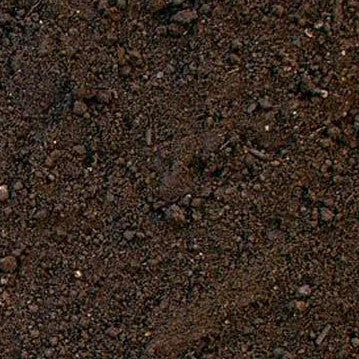
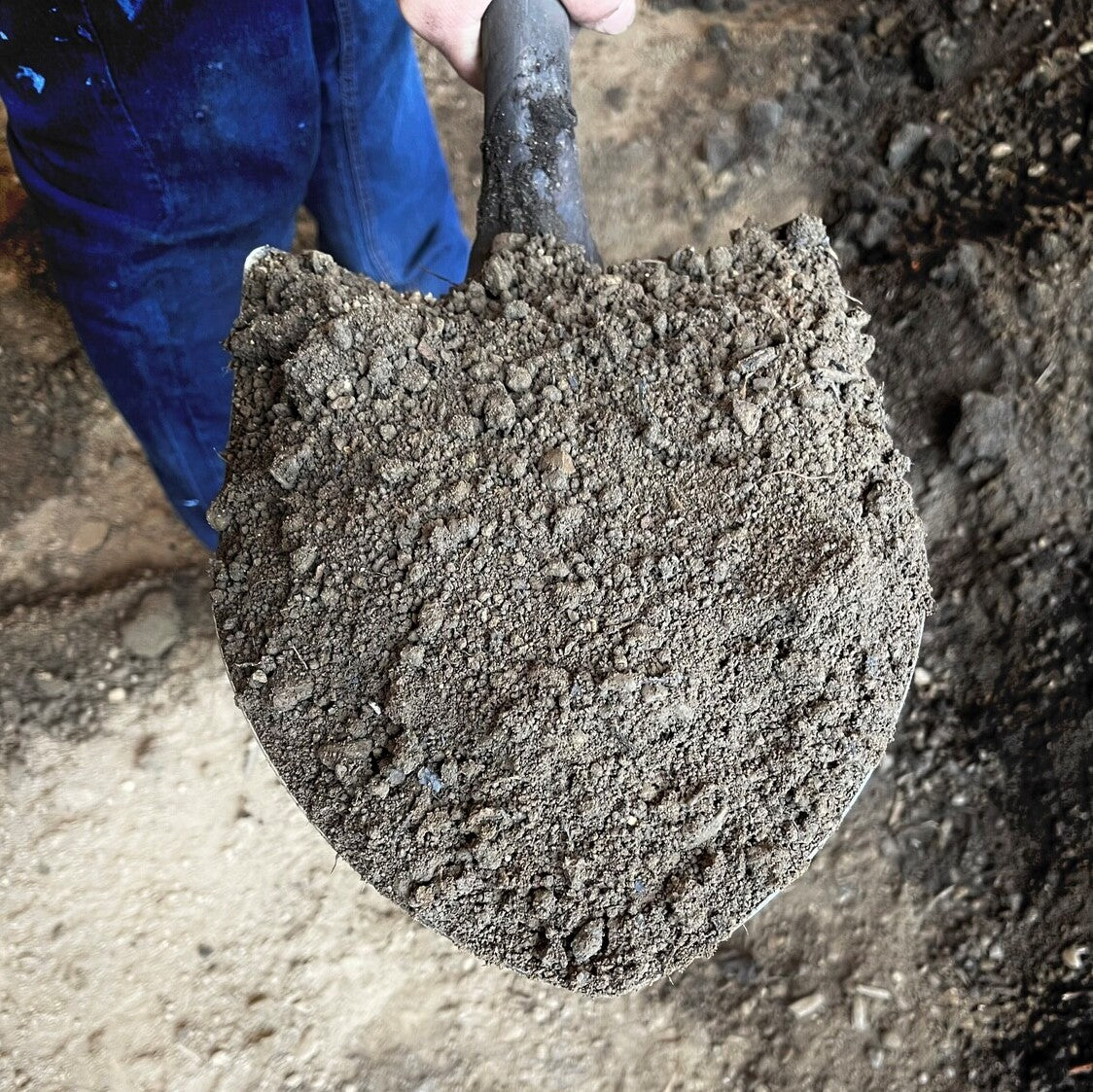
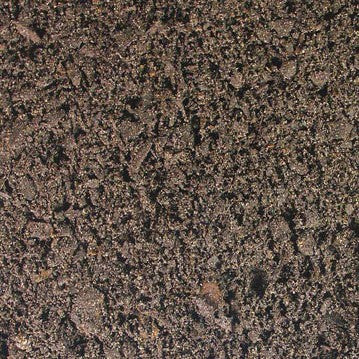
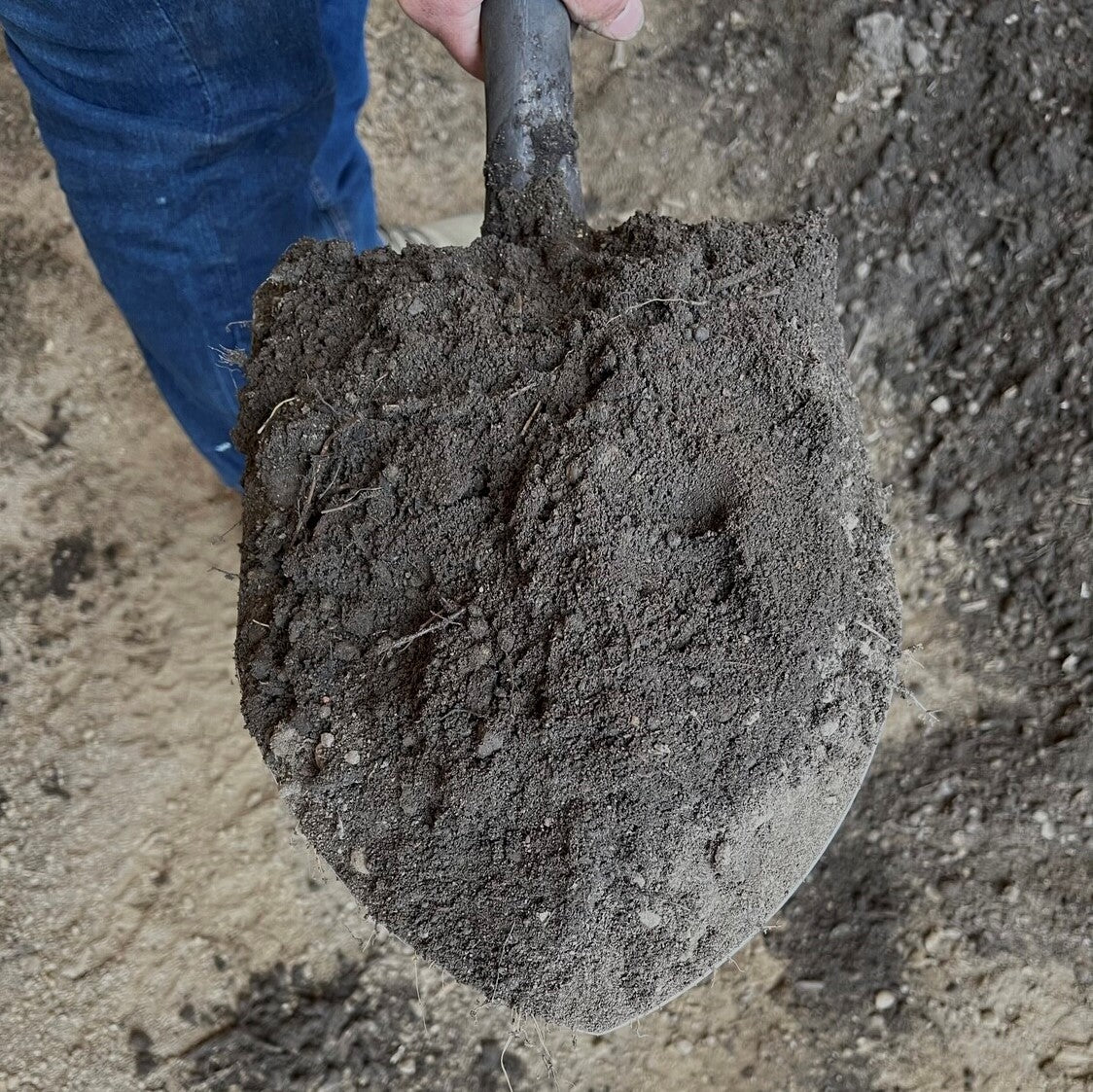
Quality topsoil for lawns, gardens, and landscape projects. Nutrient rich and ready to support strong root development and healthy plant establishment.
Great service. We ordered topsoil from Mulch Mound and the best experience. Thank you so much!
Tell us what you're looking for
Thanks! We received your request.
Something went wrong. Please try again.
How Much Material Do I Need?
How Much Material Do I Need?
For raised beds in Indiana, filling to a minimum depth of 12 inches gives plant roots enough room to thrive without hitting the dense clay loam subsoil beneath. Lawn grading and leveling projects typically need 1 to 3 inches of topsoil depending on the severity of the grade correction needed.
Use our free soil calculator
What is a yard?
What is a yard?
FAQs
FAQs
Indiana Soil Delivery
Indiana Soil Delivery
Regular price
$82.00
per
yard
Regular price
Sale price
$82.00
Unit price
per
Shipping calculated at checkout.
Minimum of 3 yard
Couldn't load pickup availability
Not currently available
We can't take orders for this right now. Tell us what you need and we'll get back to you.
Hand-picked local yards
4,000+ regional deliveries
Dedicated support
Why order through Mulch Mound
The best local soil, without the guesswork.
We hand-pick and partner with the best yards in your region, keep only the ones our buyers rate well, and back each load with our guarantee.
Mulch Mound Guarantee
If your soil isn't the quantity or quality you ordered, we'll make it right.
About this soil
Quality topsoil for lawns, gardens, and landscape projects. Nutrient rich and ready to support strong root development and healthy plant establishment.
Great service. We ordered topsoil from Mulch Mound and the best experience. Thank you so much!
How Much Material Do I Need?
How Much Material Do I Need?
For raised beds in Indiana, filling to a minimum depth of 12 inches gives plant roots enough room to thrive without hitting the dense clay loam subsoil beneath. Lawn grading and leveling projects typically need 1 to 3 inches of topsoil depending on the severity of the grade correction needed.
Use our free soil calculator
What is a yard?
What is a yard?
FAQs
FAQs
Tell us what you're looking for
Thanks! We received your request.
Something went wrong. Please try again.

How It Works
Getting started is easy — just follow these simple steps
1
Choose your soil
Make sure you adjust the quantity to your home's needs. You can use our calculator to estimate how much you'll need.
2
Select your delivery date
Select a delivery date you'd like for the product to be dropped off at your home
3
Sit back and wait
Sit back, wait, and let us work our magic to make sure the highest quality product is delivered to your driveway.

Placing an order online was so easy. Delivery was on time. When the driver realized we had a newly poured driveway they erred on the side of cautio...
Read full review
Placing an order online was so easy. Delivery was on time. When the driver realized we had a newly poured driveway they erred on the side of caution and opted not ti drive in it. The company even sent me a message explaining that call. Would recommend!

Online ordering was really simple and I liked the transparent pricing.
Need Help Calculating How Much Soil You Need?
Use our NEW Trace from Satellite tool to get an estimate for your project based on an aerial view of your property
Try Our CalculatorTo calculate cubic yards of soil needed, multiply the length by the width of your project area in feet, then multiply by the desired depth in feet, and divide by 27. For lawn leveling in Indiana where clay loam settles noticeably after rain, plan for a slightly deeper application than your target finish grade to account for that initial settlement. Raised bed projects benefit from measuring carefully and rounding up since you want to fill beds to within an inch of the top for maximum root growing depth.
Soil Types We Deliver in Indiana
Indiana, Pennsylvania sits in a region where heavy clay soils are the norm, and getting quality fill and amendment material delivered makes every lawn and garden project go smoother. We offer bulk topsoil by the yard along with organic soils and blends, all measured by the cubic yard and dropped at your property when you need them.
Screened Top Soil
Our screened topsoil is cleaned of rocks and debris to give you a fine, workable base for lawn grading, garden bed prep, and landscape fill. It supports strong root development in the compacted clay soils common throughout western Pennsylvania, establishing new growth from spring planting right through fall.
Gardening Blend
A balanced mix of topsoil and organic amendments, our Gardening Blend is ideal for raised beds, new flower gardens, and fresh planting areas. It drains reliably even in the heavier clay conditions found throughout this region, holds moisture through dry summer stretches, and works easily straight from the pile without further amendment.
Mushroom Compost
Spent mushroom substrate is one of the richest organic boosters you can add to western Pennsylvania garden beds. Our Mushroom Compost improves soil structure, offsets the density of native clay, and delivers a slow, steady release of nutrients that carries vegetables, perennials, and ornamental plantings through the full growing season.
Complete Your Outdoor Soil Project
After your grading and soil prep work is done, topping your new beds with bulk mulch from MulchMound helps lock in moisture and protect your fresh soil from Indiana's heavy annual rainfall. Adding decorative stone borders around raised beds and garden areas keeps mulch and soil contained while giving your landscape a clean, finished appearance.


Mulch Mound Pro Tip
Indiana's clay loam soil has a narrow window when it is truly workable and ready for grading or tilling. After heavy rainfall, clay loam stays saturated and sticky for days, making it nearly impossible to grade without creating compaction damage that undermines your entire project. Check soil readiness a day or two before your delivery is scheduled by squeezing a handful tightly. If it crumbles when you open your hand, it is ready to work. If it holds a solid ball, wait for drier conditions.
Mulch Mound Pro Tip
When filling raised beds in Indiana, do not use straight native clay loam as your growing medium even if you are trying to save money on materials. The high clay content will compact into a near-solid block once it dries out in summer, strangling roots and making watering nearly ineffective. A quality garden blend with compost built in will outperform native soil in a contained bed every single growing season, which matters enormously in Indiana's short window between the May 7 last frost and the October 11 first frost.
Mulch Mound Pro Tip
Grading soil near your home's foundation is especially important in Indiana where 47 inches of annual rainfall puts consistent pressure on drainage systems around every property. The finished grade should slope away from your foundation at a minimum of 6 inches of drop over the first 10 feet. Using bulk topsoil to establish that slope and then topping it with mulch or stone to slow erosion is one of the most practical investments an Indiana homeowner can make in protecting their foundation from long-term water intrusion.
The Unique Landscape of Indiana
The native clay loam soil in Indiana, PA is a mixed blessing for homeowners and gardeners. It holds nutrients reasonably well and supports established plants, but its density makes it slow to drain and prone to compaction, especially under Indiana's 47 inches of annual rainfall. For lawn repair, raised beds, and grading projects, bringing in quality amended topsoil lets you work with material that is already balanced for drainage and nutrient content rather than fighting the limitations of the native ground. At 1,309 feet of elevation, Indiana's growing season is relatively short, with a last frost around May 7 and first frost around October 11, which means healthy, workable soil makes the difference between plants getting established before cold weather arrives and struggling all season. Proper soil preparation is the foundation of every successful landscaping and gardening project in this area.